What Is a Waveguide Rotary Joint and Why It Matters in Radar Systems






2026-06-11 21:05:06
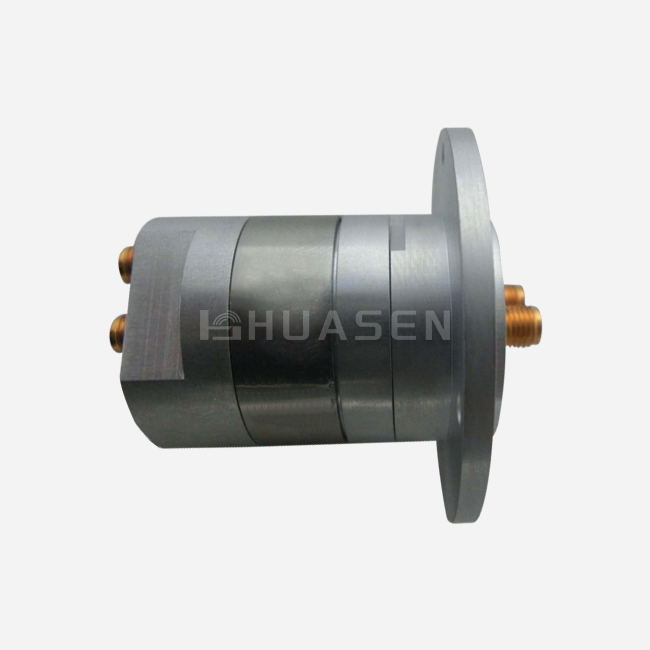
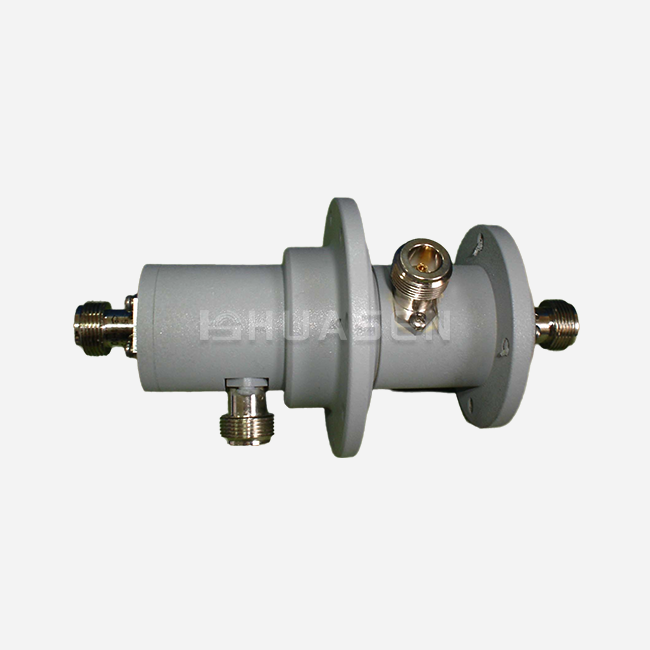
A waveguide rotary joint is a precise electronic part that lets high-frequency radio frequency (RF) and microwave signals flow smoothly between structures that are still and structures that are moving. It is used in radar and communication systems. This device solves a basic problem: how to keep the signal strong while letting the wire rotate 360 degrees without damaging the signal or bending the cable. In radar applications where antennas need to scan all the time, these joints get rid of mechanical problems while keeping the electromagnetic performance high across important frequency ranges. Their importance comes from the fact that they allow effective operation in harsh settings where both mechanical durability and electrical accuracy are essential.
Understanding Waveguide Rotary Joints: Definition and Function
Core Design Architecture
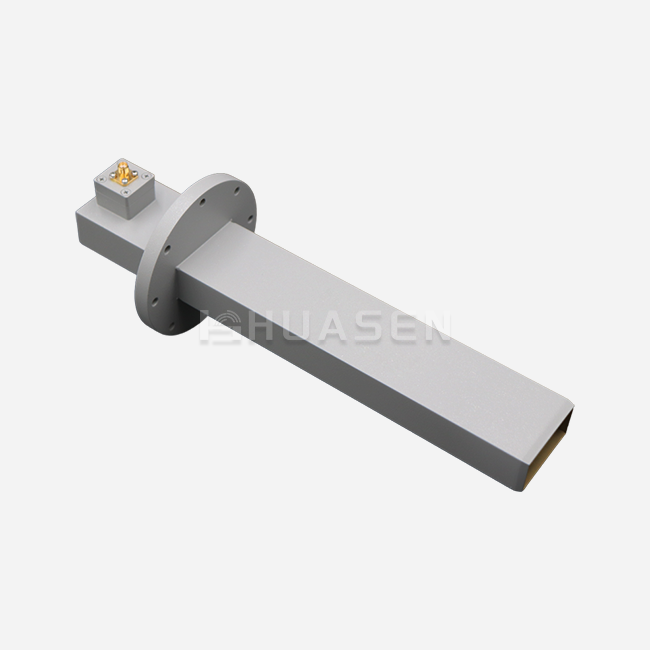
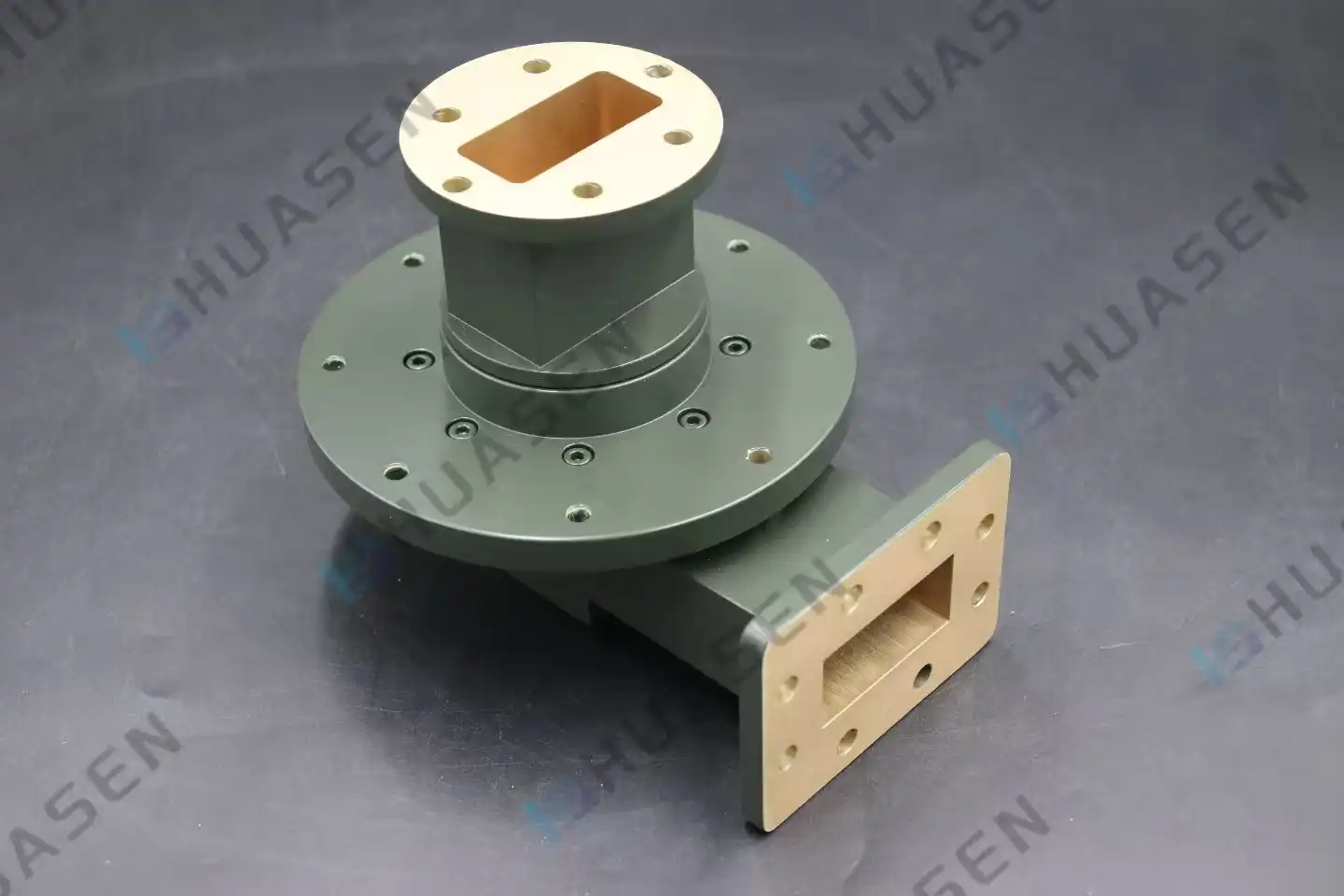
There are two main parts that make up a waveguide rotary joint: a part that stays still (stator) and a part that spins (rotor). Carefully designed circle waveguide sections in these parts keep the electromagnetic continuity by letting them rotate without stopping signal transmission. Mode transition methods are used in the internal structure to keep the electromagnetic field pattern rotationally symmetric. This keeps the signal from becoming distorted while the device is rotating.
To keep ohmic losses as low as possible, modern designs use high-grade aluminum or copper metals that have been plated with silver. To keep the right electromagnetic border conditions, the errors for precision machining must be as small as a micron. This level of mechanical accuracy has a direct effect on electrical performance, which is why manufacturing knowledge is a key differentiator between providers.
Electromagnetic Performance Characteristics
Several important electrical factors affect how well a signal is sent. Insertion loss stays below 0.3 dB per channel most of the time, so there isn't much signal loss during spinning. Voltage Standing Wave Ratio (VSWR) standards usually stay below 1.25:1. This makes sure that power is transferred efficiently and that there are no echoes that could hurt sender parts or lower receiver sensitivity.
In dual-channel setups, the isolation between channels is greater than 60 dB, which stops noise that would make the system less accurate. WOW (Wobble or Insertion Loss Variation) is the change in insertion loss during spinning. It is kept below 0.05 dB. This stability makes sure that the radar works the same way no matter where the antennas are placed, which is important for finding and tracking targets accurately.
Why Do Waveguides Outperform Alternatives?
When it comes to handling power, waveguide designs are better than coaxial rotating joints or slip rings, especially at higher frequencies. Peak powers in the megawatt range and normal powers in the kilowatt range can be handled by waveguide structures without the chance of dielectric breakdown. This benefit is very important in high-power radar emitters where signal integrity can't be lost due to temperature limits or arcing.
Because there are no center wires, a common point of failure in coaxial devices is not present. At microwave frequencies, waveguide transmission also has lower losses, which makes these joints the best choice for uses above 8 GHz. Environmental sealing is easier to do with waveguide designs, which means they are better at keeping out dust and water in outdoor setups.
Applications of Waveguide Rotary Joints in Radar Systems
Rotating Antenna Arrays in Surveillance Radar
Radar systems used for air traffic control depend on these joints to keep the antennas rotating while sending out strong search pulses and picking up weak back echoes. The antenna base spins at exact speeds, usually between 12 and 15 RPM, and the joint keeps the signal strong on both the send and receive routes. For main monitoring radars that work in the S-band (2-4 GHz), the joint has to be able to handle peak powers of more than 1 MW during pulse transmission while still being able to pick out planes more than 200 nautical miles away.
For Identification Friend or Foe (IFF) questioning, secondary monitoring radar systems that work in L-band at the same time need a second signal path. Dual-channel rotary joints meet this need by creating separate tracks that keep the main tracking function and secondary identification systems from interfering with each other. This distance is very important for keeping airplanes safe and avoiding fake targets.
Maritime and Shipborne Systems
These parts are used in fire control radar, navigation systems, and satellite contact stations on naval ships. The marine climate is very difficult because of things like corrosion from salt fog, steady vibrations from ship engines, pitch and roll motion, and temperature changes from -40°C to +85°C. For waveguide rotary joints made for marine use, special binding methods and corrosion-resistant materials are used so they can work continuously for decades.
Satellite on-the-move (SOTM) systems use these links to keep ships connected while they're at sea. When sending high-bandwidth data through Ka-band bands (26.5-40 GHz), the antenna tracking system has to account for the movement of the ship. The rotary joint makes this stabilization possible, so even when the waves are rough, videoconferencing, data sharing, and contacts can go on without a hitch.
Aerospace and Defense Applications
In electronic warfare pods on military airplanes, rotary joints are used so that jamming devices can scan and track enemy transmitters across a wide frequency range. Ultra-broadband coverage is provided by double-ridge waveguide rotary joints, which can handle many octaves of frequency in a single device. This feature lets a single antenna system handle threats from 2 GHz to 18 GHz without the need for moving parts. This makes airborne setups lighter and easier to set up in small spaces.
These joints are used by ground-based air defense radar systems to find targets and control fire. When you combine very fast spinning speeds, big changes in temperature, and the need for very quick response times, you need parts that are very stable mechanically and electrically. These systems can't fail, which leads to requirements that are far above what is normally expected in the business world.
Comparing Waveguide Rotary Joints: Making the Right Procurement Decision
Performance Metrics That Matter
Procurement experts should look at specific performance data from suppliers instead of depending on general claims when judging them. Ask for detailed readings of insertion loss across the whole frequency range, not just at the center frequency. Ask for VSWR information at the ends of the band, where performance usually drops. Check that the specs for power handling include both peak and average power levels, as well as limits on the duty cycle.
The temperature range that the performance data covers should be the whole range that your machine will be used in. Some makers only say how well their products work at room temperature, which doesn't tell you everything you need to know for outdoor or flight uses. Specifications for vibration and shock are important, especially for handheld devices. If something meets MIL-STD-810, it means it has been tested thoroughly in the area, but make sure you know exactly what tests were done.
Evaluating Supplier Capabilities
When something is made well, it will last a long time and be reliable. Suppliers who do their own precise machining and testing facilities usually provide more uniform goods than those who hire outside companies to do these tasks. Ask about the quality control steps: how is the electromagnetic performance checked on each unit versus testing samples?
Different makers offer very different levels of customization options. Some companies only sell stock items with set specs, while others have engineering teams that can change designs to fit specific system needs. Before you agree to design integration, make sure you know if the seller can modify the product if your application needs non-standard frequency bands, special flanges, or power ratings.
Technical Support and Documentation
Full, detailed paperwork is a sign of mature engineering. Good providers give clear mechanical drawings with exact sizes, electromagnetic performance plots that show how well the device works at different temperatures and frequencies, and application notes that talk about how to place the device. This paperwork should have details about the flanges, the force that they need, and how to line them.
When integrating systems and fixing problems, how quickly technical help responds is very important. Check how easy it is to get in touch with the provider. Can you talk directly to engineers who know about the goods, or do you have to go through sales reps who don't know much about technology? Being able to talk to experienced engineers directly about impedance matching, mode conversion, or temperature management can speed up the process of fixing problems and improve system performance.
Maintenance and Longevity: Ensuring Optimal Performance
Routine Inspection Protocols
The working environment and job cycle determine how often inspections should be done. Systems that are kept in a controlled indoor setting may only need to be inspected once a year, but systems that are in the water or outside should be checked every three months. Visual inspection should look for damage, rust, or fixing gear that is coming loose. Pay extra attention to flange contacts because the wrong torque can leave air holes that hurt electrical performance and let water in.
Rotational smoothness is a sign of a healthy balance. When turning by hand, it should feel smooth and uniform, with no stiffness, roughness, or too much play. Bearing wear, contamination, or poor greasing can cause unusual resistance or uneven motion. Taking care of these signs quickly stops major failures that could damage equipment that is linked.
Common Failure Modes and Solutions
More insertion loss, or VSWR, in rotary waveguide joints is usually a sign of signal degradation. These signs usually happen when bearing wear causes the rotor and stator parts to be out of alignment. Moisture inside the waveguide joints can also make losses worse, especially at higher frequencies where surface roughness and dielectric qualities are more important. In wet places, pressurization with dry nitrogen stops water from getting in.
Usually, mechanical noise during spinning means that there are problems with the bearings. When shock loads or long times of inactivity happen, ball bearings can get flat spots or brinelling. When bearings are replaced, smooth operation is restored, but the problem doesn't happen again because the root cause is found. Was the machine shocked while it was being shipped? Are the vibration-isolating mounts right for the construction site?
Material Selection Impact
Silver plate is very good at conducting electricity and resisting rust, but tarnishing in places with a lot of sulfur can make losses worse. Gold finishing is much more resistant to rust, but it costs a lot more. Choosing the right material should be based on where it will be used. For example, gold plating may be appropriate in industrial areas with sulfur chemicals, while silver plating works well in controlled indoor setups.
The materials used in bearings affect both how long they last and how often they need to be serviced. Stainless steel bearings don't rust, but they might need to be oiled more often than sealed ceramic bearings. Precision bearings with tighter tolerances work better in high-speed uses, but normal precision grades can be used in low-speed monitoring radar without affecting performance.
How to Choose the Best Waveguide Rotary Joint for Your Radar System?
Defining Application Requirements
The default standard is set by the system frequency band. Different waveguide sizes cover different frequency bands. For example, WR-90 covers the X-band (8.2-12.4 GHz), WR-62 covers the Ku-band (12.4-18 GHz), and WR-42 covers the Ka-band (18-26.5 GHz). In broadband applications, double-ridge designs that cover more than one octave in a single component may be needed. However, these designs usually have more insertion loss than single-mode designs that are better for smaller bandwidths.
When figuring out how to handle power, you need to think about the duty cycle, peak pulse power, and average power. Most radar emitters work with low duty cycles and high peak powers. This makes the average power levels reasonable. Different ways of managing heat are needed for continuous-wave uses like communication lines. To make sure the joint will last for a long time, make sure that the power number includes enough of a safety margin beyond your maximum working point.
Environmental conditions drive mechanical and material parameters that are based on the environment. Extreme temperatures, dampness, salt fog, shaking, and shock can all affect the choice of components. For setups outside, you need weatherproof seals and materials that won't break down in UV light. For uses that will be used in the air, the building must be light and meet strict shaking standards. Knowing your working surroundings will keep your equipment from breaking down early and needing expensive replacements in the field.
Interpreting Technical Datasheets
Frequency response plots show how performance changes as you move across the working band. If the insertion loss is flat, it means that the performance is stable. If it changes, it means that there are internal resonances or impedance problems. VSWR readings should stay low across the whole band, not just at the center frequency, which is where tuning is easy.
Temperature factors show how behavior changes as the temperature changes. When mechanical parts expand and contract, they can change the resonant frequencies or make holes at the surfaces where they rotate. By carefully choosing the right materials and using thermal compensation methods, good designs stay true to their specs over a wide range of temperatures.
Certification standards prove the quality of both thewaveguide joints concept and production. ISO 9001 certification shows that quality management is organized, and MIL-STD compliance shows that goods have been tested to meet strict military standards. RoHS compliance proves that you care about the environment and follow the rules for foreign trade.
Conclusion
Waveguide rotary joints are an important part of modern radar and transmission systems because they allow signals to pass between electronics that stay in one place and devices that move around. Because they can handle more power, have low insertion loss, and can last in harsh environments, they are essential in many fields, from air traffic control to marine defense systems. To do a good job of buying, you need to find a balance between electrical performance requirements and mechanical strength, environmental resilience, and the ability to support suppliers. By knowing the basics of technology and carefully comparing different choices based on the needs of a specific application, system designers can choose parts that will work reliably for years of tough use.
FAQ
1. What frequency ranges do waveguide rotary joints typically support?
There are standard designs for most radar and transmission bands, from L-band (1-2 GHz) to Ka-band (26.5-40 GHz). Single-mode circular waveguide rotary joints work best with certain bands, like X-band (8.2-12.4 GHz) or Ku-band (12.4-18 GHz), giving the lowest insertion loss in that range. Ultra-broadband coverage across multiple octaves is possible with double-ridge waveguide designs, but the insertion loss is a little higher. For unique uses that need non-standard bands or more coverage than what's listed in a book, custom frequency ranges can be designed.
2. How do waveguide rotary joints differ from slip rings in radar applications?
Slip rings use moving electrical contacts to send power and low-frequency signals, but they have trouble sending high-frequency RF signals because the contact resistance changes and there are electromagnetic gaps. Waveguide rotary joints use electromagnetic coupling that doesn't involve touch through carefully sized holes. This keeps signals from getting weaker over time because of wear. With this method, megawatts of peak power can be handled, and insertion loss is less than 0.3 dB, which is not possible with slip ring technology. Waveguide designs also offer better separation in multi-channel setups, stopping noise that lowers the accuracy of radar.
3. Can waveguide rotary joints be customized for specialized radar systems?
Customization meets a wide range of system needs, such as non-standard frequency bands, unique flange connections, high power ratings, and environmental needs that go beyond what is required by industry standards. When a manufacturer has their own engineering and machining departments, they can change the size of the cavities, the types of bearings used, and the ways the seals are made to fit different uses. Customization usually adds 12 to 16 weeks to the lead time, but it allows for better integration than stock goods may be able to achieve. Before agreeing to custom development, you should talk to the supplier's engineering team in detail about the features of your system to make sure that it is possible.
Partner with Huasen Microwave for Superior Rotary Joint Solutions
That's why Huasen Microwave Technology Co., Ltd. has been developing and making high-performance rotary waveguide parts for tough uses for more than 30 years. Our engineering team works closely with system integrators to create unique solutions that deal with issues like frequency coverage, power handling, and environmental concerns that normal catalog goods can't handle. As a reliable waveguide rotary joint maker, we keep a close eye on quality throughout the whole process to make sure that every part meets strict electrical and mechanical standards before it is sent out. Our complete technical support includes helping with the planning from the beginning all the way through installation and long-term upkeep. Get in touch with our technical team at sales@huasenmicrowave.com to talk about your unique needs and find out how our track record in telecommunications, radar, and aerospace uses can help your system work better.
References
1. Skolnik, M.I. (2008). Radar Handbook, Third Edition. McGraw-Hill Education.
2. Pozar, D.M. (2011). Microwave Engineering, Fourth Edition. John Wiley & Sons.
3. Chatterjee, R. (1988). Microwave Engineering: Passive Circuits. Prentice Hall.
4. Harvey, A.F. (1963). Microwave Engineering. Academic Press.
5. Uher, J., Bornemann, J., and Rosenberg, U. (1993). Waveguide Components for Antenna Feed Systems: Theory and CAD. Artech House.
6. IEEE Standard 149-2021. IEEE Standard for Test Procedures for Antennas. Institute of Electrical and Electronics Engineers.
Send Inquiry