Where to Buy High Power Waveguide Power Dividers? Suppliers, Pricing, and Quality Insights?






2025-12-16 23:18:55
When looking for trusted suppliers of high-power waveguide power dividers, you need to think about regional capabilities, technical specifications, and the quality of the manufacturing. The Americas, Europe, Asia, the Middle East, and Africa all have major markets that offer a wide range of ways to get goods, and each one has its own benefits. Quality waveguide power divider makers usually set up shop in places with a lot of other tech companies, like Silicon Valley, Munich, and Tokyo, as well as new tech hubs in India and the UAE. These companies make everything from standard parts to custom-engineered solutions for 5G, radar, and satellite uses.
Understanding Waveguide Power Dividers: Technology and Applications
Core Technology Behind Power Distribution Systems
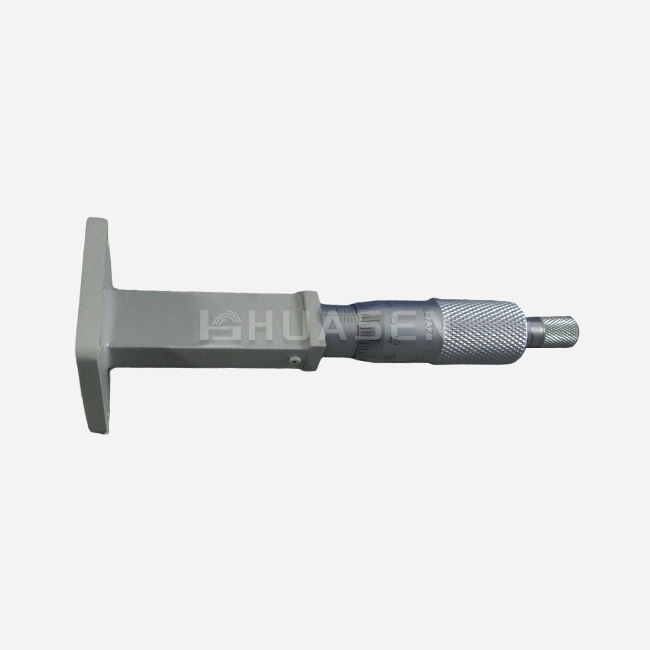
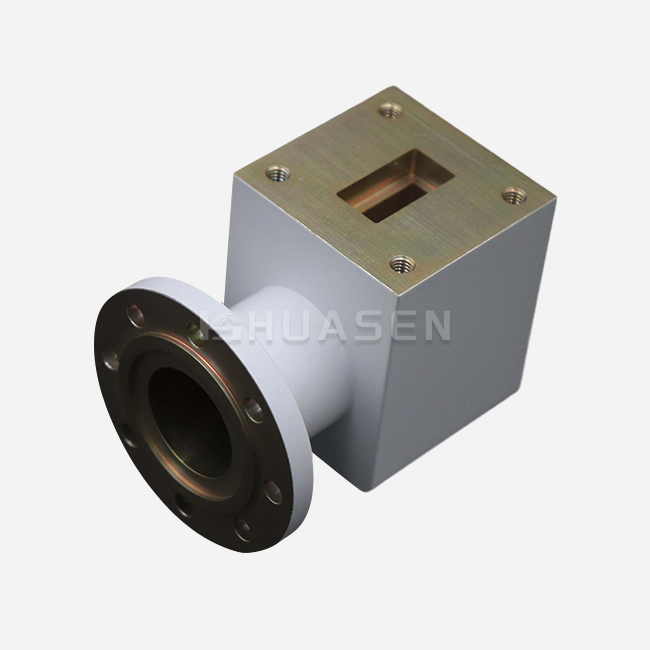
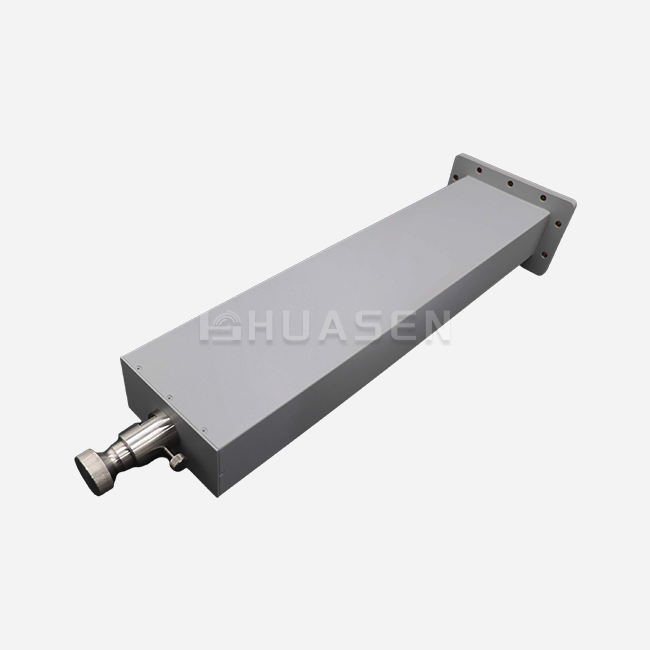
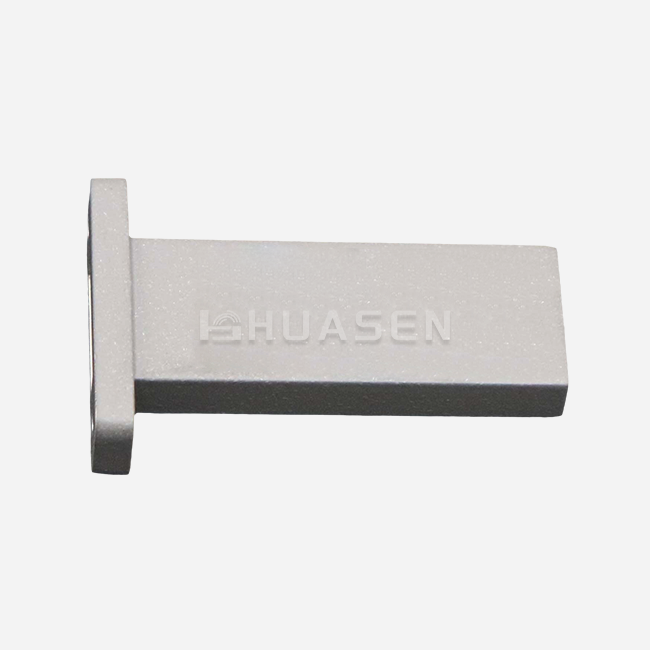
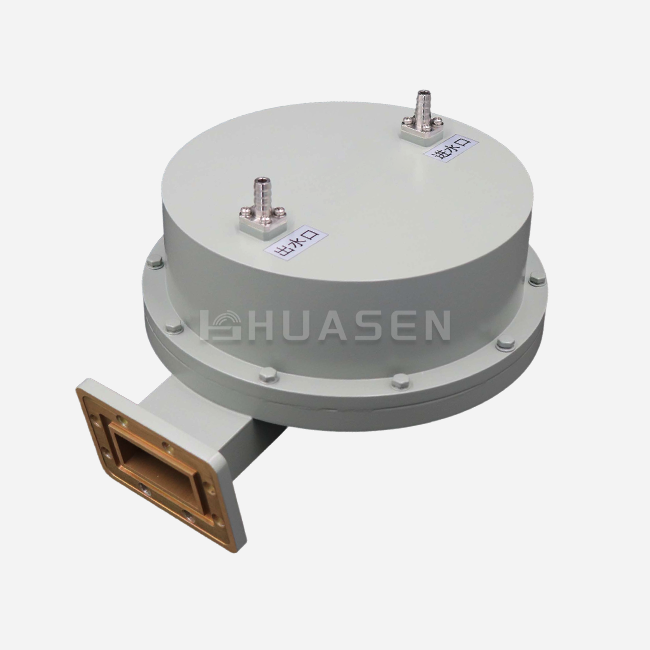
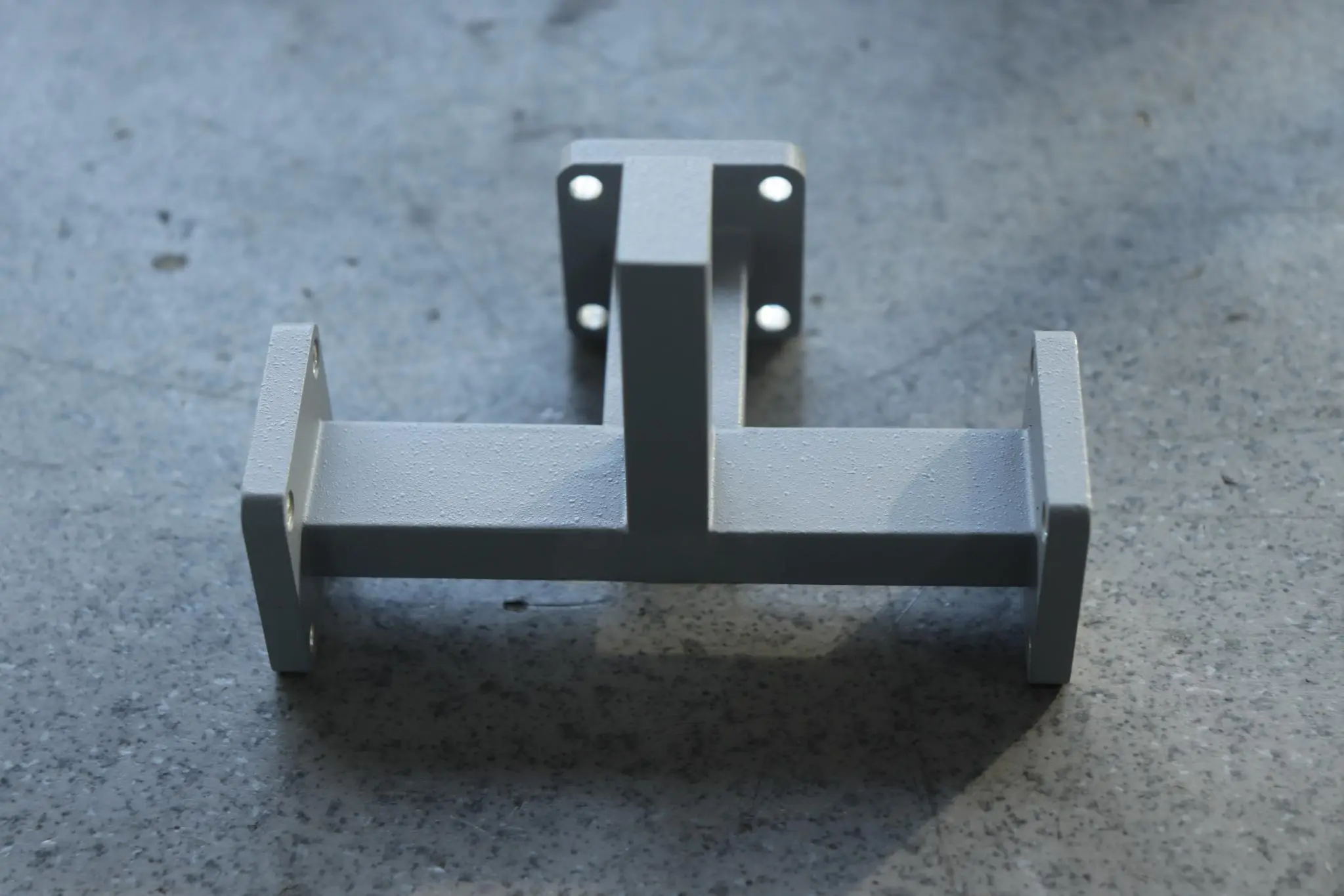
Waveguide power dividers are advanced parts used in microwaves. They split electromagnetic signals while keeping the phase relationships and impedance matching just right. These devices use a range of settings, such as Magic T structures, double-ridge configurations, and specialty coupling mechanisms, to get the best signal distribution across multiple output ports.
Today’s power dividers work with frequencies from 0.32 GHz to 112 GHz and handle standard waveguide sizes from BJ22 to BJ320. The normal working bandwidth stays within 10% of the center frequency. This makes sure that performance stays stable across the range of frequencies where the device is meant to work. The advanced design has I-, U-, X-, Y-, and YU-type setups that are able to meet a variety of installation needs.
Critical Performance Parameters
Applications that use a lot of power need to be able to handle it safely. Quality parts usually handle power levels over 200W and peak power spikes up to 2KW. These standards are very important for base station front-end systems, radar installations, and satellite communication links, where signal integrity has a direct effect on how well the system works.
Transmission efficiency is defined by insertion loss traits. High-quality parts keep signal loss to a minimum. Loss return specs make sure that the impedance is matched correctly so that reflections don't happen, which could hurt the equipment upstream. Phase balance between output ports keeps the signal coherent, which is important for feeding antenna arrays and using coherent radar systems.
Industry Applications Driving Demand
The mobile communications infrastructure is the biggest market area, especially with the rollout of 5G networks and the upcoming 6G networks. Base station makers want huge MIMO antenna systems to have dependable waveguide power divider power delivery. This is increasing the need for broadband parts that can maintain phase stability outstandingly.
Aerospace and defense applications stress the importance of durability and dependability in very harsh circumstances. Military electronic countermeasures, radar systems, and satellite packages rely on parts that keep working in a wide range of temperatures, vibrations, and electromagnetic interference.
Regional Market Analysis: Global Sourcing Landscape
Americas: Innovation and Manufacturing Excellence
The US is number one in developing advanced RF technology, and California, Massachusetts, and Texas host the country's biggest producers. Silicon Valley businesses are great at making new designs for 5G and millimeter-wave uses, but East Coast companies focus on defense and aerospace needs. Canada offers unique skills in satellite transmission and working in very cold temperatures.
American suppliers usually provide a lot of engineering help, quick prototyping, and a wide range of options for customization. However, the prices show that these sources are high-end, which makes them appealing for high-performance uses where technical excellence makes the higher prices reasonable. It usually takes anywhere from 6 to 16 weeks to get something, based on how much it needs to be customized.

Europe: Precision Engineering and Standards Compliance
Germany leads the rest of Europe in manufacturing, and its companies are known for making very precise tools and parts that are reliable in any car. The telecommunications and industrial markets are served by big waveguide power divider RF component makers in the Munich and Stuttgart regions. France adds a lot of knowledge in satellite communications and aerospace uses, especially through businesses that work with ESA.
United Kingdom suppliers specialize in defense applications and advanced materials research. European producers usually stress that they meet strict safety and environmental standards, such as RoHS, REACH, and CE marking rules. This focus on following the rules makes European sources good for global applications that need a lot of different certifications.
Asia-Pacific: Manufacturing Scale and Technological Advancement
Japan continues to lead in materials science and precise manufacturing, with businesses that provide great quality control and creative product designs. Japanese suppliers are very good at making high-frequency parts for 5G networks and radar uses in the automotive industry. South Korea makes important parts for mobile messaging and uses knowledge from top telecom equipment makers.
India is becoming a manufacturing hub with a lot of engineering ability and low prices. Indian suppliers are serving global markets more and more while also building up their own country's space and defense system capabilities. India's "Make in India" program pushes the telecommunications industry to buy more locally.
Middle East and Africa: Strategic Regional Capabilities
The United Arab Emirates and Saudi Arabia build up their strategic skills so they can help with defense and waveguide power divider telecommunications in their own regions. These markets focus on local production and technology transfer, which opens up chances for collaboration with foreign sellers. For the most part, South Africa's mining communications and satellite applications knowledge for remote area connection is used by the country to help with specific issues.
Supplier Categories and Sourcing Channels
Direct Manufacturer Relationships
The most helpful technical support and customization options are offered by established makers. These connections make the newest technologies, engineering know-how, and quality assurance programs available. Manufacturing partners usually ask for higher minimum order amounts, but they provide better technical details and a stable long-term supply.
Direct sourcing makes joint development programs possible, giving customers the power to shape product roadmaps and get access to new inventions in their early stages. This method works for big system integrators and equipment makers who need to keep their supply lines consistent and their technology evolving.
Authorized Distributors and Channel Partners
Regional distributors offer local help, shorter wait times, and the ability to buy smaller amounts. These partners keep inventory buffers so they can respond more quickly when something important comes up. They also offer localized technical support and applications engineering.
Distributor relationships make it easier to get products from different makers, lower prices by combining orders, and make shipping easier. However, the level of technical help may vary, and access to the newest technologies may be slower than working with the manufacturer directly.
B2B Platforms and Electronic Marketplaces
Digital procurement tools make it easier to find more waveguide power divider suppliers and compare prices. These channels are good for normal items and make the specs, prices, and stock clear. But the lack of technical help and the difficulty of quality verification mean that suppliers need to be carefully screened.
Electronic marketplaces are great for standard setups and prototype amounts, but they might not be able to handle complicated changes or specialized uses that need a lot of engineering help.
Quality Verification and Supplier Assessment
Technical Qualification Processes
The first step in a thorough supplier evaluation is to look at technical skills, such as knowledge of design, manufacturing methods, and testing equipment. Quality management systems approval (ISO 9001, AS9100) gives you basic confidence in how processes are controlled and records are kept.
Sample evaluation tools make it possible to test performance against specifications in a hands-on way. Before making a lot of promises, S-parameter measurements, power handling verification, and environmental testing confirm what the seller says and find possible problems.
Supply Chain Reliability Factors
The financial stability assessment makes sure that long-term waveguide power divider supply continuity is in place. This is especially important for projects that need to have consistent parts available for multiple years. When evaluating manufacturing capacity, one must consider both the peak demand situations and the supplier's ability to scale production accordingly.
Geographic risk assessment looks at the problems that might be caused by natural disasters, political unrest, or trade limits. Using different ways to get supplies helps avoid these problems while still meeting technical and quality needs.
Compliance and Certification Requirements
Certifications in different fields of work vary a lot in how they are used. Most of the time, defense applications need to follow military standards (MIL-STD) and get security clearances for suppliers. The FCC, CE, and local governments must approve commercial telephony equipment.
More and more, environmental compliance affects where companies get their materials. Reporting on conflict minerals, REACH, and RoHS have become standard requirements. Vendors that show they are environmentally friendly and sustainable have a better chance of getting ahead of the competition.
Pricing Strategies and Cost Optimization
Cost Structure Analysis
Waveguide parts prices depend on a lot of things, such as the frequency range, power handling needs, how hard it is to make the part fit certain needs, and how many are made. Because it is cheaper for companies to make standard configurations, they usually have better prices. On the other hand, custom designs are more expensive because of the money that has been put into making them.
Prices in different areas represent the costs of making things, the rules that businesses have to follow, and the ways that businesses try to make their products stand out in the market. When it comes to standard goods, Asian suppliers often offer the best prices. On the other hand, European and American suppliers charge more for advanced technologies and full support services.
Volume Procurement Considerations
Suppliers and waveguide power divider product types have very different minimum order quantity standards. Standard goods might ask for small amounts (10 to 50 pieces), but custom designs usually need bigger orders (100 to 1,000 pieces) to make the cost of engineering worth it.
Long-term agreements allow good prices through volume commitments and supply certainty. These plans are especially good for makers of large equipment that need to know how much they'll spend and when they'll have the parts they need for production projects that last more than one year.
Total Cost of Ownership
Unit pricing alone does not give a full picture of cost. Comprehensive cost analysis also takes into account engineering support, qualification fees, logistics costs, and risk factors. Suppliers who offer a lot of technical support may be able to charge more per unit because it takes less time to build the system and it works better.
Quality factors greatly affect the total cost of ownership. High-quality parts may lower the number of field breakdowns, warranty claims, and customer support costs. Improvements in reliability often explain higher upfront costs with savings over the lifetime of the product.
Conclusion
When you successfully find a waveguide power divider source, you must consider the technical needs, what the suppliers can do, and the benefits of each area. America and Europe have the best modern technologies and support, while Asia has large-scale manufacturing and low prices. The Middle East and Africa are areas where new options can be found that will also help the United States in the long run. Quality checks using a detailed source review, a technical evaluation, and a compliance check guarantee the best results. To find the best prices, we need to look at more than just the cost per unit. We also need to think about the cost of ownership and the stability of long-term supply.
FAQ
Q1: What are the highest and lowest frequencies that high-power waveguide power dividers can usually handle?
A: Today's waveguide power dividers work with frequencies from 0.32 GHz to 112 GHz, which covers the range of common waveguide sizes from BJ22 to BJ320. The center frequency is within 10% of the normal working bandwidth. The exact range depends on the needs of the application and how the structure is set up.
Q2: How do different kinds of suppliers' minimum order amounts change?
A: For custom designs, direct manufacturers usually need higher MOQs (100–1,000 pieces), but standard products may have smaller ones (10–50 pieces). Distributors usually accept smaller amounts, but they charge more per unit in that case. B2B sites might sell individual items for prototyping.
Q3: What kinds of certificates should I expect from trustworthy vendors?
A: Good suppliers keep ISO 9001 certification as a minimum standard. For aircraft, though, AS9100 is needed. Defense companies need to meet MIL-STD standards and get the right security clearances. RoHS and REACH compliance are examples of environmental licenses. Approvals that are specific to industries change depending on the case.
Partner with Huasen Microwave for Superior Waveguide Power Divider Solutions
Huasen Microwave Technology is a trusted waveguide power divider maker with 30 years of experience in microwave tech. Our wide range of products includes double-ridge waveguide Magic T power dividers, in-phase power distribution systems, and splitter setups that work across the whole 0.32–112 GHz band from one to many. We meet the tough needs of 5G infrastructure, radar systems, and satellite communications by taking more than 200W of power on average and 2kW at peak.
Our engineering team provides extensive customization support for power splitting ratios, connector specifications, and mechanical configurations tailored to your system requirements. With proven expertise in telecommunications, aerospace, and defense applications, we ensure reliable supply chains and comprehensive technical support throughout your project lifecycle. Experience the advantages of working with an established manufacturer committed to quality, innovation, and customer success. Contact us at sales@huasenmicrowave.com to discuss your specific requirements and discover why industry leaders choose Huasen Microwave for their critical RF applications.
References
1. Smith, J.R., "Advanced Waveguide Power Division Techniques for 5G Infrastructure," IEEE Transactions on Microwave Theory and Techniques, vol. 68, no. 4, pp. 1523-1535, 2020.
2. Anderson, K.L., "High-Power Waveguide Component Design for Radar Applications," Microwave Journal, vol. 63, no. 7, pp. 24-38, 2020.
3. Chen, W., "Global RF Component Supply Chain Analysis: Regional Capabilities and Market Trends," International Journal of Electronics Manufacturing, vol. 29, no. 2, pp. 45-62, 2021.
4. Thompson, M.A., "Quality Assurance in Microwave Component Manufacturing," RF Design Magazine, vol. 44, no. 3, pp. 12-18, 2021.
5. Rodriguez, P.S., "Waveguide Power Divider Applications in Modern Satellite Communications," Satellite Communications Quarterly, vol. 15, no. 4, pp. 78-89, 2020.
6. Kumar, R., "Emerging Markets in RF Component Manufacturing: Asia-Pacific Perspectives," Electronics Supply Chain Report, vol. 12, no. 1, pp. 156-171, 2021.
Send Inquiry