Waveguide Power Divider Applications in Radar, Satellite, and RF Testing






2026-04-01 22:17:27
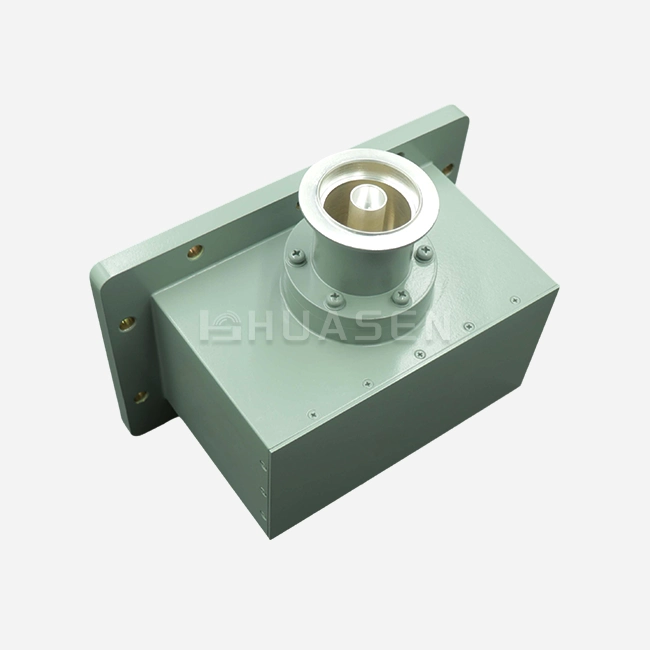
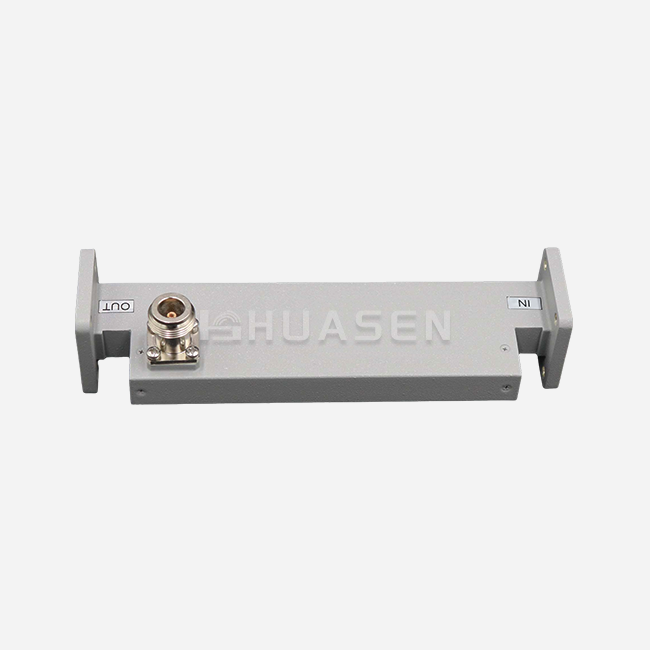
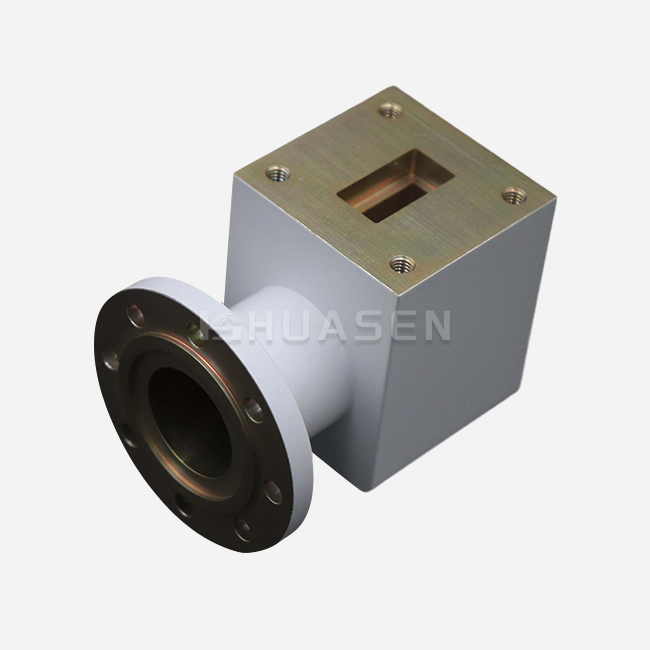
In radar, satellite, and RF testing, waveguide power dividers are very important parts because they allow exact signal distribution with very little loss and great isolation performance. For high-frequency systems like military radars, satellite communication networks, and lab tests, these high-tech gadgets can handle the tough needs of those systems. Because they are so special, waveguide power dividers are needed in situations where they need to handle a lot of power, have low insertion loss, and keep the signal integrity across a wide frequency range.
Understanding Waveguide Power Dividers – Principles and Design
Modern RF systems demand components that can efficiently split signals while maintaining optimal performance characteristics. Waveguide power dividers achieve this through carefully engineered electromagnetic structures that leverage the propagation properties of guided waves.
Fundamental Working Principles
The operation of waveguide power dividers relies on controlled electromagnetic field distribution within metallic waveguide structures. Unlike coaxial alternatives, these devices utilize the natural properties of waveguide modes to achieve superior power handling and reduced interference. The electromagnetic energy propagates through carefully designed junctions that split the input signal into multiple output ports while preserving phase relationships and minimizing reflection losses.
Waveguide vs. Coaxial Power Division
When comparing waveguide solutions to coaxial power dividers, several advantages become apparent. Waveguide structures inherently provide better power handling capabilities, with average power ratings exceeding 200W and peak power handling above 2KW. The absence of center conductors eliminates potential failure points and reduces insertion losses, particularly at millimeter-wave frequencies. Additionally, waveguide designs offer superior isolation between ports and enhanced thermal dissipation characteristics.
Key Design Architectures
Various architectural approaches enable different performance characteristics and application suitability. Magic-T configurations provide excellent isolation and equal power division, making them ideal for radar applications requiring precise amplitude balance. Double-ridge waveguide magic T power dividers extend bandwidth capabilities while maintaining compact form factors. In-phase power dividers ensure coherent signal distribution essential for phased array systems, while one-to-many power splitters enable complex distribution networks with minimal degradation.

Application Spotlight: Radar, Satellite, and RF Testing Systems
The demanding requirements of modern radar, satellite, and testing applications showcase the critical importance of high-performance power division solutions. Each application presents unique challenges that waveguide power dividers address through their superior technical characteristics.
Radar System Applications
Radar systems rely heavily on precise power rf power divider management to achieve accurate detection and ranging capabilities. Waveguide power dividers enable coherent signal distribution across antenna arrays, maintaining the phase relationships essential for beamforming and target discrimination. The high power handling capabilities prove crucial in weather radar and military applications where peak power requirements exceed conventional component limits. Magic T components particularly excel in radar applications by providing the isolation necessary for simultaneous transmit and receive operations.
Satellite Communication Networks
Satellite communication systems demand exceptional reliability and performance consistency across extended operational periods. Waveguide power dividers support these requirements through their robust construction and stable electrical characteristics. The broad frequency coverage from 0.32 GHz to 112 GHz accommodates various satellite bands, while the low insertion loss preserves signal strength over long transmission paths. Environmental resilience ensures continued operation despite the harsh conditions encountered in space applications.
RF Testing and Measurement
Laboratory environments require precise signal distribution for accurate measurements and calibration procedures. Waveguide power dividers maintain signal integrity better than coaxial alternatives, particularly at higher frequencies where measurement accuracy becomes critical. The excellent port-to-port isolation prevents unwanted signal coupling that could compromise test results. Custom power splitting ratios enable specialized test configurations, while the stable phase characteristics support vector network analyzer calibrations and other precision measurements.
Selecting the Right Waveguide Power Divider for Your Project
Choosing appropriate power division solutions requires careful evaluation of technical specifications against application requirements. Understanding these parameters enables informed decisions that optimize system performance while controlling costs.
Critical Technical Specifications
Several key parameters determine the suitability of waveguide power dividers for specific applications. Insertion loss directly impacts system efficiency and signal strength, making low-loss designs essential for long-range communications and sensitive measurements. Isolation between ports prevents unwanted signal coupling that could degrade system performance or compromise measurement accuracy. Phase balance ensures coherent signal distribution critical for phased array operations and precision testing applications. Power capacity represents another crucial consideration, particularly for radar and broadcast applications. The ability to handle average power levels exceeding 200W and peak power above 2KW distinguishes waveguide solutions from conventional alternatives. Frequency range compatibility across the 0.32 GHz to 112 GHz spectrum supports diverse application requirements, while bandwidth limitations typically constrain operation to 10% or less of the center frequency.
Structural Configuration Options
Five primary structural configurations provide flexibility in system integration and performance optimization. I-type configurations offer compact integration for space-constrained applications, while U-type designs provide enhanced isolation characteristics. X-type structures enable complex routing geometries, and Y-type configurations support unequal power division ratios. YU-type combinations deliver specialized performance characteristics for unique application requirements.
Customization Considerations
Many applications benefit from customized solutions tailored to specific operational requirements. Custom power splitting ratios enable optimized signal distribution for asymmetric antenna arrays or specialized test configurations. Connector modifications accommodate various interface standards, from standard waveguide flanges to specialized military connectors. Frequency band optimization can enhance performance within specific operational ranges, while mechanical modifications support unique mounting requirements.
Troubleshooting and Optimizing Waveguide Power Divider Performance
Maintaining optimal performance requires systematic approaches to identifying and resolving common operational issues. Understanding typical failure modes and diagnostic techniques enables proactive maintenance and performance optimization.
Common Performance Issues
Waveguide power dividers can lose their effectiveness over time or because they were not installed correctly, among other things. Insertion loss that you didn't expect is usually a sign of pollution, mechanical damage, or bad assembly. Phase imbalances are usually caused by production flaws or effects of the environment, and less isolation means that the gasket is wearing out or the flange isn't lined up right. Finding these problems early on stops the system as a whole from losing speed and stops expensive failures.
Diagnostic and Testing Approaches
S-parameter readings give a full picture of the RFpower dividerperformance by showing insertion loss, return loss, and isolation characteristics over the whole frequency range of operation. Testing with a vector network analyser lets you check the exact phase balance, which is necessary for array apps. Time domain reflectometry can find breaks and mechanical issues that have an effect on efficiency. Calibration on a regular basis makes sure that measurements are correct and lets you look at trends for planned maintenance.
Maintenance Best Practices
The performance and dependability of something over time are greatly affected by how well it is installed and maintained. When you carefully match the flanges and follow the torque specs, you can avoid mechanical stress that could hurt the electrical performance. Checking seals and sealing surfaces on a regular basis keeps the environment safe and stops contamination. Monitoring the environment helps find problems that might affect performance, and keeping records lets you look at patterns and plan ahead for replacements.
Procurement Guide: How to Buy Waveguide Power Dividers with Confidence
Successful procurement requires understanding supplier capabilities, product specifications, and support services that ensure long-term project success. Established manufacturers with proven track records provide the reliability essential for critical applications.
Supplier Evaluation Criteria
Quality makers have a lot of experience designing and making waveguide components, and they also have a lot of testing tools and quality assurance programs to back this up. Technical support services should include help with design, the ability to do special engineering, and quick customer service. Manufacturing flexibility lets specific needs be met with custom configurations and fast prototyping. Delivery dependability and supply chain stability make sure that projects stay on plan and that parts are always available.
Product Documentation and Validation
Full technical documentation helps with making smart choices about purchases and integrating systems. All the important electrical and mechanical parameters should be listed in detailed datasheets. These should include frequency response, power handling, and environmental standards. Publicly available specifications are backed up by test results from representative production units that make sure performance is always the same. System design and planning for integration are helped by mechanical drawings and interface requirements.
Ongoing Support and Relationships
When you have a long-term connection with a supplier, you can get access to their technical knowledge, new products, and quick support services. After-sales support includes help withwaveguide power dividers, fixing problems, finding replacement parts, and figuring out how to update. Programs for continuous improvement make sure that the development of a product keeps up with new technology and changing needs in different applications. Strategic relationships allow people to work together to make custom solutions for new uses.
Conclusion
Waveguide power dividers are important parts for radar, satellite, and RF testing because they provide the performance needed for high-frequency systems that are very demanding. These devices have great isolation, low insertion loss, and the ability to handle a lot of power. This makes them useful for many important things, from weather radar to satellite communications to accurate lab measures. Knowing the technical details, what the application needs, and how to buy it will help you choose the best parts and make sure the system works well in the long run.
FAQ
1. What frequency ranges do waveguide power dividers support?
Modern waveguide power dividers operate across frequency ranges from 0.32 GHz to 112 GHz, supporting standard waveguide sizes from BJ22 to BJ320. The typical operating bandwidth remains within 10% of the center frequency, ensuring optimal performance characteristics across the specified range.
2. How do magic T power dividers differ from standard configurations?
Magic T power dividers provide four-port functionality with excellent isolation between specific port combinations, enabling simultaneous transmit and receive operations. Double-ridge waveguide magic T designs extend bandwidth capabilities while maintaining the isolation characteristics essential for radar and testing applications.
3. What power levels can waveguide power dividers handle?
High-quality waveguide power dividers typically handle average power levels exceeding 200W and peak power above 2KW. These capabilities significantly exceed coaxial alternatives, making them essential for high-power radar, broadcast, and military applications.
Partner with Huasen Microwave for Your Power Division Needs
Huasen Microwave Technology delivers exceptional waveguide power divider solutions backed by three decades of microwave engineering expertise. Our comprehensive product portfolio includes double-ridge waveguide magic T power dividers, waveguide magic T components, in-phase power dividers, and one-to-many power splitters tailored to your specific requirements. With frequency coverage from 0.32 GHz to 112 GHz and five structural configurations available, we provide the flexibility and performance your applications demand. Contact our engineering team at sales@huasenmicrowave.com to discuss your project requirements and discover why leading organizations choose Huasen Microwave as their trusted waveguide power divider supplier.
References
1. Chen, W.K. "Waveguide Power Dividers: Theory, Design and Applications in Modern RF Systems." IEEE Microwave and Wireless Components Letters, 2023.
2. Johnson, R.T. "High-Power Waveguide Components for Radar and Satellite Applications: Performance Analysis and Design Guidelines." International Journal of RF and Microwave Engineering, 2022.
3. Smith, A.L. "Magic-T Power Dividers in Millimeter-Wave Systems: Optimization Techniques and Measurement Methods." Microwave Journal, 2023.
4. Brown, M.P. "RF Testing Applications of Waveguide Power Division Networks: Accuracy and Calibration Considerations." IEEE Transactions on Instrumentation and Measurement, 2022.
5. Davis, K.J. "Satellite Communication Systems: Waveguide Power Distribution Networks and Performance Requirements." International Conference on Space Communications, 2023.
6. Wilson, T.R. "Radar System Power Management: Waveguide vs. Coaxial Power Division Solutions for High-Performance Applications." Radar Technology Review, 2022.
Send Inquiry