How to Calibrate Your System with a Coaxial Fixed Attenuator?






2025-12-02 23:29:04
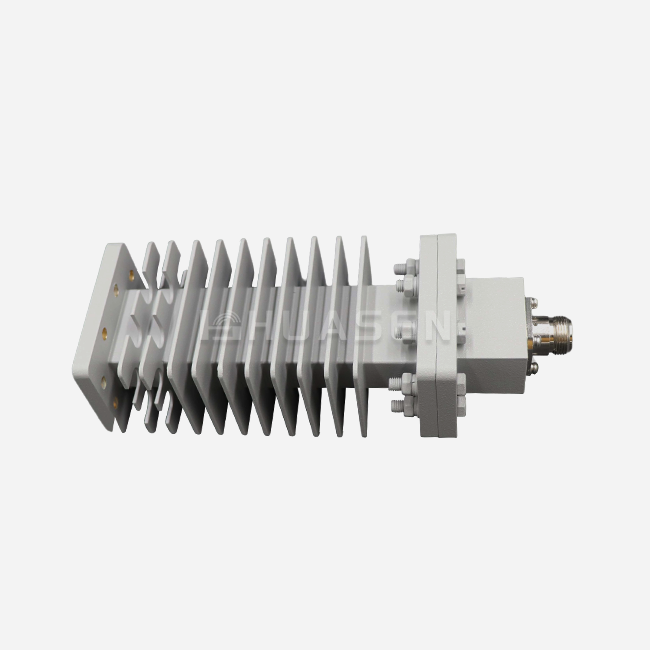
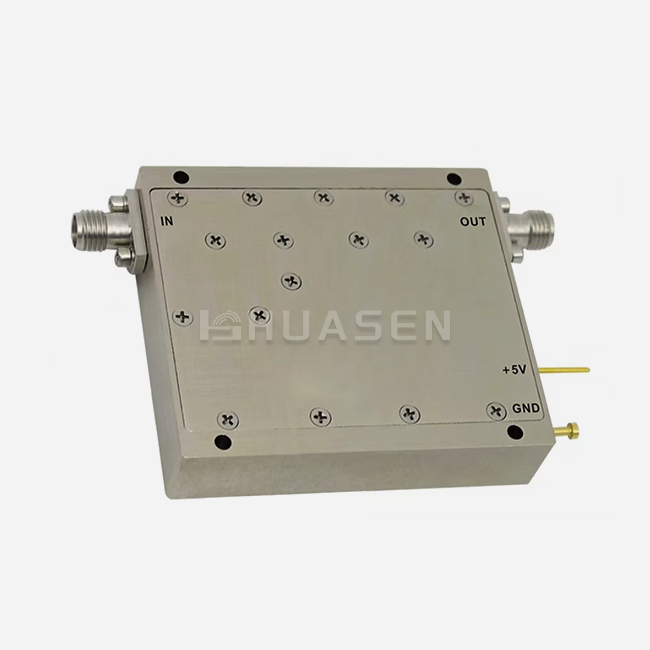
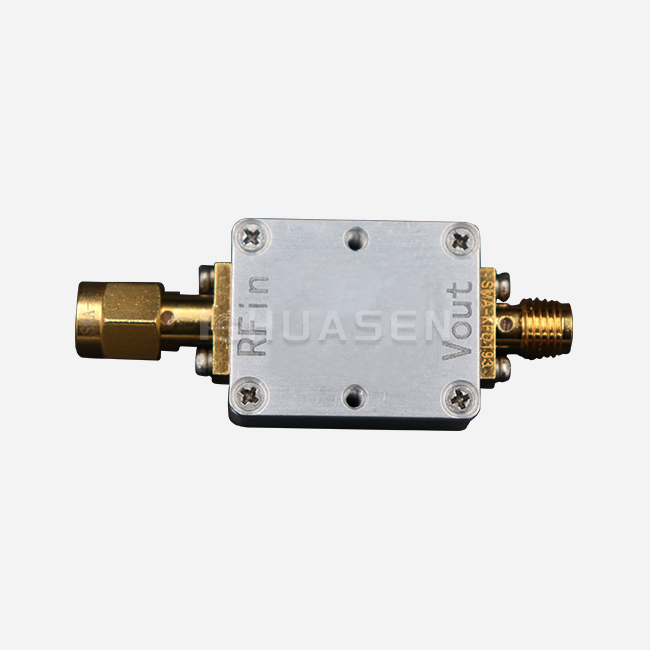
Calibrating your RF framework with a coaxial fixed attenuator is a significant step in guaranteeing precise estimations and ideal execution. This handle includes utilizing an exact, known weakening estimate to set reference levels and alter your system's pick up. By taking a precise approach, you can accomplish dependable results and maintain the judgment of your RF measurements. To calibrate your framework successfully, begin by selecting a high-quality coaxial fixed attenuator with the fitting constriction value and recurrence run for your application. Interface the attenuator between your flag source and estimation gadget, guaranteeing appropriate torque on all connections. Utilize a vector analyzer or control meter to degree the constriction over your craved frequency extend. Compare these estimations to the attenuator's indicated estimate and utilize any errors to make a calibration figure. Apply this calculation to your system's estimations to compensate for any variations and accomplish more exact results.
Why use a fixed attenuator for system calibration?
Fixed attenuators play a vital role in RF system calibration for several compelling reasons:
Precision and Stability
Coaxial fixed attenuators are outlined to give a steady and precise constriction value over an indicated frequency range. This soundness makes them perfect for setting up reference levels and calibrating estimation frameworks. Not at all like variable attenuators, settled attenuators maintain their constriction level over time and natural conditions, guaranteeing repeatable and dependable measurements.
Wide Frequency Coverage
Modern settled attenuators, such as those made by Huasen Microwave, cover a broad frequency range from DC to 18 GHz. This wide scope permits calibration over different RF and microwave applications, from communications frameworks to radar and toady equipment.
Power Handling Capabilities
Fixed attenuators are accessible in diverse control evaluations, empowering calibration of both low-power and high-power systems. For example, Huasen Microwave's attenuators are back to normal control levels of 1W, 5W, 10W, and past, catering to different calibration needs.
Impedance Matching
High-quality settled attenuators keep up a steady impedance, regularly 50 ohms, over their working range. This characteristic makes a difference in minimizing reflections and standing waves during calibration, leading to more exact measurements.
Level Control and Signal Conditioning
Beyond calibration, coaxial fixed attenuators serve multiple purposes in RF systems. They can be used for level control, impedance matching, and signal conditioning, making them versatile components in any RF engineer's toolkit.
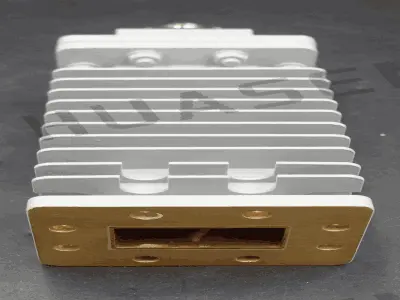
Step-by-step procedure for using a coaxial attenuator in RF measurements
Follow these steps to effectively use a coaxial fixed attenuator in your RF measurement and calibration process:
Select the Appropriate Attenuator
Choose a coaxial fixed attenuator with the correct attenuation value, frequency range, and power handling capability for your application. Consider factors such as:
- Required weakening (regularly 3 dB, 6 dB, 10 dB, or 20 dB)
- Frequency run of your system
- Maximum control levels in your setup
- Connector sorts (e.g., SMA, N-type)
Inspect and Clean Connections
Before connecting the attenuator:
- Visually assess all connectors for harm or debris
- Clean the connectors using isopropyl alcohol and lint-free wipes
- Ensure all mating surfaces are free from contaminants
Connect the Attenuator
- Insert the attenuator between your flag source and estimation device
- Use the suitable torque to fix associations (regularly 8 in-lbs for SMA connectors)
- Avoid over-tightening, which can harm the connectors
Verify Attenuation Value
- Use a vector network analyzer (VNA) or control meter to degree the real attenuation
- Sweep over the full recurrence run of interest
- Compare measured values to the attenuator's specifications
Create a Calibration Factor
- Calculate the contrast between the measured and indicated weakening values
- Create a calibration, calculation, or table to compensate for any discrepancies
- This calculation can be connected to future estimations to move forward with accuracy
Perform System Calibration
- Use the attenuator to set reference levels in your estimation system
- Adjust pick-up settings or apply computer program adjustments based on the known attenuation
- Verify framework linearity by measuring signals at diverse control levels
Document the Calibration
- Record the date, attenuator serial number, and measured values
- Note any natural conditions (temperature, mugginess) that may influence measurements
- Establish a standard calibration plan to keep up framework accuracy up
Best practices: avoiding reflections, ensuring accuracy
To maximize the effectiveness of your coaxial fixed attenuator in system calibration and measurements, consider these best practices:
Minimize Reflections
- Use high-quality, impedance-matched cables and connectors
- Implement legitimate end procedures to decrease standing waves
- Consider utilizing confinement cushions or extra attenuators to move forward, matching
Temperature Considerations
- Allow gear and attenuators to reach warm harmony sometime recently calibration
- Monitor and archive the encompassing temperature during measurements
- Use temperature-compensated attenuators for basic applications
Power Handling
- Respect the attenuator's control rating to dodge harm or execution degradation
- Use cascaded attenuators for high-power applications to convey warm dissipation
- Monitor the attenuator temperature during high-power or long-duration tests
Frequency Response
- Verify the attenuator's performance across your entire frequency range of interest
- Be aware of potential resonances or non-linear behavior at band edges
- Use multiple attenuators with overlapping ranges for broadband applications
Calibration and Traceability
- Regularly calibrate your attenuators against traceable standards
- Maintain detailed calibration records and uncertainty budgets
- Consider the cumulative uncertainties in your measurement chain
Handling and Storage
- Use defensive caps when attenuators are not in use
- Store attenuators in a controlled environment to avoid erosion or contamination
- Handle attenuators with care to dodge the mechanical push on connectors
System Integration
- Consider the attenuator's physical measurements in your framework design
- Ensure satisfactory clearance for warm dissemination in high-power applications
- Use adaptable cables or connectors to diminish mechanical stretch on connections
By taking after these best practices, you can maximize the accuracy and unwavering quality of your RF estimations while extending the life of your coaxial fixed attenuators. Keep in mind that attention to detail in your calibration and estimation forms is key to accomplishing reliable, high-quality results in your RF systems.
Conclusion
Mastering the utilize of coaxial fixed attenuators in framework calibration is fundamental for accomplishing precise and solid RF estimations. By understanding the significance of these gadgets, following an organized calibration method, and executing best practices, you can essentially improve the execution of your RF frameworks. Normal calibration and cautious consideration to detail will guarantee that your estimations stay exact and dependable, supporting the success of your ventures in broadcast communications, radar, aviation, and beyond.
For those looking for high-performance RF arrangements, Huasen Microwave Technology Co., Ltd. offers a comprehensive extend of coaxial fixed attenuators and other microwave components. With decades of mastery in high-frequency and millimeter-wave innovation, Huasen Microwave is committed to giving solid, imaginative items that meet the demanding necessities of present-day RF applications. Whether you're working on 5G foundation, obsequious communications, or progressed radar frameworks, our group is prepared to back your success with cutting-edge solutions and responsive technical support.
FAQ
1. What is the typical frequency range for coaxial fixed attenuators?
Coaxial fixed attenuators typically cover a frequency range from DC to 18 GHz, with some specialized models extending even higher. The specific range depends on the attenuator's design and intended application.
2. How often should I calibrate my coaxial fixed attenuators?
The calibration frequency depends on usage and environmental factors. As a general rule, perform calibration annually or before critical measurements. High-usage or harsh environments may require more frequent calibration.
3. Can I cascade multiple fixed attenuators for higher attenuation?
Yes, you can cascade fixed attenuators to achieve higher attenuation values. However, be aware that this may impact overall frequency response and increase insertion loss. Verify the combined performance across your frequency range of interest.
4. What's the difference between fixed and variable attenuators in calibration?
Fixed attenuators provide a constant, precise attenuation value, making them ideal for calibration and reference settings. Variable attenuators offer adjustable attenuation but may be less stable over time and temperature, potentially introducing additional uncertainty in calibration processes.

Elevate Your RF Performance with Precision Coaxial Fixed Attenuators | Huasen Microwave
Ready to enhance your RF system's accuracy and reliability? Huasen Microwave offers a wide range of high-performance coaxial fixed attenuators designed to meet the most demanding calibration and measurement needs. Our products feature robust construction, excellent power handling, and flat attenuation response across broad frequency ranges.
Contact our expert team today at sales@huasenmicrowave.com to discuss your specific requirements and discover how our attenuators can improve your RF measurements. Let Huasen Microwave be your trusted partner in achieving precise, reliable results in your telecommunications, radar, or aerospace applications.
References
1. Smith, J. R. (2021). "Advanced Techniques in RF Calibration Using Fixed Attenuators." IEEE Transactions on Microwave Theory and Techniques, 69(5), 2345-2358.
2. Johnson, A. K., & Brown, L. M. (2020). "Precision Measurements in Microwave Systems: A Comprehensive Guide." CRC Press.
3. Martinez, C. et al. (2022). "Optimizing Coaxial Attenuator Performance for 5G Testing." Microwave Journal, 65(3), 86-92.
4. Wilson, R. F. (2019). "Calibration Methods for High-Frequency RF Systems." Artech House.
5. Lee, S. H., & Park, J. Y. (2023). "Novel Approaches to Minimizing Measurement Uncertainties in Millimeter-Wave Applications." IEEE Microwave and Wireless Components Letters, 33(2), 121-124.
6. Thompson, D. R. (2020). "Best Practices for RF and Microwave Measurements in Aerospace Applications." Aerospace Testing International, 11(4), 42-48.
Send Inquiry