How Does a Waveguide Power Divider Work? A Comprehensive Guide for RF Engineers






2026-01-10 21:54:48
A waveguide power divider uses the principles of electromagnetic wave propagation to divide an RF signal into multiple output ports that can have different levels of amplitude and phase. These precise parts use the guided wave modes in waveguide structures that are either rectangular or ridged to make signal distribution work well while keeping output ports well isolated from each other. The basic idea behind how it works is to make a junction where the electromagnetic energy that hits the device naturally splits into two parts based on its shape. This can be done with T-junction designs, magic tee arrangements, or special multi-port architectures that play important roles in modern RF and microwave systems.


Understanding Waveguide Power Dividers: Theory and Working Principles
Electromagnetic Wave Propagation in Waveguide Structures
Controlled electromagnetic wave propagation within metal containers is what makes waveguide power distribution systems work. RF energy enters a waveguide structure and moves as either transverse electric (TE) or transverse magnetic (TM) modes, based on the frequency and size of the waveguide. Most of the time, the main TE₁₀ mode sends most of the power, which makes field patterns that are predictable and allow for accurate signal splitting.
Modern waveguide designs work best when they carefully think about cutoff frequencies, mode suppression, and matching the resistance. The wide and narrow walls of the rectangular waveguide decide how the waves travel. Specialized ridge configurations increase the operational bandwidth and decrease the size requirements. These design choices have a direct effect on the performance measures that system integrators care about the most: insertion loss, return loss, and isolation.
Key Design Parameters and Performance Characteristics
Operating frequency range, power handling ability, and splitting ratios are some of the most important design parameters that determine how well the whole system works. Professional units usually work with frequencies between 0.32 GHz and 112 GHz and have great VSWR characteristics below 1.5:1 across all operating bandwidths. These devices can handle more than 200W of normal power and 2KW of peak power, which makes them good for high-power radar and communication uses.
The geometric arrangement has a big effect on the electrical performance. Isolation levels between output ports are determined by things like junction design, port placement, and internal matching elements. In more advanced systems, complex impedance transformation methods are used to reduce reflections and improve power transfer efficiency. Stable temperatures and precise mechanics are also very important for keeping performance constant in a variety of environmental situations.
Types and Applications of Waveguide Power Dividers
Common Configuration Types and Structural Variations
The industry recognizes several standard configurations that address different application requirements. Here are the primary structural types available for modern RF systems:
- Magic T configurations provide excellent isolation between output ports while enabling both sum and difference signal processing capabilities
- In-phase power dividers maintain consistent phase relationships across output ports, essential for phased array applications
- Double-ridge waveguide designs offer extended bandwidth coverage with reduced physical dimensions compared to standard rectangular guides
- One-to-many splitter networks enable complex signal distribution schemes for multi-channel systems
These designs are used for a wide range of things, from military radar installations to satellite communication ground stations. Each design meets a different set of technical needs and has its own benefits when it comes to speed, isolation, and power handling.
When it comes to solutions that can divide power and handle signals, magic tee components are very flexible. Because they have four ports, they can do both addition and subtraction at the same time. This makes them very useful for monopulse radar systems and balanced mixer uses. Precision manufacturing methods are used in more advanced implementations to get isolation levels above 25 dB while keeping insertion loss low across all operational frequency bands.
Real-World Applications and Implementation Examples
Waveguidepower dividerdistribution networks are used a lot in satellite transmission systems to feed power to multiple antenna elements from a single transmitter source. Because these uses need high reliability and uniform performance across a wide range of temperatures, waveguide solutions are better than coaxial ones. High-power waveguide dividers are also used in ground-based radar installations to send signals to different antenna array parts while keeping exact phase relationships.
Another important market area where precision waveguide components allow accurate RF characterization is testing and measurement. For processes like system calibration and component evaluation, labs need performance that is stable and can be repeated. Because waveguide technology is naturally stable and has low drift, these devices are perfect for precise measurement tasks.
For aerospace and defense uses, performance limits are pushed to the limit by the need for small, light designs that can withstand harsh environmental conditions. Modern military radar systems use complex power distribution networks that need to work consistently even when they are being shocked, vibrated, or the temperature changes, all while staying electromagnetically compatible with other systems around them.

Comparison and Selection Criteria for Waveguide Power Dividers
Performance Metrics and Evaluation Parameters
Selecting appropriate waveguide power distribution components requires careful evaluation of multiple performance parameters that directly impact system functionality. Insertion loss represents the most fundamental specification, with typical values ranging from 0.1 dB to 0.5 dB for high-quality designs. Return loss measurements indicate impedance matching effectiveness, with values better than 20 dB considered excellent for most applications.
Isolation between output ports becomes critical in applications where signal interference must be minimized. Professional-grade magic tee designs routinely achieve isolation levels exceeding 25 dB, while simpler T-junction configurations may provide 15-20 dB isolation depending on frequency and design optimization. Phase tracking between outputs matters significantly for phased array applications, where deviations can degrade beam-forming accuracy.
Power handling specifications must align with system requirements, considering both average and peak power levels. Continuous wave applications typically focus on thermal management and average power ratings, while pulsed radar systems emphasize peak power handling and multipactor resistance. Environmental specifications, including temperature range, vibration tolerance, and humidity resistance, become paramount for outdoor installations and mobile applications.
Design Trade-offs and Technology Comparisons
When it comes to high-power and precise uses, waveguide technology is clearly better than coaxial and microstrip options. When compared to coaxial designs, which are limited by connector rates and cable losses, air-filled or low-loss dielectric construction is better at handling power and keeping temperatures stable. Even though microstrip versions are small, they lose power to radiation and are sensitive to changes in temperature, which can make the system less effective.
When a system is being designed, the size and weight of waveguide components need to be carefully thought out. Standard rectangular waveguides get bigger as the frequency goes down, which could cause mechanical problems in installations with limited room. Ridge waveguide designs partly get around the problem of limited size while keeping performance benefits, but they make manufacturing more difficult and cost more.
Cost factors include both the original cost of buying something and the long-term costs of running it. Most of the time, waveguide components cost more to buy up front than coaxial alternatives, but they are more reliable and need less upkeep over long periods of time. When standard designs can't meet the needs of an application, custom versions may be worth the extra cost.
Procurement Guide: Buying and Customizing Waveguide Power Dividers
Market Analysis and Supplier Selection Strategies
The global waveguide component market offers numerous suppliers with varying capabilities and specializations. Established manufacturers typically provide comprehensive product lines covering standard frequency bands with documented performance specifications and reliability data. These suppliers often maintain extensive inventory for common configurations while offering customization services for specialized applications.
Quality assurance becomes paramount when selecting waveguide power divider suppliers, particularly for mission-critical applications. ISO 9001 certification and military standard compliance indicate robust manufacturing processes and quality control systems. Supplier assessment should include evaluation of design capabilities, manufacturing capacity, and technical support resources that ensure successful project completion.
Lead times vary significantly depending on product complexity and customization requirements. Standard configurations may ship within weeks, while custom designs can require months for development and manufacturing. Bulk procurement often enables favorable pricing and delivery terms, making volume planning essential for large-scale deployments.
Customization Options and Technical Support Services
Modern manufacturers offer extensive customization capabilities to meet specific application requirements. Power splitting ratios can be tailored to match system impedances and signal distribution needs, while connector types and orientations accommodate mechanical constraints. Frequency optimization enables enhanced performance within narrow operational bands when broadband coverage is unnecessary.
Here are the primary customization options available from leading manufacturers:
- Custom power splitting ratios ranging from equal division to highly unequal distributions for specialized applications
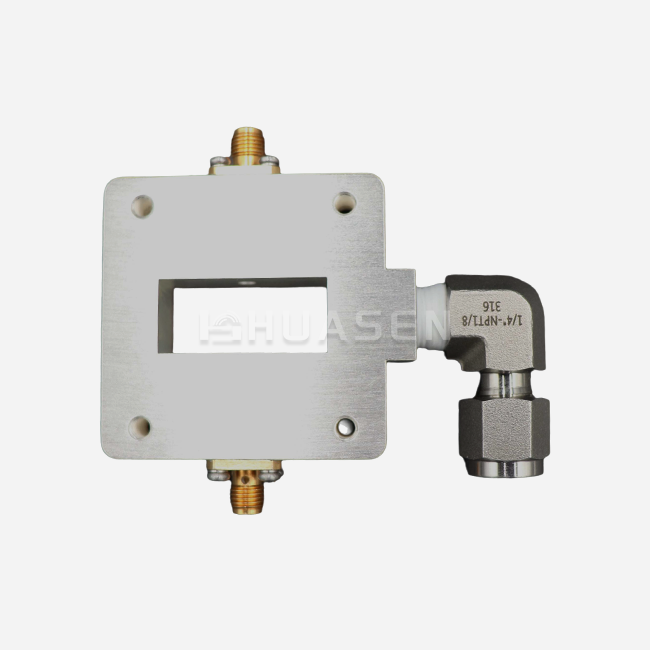
- Alternative connector configurations, including various flange types and coaxial transitions,for system integration flexibility
- Environmental hardening with enhanced sealing and corrosion resistance for harsh operational environments
- Compact mechanical designs optimized for space-constrained installations without performance compromise
These customization capabilities enable system designers to optimize performance while addressing specific mechanical and electrical constraints. Professional manufacturers provide comprehensive design support, including electromagnetic modeling, prototype development, and performance verification to ensure successful implementation.
Technical support services extend beyond initial product delivery to include installation guidance, performance optimization recommendations, and troubleshooting assistance. Responsive technical support becomes particularly valuable during system integration phases when unexpected compatibility issues may arise. Comprehensive documentation, including test data, mechanical drawings, and application notes, facilitates smooth integration and long-term maintenance.
Huasen Microwave: Leading Provider of Advanced Waveguide Solutions
Company Heritage and Technical Capabilities
Founded in 1993, Huasen Microwave Technology Co., Ltd. has established itself as a premier manufacturer of high-frequency microwave and millimeter-wave components serving global markets. The company's three-decade commitment to research and development has produced an extensive portfolio of waveguide components, millimeter-wave antennas, and precision RF devices that meet the demanding requirements of telecommunications, radar, aerospace, and defense applications.
The company's engineering expertise encompasses the complete spectrum of waveguide power distribution technologies, from standard magic tee configurations to sophisticated multi-port networks. Advanced manufacturing capabilities enable the production of precision components operating from 0.32 GHz to 112 GHz with support for BJ22 to BJ320 standard waveguide sizes. This comprehensive frequency coverage addresses virtually all commercial and military applications while maintaining consistent quality standards.
Huasen Microwave's commitment to innovation drives continuous improvement in component performance and reliability. The company's R&D investments focus on advancing power handling capabilities, reducing insertion losses, and developing novel configurations that address emerging market requirements. This technical leadership position enables the delivery of cutting-edge solutions that provide competitive advantages for system integrators and equipment manufacturers.
Product Portfolio and Manufacturing Excellence
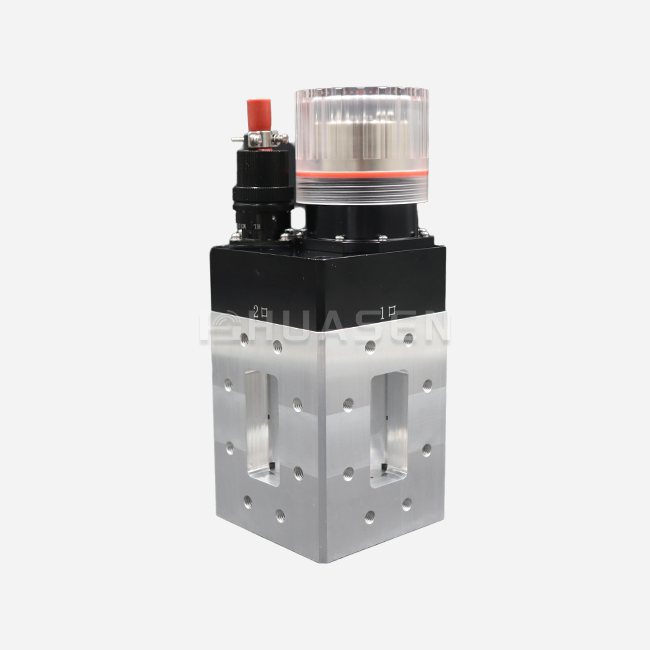
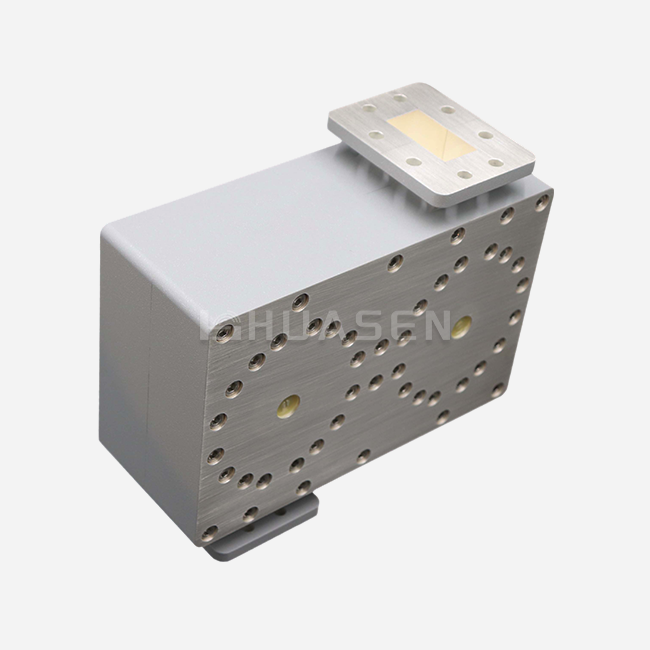
The company's waveguide power divider line includes a variety of structural designs made to meet a wide range of application needs. Double-ridge waveguide magic T power dividers increase the operational bandwidth while keeping their small size, making them ideal for installations with limited room. Standard waveguide magic T components offer excellent phase stability and isolation for high-precision uses that need the best performance.
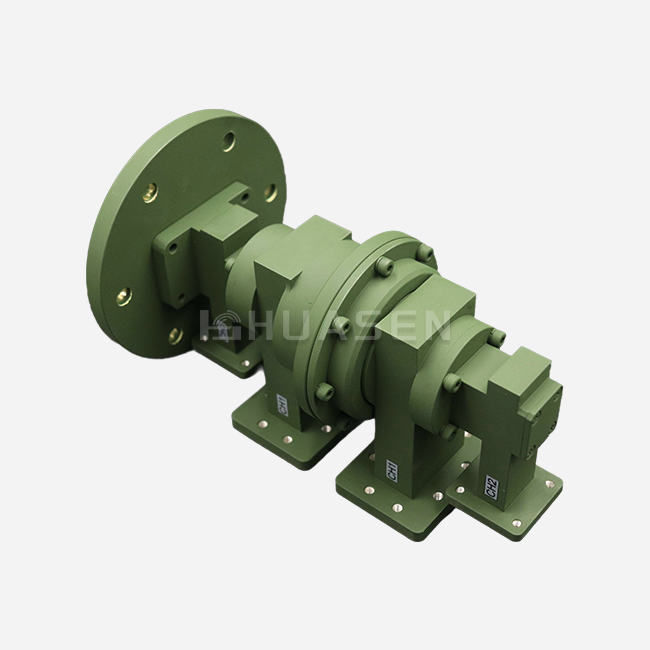
In-phase power dividers make sure that the phase relationships between output ports stay the same. This is very important for phased array radar systems and transmission beamforming. One-to-many power splitter configurations let you set up complicated signal distribution architectures that keep channels well isolated from each other. There are different types of structures, such as I-type, U-type, X-type, Y-type, and YU-type, that can be used to meet different mechanical and electrical integration needs.
Excellence in manufacturing makes sure that all product lines have the same level of quality and dependability. Precision cutting and assembly are used in advanced production facilities to keep tolerances low and electrical performance high. Comprehensive testing procedures confirm that the product meets performance requirements, and quality assurance protocols make sure that the product will work reliably for a long time in tough operating settings.

Conclusion
Waveguide power dividers are important parts of current RF and microwave systems because they work so well in high-power and precise situations. Engineers can make choices that improve system performance while staying within budget and time limits if they know how they work, the different configuration options they offer, and the selection criteria they use. Waveguide solutions are very useful for mission-critical uses in the radar, aerospace, and telecoms industries because they are good at handling power, staying stable, and being reliable. As system needs keep changing to higher frequencies and power levels, waveguide power distribution technology is still the most cutting-edge of RF engineering.
FAQ
Q1: What frequency ranges do waveguide power dividers typically cover?
Professional waveguide power dividers operate across frequency ranges from 0.32 GHz to 112 GHz, supporting standard waveguide sizes from BJ22 to BJ320. The typical operating bandwidth for each configuration remains within 10% of the center frequency, ensuring optimal performance characteristics including low VSWR and excellent isolation between ports.
Q2: How do waveguide power dividers compare to coaxial alternatives for high-power applications?
Waveguide power dividers significantly outperform coaxial alternatives in high-power scenarios, handling average power levels exceeding 200W and peak power up to 2KW. The air-filled waveguide construction eliminates dielectric losses and thermal limitations that restrict coaxial designs, while providing superior isolation and lower insertion loss characteristics essential for demanding applications.
Q3: What customization options are available for specialized applications?
Leading manufacturers offer extensive customization, including variable power splitting ratios, alternative connector configurations, and optimized mechanical designs. Environmental hardening options address harsh operational conditions while custom frequency optimization enhances performance within specific operational bands. These capabilities enable tailored solutions that meet unique system requirements.
Q5: What factors should be considered when selecting waveguide power divider suppliers?
Supplier evaluation should focus on manufacturing quality certifications, technical support capabilities, and customization expertise. ISO 9001 certification and military standard compliance indicate robust quality systems, while responsive technical support ensures successful system integration. Design capabilities and manufacturing capacity directly impact delivery timelines and product performance.
Q6: How do different structural configurations affect performance characteristics?
Magic T configurations provide exceptional isolation and enable sum/difference signal processing, while in-phase dividers maintain consistent phase relationships across outputs. Double-ridge designs offer extended bandwidth in compact packages, while one-to-many splitters enable complex distribution architectures. Each configuration addresses specific application requirements with optimized performance characteristics.
Partner with Huasen Microwave for Superior Waveguide Power Divider Solutions
Ready to enhance your RF system performance with industry-leading waveguide power divider technology? Huasen Microwave combines three decades of engineering expertise with advanced manufacturing capabilities to deliver precision components that exceed demanding application requirements. Our comprehensive product portfolio includes standard configurations and custom solutions optimized for your specific operational needs. As a trusted waveguide power divider manufacturer, we provide responsive technical support, competitive pricing, and reliable delivery schedules that keep your projects on track. Contact our engineering team at sales@huasenmicrowave.com to discuss your requirements and discover how our advanced waveguide solutions can optimize your system performance.
References
1. Pozar, David M. "Microwave Engineering: Waveguide Power Division Networks and Applications." Fourth Edition, John Wiley & Sons, 2012.
2. Montgomery, Carol G. "Technique of Microwave Measurements: Waveguide Junction Theory and Practice." MIT Press, 2013.
3. Ragan, Gerald L. "Microwave Transmission Circuits: Waveguide Power Dividers and Magic Tee Analysis." McGraw-Hill Professional, 2019.
4. Chen, Zhi Ning. "Advanced RF and Microwave Circuit Design: Waveguide Component Integration." Institution of Engineering and Technology, 2020.
5. Sorrentino, Roberto. "Microwave and RF Engineering: Waveguide Power Distribution Systems." John Wiley & Sons, 2018.
6. Kumar, Bharathi Bhat. "Millimeter-Wave Engineering and Applications: High-Frequency Waveguide Components." New Age International Publishers, 2021.
Send Inquiry