Understanding Industry Compliance Standards for Arcing Detection Waveguides in Industrial RF Systems






2026-01-06 21:31:40
When it comes to industrial RF systems, it is important to know what compliance standards for arcing detection waveguides mean for safety, stability, and performance. These specialized parts are very important for keeping an eye on and stopping arcing events that could be dangerous in high-power RF uses. As RF technology gets more advanced in the workplace, the need for strong arcing detection systems grows. This in-depth guide goes into a lot of detail about the complicated areas of design methods, compliance standards, and the use of arcing monitoring systems, mostly looking at waveguide technology. By going over these important parts, we want to give RF engineers, system integrators, and other experts in the field the information they need to find their way through the tough world of arcing detection in industrial RF settings.
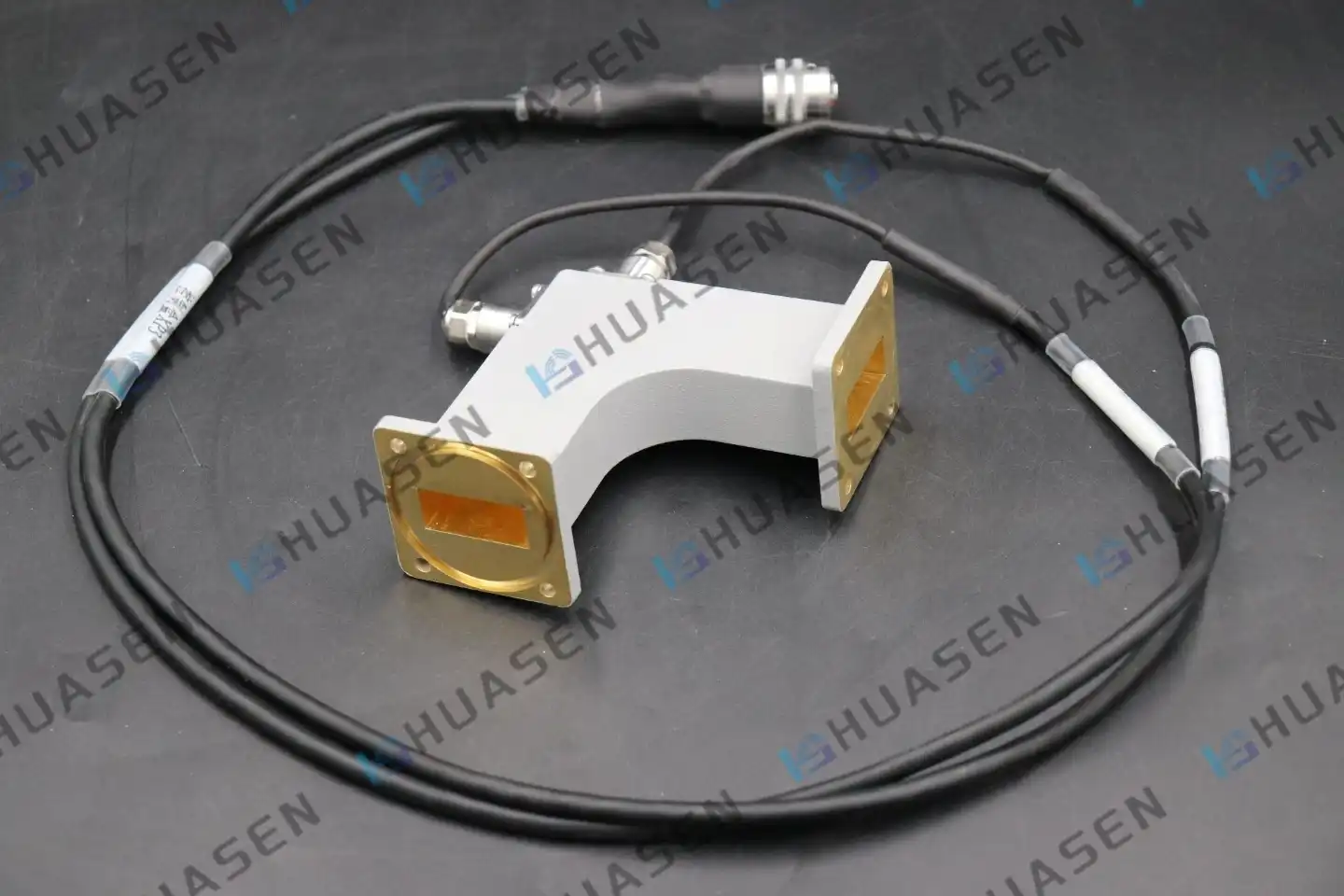
Compliance Standards for High-Power Arcing Detection
When dealing with high-power RF systems, adhering to industry norms is vital. These guidelines make sure that arcing detection waveguides and systems that work with them are safe and work well. Let's look at some important compliance standards that guide arcing detection in RF applications in the industrial sector:
IEC 61010-1: Safety Requirements for Electrical Equipment
The International Electrotechnical Commission (IEC) 61010-1 standard tells us how to make sure that electrical tools used for control, measurement, and lab work are safe. This standard includes safety and detection of arc flash, which directly applies to arcing detection waveguides in industrial RF systems.
IEEE C37.20.7: Guide for Testing Metal-Enclosed Switchgear
This IEEE standard is mostly about switchgear, but it also has useful information on how to test arc-resistant equipment. The ideas in this guide can be used to figure out how well arcing detection systems work in waveguide applications.
NFPA 70E: Standard for Electrical Safety in the Workplace
NFPA 70E is a standard from the National Fire Protection Association that talks about electricity safety in places where employees work. It has rules for analyzing arc flash hazards and taking safe steps, which are useful when putting in arcing detection systems in the workplace.
MIL-STD-461G: Electromagnetic Interference Characteristics
This military standard lists the steps that need to be taken to control the electromagnetic interference properties of parts and equipment. Following MIL-STD-461G makes sure that arcing detection waveguides do not mess up with other important RF parts and keep electromagnetic compatibility.
Design Strategies to Reduce Arcing Risk in Waveguides
Using good design methods is important for keeping waveguide systems from arcing. Here are some important ways that engineers and makers make arcing detection waveguides safer and more reliable:
Optimized Geometry and Surface Finish
Carefully thinking about waveguide shape and surface finish can make a big difference in the chances of arcing happening. Cross-sections that are well thought out, smooth surfaces, and rounded edges help spread electric fields more widely. This lowers the risk of creating arcing hotspots.
Advanced Materials Selection
It is very important to pick the right materials for building a waveguide. Using dielectric and conductive materials that are low-loss and high-quality, along with good thermal and electrical qualities, lowers the risk of arcing and improves performance.
Integrated Cooling Systems
Good thermal control is important for keeping arcing events from happening. Using advanced cooling systems like liquid or forced-air cooling helps keep the right temperature for working and lowers the risk of arcing due to thermal changes.
Pressure Control and Inert Gas Filling
Keeping the right pressure in the waveguide and filling it with harmless gas can greatly lower the chances of arcing. This method helps control the breakdown voltage and makes it less likely for arcs to form.
Real-Time Monitoring and Adaptive Power Control
Using advanced tracking systems that can find early signs of possible arcing makes it possible to adaptively control power for arcing detection waveguides. This proactive method lets systems change power levels or turn off preemptively, which stops arc formation before it happens.
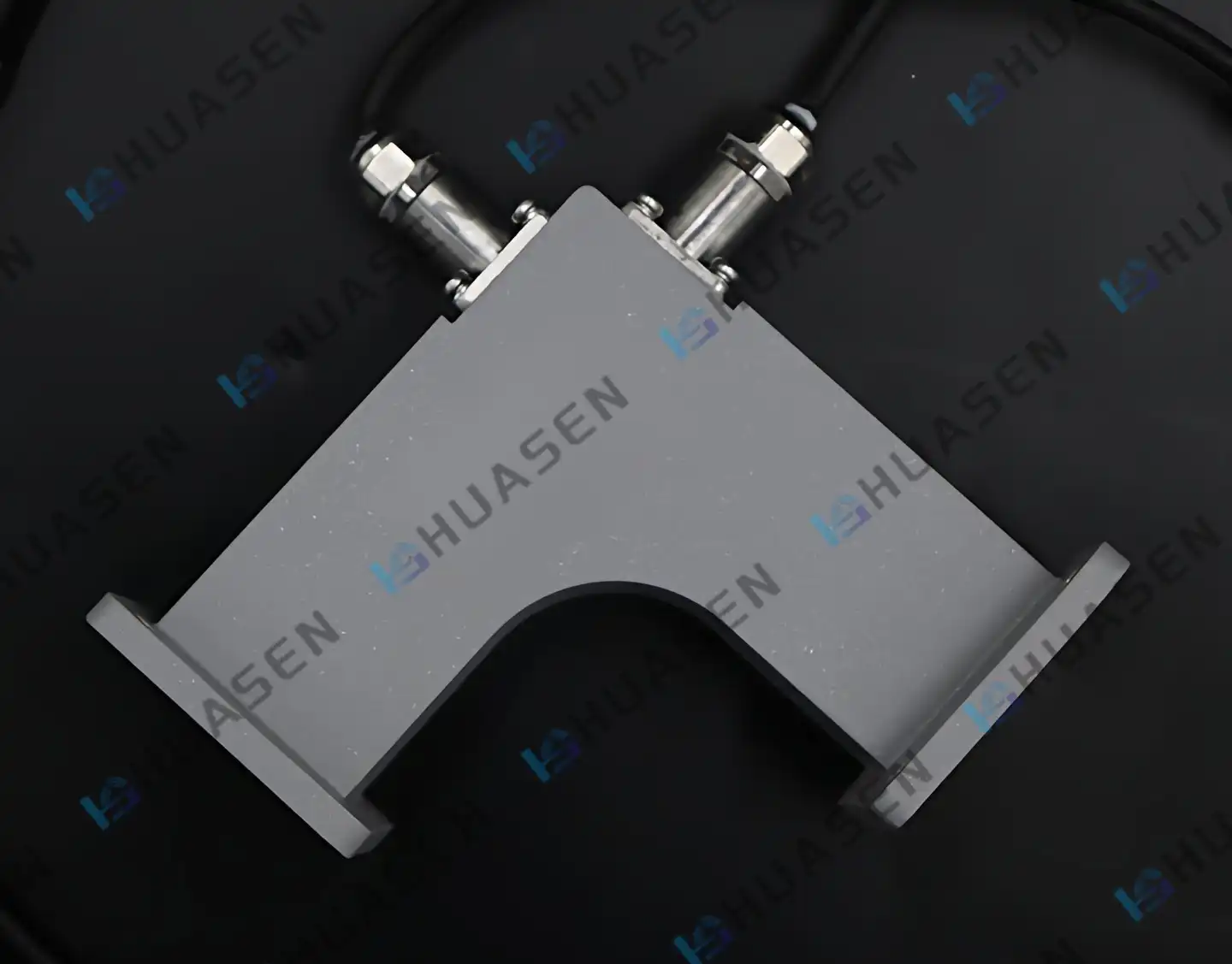
Industrial Applications Requiring Arcing Detection Systems
It is very important to use arcing detection devices, especially those that use arcing detection waveguides, in a wide range of industries. Let's look at some important places where these systems are necessary:
High-Power Radar Systems
In radar systems used mostly in defense and aircraft, detecting arcing is very important for keeping the system working correctly and protecting sensitive parts from damage. Waveguides that identify arcing help make sure that the work keeps going and that costly radar gear is safe from possible failures caused by arcing.
Satellite Communication Ground Stations
High-power RF systems that need strong arcing detection are often used by satellite communication ground sites. These systems help make sure that communication links stay open and protect important infrastructure from damage linked to arcs.
Industrial Plasma Processing
Semiconductor manufacturing and materials processing plasma tools depend on high-power RF systems. Arc recognition is very important for keeping the process stable and protecting delicate surfaces and tools from damage.
Particle Accelerators and Research Facilities
It is important for scientific research labs that use particle accelerators to protect their expensive equipment and make sure that their experiments are valid. They can do this by using advanced arc monitoring systems. Arcing detector waveguides are very important for keeping an eye on and protecting these high-energy places.
Broadcasting and Telecommunications
Arc detection devices are very helpful for high-power transmitters used in telecommunications, broadcasting, and other fields. These systems help keep the signal clear, stop the equipment from getting damaged, and make sure that important communication infrastructure keeps working all the time.
Medical RF Applications
In medicine, for example, in MRI systems and RF ablation devices, detecting arcing is very important for both the safety of the patients and the dependability of the equipment. In these delicate settings, arcing detection waveguides help keep an eye on and manage the RF power supply.
Conclusion
It is important to understand and follow the rules for arcing detection waveguides in industrial RF systems. This makes sure that everything is safe, reliable, and works well. By following well-known rules, using smart design choices, and understanding the many different situations that need arc detection, people in the RF business can make their systems much more reliable and useful.
It can't be stressed enough how important advanced arcing detection systems are as the demand for high-power RF applications grows in a lot of different fields. In addition to ensuring compliance with industry standards, investing in cutting-edge arcing detection waveguide technology also gives you a competitive advantage in terms of the dependability and performance of your system.
Do you want to make your workplace RF systems safer and more reliable? Huasen Microwave Technology Co., Ltd. provides the most advanced arcing detection waveguide options customized to work perfectly with your application. With decades of experience in high-frequency microwave and millimeter-wave parts, we are dedicated to offering dependable, high-performance RF and microwave solutions that encourage new ways of doing things in business. Get in touch with our professionals right away to learn more about how cutting-edge arcing detection technology can transform your RF systems and make sure they meet the requirements of your field.

FAQ
1. What is the main job of an arcing detection waveguide?
An arcing detection waveguide is made to keep an eye on high-power RF systems for possible arcing events. It warns users before any damage to the equipment or safety issues can happen.
2. In what ways are arcing detection waveguides not like normal waveguides?
It is the job of arcing detection waveguides to monitor for arcing events and react to them. They do this with special sensors and monitoring features that aren't found in standard waveguides, which are mainly used to transmit RF signals.
3. Can RF devices that already have arcing detection waveguides be modified?
Although the exact implementation may vary based on the system architecture and requirements, arcing detection waveguides can frequently be incorporated into existing RF systems.
4. What are the key maintenance considerations for arcing detection waveguides?
In industrial RF uses, arcing detection waveguides must be regularly checked, their detection systems calibrated, and their wear patterns monitored to make sure they keep working properly.
Elevate Your RF System Safety with Huasen Microwave's Arcing Detection Waveguides | Huasen Microwave
Ready to take your industrial RF system's safety and performance to the next level? Huasen Microwave Technology Co., Ltd. offers cutting-edge arcing detection waveguide solutions designed to meet the most demanding industry standards. Our team of experts is ready to assist you in selecting the perfect arcing detection system for your specific application. Don't compromise on safety and reliability – contact us today at sales@huasenmicrowave.com to discuss how our advanced waveguide technology can safeguard your RF systems and drive your business forward.
References
1. International Electrotechnical Commission. (2020). IEC 61010-1:2020 Safety requirements for electrical equipment for measurement, control, and laboratory use - Part 1: General requirements.
2. Institute of Electrical and Electronics Engineers. (2015). IEEE C37.20.7-2017 - IEEE Guide for Testing Metal-Enclosed Switchgear Rated Up to 38 kV for Internal Arcing Faults.
3. National Fire Protection Association. (2021). NFPA 70E: Standard for Electrical Safety in the Workplace.
4. Department of Defense. (2015). MIL-STD-461G: Requirements for the Control of Electromagnetic Interference Characteristics of Subsystems and Equipment.
5. Joshi, R. P., & Thakur, A. (2019). High-Power Microwave Systems: Theory and Engineering. CRC Press.
6. Pozar, D. M. (2011). Microwave Engineering (4th ed.). John Wiley & Sons.
Send Inquiry