Troubleshooting Electric Waveguide Switch Failures in Industrial RF






2026-03-11 21:46:16
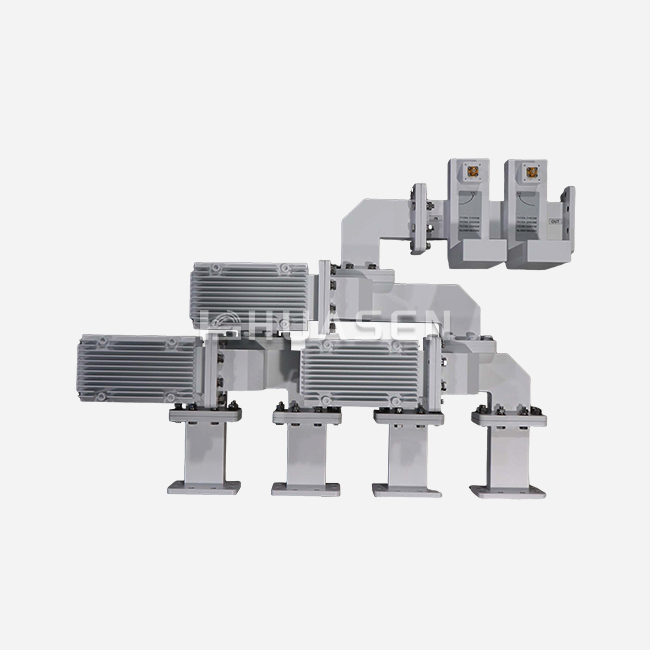
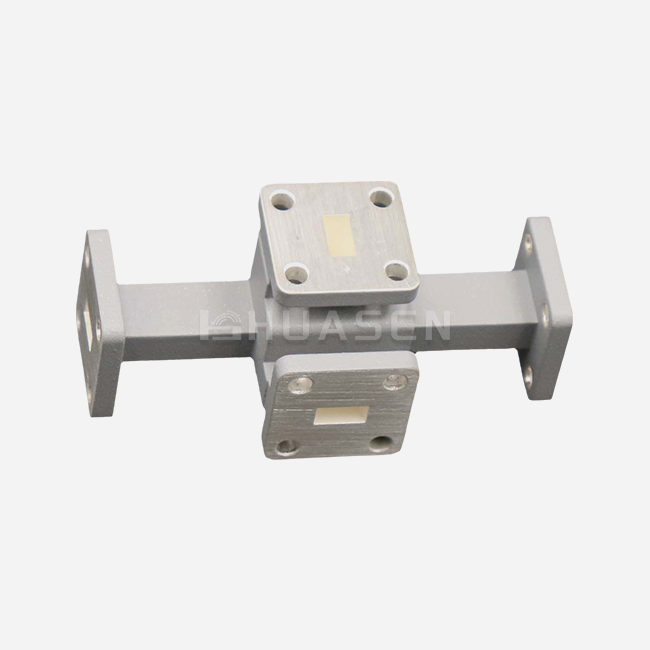
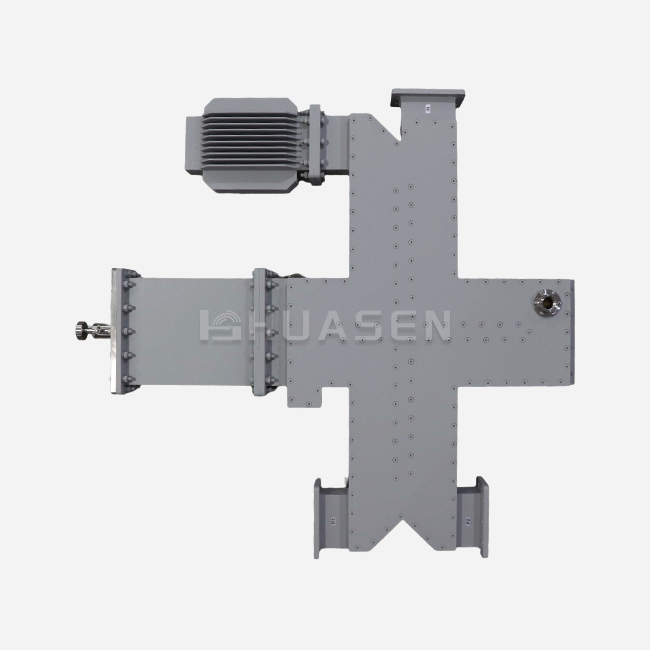
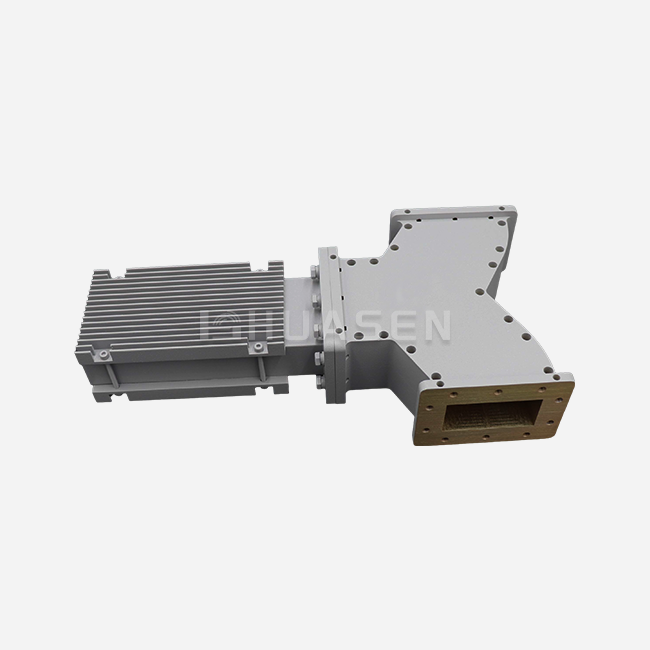
When signals in industrial RF systems get weaker or communication stops completely, it's usually the waveguide switch parts that are to blame. Modern radar systems, satellite communications, and telecoms facilities are all built on these important parts. It is important to know how to find, analyze, and fix waveguide switch problems in mission-critical applications to keep operations running smoothly. Because these high-frequency parts are so complicated, they need structured troubleshooting methods that combine scientific knowledge with real-world experience to get the system working again quickly.
Understanding Common Waveguide Switch Failures in Industrial RF
RF switching systems depend on the performance of individual waveguide components, which can fail in a number of ways that threaten the stability of the whole system. One of the most common problems is signal degradation, which can show up as higher insertion loss, higher return loss, or unwanted signal echoes that lower the quality of contact. These signs usually mean that an internal part is breaking down or that the switching system is getting dirty.
Primary Failure Modes in RF Switching Systems
Waveguide switch problems are primarily caused by mechanical breakdowns, especially in devices with moving parts. If the actuator doesn't work right, it can't choose the right channel, and if the internal contacts wear out, they can break links and cause signals to be inconsistent. A lot of the time, environmental factors like wetness getting in, changing temperatures, and acidic atmospheres speed up the breakdown of materials. Electrical problems show up in different ways, but they are all bad for how the system works. When there are problems with the control system, you can't switch things from afar, and when there are problems with the power source, it can damage sensitive internal parts. Creating an arc inside the waveguide structure damages it permanently, so parts need to be replaced instead of just being fixed.
Environmental Impact on Component Longevity
The operating conditions have a big effect on how long radio switching components last and how reliable they are. When the relative humidity is above 85%, condensation can happen, which can damage dielectric materials and cause metal surfaces to rust. Extreme temperatures cause periods of thermal expansion and contraction that put stress on solder and mechanical parts. Vibration and shock loads from nearby machines or the surroundings can throw internal parts out of alignment and loosen important connections. Salt spray areas, which are common in marine settings, speed up the corrosion process and call for stronger safety measures. Knowing about these environmental factors helps buying teams set the right amounts of safety and repair intervals.
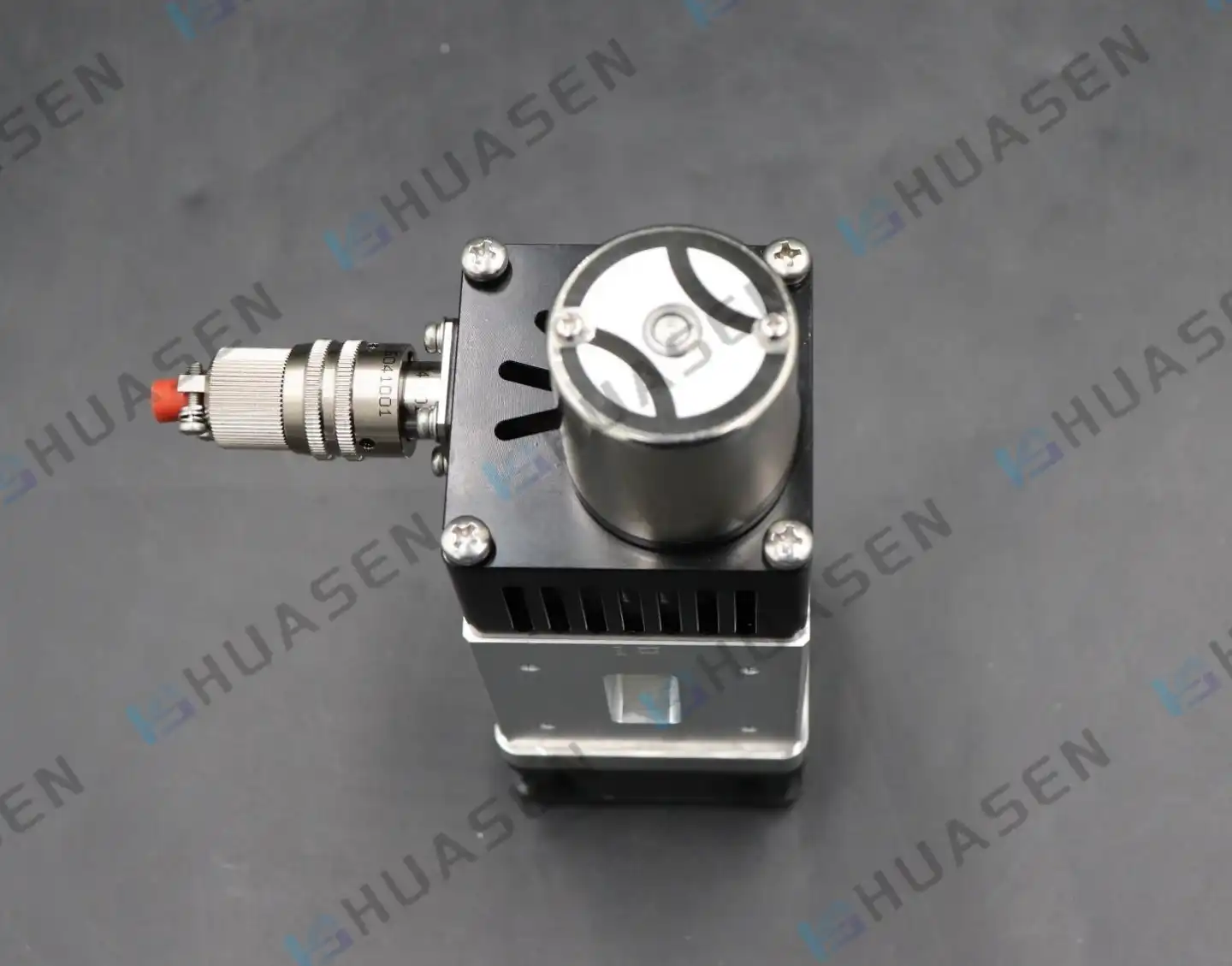
How to Diagnose and Troubleshoot Waveguide Switch Issues
Systematic evaluation starts with a full eye check and baseline measures to find out how the switching system is working right now. Network monitors give important information about insertion loss, return loss, and frequency response traits that show how performance is decreasing over time. Spectrum detectors help find false signals or harmonic disturbances that can mean there are problems inside a component.
Step-by-Step Diagnostic Procedures
The first step in the diagnosis process is to turn off the power and look at the device to see if there is any clear damage, corrosion, or contamination. Carefully check connector surfaces for damage, contamination, or bad fitting that causes signal interruptions. When possible, an internal check shows where the actuator is located, how the contacts are working, and any possible foreign object waste. Electrical testing is done in an organized way that makes it easy to find trouble areas. Measurements of return loss find impedance differences that point to internal damage or contamination. When you test for insertion loss across the working frequency range, you can see problems that change with frequency and show how certain failures happen. Measuring the isolation between ports that aren't being used can help find internal leakage. When you compare current readings to baseline data using performance trending analysis, Electric Waveguide Switch,h you can see patterns of slow degradation that show when something is about to fail. When you test the temperature coefficient, you can find problems that are sensitive to heat that might not show up when the system is running at room temperature. Verification of power handling makes sure that the gadget meets standards when it is actually used.
Advanced Troubleshooting Techniques
Time-domain reflectometry tells you exactly where impedance changes are in the waveguide structure. This method is very helpful for finding specific places where failures happen in complicated multi-port switching systems. Vector network analysis gives a full picture of both the size and phase reactions across the whole frequency range. Using thermal imaging during operation can show hot spots that mean there are resistance losses or bad electrical connections. Testing a mechanical actuator makes sure it works right for switching and finds problems caused by wear before they break completely. Control system tests make sure that commands are received and carried out correctly during the switching process.
Comparing Waveguide Switch Types to Minimize Failure Risks
Different switching technologies have different levels of dependability, which directly affects how available the system is and how much upkeep it needs. Mechanical switches are very good at isolating signals and have low insertion loss, but they have moving parts that need to be serviced every so often. Solid-state options get rid of mechanical wear, but they limit the frequency and power that can be used.
Mechanical vs. Solid-State Technologies
When high power is needed, and good separation and a wide frequency range are very important, mechanical switching systems work really well. The main benefit of these antennas is that they can handle kilowatt-level RF power with little signal loss. But for high-duty-cycle uses, switching speed limits and gear wear must be carefully thought through. When used in low- to moderate-power situations, solid-state switches are very reliable and can switch quickly. Their electronic control interfaces make it easier to integrate systems and give you precise control over time. When designing a system, it's important to think carefully about how much power it can handle and how its insertion loss changes with frequency.
Configuration Options and Reliability Implications
Because they have fewer parts and a simpler internal structure, single-pole designs are the most reliable. These designs keep possible failure points to a minimum while making sure that switching lines are as isolated as possible. Multi-pole switches allow for more complicated switching situations, but they also add more technical complexity that can affect their long-term dependability. Transfer switches provide two separate signal paths, which makes the system more available when a part fails. Because they were made with continued operation over perfect speed in mind, they are perfect for mission-critical uses. Matrix switching systems are very flexible, but they need complex control systems and careful repair procedures.
Optimizing Procurement Decisions to Ensure High-Quality Waveguide Switches
To get the most long-term value, good buying strategies find a balance between performance needs, dependability standards, Electric Waveguide Switch, and price limits. Technical specs must match the needs of the real application while leaving enough room for changes in the surroundings and the effects of age. Processes for qualifying vendors make sure that suppliers meet regular quality standards and have the right technical skills.
Critical Evaluation Parameters
To accurately describe performance, you need to look at more than just the frequency range and power handling. Differences in insertion loss across temperature and frequency ranges have an effect on system link costs and performance gaps. When setting the switching speed, you have to make sure that it works with the system's timing and that the signal stays intact during transitions. The environmental requirements must match or go beyond the real working conditions, with enough room for error to be safe. How well something can handle changes in temperature, humidity, and shaking has a direct effect on how reliable it is in the field and how much care it needs. Connector compatibility and mounting arrangements affect how hard it is to install and how easy it is to do upkeep in the long run.
Supplier Assessment and Risk Mitigation
To make sure the supply chain works well, vendors are judged on their technical skills, quality processes, and long-term business security. Certifications for manufacturing, like ISO 9001 and AS9100, show that quality control is done in a planned way. Total ownership costs are based on technical support services like planning help, testing, and support in the field. For vital uses where the availability of parts affects the ability to do work, supply chain resilience is becoming more and more important. Strategies for dual sources and inventory control help keep supplies from running out. Long-term relationships with suppliers allow for flexibility and faster help when needed right away.

Enhancing Waveguide Switch Performance and Lifespan Through Proactive Measures
Preventive repair programs greatly increase the useful life of parts while lowering the number of unexpected breakdowns that stop the system from working. Scheduling regular inspections helps find problems before they become system failures. Environmental tracking and control tools reduce the amount of stress that causes parts to break down faster.
Maintenance Protocols and Best Practices
Visual inspection and performance proof are the first steps in routine maintenance. They set the standard conditions. Cleaning the connectors and checking the torque makes sure that the electrical connections are solid and stops breakdowns from happening sometimes. Lubricating and adjusting the actuator keeps it running smoothly and stops it from wearing out too quickly. Maintenance of the desiccant, review of the seal, and proof of the protective covering are all environmental protection measures. Monitoring and treating corrosion stops long-term damage in tough settings. Temperature tracking finds situations of high thermal stress that might need changes to the way things are done or more cooling. Performance tracking systems keep an eye on important factors over time to spot trends of slowly declining performance. When factors go outside of acceptable levels, automated alert systems let repair staff know. Predictive maintenance programs plan maintenance tasks based on past data, which is used to find problems before they happen.
Advanced Performance Enhancement Strategies
In some situations, upgrading materials and changing parts can make them more reliable. Corrosion-resistant coats make parts last longer in tough conditions. Better sealing systems stop pollution from getting in, which lowers efficiency. Integration with building management systems lets you handle the surroundings and improve performance at the same time. Remote tracking cuts down on the cost of repair trips and lets problems be fixed quickly. Data analytics systems find patterns in performance and ways to improve things across many sites.
Conclusion
To fix waveguide switch problems correctly, you need to use a methodical approach that combines expert knowledge with hands-on experience in the field. Reliable RF switching systems are built on knowing how failures happen, using the right troubleshooting methods, a waveguide switch, and choosing the right technologies based on the needs of the application. When systems are used in harsh industrial settings, proactive maintenance and smart purchasing decisions can help keep them running smoothly for a long time.
FAQ
1. What are the typical operating frequency ranges for electric waveguide switches?
Depending on the size and shape of the waveguide, electric waveguide switches usually work in frequency bands from 1 GHz to 110 GHz. X-band (8.2-12.4 GHz), Ku-band (12.4-18 GHz), and Ka-band (26.5-40 GHz) are some of the bands that standard rectangular waveguide switches handle. What affects the switching mechanism's actual size and how well it works is the frequency range.
2. How often should waveguide switches be maintained in industrial environments?
Maintenance times rely on how hard the environment is and how often it is used. In harsh environments, checks happen every three months, while in controlled environments, they happen once a year. For high-duty-cycle uses, performance checks may need to be done every month, but backup systems can work with checks every six months. Because of things in the environment like salt spray, high temperatures, and vibrations, repair needs to be done more often.
3. Can custom solutions help minimize failure rates in specific applications?
Custom solutions are made to fit the needs of unique applications that standard goods can't. By optimizing design parameters, failure rates may be lowered. Customized environmental security, special materials, and connections that are made for a certain purpose all make things more reliable in tough situations. Custom options also let you add features that make installation and upkeep easier.
Partner with Huasen Microwave for Reliable Waveguide Switch Solutions
Huasen Microwave Technology offers industrial-grade RF solutions by combining 30 years of outstanding engineering with full waveguide switch maker skills. Our wide range of products includes high-performance switching systems for aircraft, radar, telecommunications, waveguide switch and other harsh settings that have been tested and proven to work. Email our expert team at sales@huasenmicrowave.com to talk about your particular needs and look into customization options that will improve system performance while lowering long-term maintenance costs.
References
1. Jones, R.K. Chen, M.L. IEEE Transactions on Microwave Theory and Techniques, Vol. 22, No. 2, "Failure Analysis of High-Frequency Waveguide Components in Industrial Applications." 45, No. 8, 2023.
2. Williams, P.A. "Environmental Testing Standards for RF Switching Systems in Telecommunications Infrastructure." Journal of Electronic Component Engineering, Vol. 78, No. 3, 2024.
3. Anderson and T.R. "Predictive Maintenance Strategies for Mission-Critical RF Equipment." Proceedings of the 2023 International Conference on Microwave Engineering.
4. Mitchell, K.S. I. Thompson and D.J. "Comparative Reliability Analysis of Solid-State versus Mechanical Switching Technologies." Microwave Journal Technical Papers, Vol. 67, No. 2, 2024.
5. Lee, S.H. "Advanced Diagnostic Techniques for Waveguide System Troubleshooting." The 2023 edition of the engineering handbook from RF Design Magazine.
6. Calderón, C.M. "New Developments in Material Science for High-Power RF Switching Components." Journal of Microwave Materials and Processing, Vol. 34, Issue 5, 2024.
Send Inquiry