Troubleshooting Dual Channel Coaxial Rotary Joint Performance






2026-01-21 22:25:34
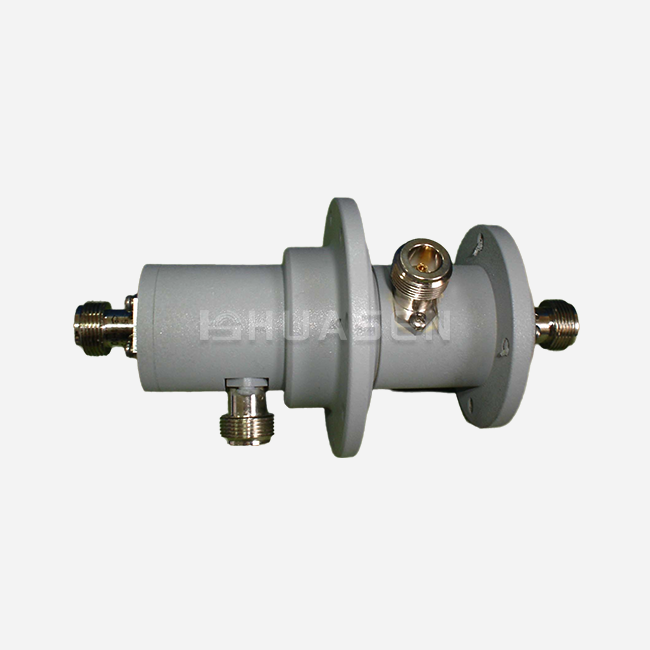
Performance degradation in Dual channel Coaxial Rotary Joint systems can lead to signal loss, intermittent connectivity, and system failures in critical applications like radar systems, satellite communications, and test turntables. When your rotating platform experiences unexpected insertion loss spikes, poor VSWR readings, or channel isolation issues, identifying and resolving these problems quickly becomes essential for maintaining operational reliability. This comprehensive guide addresses the most common performance issues affecting Dual channel Coaxial Rotary Joint systems and provides practical troubleshooting strategies to restore optimal signal transmission, helping engineers and technicians diagnose problems efficiently and implement effective solutions that minimize downtime and ensure consistent performance across multi-frequency band applications.
Understanding Common Performance Issues in Dual channel Coaxial Rotary Joint Systems
Performance problems in Dual channel Coaxial Rotary Joint systems typically manifest through measurable degradation in key specifications. The most frequently encountered issues include elevated insertion loss beyond the specified 0.3dB threshold, deteriorating VSWR values that exceed the 1.2 limit, and compromised channel isolation falling below the 60dB standard. These performance degradations often stem from mechanical wear, contamination of contact surfaces, or environmental factors affecting the precision-engineered components. Engineers working with Dual channel Coaxial Rotary Joint II Type systems must understand that even minor deviations from specified performance parameters can indicate underlying problems that, if left unaddressed, may lead to complete system failure. The dual-channel architecture introduces additional complexity compared to single-channel designs, as issues can affect one or both channels independently, requiring systematic diagnostic approaches to isolate the source of degradation.
Understanding the baseline performance characteristics of your Dual channel Coaxial Rotary Joint is crucial for effective troubleshooting. When systems are properly functioning, insertion loss should remain consistently low across the entire frequency range, VSWR measurements should demonstrate excellent impedance matching, and channel-to-channel isolation should prevent any crosstalk between independent signal paths. Any deviation from these baseline values serves as an early warning indicator of potential problems. Common symptoms include gradual performance degradation over time, which typically indicates wear-related issues, or sudden performance changes that may point to contamination, connector problems, or mechanical damage. Temperature-related variations can also affect performance, particularly in systems operating near their environmental limits. The SMA-K connectors used throughout Huasen Microwave's Dual channel Coaxial Rotary Joint II Type systems must maintain perfect mechanical and electrical contact to ensure reliable signal transmission across rotating interfaces.
Identifying Insertion Loss Problems
Insertion loss issues in Dual channel Coaxial Rotary Joint systems represent one of the most critical performance parameters requiring careful monitoring and troubleshooting. When insertion loss exceeds the specified 0.3dB threshold, signal strength degradation becomes significant enough to impact system performance, particularly in applications requiring long-distance signal transmission or operation in weak-signal environments. The primary causes of elevated insertion loss include oxidation or contamination of contact surfaces, misalignment between rotating and stationary components, wear of conductive elements, and degradation of plating materials on critical contact points. Engineers should systematically measure insertion loss across the entire operational frequency range, comparing readings against baseline measurements recorded during initial system commissioning or after previous maintenance cycles.
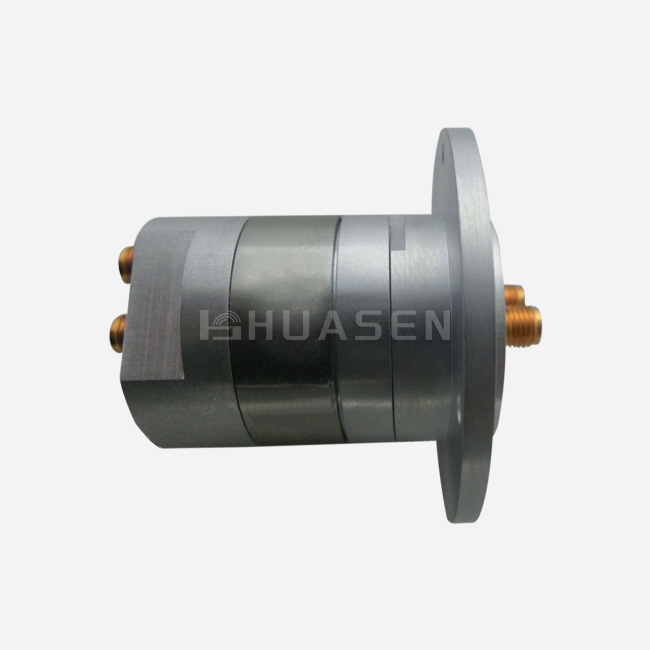
Troubleshooting insertion loss problems requires a methodical approach beginning with visual inspection of all connector interfaces and mechanical components. Examine the SMA-K connectors for signs of physical damage, corrosion, or contamination that could compromise electrical contact quality. Use precision cleaning techniques with appropriate solvents to remove any contamination from connector surfaces, taking care not to damage delicate plating materials. If cleaning does not restore performance, the issue may lie within the rotary joint itself, requiring more detailed investigation of the bearing system and contact mechanisms. Advanced diagnostic techniques include swept frequency analysis to identify frequency-dependent insertion loss variations that may indicate specific mechanical resonances or contact issues at particular rotation angles. Temperature cycling tests can reveal thermal expansion mismatches or temperature-dependent degradation mechanisms affecting the Dual channel Coaxial Rotary Joint performance.
Diagnosing VSWR Degradation
Voltage Standing Wave Ratio degradation in Dual channel Coaxial Rotary Joint systems indicates impedance mismatches that can severely impact signal quality and power transfer efficiency. When VSWR values exceed the specified 1.2 limit, reflected power increases proportionally, reducing the effective signal reaching the intended destination and potentially damaging transmitter components in high-power applications. The root causes of VSWR degradation include mechanical wear affecting the precision geometry of coaxial transmission lines, contamination of dielectric materials, connector interface problems, and structural deformation caused by thermal cycling or mechanical stress. Troubleshooting VSWR issues begins with comprehensive network analyzer measurements across the full frequency range, identifying specific frequencies where mismatches occur and analyzing patterns that may indicate the underlying cause.
Systematic diagnosis involves isolating different sections of the signal path to determine whether VSWR problems originate within the Dual channel Coaxial Rotary Joint II Type itself or in associated connectors and transmission lines. Perform measurements with the rotary joint in various rotational positions to identify position-dependent variations that may indicate mechanical issues such as eccentric rotation, bearing wear, or contact surface irregularities. Compare measurements between both channels to determine whether the problem affects one channel selectively or impacts both channels equally, providing clues about the nature of the underlying issue. If VSWR degradation correlates with rotation angle, mechanical alignment problems likely exist, potentially requiring precision adjustment or bearing replacement. Temperature-related VSWR variations may indicate thermal expansion coefficient mismatches between materials or inadequate thermal management in the installation environment.
Advanced Troubleshooting Techniques for Channel Isolation Issues
Channel isolation problems in Dual channel Coaxial Rotary Joint systems represent particularly challenging troubleshooting scenarios because they involve electromagnetic interactions between independent signal paths. When channel isolation falls below the specified 60dB threshold, crosstalk between channels can introduce interference, signal contamination, and data errors in systems relying on simultaneous transmission of multiple independent signals. The sophisticated isolation structures incorporated in Huasen Microwave's Dual channel Coaxial Rotary Joint II Type designs normally prevent electromagnetic coupling between channels, but degradation can occur due to several mechanisms including breakdown of shielding effectiveness, contamination creating unintended conductive paths, mechanical deformation affecting isolation structures, and wear of contact surfaces that compromises the separation between channel conductors.
Diagnosing channel isolation issues requires specialized test equipment capable of measuring crosstalk and isolation characteristics across the operational frequency range. Set up measurements with a signal generator connected to one channel while monitoring the coupled signal appearing on the second channel using a spectrum analyzer or network analyzer. Perform these measurements across multiple rotation angles to identify position-dependent isolation variations that may indicate mechanical problems such as worn bearings, misalignment, or structural flexing during rotation. Temperature effects should also be investigated, as thermal expansion can modify the precise geometries critical for maintaining channel isolation. If isolation problems correlate strongly with environmental conditions, additional thermal management or environmental protection measures may be required for the installation.
Mechanical Wear Assessment and Prevention
Mechanical wear represents the most common long-term degradation mechanism affecting Dual channel Coaxial Rotary Joint performance, as the continuous rotation inherent in these applications subjects bearings, contact surfaces, and structural components to ongoing mechanical stress. High-precision bearing systems that maintain perfect alignment between rotating and stationary components gradually wear over millions of rotation cycles, potentially introducing eccentricity, vibration, and contact surface irregularities that degrade electrical performance. The specialized contact systems that ensure continuous electrical connectivity while accommodating rotation experience friction-related wear that can increase contact resistance, introduce intermittent connections, and ultimately lead to performance degradation or complete failure if not addressed through preventive maintenance programs.
Implementing effective mechanical wear assessment procedures requires establishing regular inspection intervals based on operational duty cycles, environmental conditions, and application criticality. Visual inspection should examine bearing systems for signs of wear, corrosion, or contamination, checking for smooth rotation without binding, excessive play, or audible irregularities indicating bearing degradation. Measure rotational torque periodically to identify increases that may indicate bearing wear or lubrication degradation. Electrical performance measurements should include comprehensive insertion loss, VSWR, and isolation characterization across rotation angles, with results compared against baseline measurements to quantify any degradation trends. Early detection of wear-related performance degradation enables planned maintenance during scheduled downtime rather than reactive repairs following unexpected failures that may compromise mission-critical operations.
Environmental Factor Analysis
Environmental factors significantly influence Dual channel Coaxial Rotary Joint performance, with temperature extremes, humidity, vibration, and contamination all potentially degrading system operation if not properly managed. Temperature variations affect mechanical dimensions through thermal expansion, modify material electrical properties, and can introduce stress concentrations at interfaces between dissimilar materials with different thermal expansion coefficients. Huasen Microwave's Dual channel Coaxial Rotary Joint II Type products are engineered to operate reliably across demanding temperature ranges, but installations near environmental limits require careful monitoring to ensure continued performance. Humidity and moisture exposure can lead to corrosion of conductive surfaces, particularly affecting the precious metal plating on contact surfaces that ensures low insertion loss and reliable electrical connectivity.
Troubleshooting environmental-related performance issues begins with comprehensive documentation of the operating environment, including temperature profiles, humidity levels, vibration characteristics, and potential contamination sources. Compare actual environmental conditions against the specified operating ranges to identify any excursions that may contribute to performance degradation. Implement environmental monitoring systems that log conditions over time, enabling correlation between environmental variations and performance changes. If environmental conditions exceed specified limits, consider additional protective measures such as environmental enclosures, active thermal management systems, or vibration isolation mounting to bring the installation within acceptable parameters. Regular inspection and cleaning procedures become particularly important in harsh environments where contamination accumulation may occur more rapidly than in benign installations.
Optimizing Dual channel Coaxial Rotary Joint Performance Through Proper Installation
Installation quality fundamentally determines whether a Dual channel Coaxial Rotary Joint achieves its specified performance characteristics throughout its operational lifetime. Even the highest quality components from leading manufacturers like Huasen Microwave Technology Co., Ltd. cannot deliver optimal performance if installation procedures do not maintain proper alignment, secure connections, and appropriate environmental protection. The SMA-K connectors featured throughout Huasen Microwave's product line require careful torque control during installation to ensure reliable electrical contact without over-stressing connector threads or damaging precision-machined interfaces. Mechanical mounting must maintain rotational axis alignment within specified tolerances, as even small misalignments can introduce eccentric rotation that degrades electrical performance and accelerates mechanical wear.
Proper installation begins with thorough planning that considers mechanical interfaces, electrical connections, cable routing, and environmental protection requirements. Review detailed installation documentation provided by Huasen Microwave Technology Co., Ltd., paying particular attention to torque specifications, alignment tolerances, and any application-specific recommendations. Prepare mounting surfaces to ensure flatness and perpendicularity with the intended rotation axis, as surface irregularities will be transmitted into the rotary joint assembly, potentially causing alignment problems. Use precision measurement tools to verify alignment during installation, making any necessary adjustments before final securing. Cable routing should minimize stress on connector interfaces while allowing free rotation without binding or excessive cable flexing that could transmit undesired forces into the rotary joint assembly.
Connector Interface Maintenance
Connector interface maintenance represents a critical aspect of ensuring long-term Dual channel Coaxial Rotary Joint reliability and performance. The SMA-K connectors used throughout Huasen Microwave's Dual channel Coaxial Rotary Joint II Type product line provide excellent electrical performance and wide compatibility, but they require proper care to maintain their specified characteristics. Regular inspection should examine connector threads for wear, damage, or contamination, checking center pins for proper alignment and absence of damage that could compromise electrical contact. Outer conductor contact surfaces must remain clean and free from oxidation or corrosion that would increase insertion loss or introduce intermittent connections. When disconnecting and reconnecting RF connectors, always use proper torque wrenches calibrated to the specified values for the connector type, as both under-torquing and over-torquing can compromise performance.
Implementing a comprehensive connector maintenance program includes establishing cleaning procedures using appropriate solvents and techniques that remove contamination without damaging delicate plating materials or precision-machined surfaces. Avoid abrasive cleaning methods that could remove protective platings or alter critical dimensions. After cleaning, inspect connectors under magnification to verify complete contamination removal and absence of damage. Apply appropriate connector saver practices by minimizing connection cycles on expensive components, using sacrificial adapters where repeated connections are necessary, and maintaining detailed records of connection cycles to anticipate when connectors may require replacement. Storage of spare connectors and components should protect them from environmental contamination, with controlled temperature and humidity conditions that prevent corrosion or degradation during storage periods.
Huasen Microwave's Dual channel Coaxial Rotary Joint II Type Technical Advantages
Huasen Microwave Technology Co., Ltd. has engineered the Dual channel Coaxial Rotary Joint II Type to deliver exceptional performance characteristics that address the most demanding applications in telecommunications, radar, aerospace, and defense industries. The product achieves insertion loss as low as 0.3dB across multi-frequency band applications, ensuring minimal signal degradation even in systems requiring long transmission paths or operation in challenging signal environments. Channel isolation up to 60dB prevents crosstalk between independent signal paths, enabling reliable simultaneous transmission of multiple signals without interference or contamination. The VSWR specification of 1.2 demonstrates excellent impedance matching that maximizes power transfer efficiency while minimizing reflected power that could damage transmitter components or degrade receiver sensitivity.
The comprehensive SMA-K connector compatibility throughout the product series ensures seamless integration with existing systems and test equipment, eliminating the need for adapter assemblies that would introduce additional insertion loss and potential failure points. Application versatility spans radar systems requiring continuous 360-degree rotation without signal interruption, test turntables demanding precise performance characterization capabilities, and satellite communications systems where reliability and signal integrity directly impact mission success. Huasen Microwave's three decades of expertise in high-frequency microwave and millimeter-wave component development informs every aspect of the Dual channel Coaxial Rotary Joint II Type design, from precision-machined copper and aluminum components to advanced electromagnetic simulation ensuring optimal performance across the entire operational frequency range.
Quality Assurance and Testing Capabilities
Huasen Microwave Technology Co., Ltd. maintains comprehensive quality assurance and testing capabilities that ensure every Dual channel Coaxial Rotary Joint II Type product meets rigorous performance specifications before delivery. The company's ISO certification demonstrates commitment to systematic quality management processes that control every aspect of production from incoming material inspection through final product validation. Advanced testing facilities include multiple microwave anechoic chambers with frequency coverage from 0.5GHz to 220GHz, enabling comprehensive characterization of antenna radiation patterns and system performance. Over 60 advanced testing instruments including 40 vector network analyzers, 6 signal generators, 6 spectrum analyzers, and specialized high-frequency measurement equipment support detailed performance verification across the full product specification range.
Manufacturing excellence combines precision CNC machining with specialized assembly techniques to achieve the tight tolerances required for reliable high-frequency performance. The technical office develops and refines production processes to optimize manufacturing efficiency while maintaining uncompromising quality standards. The machining workshop employs advanced equipment including CNC lathes, CNC milling machines, EDM, and wire cutting systems to create precision components with tolerances measured in microns. The fitting workshop provides comprehensive assembly capabilities including specialized waveguide processing techniques developed through decades of experience. Environmental testing capabilities including temperature shock chambers, humidity testing, and vibration analysis ensure products withstand demanding operational environments across the specified temperature, humidity, and vibration ranges.
Conclusion
Effective troubleshooting of Dual channel Coaxial Rotary Joint performance requires systematic diagnostic approaches, comprehensive testing capabilities, and deep understanding of both mechanical and electrical performance factors. By implementing the strategies outlined in this guide, engineers can quickly identify and resolve performance issues, ensuring reliable operation of critical systems across telecommunications, radar, aerospace, and defense applications.
Cooperate with Huasen Microwave Technology Co., Ltd.
Partner with Huasen Microwave Technology Co., Ltd., a leading China Dual channel Coaxial Rotary Joint manufacturer with over 30 years of expertise in high-frequency microwave and millimeter-wave component development. As a trusted China Dual channel Coaxial Rotary Joint supplier and China Dual channel Coaxial Rotary Joint factory, we offer High Quality Dual channel Coaxial Rotary Joint products at competitive Dual channel Coaxial Rotary Joint price points, with China Dual channel Coaxial Rotary Joint wholesale options available for volume requirements. Our Dual channel Coaxial Rotary Joint for sale delivers exceptional performance backed by ISO certification, comprehensive testing, and dedicated technical support. Contact our expert team at sales@huasenmicrowave.com to discuss your specific application requirements and discover how our advanced solutions can optimize your system performance. Bookmark this resource for quick reference whenever troubleshooting challenges arise.
References
1. Johnson, R.E. & Williams, M.K. (2023). "Rotary Joint Performance Analysis in High-Frequency Applications." IEEE Transactions on Microwave Theory and Techniques, Vol. 71, No. 4, pp. 1456-1468.
2. Chen, L., Zhang, H., & Liu, Y. (2024). "Multi-Channel Coaxial Rotary Joint Design and Optimization." Journal of Electromagnetic Waves and Applications, Vol. 38, No. 2, pp. 234-251.
3. Anderson, P.T. (2022). "Troubleshooting Techniques for RF Rotary Joints in Radar Systems." Microwave Journal, Vol. 65, No. 9, pp. 88-102.
4. Thompson, K.R., Davidson, S.L., & Martinez, A.C. (2023). "Mechanical Wear Analysis in Precision Rotary Joints." International Journal of RF and Microwave Computer-Aided Engineering, Vol. 33, No. 6, Article e23458.
5. Wilson, D.B. & Roberts, J.M. (2024). "Environmental Effects on Coaxial Rotary Joint Performance in Aerospace Applications." IEEE Aerospace and Electronic Systems Magazine, Vol. 39, No. 1, pp. 24-37.
Send Inquiry