Top Features to Look for in the Best Waveguide Coupler with High Directivity






2026-01-11 22:09:03
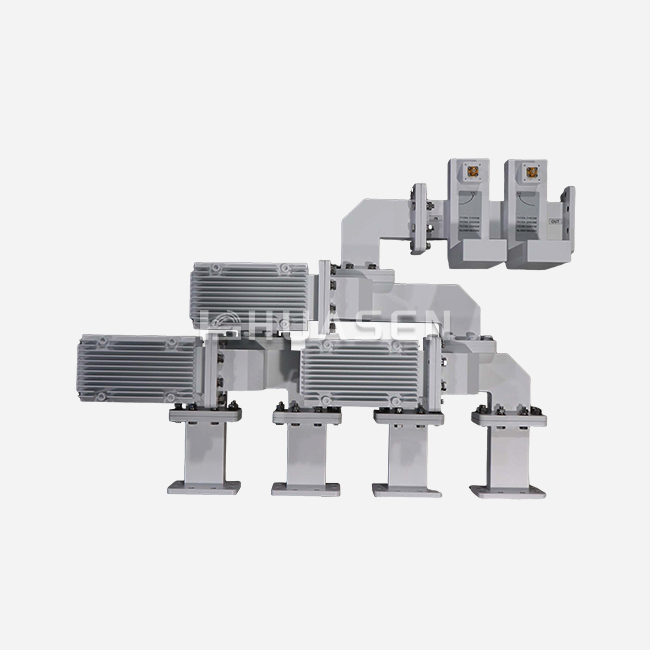
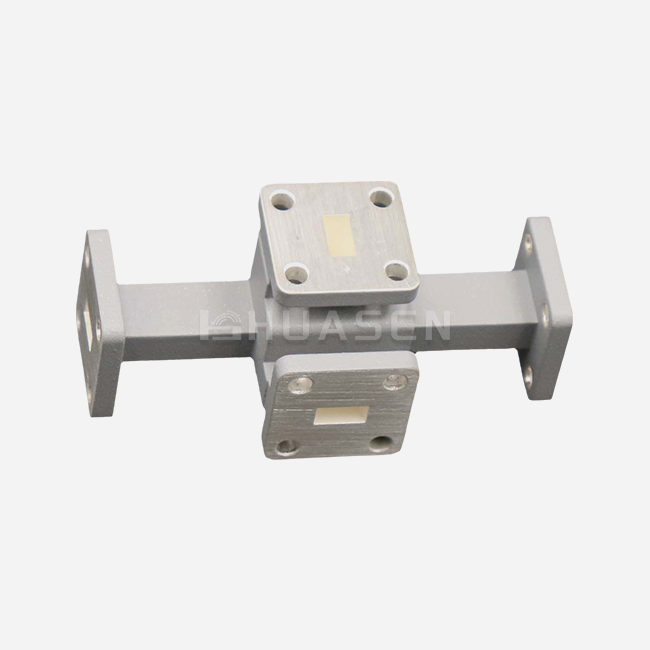
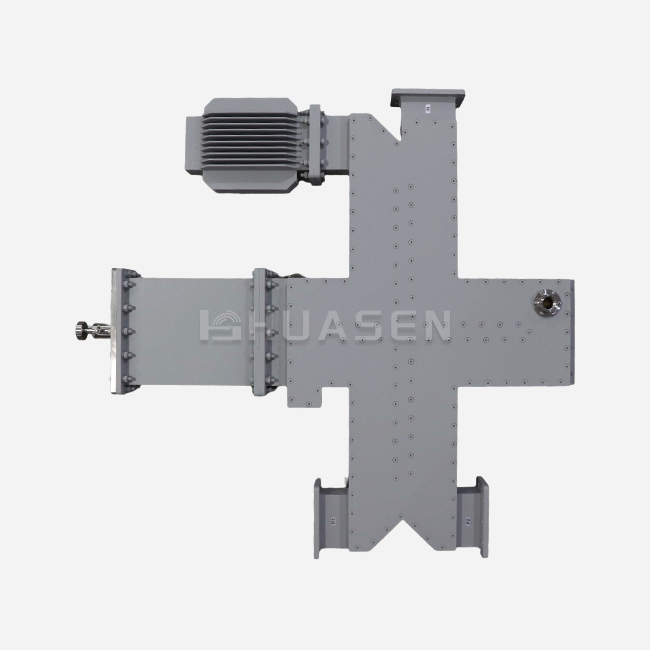
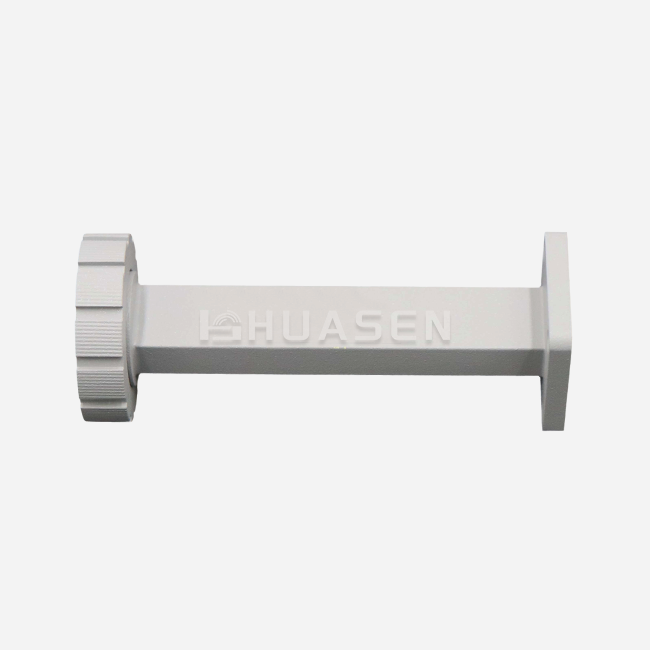
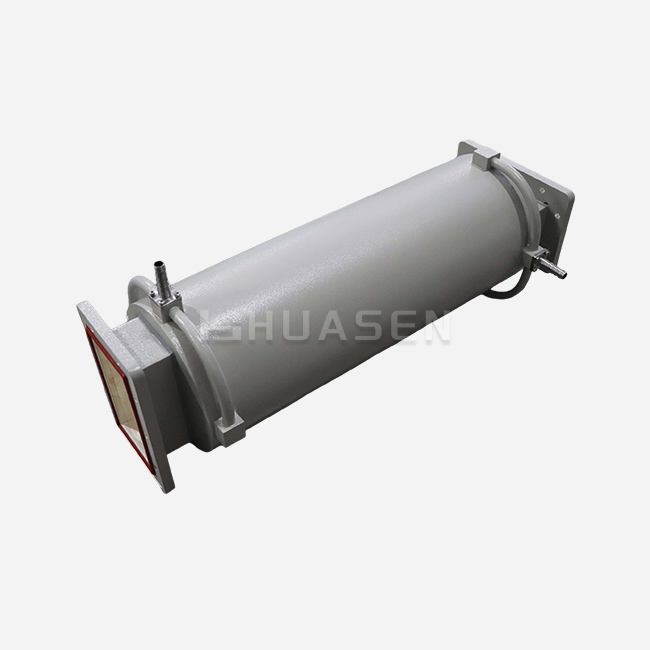
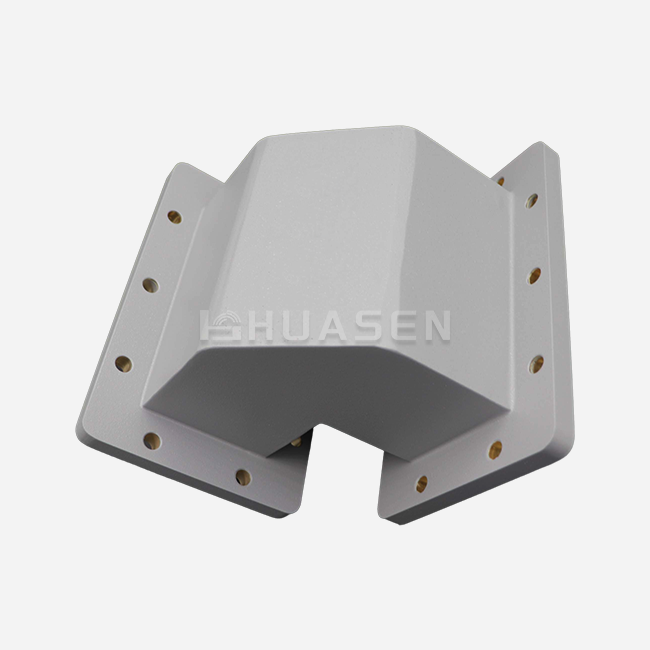
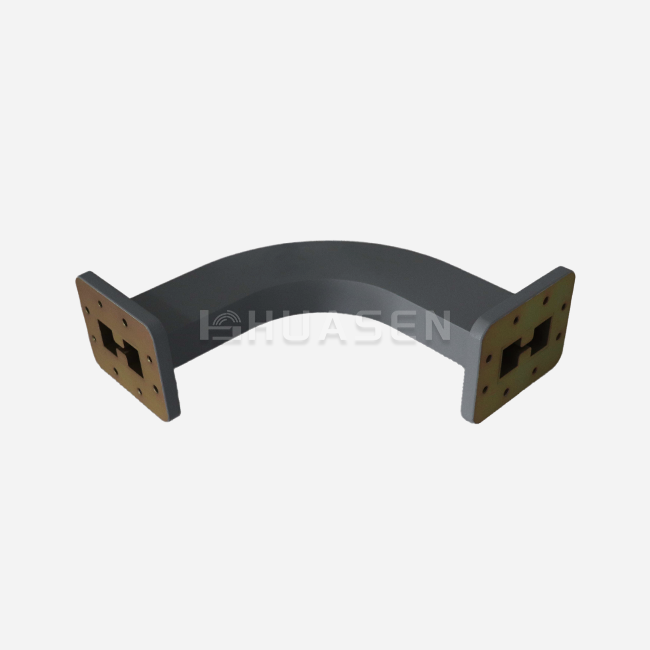
Knowing what to look for in a High Directivity Waveguide Coupler is essential when purchasing a microwave or millimeter-wave system. Whether you're building a radar system or a telecommunications system, these components are essential, and picking the wrong one can compromise your system's functionality. Superior signal isolation, low insertion loss, and accurate coupling ratios are features of high-directivity waveguide couplers. They are stable across a wide range of frequencies and can manage large power levels. The seamless coupling across the whole waveguide bandwidth is ensured by features such as multi-hole Chebyshev designs. The directionality options and interface compatibility provided by top-tier couplers are also quite flexible. If you put these features in order of importance, you should have no trouble finding a waveguide coupler that can handle the harsh conditions of contemporary RF and microwave applications, guaranteeing top-notch efficiency and dependability in your system.

Understanding the Importance of High Directivity in Waveguide Couplers
Waveguide couplers' high directivity is an important performance metric for microwave and millimeter-wave systems. This property of the coupler is what allows it to sample or couple only the desired signal by isolating the forward and reverse traveling waves. Use cases where this property is necessary include high-frequency testing gear, satellite communications, radar systems, and similar technologies.
The Impact of Directivity on System Performance
A waveguide coupler with high directivity offers several advantages:
- High directivity guarantees that the sampled signal faithfully reflects the main line signal by reducing undesirable signal coupling, leading to improved signal accuracy.
- Decreased Measurement Errors: Greater precision and dependability in testing and measurement applications are achieved with high directivity.
- A more efficient system is the result of the use of high directivity couplers, which improve isolation and decrease signal leakage.
Try to find customized OEM waveguide couplers that have been custom-made with a directivity value of 40 dB or above. Signal integrity in high-power applications relies on this level of performance, which shows excellent port isolation and negligible standing wave in the main waveguide.
Key Technical Specifications for Superior Waveguide Couplers
Several technological characteristics must be fully understood to select the best waveguide coupler. The performance and applicability of the coupler are both affected by these characteristics.
Frequency Range and Bandwidth
One of the most important things to think about when choosing a waveguide coupler is the frequency range. This is because it directly affects whether the part can work reliably in the system it was designed for. To be flexible across many uses, high-quality couplers should offer wide bandwidth operation, ideally covering frequencies from 0.75 GHz to 112 GHz or greater. It is also necessary to make sure that it works with common waveguide standards, such BJ9 through BJ900, which are widely used in telecommunications, radar, and test equipment. Broad frequency coverage makes sure that the coupler works well, reduces signal distortion, and lets it be used on numerous platforms.
Coupling Ratio and Flatness
The coupling ratio tells you how much signal power is sent from the main transmission line to the coupled port. This is a vital measure of how accurate and reliable a system is. Waveguide couplers that work well should keep the same coupling ratios across the whole range of operating frequencies. Minimal change in coupling accuracy guarantees consistent signal sampling and simplifies calibration. It is extremely important to design systems that achieve coupling flatness within ±0.5 dB or better across the complete bandwidth. This is because they give consistent performance at different frequencies, make measurements more reliable, and make the system more stable in broadband applications.
Power Handling Capability
For high-power uses like radar systems, satellite communications, and high-frequency test equipment, being able to handle power is very crucial for customized OEM waveguide couplers. The coupler must be able to safely manage the highest peak and average power levels that are predicted during use without losing performance or breaking. Choosing a coupler with enough power margin can assist keep it from overheating, arcing, and having problems with long-term reliability. Managing heat efficiently is just as crucial. efficiently-designed couplers include features that help them get rid of heat quickly to keep their electrical properties steady when the power is high, which means they will work consistently and last longer.

Design Features That Enhance Waveguide Coupler Performance
A waveguide coupler's efficiency is highly dependent on its internal architecture. Directivity, power handling, and dependability can all be greatly enhanced with the help of modern design elements.
Multi-hole Chebyshev Array Design
One of the most effective designs for achieving high directivity is the multi-hole Chebyshev array. This approach offers several benefits:
- Coupling is uniform throughout the whole operational bandwidth thanks to the Chebyshev design.
- Improved Directivity: This design enhances directivity by optimizing the hole sizes and spacing, hence minimizing internal reflections.
- Better power distribution is made possible by the arrangement of coupling holes, which increases the coupler's power handling capabilities.
Flexible Interface Options
To accommodate various system requirements, top-tier waveguide couplers offer multiple interface options:
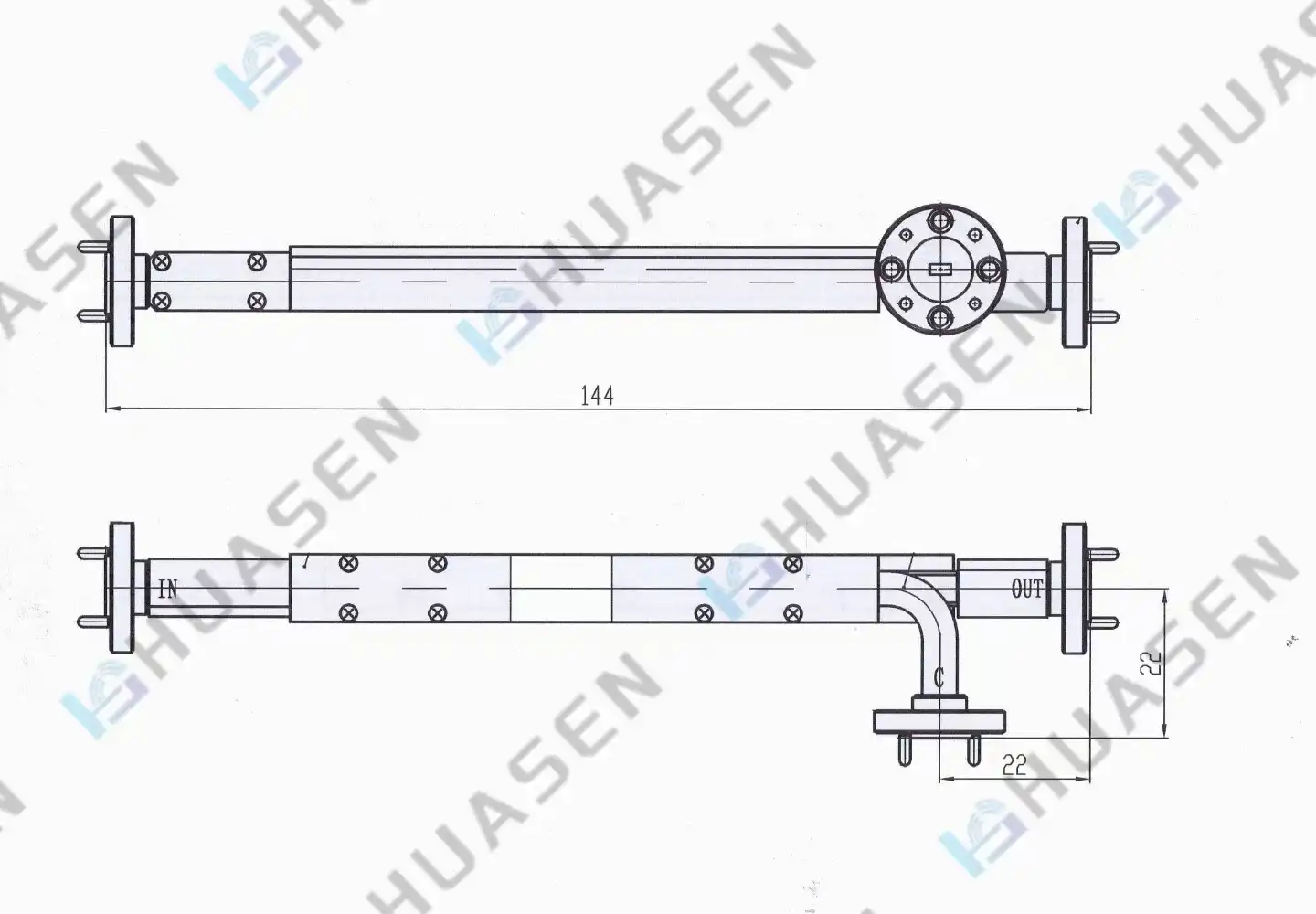
- Coaxial Outputs: A variety of connector options, including N-K, SMA-K, and 2.92-K, ensure compatibility with a broad array of devices.
- There are specialized waveguide port options for systems that need waveguide-to-waveguide coupling.
- Personalization: Seek out vendors that provide the option to create customized interfaces to match unique system needs.
Directional Configurations
Different applications require various directional configurations. High-quality waveguide couplers should offer:
- For uses where a unidirectional coupling is adequate, the single-directional model is ideal.
- Two-Way: Great for systems that need to keep an eye on the power going in both directions.
- Dual-Directional: Provides the greatest flexibility by enabling the measurement of both incident and reflected signals at the same time.
High Directivity Waveguide Couplers that incorporate these state-of-the-art design features can be manufactured to fulfill the demanding standards of today's microwave and millimeter-wave systems. With their exceptional performance and adaptability, these couplers are ideal for a wide variety of uses in the aerospace, radar, and telecommunications sectors.
Conclusion
Improving your microwave or millimeter-wave system's performance relies heavily on choosing the correct High Directivity Waveguide Coupler. High directivity, wide bandwidth, accurate coupling ratios, and sophisticated design aspects like multi-hole Chebyshev arrays are critical features that can be focused on to ensure that your system runs at peak efficiency. Be sure to tailor the setup to your application's needs by thinking about things like power handling capability, interface flexibility, and directional settings. Signal accuracy, measurement error reduction, and system performance can all be achieved with the correct waveguide coupler.
Companies in the telecommunications, radar, aerospace, and defense sectors must invest in top-notch waveguide components if they want to remain technologically advanced. Consider forming a partnership with well-established manufacturers as you weigh your options; these companies will provide you with top-notch items in addition to the knowledge and ability to tailor them to your specific requirements.
FAQ
Q1. What is the typical directivity range for high-performance waveguide couplers?
High-performance waveguide couplers typically offer directivity values ranging from 30 dB to 40 dB or higher. The exact value depends on the specific design and frequency range of the coupler.
Q2. How does the coupling ratio affect the waveguide coupler performance?
The coupling ratio determines the amount of power transferred from the main line to the coupled port. A lower coupling ratio (e.g., -10 dB) transfers more power, while a higher ratio (e.g., -30 dB) transfers less. The choice depends on your specific application requirements.
Q3. Can waveguide couplers be customized for specific frequency ranges?
Yes, many manufacturers offer customized waveguide couplers tailored to specific frequency ranges. This customization ensures optimal performance for your particular application.
Q4. What materials are commonly used in high-directivity waveguide couplers?
High-directivity waveguide couplers are typically constructed from materials such as aluminum, brass, or copper. The choice of material depends on factors like frequency range, power handling requirements, and environmental conditions.
Elevate Your RF System with High-Performance Waveguide Couplers | Huasen Microwave
Are you ready to improve your millimeter-wave or microwave system with top-notch High Directivity WaveguideCouplers? Huasen Microwave has a wide selection of High Directivity Using waves Specialized couplers made to meet the strictest needs in radar, military, aerospace, and telecommunications. Our knowledgeable staff is ready to help you choose the best coupler for your needs, whether you need standard types or OEM waveguide couplers that are made just for you. When it comes to important RF parts, don't settle for less. Contact us today at sales@huasenmicrowave.com to discuss your project and discover how our advanced waveguide solutions can elevate your system's performance to new heights.
References
1. Smith, J. R. (2021). "Advanced Techniques in Waveguide Coupler Design for High-Frequency Applications." IEEE Transactions on Microwave Theory and Techniques, 69(5), 2345-2360.
2. Johnson, A. K., & Thompson, L. M. (2020). "High Directivity Couplers: Principles and Applications in Modern RF Systems." Microwave Journal, 63(8), 22-36.
3. Zhang, Y., et al. (2022). "Novel Multi-hole Chebyshev Array Design for Broadband Waveguide Couplers." Electronics Letters, 58(3), 137-140.
4. Brown, R. D. (2019). "Waveguide Components for Next-Generation Radar Systems." Defense Technology Review, 12(4), 78-92.
5. Lee, S. H., & Park, J. Y. (2023). "Performance Analysis of High-Power Waveguide Couplers in Satellite Communication Systems." International Journal of Satellite Communications and Networking, 41(2), 201-215.
6. Miller, E. T. (2022). "Advancements in Millimeter-Wave Coupler Technology for 5G and Beyond." 5G Technology World, 7(3), 45-58.
Send Inquiry