SMA vs N-Type Coaxial Fixed Attenuator: When to Use Each






2026-07-20 16:01:26
How to Pick Between Fits That Depend on Coaxial and SMA Coaxial Fixed Attenuator. There are different attenuators for each device because of the frequency range, power needs, and work surroundings. To use high frequencies up to 18 GHz, SMA plugs are great because they are small. They are great for testing in the lab and for low-power RF systems because of this. N-Type links last longer and can handle more power in outdoor, industrial, and military settings. As long as you know what your microwave system needs—a base station front-end, a satellite link, or a radar assembly—you can pick the attenuator that gives you the most stable signal, low VSWR, and long-term dependability without affecting how well you measure or send data.
Understanding Coaxial Fixed Attenuators and Connector Types
What Defines a Coaxial Fixed Attenuator?
Coaxial fixed attenuators are passive RF parts that lower the signal amplitude by a set number of decibels (dB) without changing the phase or waveform. A T-pad or Pi-pad resistive network in a coaxial transmission line lets the device get rid of extra energy as heat. At 50 or 75 Ohms, impedance matching cuts down on echoes and keeps the signal's consistency throughout the transmission line.
These parts keep weak test equipment safe from damage caused by high power and overloaded radio and broadcast TV receivers. They make measurement systems more accurate and reliable by expanding their dynamic range. These efficiencies and longevity come from Huasen Microwave's fixed coaxial attenuators, which can attenuate from DC to 18 GHz by 3 dB to 50 dB.
Core Specifications That Matter
The way attenuators work varies depending on a lot of different things. For devices to work consistently, they need to have accurate attenuation (10 dB ±0.5 dB) and frequency flatness across wide bands. Strong N-type devices can handle 500 watts or more, while precise SMA devices can handle just one watt. For radar tracking and telecommunications equipment, signal bounce must be kept to a minimum, with VSWR being less than 1.2:1.
Material quality is important. Passivated stainless steel bodies can handle 500 mating cycles and corrosion. Aluminum nitride or beryllium oxide substrates are used for thermal conductivity in thin-film or thick-film internal resistive elements for high-frequency accuracy or power. MIL-DTL-3933 is very resistant to the environment.
SMA vs. N-Type Connector Basics
The threaded coupling and smaller footprint of SMA connectors make them useful for high-frequency applications and small pieces of equipment. Their performance at 18 GHz is good for labs that are limited in room and testing accuracy. Compared to bigger links, it can't handle as much power.
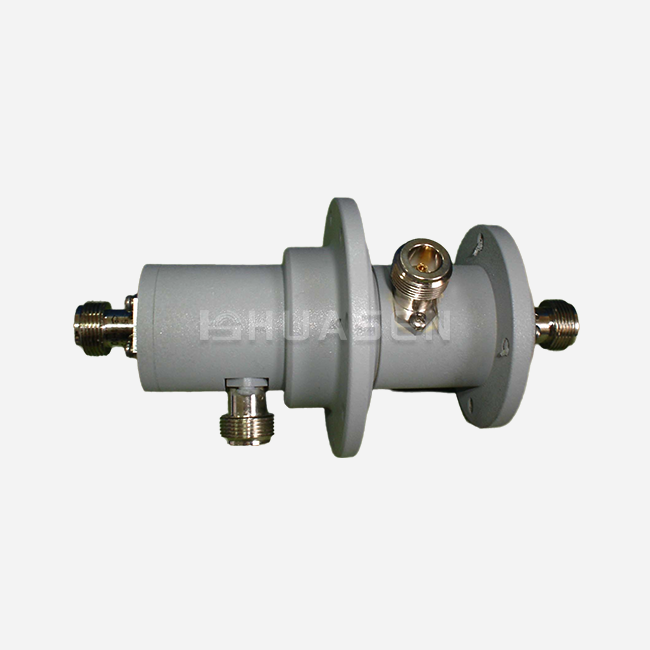
N-type plugs have a threaded contact and a bigger form factor to make them more stable and increase their power output. At 18 GHz, they control power from a few watts to several hundred watts. Because they are built to last, N-Type versions are good for outdoor installations, base station equipment, and military systems that have to deal with vibration, extreme temperatures, and bad weather.
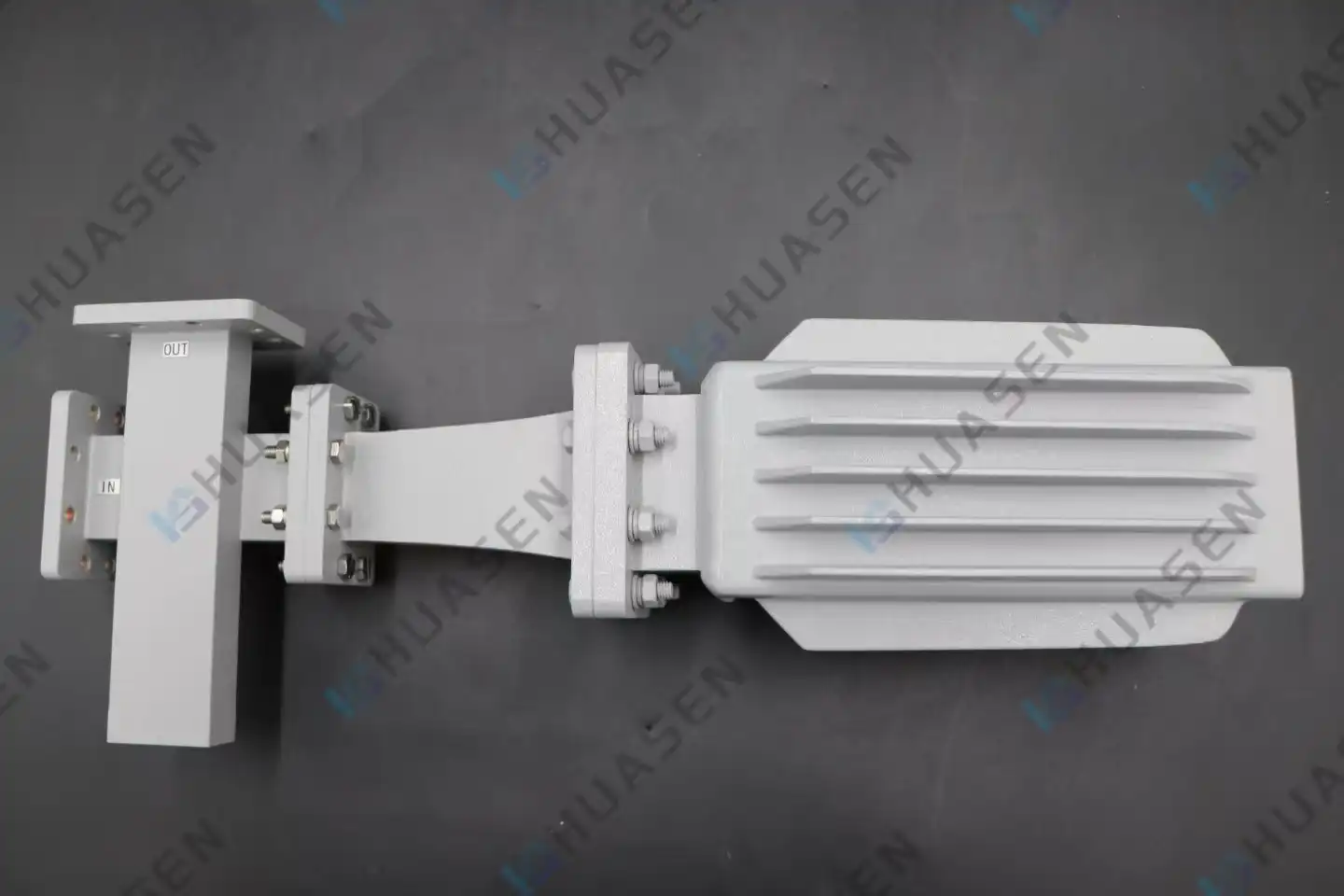
Comparing SMA vs. N-Type Coaxial Fixed Attenuators: Key Dimensions
Frequency Range and Signal Integrity
Both SMA and N-Type attenuators work from DC to 18 GHz, but when they are put under stress, their insertion loss and VSWR behave differently. When used on a bench, where temperature and pressure are controlled, SMA connections keep their frequency flatness very well. N-Type connectors work just as well across the frequency range, but they perform better when they are exposed to changing temperatures and mechanical shocks outside.
How well the coaxial fixed attenuator connection keeps impedance matching over time determines how well the signal works. If you don't twist SMA connectors properly, they can break down faster after multiple mating cycles, which can cause more insertion loss and reflection. N-type connections can handle more joining cycles and physical stress, so they can keep the signal quality for longer, even in tough field operations.
Power Handling and Thermal Management
The main difference between these two types of connectors is how much power they can handle. A lot of the time, SMA attenuators can handle power waves that last up to 2 watts. This makes them good for test sets and signal processing loops that need to use little power. N-Type attenuators can handle strengths of power ranging from 10 Watts to 500 Watts. Because of this, they are very important for controlling high-power signals very accurately in base station boosters, radar emitters, and spread antenna systems.
Thermal management is very important when the power level is high. It is common for N-Type attenuators to have bigger bodies that get rid of heat. They can also work with heat sinks outside the attenuators to keep the numbers fixed. The Temperature Coefficient of Attenuation (TCA) of the attenuator tells us how the resistance changes as the temperature goes up. If the temperature goes above 70°C, the professional units need to be power-downgraded so they don't break down from heat or electrical failure.
| Parameter | SMA Attenuator | N-Type Attenuator |
|---|---|---|
| Frequency Range | DC – 18 GHz | DC – 18 GHz |
| Power Capacity | 1W – 2W | 10W – 500W |
| Typical VSWR | <1.2:1 | <1.2:1 |
| Mating Cycles | 500 cycles | 1000+ cycles |
| Size/Weight | Compact/Lightweight | Larger/Heavier |
| Environmental Suitability | Lab/Indoor | Outdoor/Harsh |
Mechanical Durability and Environmental Resistance
Being tough is important in the real world. It's more likely for SMA connections to break if they are over-torqued or if they are attached more than once without the right torque tools. When mechanical stress is put on them, their smaller pin sizes can bend or break. This can damage expensive equipment and make warning paths not work.
Because their outer shells are stronger and the center conductors are thicker, N-Type connectors are better at handling shocks, vibrations, and dirt and dust in the environment. They are very resistant to water, dust, and corrosion, which is important for base station installations, airborne radar systems, and maritime communications, where equipment is always working in places that can't be controlled.
Teams in charge of buying things can pick the best damper for each job when they know about these changes in mechanical and environmental factors. For a lab RF test bench, a small, accurate SMA design works well. But for a cell phone tower far away, N-Type parts are needed because they last longer and can handle more power.
How to Choose Between SMA and N-Type Coaxial Fixed Attenuators: A Decision Support Framework?
Evaluating System Frequency and Power Requirements
To make a choice, you must first have a clear picture of how often and how much power your system is using. Some situations where you need to work with frequencies up to 18 GHz and power levels below 2 Watts is when setting up a spectrum analyzer or a vector network analyzer. SMA attenuators are small devices that can do the job.
N-type attenuators, on the other hand, are needed for radar systems, high-power amps, and base station front-ends that use the same frequencies but put out more than 10 watts of power. These parts can handle both a lot of power and waves that keep coming at them without breaking or getting too hot. You can be sure that the attenuator will last a long time if you match its power level to your system's maximum output and leave some room for error.
Physical and Environmental Considerations
Installation space and environmental exposure have a big impact on the choice of attenuator. SMA connectors are useful for small instruments and equipment racks with a lot of equipment because they are light and take up little space. Using SMA links on cable assemblies also lowers the weight of the whole system, which is very important in aircraft and drone uses, where every gram counts.
Coaxial attenuator parts that can handle high and low temperatures, humidity, salt fog, and vibration are needed in outdoor and industrial settings. N-Type attenuators are made of passivated stainless steel and have sealed connections, so they don't rust and keep their electrical performance stable from -55°C to +125°C. Their higher thermal mass also helps heat escape better, which is important for running at high power all the time without external cooling.
Attenuation Accuracy and Equipment Compatibility
It's important to be accurate in tests and testing settings. Tolerances for SMA attenuators are often tighter, like ±0.5 dB. When measuring things, this is important because the error needs to be kept to a minimum for calibration standards and device characterization. Because they have a flat frequency response and low insertion loss, signals are shown properly across the whole band.
Along with energy needs, mechanical touch standards are also a part of making sure that two pieces of equipment can work together. Check to see if the type of link you choose works with the tools, cords, and switches you already have. You get impedance gaps and extra insertion loss when you mix SMA and N-Type parts in the same data line. This makes the system work less well overall. It is easier to maintain, and the signal is more reliable when the same connectors are used all along the RF chain.
Decision Matrix for Attenuator Selection
To streamline the selection process, consider this practical framework:
- Laboratory and R&D environments with controlled conditions, frequencies up to 18 GHz, and power levels below 2 Watts: SMA attenuators offer precision, compact size, and cost efficiency.
- Telecommunications infrastructure, including base stations and DAS, operating at frequencies up to 18 GHz with power levels from 10 to 500 Watts: N-Type attenuators provide the necessary power handling and environmental resilience.
- Aerospace and defense applications requiring high reliability under vibration, temperature cycling, and altitude variations: N-Type attenuators meet stringent MIL-STD specifications and ensure mission-critical performance.
- Portable and space-constrained systems, such as handheld test equipment or compact transceivers: SMA attenuators to reduce weight and volume without sacrificing signal quality.
This framework aligns technical requirements with practical constraints, enabling procurement professionals to match attenuator specifications to application needs confidently. Huasen Microwave offers both SMA and N-type coaxial fixed attenuators with customizable attenuation levels, power ratings, and connector configurations, providing flexibility to meet diverse system designs.
Procurement Considerations for Coaxial Fixed Attenuators
Sourcing Channels and Supplier Selection
B2B procurement teams typically source attenuators through authorized distributors or directly from manufacturers like Huasen Microwave. Direct manufacturer relationships offer advantages, including customization capabilities, technical support, and streamlined supply chains. Distributors provide broader inventory access and faster delivery for standard configurations but may lack the engineering resources needed for specialized applications.
When evaluating potential suppliers, assess their certifications, production capabilities, and track record in your specific industry. Manufacturers adhering to ISO standards and offering MIL-STD-compliant products demonstrate commitment to quality and reliability. Request documentation of electrical testing, including VSWR measurements, attenuation accuracy verification, and power handling validation across the specified frequency range.
Bulk Purchasing and Sample Protocols
Volume purchases often unlock pricing discounts and ensure supply chain continuity for large-scale deployments. Negotiate framework agreements that specify unit pricing, lead times, and minimum order quantities while maintaining flexibility for attenuation level variations and connector configurations. This approach reduces procurement costs and administrative overhead across multi-phase projects.
Sample requests allow validation of attenuator performance within your specific system before committing to volume orders. Reputable suppliers provide engineering samples with full test data, including S-parameter files for simulation and calibration coefficients for measurement accuracy. Evaluate samples under operational conditions, verifying that VSWR, insertion loss, and power handling meet your requirements before scaling procurement.
| Huasen Microwave Coaxial Fixed Attenuator Specifications | |
|---|---|
| Frequency Range | DC – 18 GHz |
| Attenuation Values | 3 dB – 50 dB |
| Power Capacity | 1W – 500W |
| Connector Types | SMA, N-Type (50J/K) |
| Applications | Microwave communications, broadcast TV, RF testing |
| Core Functions | Signal stability, overload prevention, measurement accuracy |
| Standards Compliance | MIL-DTL-3933, RoHS |
Pricing Trends and Lead Times
Attenuator pricing varies based on power capacity, frequency range, and connector type. SMA attenuators typically cost less than N-Type equivalents due to smaller material requirements and simpler manufacturing processes. High-power N-Type attenuators incorporating advanced thermal management command premium pricing but deliver superior performance in demanding applications.
Lead times depend on whether coaxial attenuator components are standard catalog items or customized designs. Standard configurations often ship within days, while custom attenuation levels, specialized connectors, or enhanced environmental ratings may require several weeks for production and testing. Planning procurement timelines around project schedules and maintaining buffer stock for critical components mitigates supply chain disruptions.
Customization and Technical Support
Many applications require attenuators tailored to specific system designs. Customization options include non-standard attenuation values, alternative connector genders, integrated heat sinks, or enhanced environmental sealing. Manufacturers offering these capabilities provide engineering consultation to optimize attenuator specifications for your unique requirements.
Technical support extends beyond initial procurement. Comprehensive assistance includes design integration guidance, sample trials with calibration data, and responsive after-sales service for troubleshooting and warranty claims. Huasen Microwave, with over three decades of experience in high-frequency microwave and millimeter-wave components, delivers this level of engineering expertise and customer support, ensuring your RF systems achieve optimal performance throughout their operational lifecycle.
Conclusion
Selecting between SMA and N-Type Coaxial Fixes Attenuators requires careful evaluation of frequency range, power capacity, environmental conditions, and mechanical constraints. SMA connectors excel in laboratory settings and compact, low-power applications, offering precision and space efficiency. N-Type connectors dominate high-power outdoor installations, industrial systems, and military deployments where durability and thermal management are paramount. Understanding these distinctions enables procurement professionals to specify components that optimize signal integrity, prevent equipment damage, and ensure long-term reliability. Huasen Microwave's comprehensive attenuator portfolio, spanning DC to 18 GHz with power ratings from 1 to 500 watts, provides the flexibility and performance needed to meet diverse RF system requirements across telecommunications, aerospace, and defense industries.
FAQ
1. How does temperature affect attenuator performance?
Temperature variations influence the resistance of internal elements, causing attenuation value drift. Professional attenuators specify a Temperature Coefficient of Attenuation (TCA) that quantifies this change. Most units maintain linear performance up to 70°C, with power derating required beyond that threshold. Extreme temperature cycling, common in aerospace and outdoor applications, demands components designed to withstand -55°C to +125°C while preserving attenuation accuracy within specified tolerances.
2. What distinguishes average power from peak power ratings?
Average power represents the continuous wave load an attenuator handles indefinitely without thermal damage. Peak power refers to short-duration pulses, often microseconds, that the component withstands without dielectric breakdown. Radar and pulsed communication systems require attenuators with high peak power ratings, while continuous broadcast and telecommunications applications prioritize average power capacity.
3. Can I use a 50 Ohm attenuator in a 75 Ohm system?
Impedance mismatches cause significant signal reflections and insertion loss degradation. Using a 50 Ohm attenuator in a 75 Ohm system creates VSWR issues that distort measurements and potentially damage equipment. Always match attenuator impedance to your system or employ proper impedance-matching networks.
Partner with Huasen Microwave for Your Coaxial Fixed Attenuator Needs
Selecting the right Coaxial Fixed Attenuator manufacturer impacts both immediate system performance and long-term operational reliability. Huasen Microwave, established in 1993, brings three decades of expertise in designing and manufacturing high-frequency RF components for telecommunications, radar, aerospace, and defense applications. Our Coaxial Fixed Attenuators, covering DC to 18 GHz with attenuation ranges from 3 dB to 50 dB and power capacities up to 500 Watts, deliver the precision, durability, and customization capabilities your projects demand. We support both SMA and N-Type connector configurations, ensuring compatibility with mainstream systems while maintaining strict adherence to MIL-DTL-3933 and RoHS standards. Our engineering team provides comprehensive technical support throughout the procurement process, from initial specification development through sample validation and volume production. Contact our team at sales@huasenmicrowave.com to discuss your application requirements and discover how our Coaxial Fixed Attenuator solutions can optimize your RF system performance while meeting tight delivery schedules and budget constraints.
References
1. Institute of Electrical and Electronics Engineers. "RF and Microwave Passive Components: Design Guidelines and Performance Specifications." IEEE Transactions on Microwave Theory and Techniques, 2021.
2. Johnson, Robert A. "Coaxial Transmission Line Components: Engineering Principles and Applications." McGraw-Hill Professional Publishing, 2019.
3. Military Standard. "MIL-DTL-3933: Attenuator, Fixed, Coaxial, Radio Frequency." Department of Defense Interface Standard, 2018.
4. Anderson, James M. "Practical RF System Design: Component Selection and Integration Strategies." Artech House Publishers, 2020.
5. Telecommunications Industry Association. "TIA-968: Radio Frequency Connector Performance Standards for Telecommunications Infrastructure." TIA Standards and Technology Department, 2022.
6. Wilson, Peter F. "High-Power RF Component Thermal Management: Theory and Practice." Cambridge University Press, 2020.
Send Inquiry