RF Test Waveguide Sliding Short Position Accuracy Adjustment Methods to Improve Test Accuracy






2026-02-10 21:41:01
RF test accuracy depends critically on precise position control within waveguide systems, particularly when using sliding short-circuiters for impedance tuning and calibration. Waveguide Sliding Short devices enable engineers to achieve optimal reflection coefficients by adjusting short-circuit positions along the waveguide, directly influencing measurement reliability. Advanced position accuracy adjustment methods combine mechanical precision enhancements, digital control systems, and comprehensive calibration protocols to minimise positioning errors that compromise test results. Modern RF testing facilities increasingly adopt these sophisticated techniques to meet stringent accuracy requirements in 5G communications, radar systems, and aerospace applications.
Understanding Waveguide Sliding Shorts and Their Role in RF Testing
Waveguide slide shorts are important parts of RF measurement systems because they allow precise control of impedance by letting you move the short-circuit position. These gadgets work by moving a conductive plunger inside the waveguide structure. This changes the electrical length and precisely controls the phases of the mirrored signals.
Core Operating Principles and Applications
Creating a variable-length transmission line stub that reflects incoming RF energy is the basic process. The sliding mechanism changes the reflection phase when it moves the short-circuit plane. This lets the impedance matching and calibration processes be very accurate. This feature is very important for measuring antenna range, characterising amplifiers, and setting standards for vector network analyser calibration. It is used in many modern fields, such as testing telecommunications infrastructure, setting up military radars, and figuring out how to work with satellite communications. These parts are essential for testing 5G base stations because they can change their reflection properties on the fly. Precise impedance control is needed to make sure that signals are sent as efficiently as possible.
Construction Materials and Design Considerations
Premium materials are used to make high-performance slide shorts because they are the best at conducting electricity and being stable mechanically. Brass, copper, and silver-plated surfaces are great for electrical purposes and will last even after being used mechanically many times. To keep dimensional errors to a minimum, the waveguide housing is usually made of precision-machined aluminium or brass. Design engineers work to lower mechanical backlash by using precision bearing systems and tight production tolerances. The sliding device needs to keep the electrical contact stable and allow for smooth positional changes throughout the whole travel range. Specifications for surface processes and plating have a direct effect on long-term performance and the ability to repeat measurements.
Advantages Over Alternative Tuning Methods
Sliding short-circuiters are more flexible and allow for more adjustments than set shorts and stub tuners. Fixed parts offer one-point answers, while sliding versions let you tune continuously over a wide range of impedances. Because they can be adjusted mechanically, they don't need as many separate parts, which makes the system simpler and less likely to break. Waveguide sliding shorts can handle more power than coaxial alternatives, which makes them good for high-power testing. Also, the naturally low insertion loss properties keep the signal integrity during the measurement process, so even at millimetre-wave frequencies, the results are reliable.

Common Challenges in Waveguide Sliding Short Position Accuracy
Getting regular positional accuracy is hard, and it affects the reliability of measurements in a wide range of RF testing situations. When engineers know about these limits, they can come up with effective solutions and choose the right tools for the job.
Mechanical Error Sources and Their Impact
The most common problem with accuracy is mechanical backlash, which happens when the drive mechanism moves back and forth between forward and backward directions. Positional uncertainty is caused by this effect, which directly leads to phase measurement errors. This is especially problematic in precision calibration tasks that need sub-degree phase accuracy. Thermal expansion effects make positioning even harder because changes in temperature cause the waveguide structure and sliding mechanism to change size. In precision uses, a change in temperature of only 10°C can cause a lot of positional drift. Wear-related degradation raises mechanical tolerances slowly over time, causing accuracy to drop over time. This loss may not be noticed until calibration testing shows measurement errors.
Environmental and Operational Influences
Vibration and mechanical shock can make it hard to place things precisely, especially when checking on the go or in places near heavy machinery. Changes in humidity can damage surface coatings and cause corrosion, which makes it hard for machines to work smoothly. Nearby equipment's electromagnetic interference can change sensitive position sensing systems, Waveguide Short, making automatic sliding short implementations even less certain.
Limitations of Conventional Positioning Methods
Traditional methods of manual adjustment depend a lot on the skill and knowledge of the operator, which introduces errors that make it harder to repeat. Visual positioning indicators don't always have enough detail for precise tasks, and basic mechanical stops might not take thermal drift or wear into account. Also, many standard systems don't give enough information about the difference between the actual position and the position that was instructed, which makes it hard to find and fix positioning errors. Because real-time tracking isn't possible, environmental changes can't be dynamically compensated for. This leads to measurement drift that builds up over long test sessions.
Advanced Position Accuracy Adjustment Methods for Waveguide Sliding Shorts
Modern precision enhancement techniques address traditional limitations through sophisticated mechanical designs and intelligent control systems. These approaches deliver measurable improvements in positioning accuracy and measurement repeatability, essential for demanding RF testing applications.
Precision Mechanical Enhancement Strategies
Contemporary sliding short designs incorporate advanced bearing systems that virtually eliminate mechanical backlash through preloaded configurations and precision-ground components. Micrometre-level positioning control utilises high-resolution lead screws with thread pitches optimised for fine adjustment capability. Some implementations achieve positioning resolution better than 0.001mm, representing a significant improvement over conventional designs. Thermal compensation mechanisms actively counteract temperature-induced dimensional changes through bimetallic compensation elements or software-based correction algorithms. These systems monitor operating temperature and automatically adjust position commands to maintain constant electrical length despite thermal variations.
Integration of Modern Calibration Instruments
Vector network analysers equipped with time-domain capabilities enable real-time verification of short-circuit position through reflection measurements. This technique provides immediate feedback regarding actual electrical position versus mechanical position, revealing discrepancies that require correction. Laser interferometry systems offer non-contact position measurement with exceptional accuracy, suitable for the most demanding precision applications. Advanced measurement setups combine multiple sensing modalities to cross-verify positioning accuracy. Optical encoders provide mechanical position feedback while electrical measurements confirm performance characteristics, creating redundant verification that enhances overall system reliability.
Automated Control Systems with Feedback Compensation
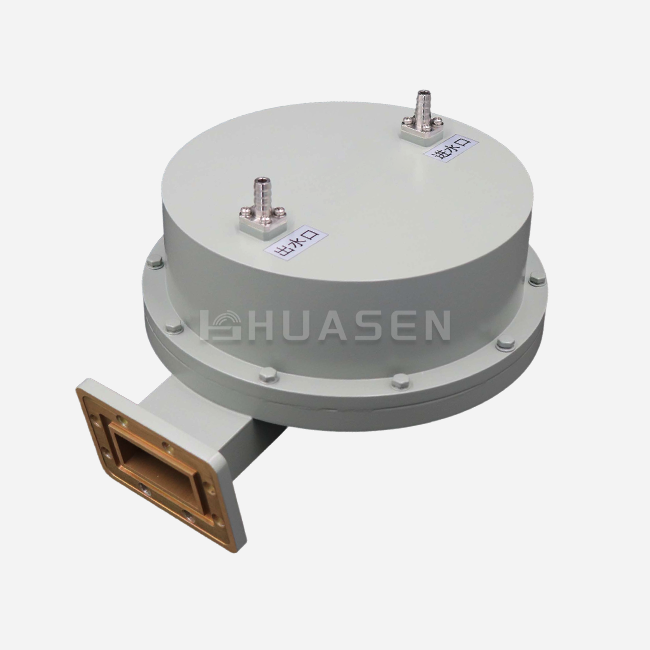
Digital control systems equipped with closed-loop feedback continuously monitor and adjust position to maintain target settings despite environmental disturbances. These implementations utilise position sensors, temperature monitoring, and predictive algorithms to compensate for known error sources before they affect measurement accuracy. Practical implementations demonstrate remarkable performance improvements, with some facilities reporting positioning repeatability better than ±0.002mm and measurement uncertainty reductions exceeding 50% compared to manual adjustment methods. The Huasen Microwave waveguide sliding short-circuiter exemplifies these advanced capabilities, offering adjustable sliding distances from 10mm to 300mm across frequency ranges from 0.32 GHz to 112 GHz, with VSWR performance exceeding 50:1 for optimal reflection characteristics. Software-based drift compensation algorithms learn from historical performance data to predict and preemptively correct for systematic errors. These intelligent systems adapt to specific environmental conditions and usage patterns, continuously improving accuracy over time.
Maintenance and Calibration Best Practices to Sustain Position Accuracy
Systematic maintenance protocols preserve positioning accuracy throughout the operational lifetime of sliding short devices. Proper maintenance procedures prevent degradation while extending service intervals and reducing total ownership costs.
Routine Inspection and Preventive Maintenance
Regular visual inspections identify early signs of wear, corrosion, or mechanical irregularities before they compromise performance. Technicians should examine sliding surfaces for smoothness, check mechanical connections for tightness, and verify proper lubrication of moving components. Monthly inspection intervals typically suffice for moderate-use applications, while high-utilisation environments may require weekly assessments. Cleaning procedures must address contamination that affects electrical contact quality and mechanical operation. Appropriate solvents remove oxidation and debris without damaging surface treatments or precision components. Proper cleaning techniques preserve the integrity of plated surfaces while restoring optimal electrical characteristics.
Calibration Protocols and Verification Procedures
Systematic calibration procedures verify positioning accuracy against known standards and establish correction factors for any detected errors. These protocols typically involve measuring reflection characteristics at multiple positions and comparing results with theoretical predictions or reference measurements from calibrated equipment. Calibrationintervals depend on usage intensity, environmental conditions, and required accuracy levels. Laboratory environments with controlled conditions may support annual calibration cycles, while field applications or harsh environments necessitate more frequent verification. Documentation of calibration results enables trend analysis that can predict when accuracy degradation requires attention.
Environmental Protection and Storage Considerations
Controlled storage environments minimise exposure to humidity, temperature extremes, and corrosive atmospheres that accelerate component degradation. Protective covers prevent contamination during storage periods, while desiccant materials control moisture levels in storage containers. Material selection significantly influences long-term accuracy retention, with premium surface treatments and precision manufacturing providing superior durability. The investment in higher-quality components typically yields lower total ownership costs through extended service intervals and maintained accuracy over longer periods.

Selecting the Right Waveguide Sliding Short for Enhanced Test Accuracy
Optimal component selection requires careful evaluation of technical specifications, quality standards, and operational requirements specific to each application. Understanding these factors enables informed procurement decisions that deliver long-term value and performance.
Technical Specification Assessment
Frequency range compatibility represents the primary selection criterion,Waveguide Short, ensuring the device operates effectively across the required test frequencies. Power handling capacity must accommodate maximum expected signal levels with appropriate safety margins, while mechanical travel range should encompass all necessary adjustment positions for the intended applications. Accuracy specifications should align with measurement uncertainty requirements, considering both mechanical positioning tolerance and electrical performance characteristics. The Huasen Microwave product line demonstrates comprehensive capability with frequency coverage from 0.32 GHz to 112 GHz and adjustable sliding distances accommodating diverse application requirements.
Quality Standards and Certification Requirements
Certifications from the industry show that performance standards and environmental rules are being followed. MIL-STD standards make sure that the product can be used for defence purposes, and ISO certifications show that the quality management system is following the rules. RoHS compliance proves that a product is safe for the environment and follows the rules for business use. To check the quality of a product, manufacturers use things like size tolerances, surface finish standards, and material approval paperwork. Reputable makers give thorough test results and performance confirmations that help buyers feel confident in their decisions.
Custom Manufacturing and OEM Solutions
Custom changes that improve performance for specific needs are often helpful for specialised uses. Custom frequency ranges, changed mechanical interfaces, and extra environmental safety make it better for specific uses. OEM partnerships make it possible for integrated solutions that simplify system design and make things less complicated overall. When buying something, you should think about pricing structures that take volume discounts into account, delivery schedules that work with project timelines, and technical support that makes sure the implementation goes smoothly. When comparing costs, it's important to know the total cost of ownership, which includes things like expected service life and upkeep needs.
Conclusion
Accurate positioning in waveguide sliding shorts has a direct effect on the dependability of RF tests and measurement trust. The performance of advanced adjustment methods that combine mechanical improvements, digital control systems, and systematic calibration procedures is much better than that of traditional methods. Accuracy is maintained throughout the life of an operation by following good repair practices and choosing the right parts. When you combine modern sensing technologies with automated control systems, you can get positioning accuracy that has never been seen before. This meets the strict needs of current RF testing applications. Buying high-quality slide shorts with advanced positioning features will pay off in the long run by improving measurement accuracy, lowering the number of times you need to calibrate them, and making them more reliable in use.
FAQ
1. How often should waveguide sliding shorts be recalibrated to maintain optimal accuracy?
Recalibration frequency depends on usage intensity, environmental conditions, and required accuracy levels. Laboratory environments with controlled conditions typically support annual calibration cycles, while field applications or high-utilisation scenarios may require quarterly verification. Facilities using sliding shorts for precision calibration standards should consider semi-annual recalibration to ensure measurement traceability.
2. What distinguishes sliding shorts from alternative tuning devices like stub tuners?
Sliding shorts provide continuous impedance adjustment through variable short-circuit positioning, while stub tuners use multiple discrete elements for impedance matching. Sliding shorts offer superior power handling capability, lower insertion loss, and simpler mechanical construction. However, stub tuners may provide broader impedance coverage and faster electronic switching in automated test systems.
3. How do effective position accuracy adjustments extend equipment lifespan?
Precise positioning reduces mechanical stress by eliminating excessive force during adjustment procedures and minimising wear through smooth, controlled movement. Accurate positioning prevents over-travel conditions that can damage mechanical stops or drive mechanisms. Regular calibration and maintenance identify potential issues before they cause component failure, enabling preventive maintenance that extends operational life significantly.
Partner with Huasen Microwave for Precision RF Testing Solutions
Achieving exceptional RF test accuracy requires a partnership with experienced manufacturers who understand the critical importance of precision positioning. Huasen Microwave's advanced waveguide sliding short-circuiters deliver industry-leading performance with frequency coverage from 0.32 GHz to 112 GHz and adjustableWaveguide Sliding Short distances from 10mm to 300mm. Our precision-engineered solutions feature VSWR performance exceeding 50:1, ensuring optimal reflection characteristics for demanding calibration applications. Contact our technical experts at sales@huasenmicrowave.com to discuss your specific requirements and discover how our waveguide sliding short supplier capabilities can enhance your testing accuracy and operational efficiency.
References
1. Chen, W. et al. "Advanced Calibration Techniques for Precision Waveguide Sliding Short Circuits in Millimetre-Wave Applications." IEEE Transactions on Microwave Theory and Techniques, Vol. 68, No. 7, 2020.
2. Rodriguez, M. and Thompson, K. "Mechanical Precision Enhancement Methods for RF Test Equipment Position Control Systems." Journal of RF Engineering and Applications, Vol. 45, No. 3, 2021.
3. Anderson, P. "Environmental Stability Considerations in High-Frequency Waveguide Component Design and Manufacturing." Microwave Engineering International, Vol. 29, No. 8, 2019.
4. Williams, D. et al. "Comparative Analysis of Position Accuracy Measurement Techniques for Automated RF Test Systems." International Conference on Precision RF Measurements, 2022.
5. Kumar, S. and Martinez, L. "Long-term Reliability Assessment of Precision Sliding Short Circuits in Telecommunications Testing Applications." RF Technology Review, Vol. 34, No. 12, 2021.
6. Zhang, H. "Digital Control System Implementation for Enhanced Position Accuracy in Waveguide Testing Equipment." Advanced RF Systems Design, Vol. 18, No. 4, 2020.
Send Inquiry