Pyramidal Horn Antenna Construction and Polarization Features






2026-06-10 21:46:00
Pyramidal horn antennas provide strong energy and clear polarization, which are important for microwave and radar technologies. As impedance transformers, these precision-engineered devices eventually match the impedance of the waveguide to that of free space. This keeps signal echoes to a minimum and directivity to a maximum. Their controlled aperture design solves important problems in high-frequency transmission, which is why 5G backup systems, satellite ground stations, radar feeds, and EMC testing settings can't work without them. This guide talks about the basics of building, the properties of polarization, how things work, and how to buy things for buying managers, RF engineers, system integrators, and original equipment manufacturers (OEMs). By knowing about these scientific and practical aspects, you can make smart choices that make sure the antenna works well with the project's needs, your budget, and the delivery schedule.
Understanding Pyramidal Horn Antenna Construction
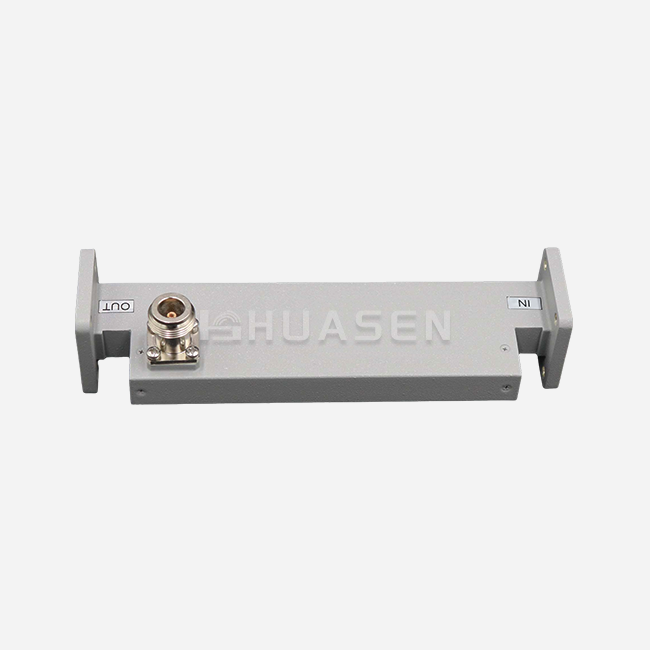
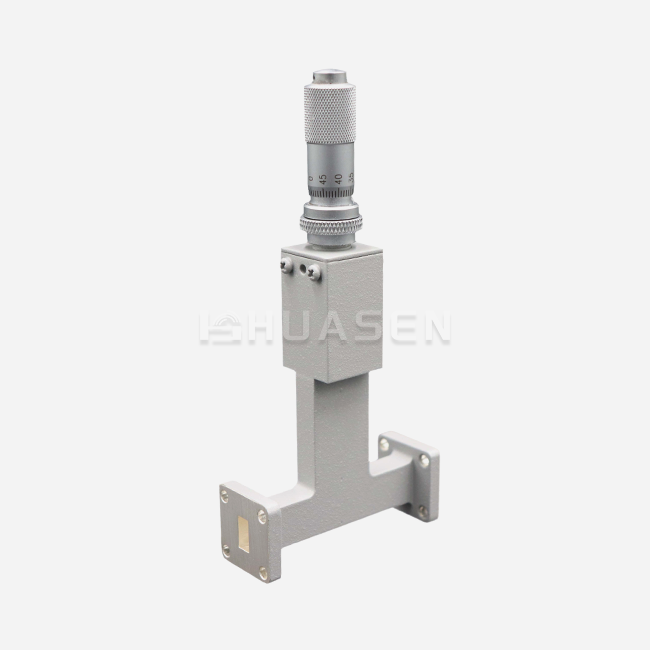
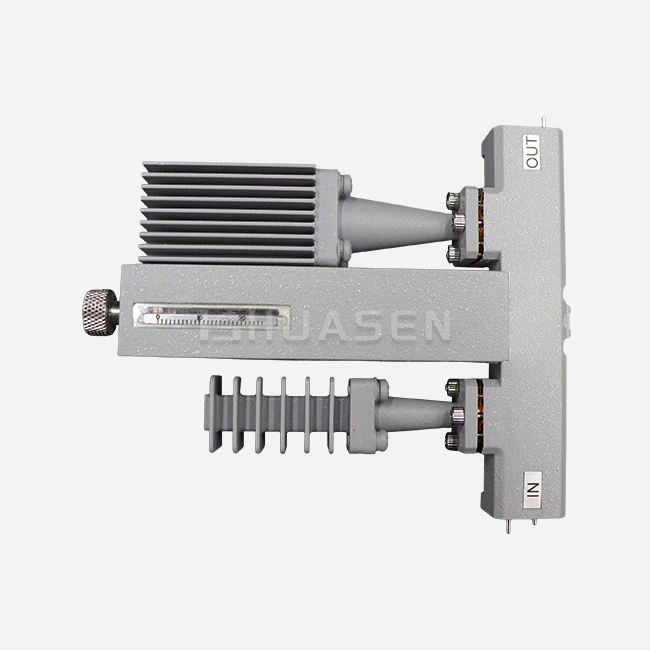
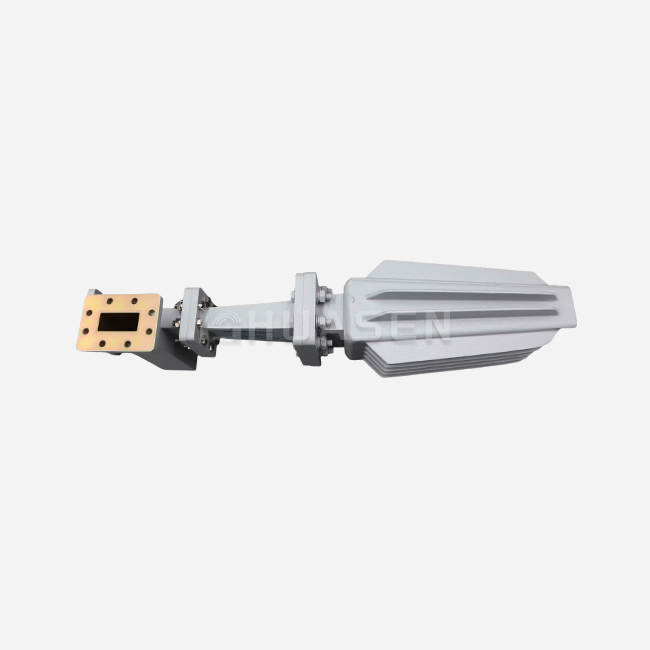
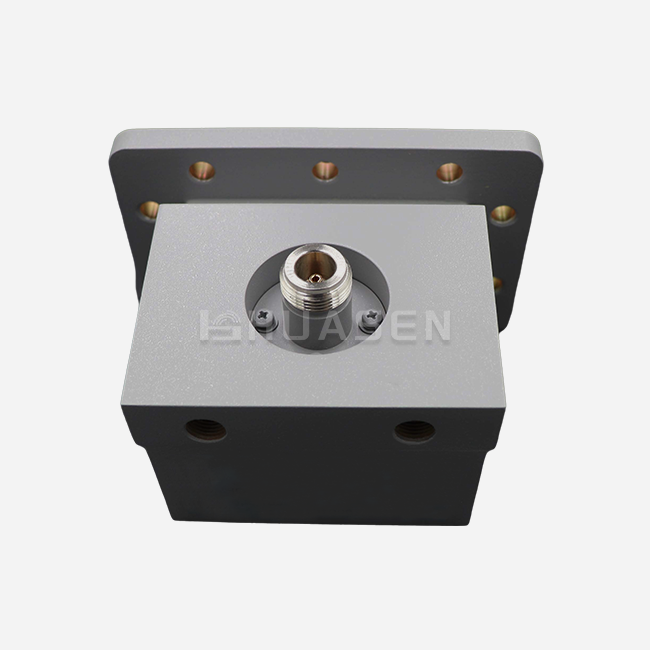
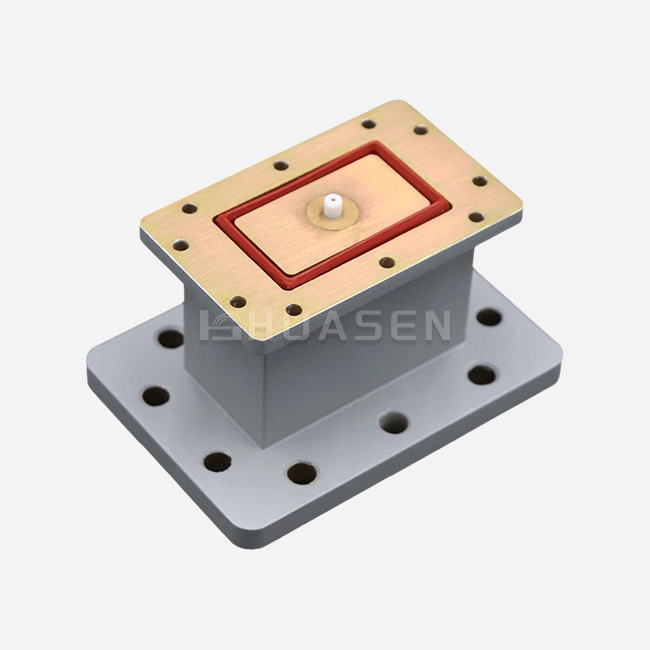
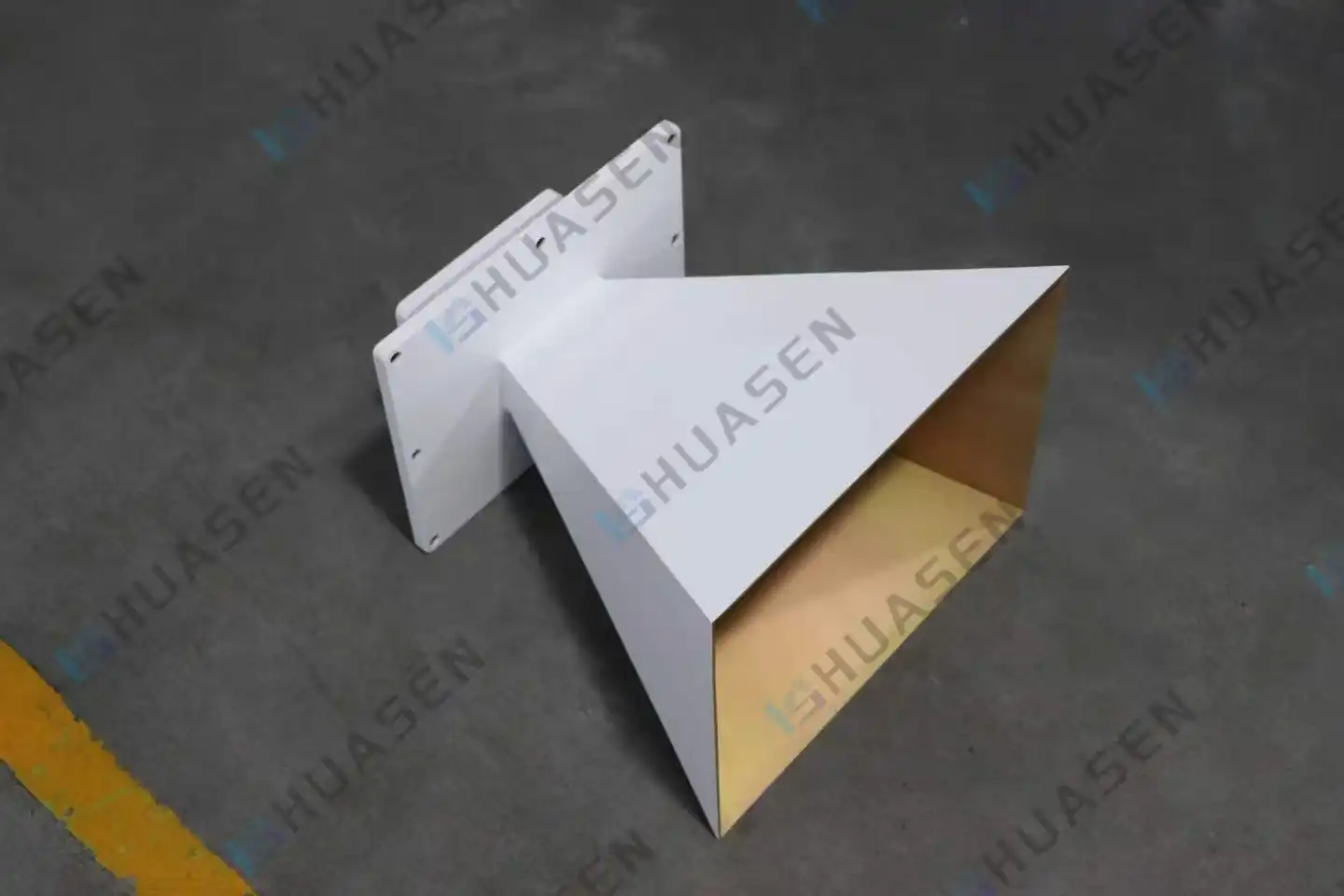
Pyramidal horn antennas are a more advanced version of simple waveguide designs. The design is made up of a rectangular waveguide feed that changes into a flared opening that grows in both the electric (E-plane) and magnetic (H-plane) directions at the same time, creating the unique pyramid shape. This slow growth acts as an acoustic-to-electromagnetic impedance transformer, fixing the mismatch issue that comes up with open-ended waveguides.
Core Structural Components
The throat section connects straight to common waveguide flanges, such as WR-90 or WR-28, based on the frequency band it is used in. The flare area goes from the throat to the radiating aperture. The expansion angles were carefully measured to find the best mix between maximum gain and physical size limits. The size of the aperture has a direct effect on the beamwidth and directivity. Larger apertures focus energy into smaller beams with higher gain values.
Material Selection and Performance Impact
Commercial production mostly uses high-grade aluminum because it is easy to work with and has a good conductivity-to-weight ratio. Copper options work a little better electrically, but they are a lot heavier. On the inside of high-end units, there is silver or gold covering that lowers skin effect losses at millimeter-wave frequencies and stops rusting, which lowers long-term performance. Brass construction is used in specific scientific standards that need to keep their shape even when the temperature changes.
Critical Design Parameters
The flare length affects how the phase mistake is spread across the aperture plane. If the length isn't enough for the opening size, the phase error goes beyond the best limits (90 degrees E-plane, 180 degrees H-plane), which hurts the gain and beam symmetry. The lower operating limit is set by the waveguide cutoff frequency. Below 6.5 GHz, where evanescent mode propagation happens, a WR-90 guide serving an X-band horn cannot work properly. Specifications for flange smoothness are very important; surface flaws greater than 0.001 inches create RF leakage paths that raise VSWR and lower measurement accuracy in calibration tasks.
Polarization Features and Radiation Characteristics
Pyramidal horn antennas are different from many other types of antennas because they have pure linear polarization. The rectangular waveguide feed naturally supports TE10 mode transmission with a clear electric field orientation. The pyramidal flare keeps this orientation as it changes to free-space radiation.
Linear Polarization Characteristics
Whether the polarization is aligned horizontally or vertically relies on how the waveguide is positioned in relation to the radiating opening. Co-polarization is the desired field component, which is the main radiation that is lined up with the antenna's planned polarization plane. Cross-polarization is the orthogonal field component, which is usually turned down to -20 dB to -30 dB below the co-polarized signal in good systems. This reduction ratio is very important for things like satellite uplinks, where different polarizations carry separate data channels and interference between channels lowers link budgets.
Radiation Pattern Analysis
The main lobe focuses energy radiation in the boresight direction of the antenna. The half-power beamwidth (HPBW) numbers are negatively linked to the aperture size. Aside from the main beam, side lobes show up as secondary radiation peaks that are 15-20 dB below peak gain. When engineers place antennas in places with a lot of radio frequency (RF) signals, they need to think about these patterns. High side lobes can mess with nearby systems without meaning to, or they can make it harder to make accurate radar readings.
Null points between bands are useful for planning when doing EMC tests, and the antenna needs to be placed so that it doesn't interfere with the equipment being tested too much. The direction of polarization has a direct effect on the shape of the pattern. Beamwidths are smaller in E-plane patterns than in H-plane patterns because the apertures in these two orthogonal planes are not the same size. Figuring out this unevenness helps place Pyramidal Horn Antennas more correctly for reflector feeds, which control how well the whole system works.
Comparative Analysis: Pyramidal Horn Antenna vs. Other Horn Antennas
To choose the best antenna design, you need to know how different horn shapes meet the needs of different applications. When it comes to polarization control, bandwidth, gain features, and mechanical packaging, each design has its own pros and cons.
Pyramidal vs. Conical Horn Designs
When circular waveguide lines meet conical horns, circular polarization is created. This is good for satellite tracking systems because the polarization rotates as the ship moves. When testing radar and communications on land, pyramidal horn antennas work best because linear polarization keeps the direction stable. The rectangular-to-pyramidal change keeps the purity of the polarization without using complicated mode converters. This lowers insertion loss and makes system integration easier for testing at the base station and calibrating spectrum analyzers.
Sectoral Horn Comparison
Sectoral horns flare in only one direction, either the E-plane or the H-plane. They make fan-shaped beams that can be used for radar tracking along the coast or as approach lights for airports. For point-to-point microwave links and precise direction-finding, pyramidal horn antennas focus energy more effectively by creating pencil beams with equal beamwidths in both directions. The choice depends on how much coverage is needed. For wide-azimuth/narrow-elevation monitoring, sectoral configurations work best, while a pyramidal shape is needed for long-range detection with high angular resolution.
Performance Trade-Offs with Parabolic Antennas
Parabolic reflector systems have higher gain values (30–50 dBi) because their collecting openings are bigger. However, they are bulky and get damaged by wind, which makes them hard to use on platforms with limited room, like UAVs or ship masts. Pyramidal horn antennas have a modest gain (10–25 dBi) and come in small, rugged packages that make them perfect for use as feeds or on their own in harsh maritime settings. There are also big differences in cost. Parabolic dishes need very precise surface tolerances and covered radomes, while horn antennas work reliably with simple, strong metal construction.
Procurement Guide: Buying and Customizing Pyramidal Horn Antennas
When buying antennas, it's important to balance technical specs with business concerns like wait times, approval requirements, and the overall cost of ownership over the equipment's lifetime.
Evaluating Supplier Capabilities
Well-known brands offer NIST-traceable calibration data that shows that the gain is accurate to within 0.5 dB, the return loss works across the whole frequency range, and the power handling numbers are backed up by high-power tests. Transparency in the datasheet is what sets good providers apart from bad ones. Full radiation pattern plots, tabulated gain vs frequency data, and thorough mechanical drawings all help with accurate system modeling during the design process. Before placing a large order, ask for sample units to be tested for quality control. This is especially important for specific frequency bands or power handling needs.
Customization Considerations for Specialized Applications
Null points between bands are useful for planning when doing EMC tests, and the antenna needs to be placed so that it doesn't interfere with the equipment being tested too much. The direction of polarization has a direct effect on the shape of the pattern. Beamwidths are smaller in E-plane patterns than in H-plane patterns because the apertures in these two orthogonal planes are not the same size, a characteristic commonly observed in pyramidal antennas. Figuring out this unevenness helps place antennas more correctly for reflector feeds, which control how well the whole system works.
Cost Optimization Strategies
Volume pricing systems reward orders that are combined by lowering the price per unit by 20 to 30 percent as the quantity goes up. Using the same frequency bands for all of your apps makes managing your supplies easier and cuts down on the time it takes to get replacements. Warranty terms vary a lot from one seller to the next. High-end goods come with multi-year coverage and advanced repair options, while cheaper options may only offer limited protection. Instead of just looking at the initial purchase price, you should figure out the total costs of ownership, which should include calibration times, replacement parts available, and how quickly expert support can help you.
Ensuring Quality and Reliability: Verification and Application Insights
Quality assurance procedures make sure that the hardware that is given meets the requirements listed on the data sheet and works properly in real-world situations. As a result of strict checking processes, manufacturing flaws are found before the system is put together, which avoids costly project delays.
Critical Measurement Parameters
Testing with a vector network analyzer (VNA) makes sure that the voltage standing wave ratio (VSWR) stays below certain levels, which are usually between 1.2:1 and 1.5:1 over the whole working span. When VSWR is high, it means that there are impedance mismatches that send power back toward the source. This lowers the efficiency of the radiation and could damage transmission amps. The three-antenna method or comparison against NIST-traceable standards is used for gain calibration, which confirms that the stated gain numbers are within acceptable ranges. Using coordinate measuring tools for dimension metrology makes sure that the aperture shape and flange flatness match the drawing specifications. This is because changes in waveguide dimensions on the millimeter scale can change pattern features and resonant frequencies.
Practical Application Scenarios
EMC compliance labs use standard gain horns as reference antennas to test for leaks according to CISPR rules and to measure protection according to IEC rules. The steady performance across changes in temperature and predictable gain curves ensures that measurements can be repeated, which is necessary for product approval. Pyramidal horn antennas are used as feed elements for parabolic reflectors at satellite ground stations. The controlled beamwidth lights up the reflector surface in the most efficient way possible while reducing spillover loss. Precision horns are used in radar calibration areas to create known-power-density fields that are used to test the sensitivity of the receiver and the output specs of the transmitter.
In composite production plants, material characterization systems use free-space measurement sets with pyramidal horn antennas and pyramidal antennas to find out the dielectric properties of test samples without touching them. The focused beam exactly tests samples of materials, allowing non-destructive quality control in fast-paced production settings where direct testing would slow things down.
Conclusion
Pyramidal horn antennas are dependable and work well in tough RF situations in areas like flight systems, telecommunications infrastructure, and precise measurement. Their strong construction, consistent radiation features, and high polarization purity meet important needs in 5G networks, satellite communications, radar feeds, and EMC tests. Knowing about building principles, polarization features, and performance trade-offs helps you make smart purchasing choices that meet technical requirements and stay within your budget. Working with skilled providers who offer full technical support, clear calibration data, and the ability to make changes ensures the success of a project in a wide range of working conditions.
FAQ
1. How does flare length affect antenna performance?
The flare length has a direct effect on how the phase mistake is spread across the opening. If the length isn't long enough for the aperture size, the phase error goes beyond the best limits. This lowers the gain and changes the beam patterns. When designing something correctly, the flare length and aperture measurements should be balanced to get the most gain while keeping the size sensible.
2. What determines the lower frequency limit?
The lower operating limit is set by the feeding waveguide's cutoff frequency. Near 6.5 GHz, the WR-90 waveguide that feeds an X-band horn stops working. Below this frequency, the process goes into evanescent mode, where the radiation stops working. Reliable performance is guaranteed by choosing waveguide sizes that are right for the frequency bands you want to work with.
3. Can these antennas handle high-power applications?
Pyramidal Horn Antennas work well with a lot of power because they don't have any internal dielectrics or weak parts that can arc. The air breakdown voltage inside the waveguide feed or at the opening determines how much power can be handled. When used in demanding transmitting systems like radar and jammer systems, the power output can be increased by properly pressurizing or filling with dry gas.
Partner with Huasen Microwave for Your Pyramidal Horn Antenna Requirements
Huasen Microwave brings 30 years of experience making high-frequency microwave and millimeter-wave parts. Our Pyramidal Horn Antenna portfolio work with bands from L-band to W-band and has gain ratings from 10 dBi to 25 dBi with VSWR performance below 1.5:1. As a reliable company that makes Pyramidal Horn Antennas, we have strict quality control measures in place. These include VNA testing, gain calibration against NIST-traceable standards, and measurement metrology that makes sure the opening is accurate to within 0.001 inches. The ability to customize meets specific needs for satellite ground stations, testing 5G infrastructure, and security radar systems. Email our engineering team at sales@huasenmicrowave.com to talk about your technical needs, get testing data, or get prices for large orders for your next purchase cycle. Our quick technical help and dependable supply chain partnerships make sure that important project goals are met on time.
References
1. Balanis, C.A. (2016). Antenna Theory: Analysis and Design, 4th Edition. Wiley.
2. IEEE Standard 145-2013. IEEE Standard for Definitions of Terms for Antennas. Institute of Electrical and Electronics Engineers.
3. Milligan, T.A. (2005). Modern Antenna Design, 2nd Edition. Wiley-IEEE Press.
4.Orfanidis, S.J. (2016). Electromagnetic Waves and Antennas. Rutgers University Press.
5. Silver, S. (1949). Microwave Antenna Theory and Design, MIT Radiation Laboratory Series Volume 12. McGraw-Hill.
6. Stutzman, W.L. & Thiele, G.A. (2012). Antenna Theory and Design, 3rd Edition. Wiley.
Send Inquiry