Parabolic Antenna vs Horn Antenna: Use Case Comparison






2026-04-04 21:57:02
When engineers and procurement professionals compare parabolic antenna and horn antenna solutions, they need to look at the different operational characteristics that describe the best ways to use each technology. Parabolic antennas use curved reflector surfaces to direct electromagnetic energy into very narrow beams. This gives them great gain performance for communication over long distances. Horn antennas use flared waveguide structures that give them a moderate gain and wider coverage patterns. This makes them useful for testing in the lab and for broadband uses. Understanding these basic differences helps you make smart choices for your specific project needs, ensuring the best signal performance while balancing cost and installation difficulty in a wide range of industrial settings.
fundamentals of parabolic and horn antennas
operating principles and design architecture
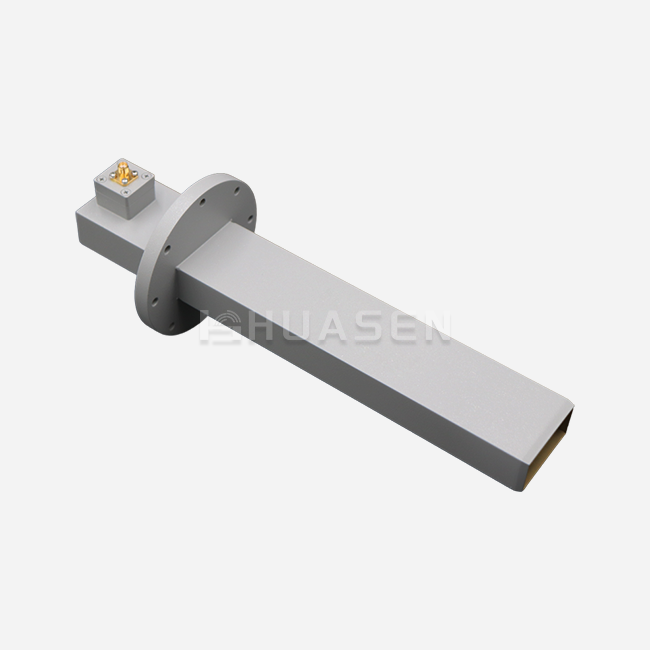
Electromagnetic waves are reflected by carefully designed curvy surfaces, which is how parabolic antennas work. The parabolic reflector focuses inbound signals on a focal point where the feed horn can pick up the most energy. This makes very directional radiation patterns with great gain properties. With this design, these antennas can get gains of 20 dBi to over 50 dBi, based on the frequency band and reflector width. Because parabolic shapes produce a narrow beamwidth, they reduce interference while increasing signal strength over long distances. Horn antennas work as flared waveguide extensions that move electromagnetic waves from waveguide modes that are limited to open space. The flared shape manages impedance matching and radiation patterns, giving gains that are usually between 10 and 25 dBi and beamwidths that are bigger than with parabolic designs. This design lets horn antennas keep their great broadband performance over a wide frequency range. This makes them good for uses that need to be able to change frequencies and control the radiation features.
physical construction and materials
Modern parabolic mirrors are made of precision-formed aluminium that has been coated to protect it from the environment for a long time. The accuracy of the reflector surface has a direct effect on how well the antenna works. Usually, the surface tolerances are kept to a few fractions of the working wavelength. Advanced dielectric materials and precise machining are used in feed horn systems to improve signal coupling and reduce losses. Radome security keeps the feed system safe from the outside world while keeping RF open. When building a horn antenna, the waveguide flare geometry needs to be very precise mechanically, and the changes need to be smooth for the best impedance matching. When choosing materials, thermal stability and corrosion protection are very important, especially for installations ofparabolic reflector antennasthat will be outside. Because horn antennas are small, they don't need as much mounting gear and are mechanically stable against wind loading and vibration.
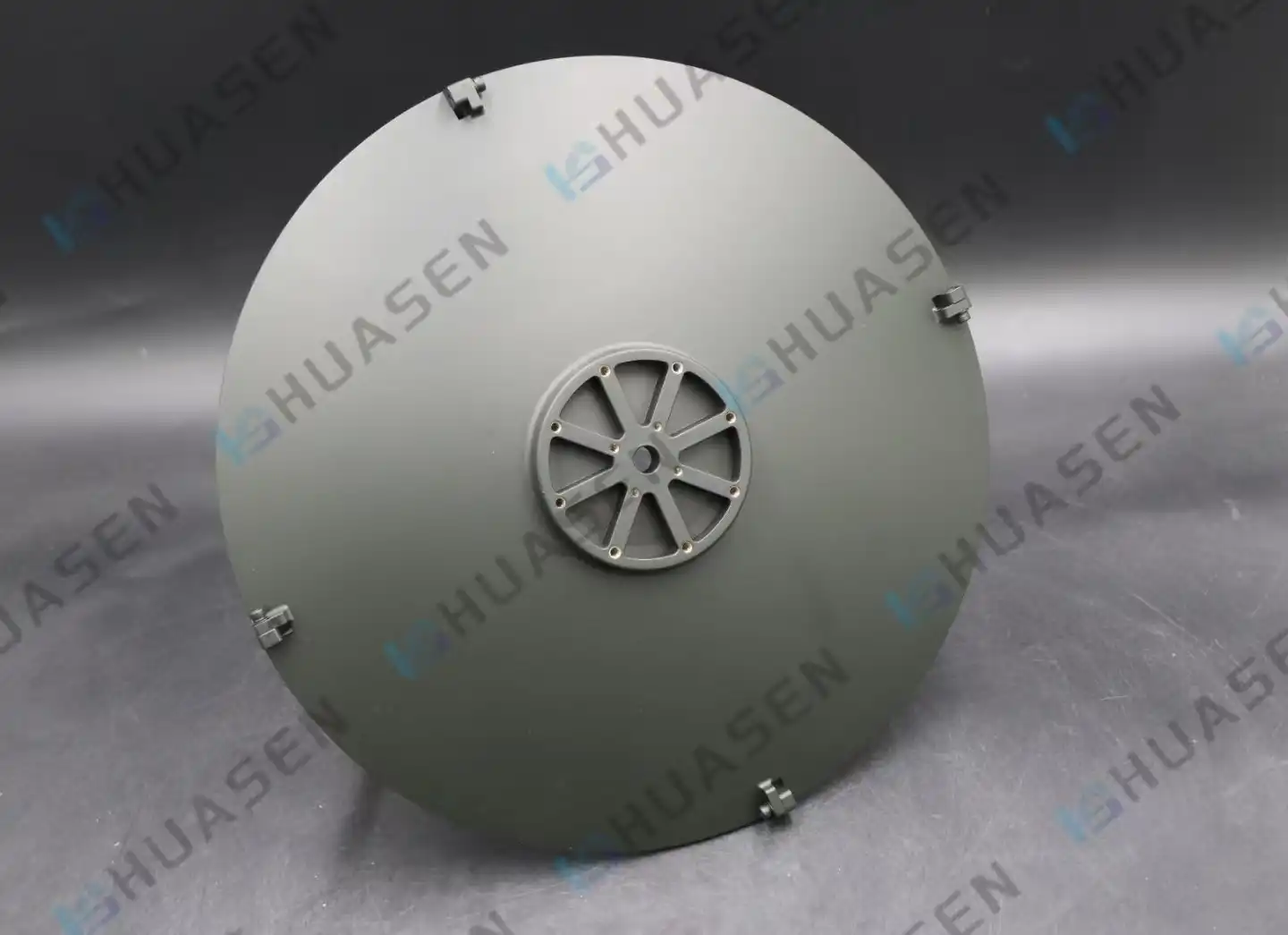
Comparative analysis: parabolic antenna vs horn antenna
performance characteristics and technical specifications
When you compare these antenna types' performance, you can see that each has clear benefits for different types of applications. When direction accuracy and signal concentration are very important, parabolic antennas work great in high-gain situations. Because they have a narrow half-power beam width (hpbw), they can precisely target transmission nodes far away while blocking interference from sources close by. Return loss performance is usually better than 20 dB across all working bandwidths. This makes sure that power is transferred efficiently and signals are kept intact. Horn antennas have a modest gain and a much wider beamwidth coverage, which makes them perfect for uses that need more coverage angles or frequency flexibility. Because they are naturally broadband, they can work across octave-bandwidth bands without losing much performance. Because horn designs can match impedances very well, they can have vswr values below 1.5:1 over a wide range of frequencies. This makes them perfect for measurement tasks and wideband systems.
installation and mounting considerations
The maintenance needs for these types are very different, which affects the total cost of the system and how hard it is to set up. For parabolic antennas to work, their mounting structures need to be strong enough to handle their bigger size and wind loads. Precise alignment methods are needed to keep performance at its best, especially in high-gain setups where small errors in pointing can have a big effect on signal strength. The mounting hardware needs to be able to make small changes to the azimuth and elevation while still staying stable in harsh conditions. Many people find it easier to place horn antennas because they are small and don't get as much wind load. The simpler mechanics mean that it takes less time and costs less to set up the hardware. To get the best performance, you still need to pay close attention to the connector contacts and waveguide routing to make sure there are no signal losses or reflection problems.
application-based use case evaluation
high-gain communication systems
Parabolic antennas dominate applications requiring maximum signal concentration and long-range communication capabilities. Satellite communication terminals rely on parabolic designs to establish reliable links across thousands of kilometers, where every decibel of gain directly impacts link margin and system reliability. The exceptional directional properties enable frequency reuse strategies that maximize spectrum efficiency in dense communication networks. Radar systems leverage parabolic antenna technology to achieve the high gain and narrow beamwidth necessary for target detection and tracking applications. The ability to concentrate transmitted power into tight beam patterns while maintaining excellent receive sensitivity makes parabolic designs essential for both commercial and defense radar installations. weather radar networks, air traffic control systems, and maritime navigation depend on parabolic antenna performance for reliable operation.
broadband and measurement applications
horn antennas excel in environments requiring broadband frequency coverage and stable radiation patterns across wide frequency ranges. RF testing laboratories utilize horn antennas as reference standards for antenna measurements due to their predictable characteristics and excellent impedance matching. The stable phase center and minimal pattern variation with frequency make them ideal for calibration applications and electromagnetic compatibility testing.Communications testing environments benefit from horn antenna versatility when evaluating devices across multiple frequency bands. The ability to maintain consistent performance from sub-gigahertz to millimeter-wave frequencies reduces test setup complexity and improves measurement accuracy. Research institutions conducting advanced parabolic reflector antennawireless technology development rely on horn antenna stability for repeatable experimental results.
environmental and operational requirements
Outdoor communication installations must consider environmental resilience whenselecting antenna technologies for parabolic reflector antennas. Parabolic antennas designed for harsh environments incorporate protective radomes and corrosion-resistant materials to ensure reliable long-term operation. The larger physical size requires careful consideration of wind loading and structural support, particularly in regions prone to severe weather conditions. Ice loading protection becomes essential in cold climates where accumulation can detune antenna performance. horn antennas provide inherent environmental advantages through their compact design and reduced wind loading characteristics. The enclosed waveguide structure offers natural protection against moisture ingress and contamination. However, proper connector sealing and waveguide pressurization remain important considerations for maintaining long-term reliability in outdoor installations.
procurement insights and market considerations,
cost analysis, and supplier evaluation
Understanding the total cost of ownership requires analyzing both initial procurement costs and long-term operational expenses. Parabolic antenna systems typically involve a higher initial investment due to precision manufacturing requirements and mounting hardware complexity. However, the superior performance characteristics can justify higher costs in applications where link reliability and signal quality are paramount. Procurement professionals should evaluate supplier capabilities in custom reflector manufacturing and feed system optimization. horn antenna procurement focuses on waveguide precision and connector compatibility across diverse system configurations. The standardized nature of waveguide interfaces simplifies integration while enabling competitive supplier selection. Quality manufacturers provide comprehensive test data, including radiation patterns, impedance characteristics, and environmental qualification results. Evaluation criteria should emphasize mechanical precision, material quality, and compliance with relevant industry standards.
supply chain and delivery considerations
Antenna procurement timelines vary significantly based on customization requirements and supplier capabilities. Standard parabolic antenna configurations may be available from stock, while custom frequency bands or specialized mounting requirements can extend delivery schedules. Establishing relationships with suppliers capable of rapid prototype development and modification becomes crucial for projects with evolving specifications. Horn antenna supply chains typically offer shorter lead times due to standardized waveguide manufacturing processes. However, specialized frequency bands or custom flare angles may require extended production schedules. Procurement strategies should consider supplier geographic distribution and local support capabilities to minimize shipping costs and enable responsive technical support.
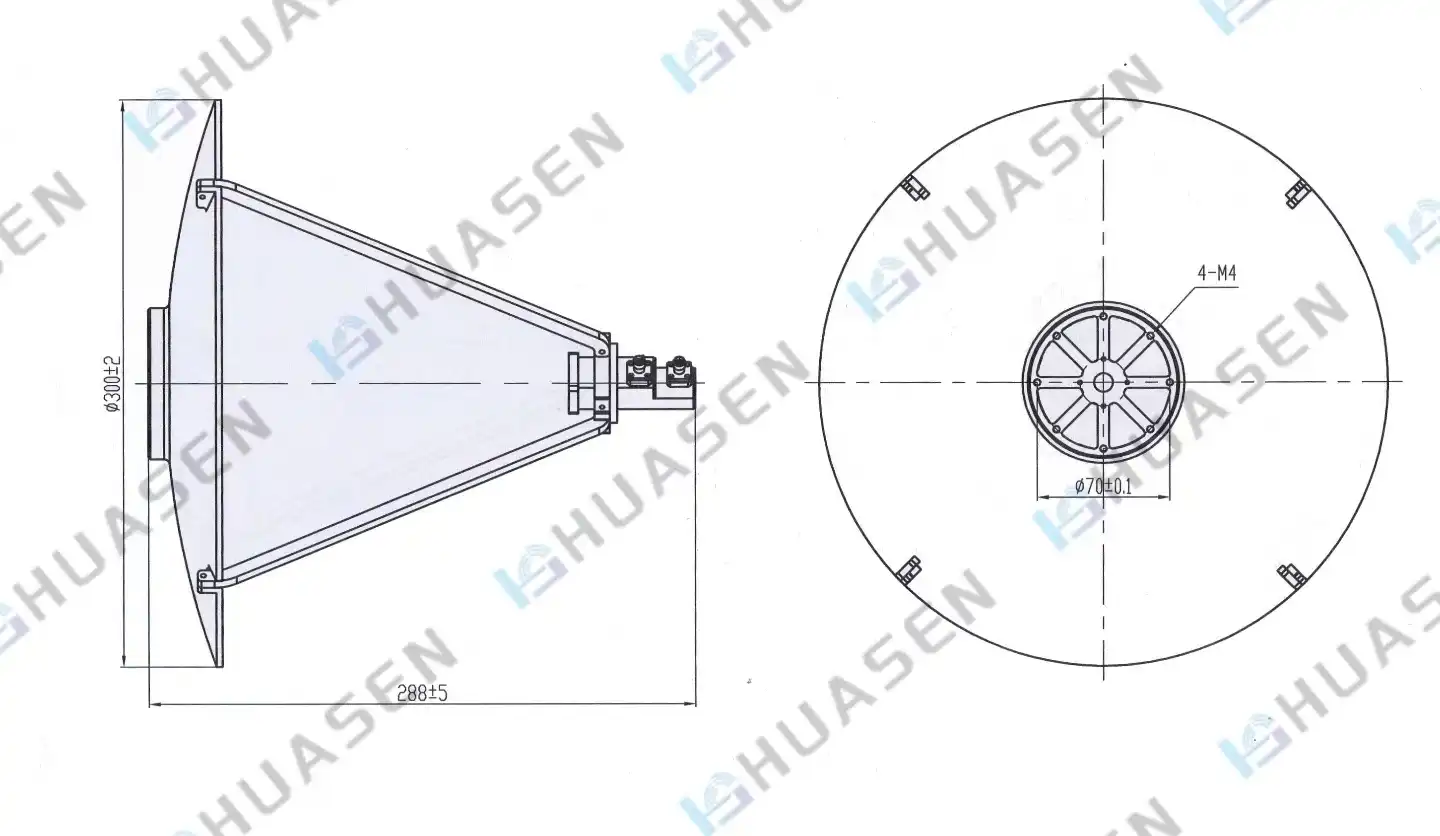
decision guide for b2b clients: matching antenna solutions to needs
requirements analysis framework
Antenna selection that works starts with a full needs analysis that looks at both technical requirements and operating limitations. Before engineers look at antenna choices, they need to know what the minimum gain needs to be, what frequency bands it needs to cover, what the installation limitations are, and what the environmental conditions are. To figure out what antenna performance levels are needed, the analysis should include link budget estimates that take into account path loss, effects of the environment, and system noise. Budget concerns go beyond the initial cost of the hardware and include things like how hard it is to install, how much upkeep is needed, and possible upgrade paths. Long-term operational situations should take into account how frequency allocations, capacity needs, and technology change over time. A methodical approach to writing down requirements makes sure that the evaluation factors are the same for all supplier proposals.
technology selection criteria
The antenna selection decision matrix should give performance factors different weights based on the importance of the application. Gain and efficiency are most important for high-capacity communication links,parabolic antenna while broadband performance and pattern stability are most important for measurement uses. Environmental factors affect the choice of materials and the needs for mechanical design, especially for systems that will be used in harsh or corrosive environments. When choosing an antenna for a system-level project, integration complexity becomes important because it affects the overall design. To keep modification costs as low as possible, connector compatibility, cable routing, and control system connections must all work with the infrastructure that is already in place. Forward compatibility checks make sure that the devices you choose can work with newer versions of your system without needing major hardware changes.
conclusion
Choosing between parabolic and horn antenna technologies relies on how well performance needs are met while operational constraints and cost are taken into account. For long-range communication and radar, parabolic antennas offer the best gain and directional accuracy. Horn antennas, on the other hand, are more flexible over a wider frequency range and easier to place for measurement and shorter-range uses. When making selection decisions, procurement workers need to look at the total cost of ownership, the supplier's skills, and how hard it will be to integrate the new system. Knowing the main differences between these technologies lets you make smart decisions that improve system performance while staying within your budget and time frame.
FAQ
1. Which antenna type provides better performance for satellite communications?
Parabolic antennas significantly outperform horn antennas for satellite communication applications due to their superior gain characteristics and directional precision. The high gain achievable with parabolic designs enables reliable links across the vast distances involved in satellite communications, while the narrow beamwidth minimizes interference from adjacent satellites. Horn antennas lack sufficient gain for most satellite applications and would require impractically large dimensions to achieve equivalent performance.
2. How do installation costs compare between parabolic and horn antennas?
Installation costs for parabolic antennas typically exceed those of horn antennas due to mounting structure requirements and alignment complexity. The larger size and wind loading of parabolic antennas necessitate robust mounting hardware and professional installation services. Horn antennas offer simplified installation procedures with reduced mounting requirements, though proper waveguide connections remain critical for optimal performance.
3. What frequency ranges are optimal for each antenna type?
Parabolic antennas perform efficiently across most frequency ranges but are particularly advantageous at microwave and millimeter-wave frequencies where high gain is essential. Horn antennas excel in broadband applications and can maintain consistent performance across octave bandwidths, making them suitable for applications requiring frequency agility or wide bandwidth coverage.
4. Which antenna type offers better long-term reliability?
Both antenna types can provide excellent long-term reliability when properly designed and installed. Parabolic antennas require protection against environmental effects that could degrade reflector surface accuracy, while horn antennas benefit from the inherent protection of the enclosed waveguide structure. Proper material selection and environmental sealing are critical for both technologies.
Partner with Huasen Microwave for Advanced Parabolic Antenna Solutions
Huasen Microwave Technology stands as your trusted parabolic antenna manufacturer, delivering precision-engineered solutions that meet the demanding requirements of modern RF applications. Our comprehensive product portfolio spans microwave and millimeter-wave frequencies, incorporating advanced dual-polarization capabilities and superior environmental protection. With over three decades of engineering excellence, we provide customized antenna solutions that optimize your communication system performance while ensuring reliable long-term operation.
Our technical expertise extends beyond standard products to include specialized design services that address unique application requirements. Whether you need high-gain parabolic antennas for satellite terminals or precision horn antennas for measurement applications, our engineering team collaborates with your project requirements to deliver optimal solutions. Contact our sales team at sales@huasenmicrowave.com to discuss your specific antenna requirements and discover how our proven RF technology can enhance your system capabilities.
References
1. Balanis, Constantine A. "Antenna Theory: Analysis and Design, Fourth Edition." John Wiley & Sons, 2016.
2. IEEE Standard 149-2021. "IEEE Recommended Practice for Antenna Measurements." Institute of Electrical and Electronics Engineers, 2021.
3. Milligan, Thomas A. "Modern Antenna Design, Second Edition." IEEE Press Series on Electromagnetic Wave Theory, 2005.
4. Orfanidis, Sophocles J. "Electromagnetic Waves and Antennas." Rutgers University Press, 2016.
5. Stutzman, Warren L. and Gary A. Thiele. "Antenna Theory and Design, Third Edition." John Wiley & Sons, 2012.
6. Volakis, John L. "Antenna Engineering Handbook, Fourth Edition." McGraw-Hill Professional, 2007.
Send Inquiry