How Does a Waveguide Calibration Kit Improve VNA Measurement Results?






2026-01-14 22:25:16
In precision RF and microwave testing environments, measurement uncertainty represents one of the most critical challenges facing engineers today. When your vector network analyzer displays inconsistent readings, unstable return loss measurements, or questionable S-parameter data, the root cause often traces back to inadequate calibration procedures. A Waveguide Calibration Kit addresses this fundamental problem by providing precision-engineered standards that eliminate systematic measurement errors, enabling your VNA to deliver repeatable, traceable results across the entire frequency spectrum. Without proper waveguide calibration, even the most sophisticated VNA cannot compensate for variations in interconnects, adapters, and test fixtures that introduce measurement uncertainties exceeding acceptable tolerances for critical applications in aerospace, defense, and telecommunications.
Understanding the Critical Role of Waveguide Calibration in VNA Accuracy
The fundamental principle behind VNA measurement improvement lies in error correction algorithms that require known calibration standards to characterize and remove systematic errors from the measurement path. When engineers perform measurements on waveguide components without calibration, the VNA encounters multiple sources of uncertainty including directivity errors, source match errors, load match errors, transmission tracking errors, reflection tracking errors, and isolation errors. These systematic errors compound throughout the measurement chain, potentially causing measurement deviations that render test results unreliable for design validation or production qualification purposes.
A Waveguide Calibration Kit transforms measurement quality by providing precision reference standards with known electromagnetic characteristics that enable the VNA to mathematically model and subtract these systematic errors. The calibration process establishes a reference plane at the waveguide interface, effectively moving the measurement reference point from the VNA test ports to the device-under-test connection point. This error-correction capability becomes particularly crucial in millimeter-wave applications where waveguide dimensional tolerances directly impact measurement accuracy, and where even minor misalignments can introduce significant phase and amplitude errors that corrupt S-parameter measurements.
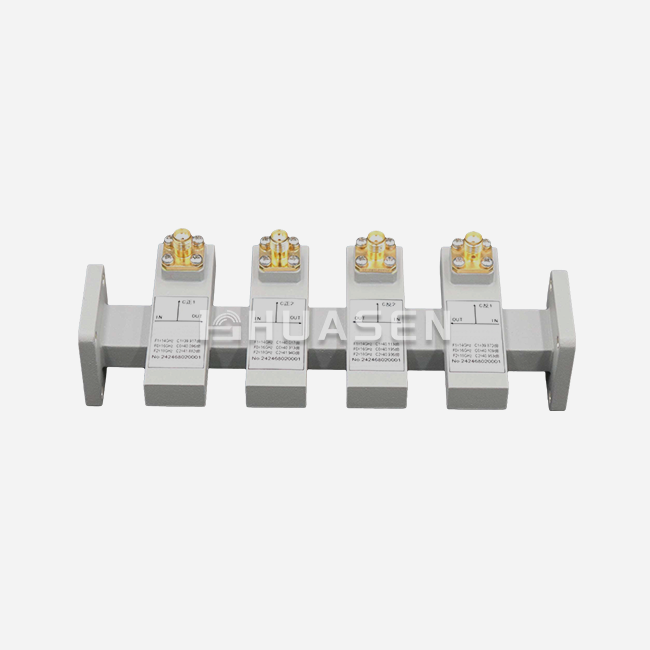
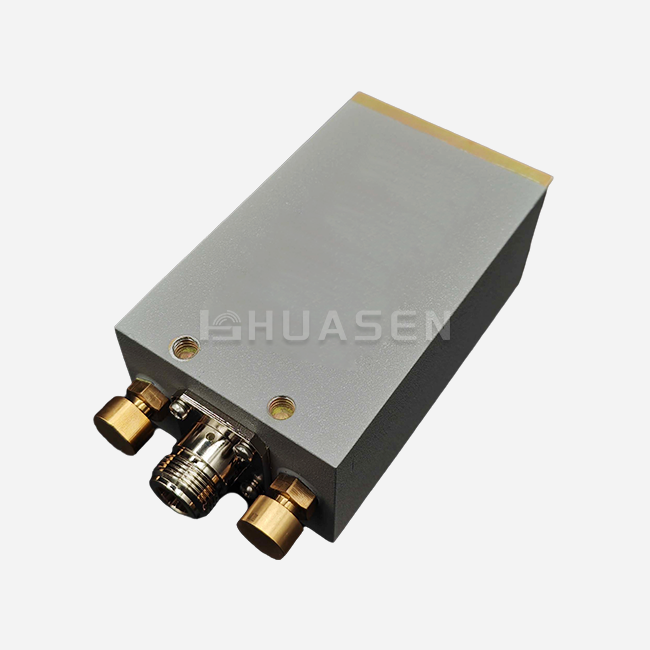
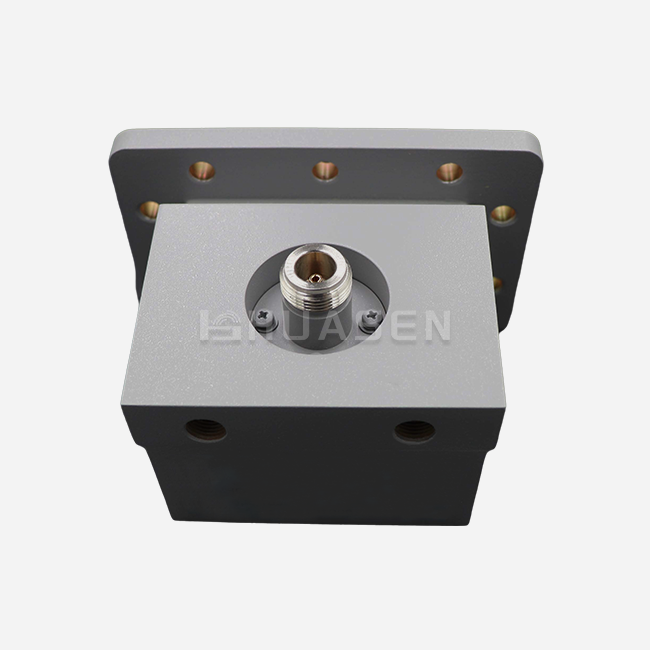
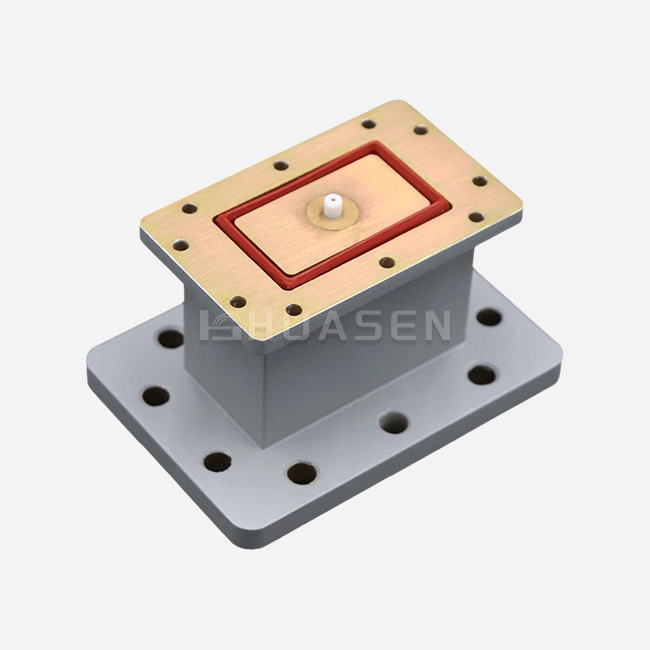
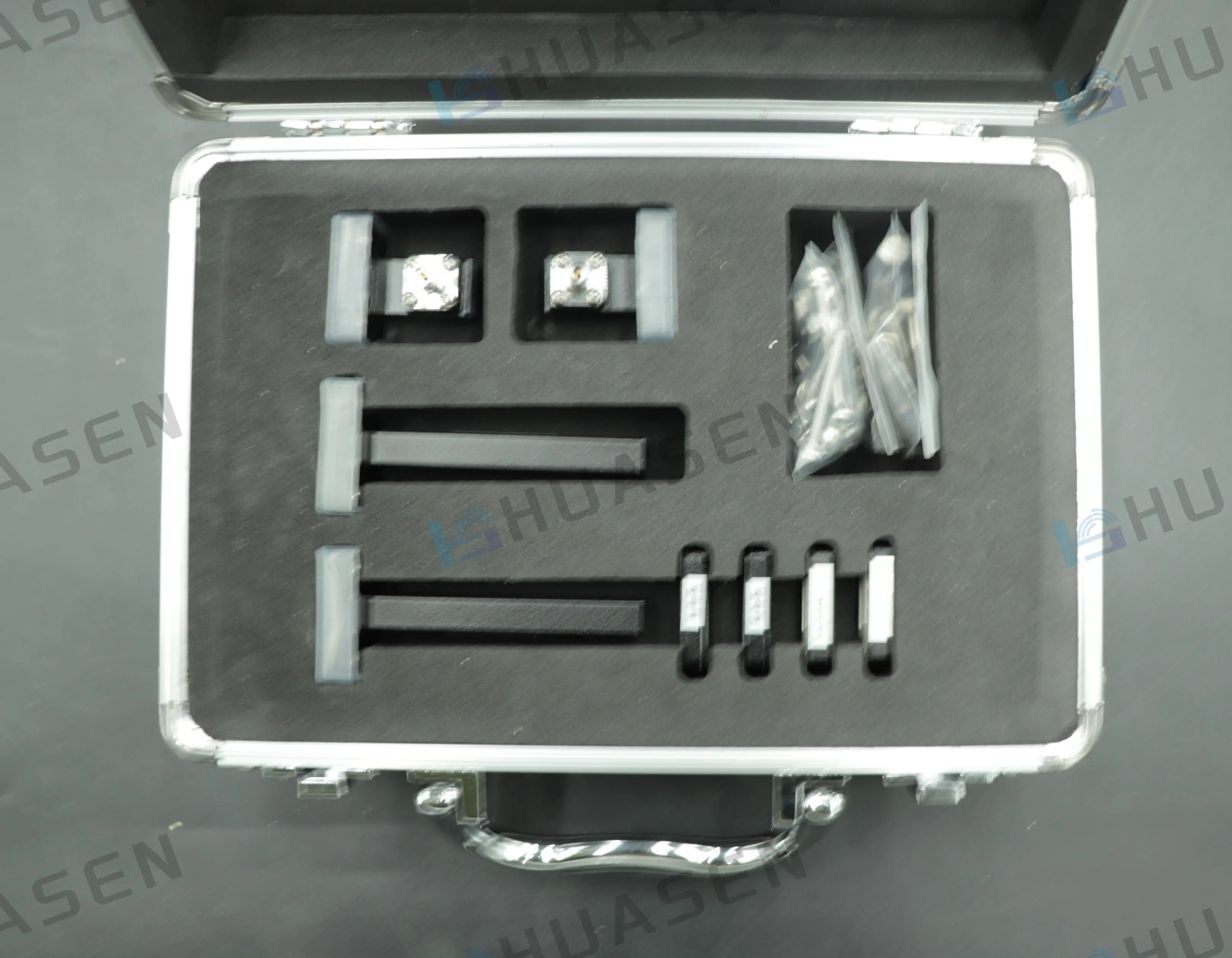
The calibration kit typically includes precision short circuits, offset shorts with quarter-wavelength spacers, waveguide matched loads with exceptional VSWR performance, and waveguide-to-coaxial adapters that maintain signal integrity across the transition interface. Each component undergoes rigorous manufacturing processes including precision CNC machining, surface finishing to minimize losses, and individual verification testing to ensure compliance with specified electrical and mechanical tolerances. The mathematical relationship between calibration quality and measurement uncertainty demonstrates that superior calibration standards directly translate to reduced measurement uncertainty, enabling engineers to confidently characterize components with specifications approaching theoretical performance limits.
How Waveguide Calibration Kits Address Unique Measurement Challenges?
Unlike coaxial calibration procedures that utilize short-open-load-through methodologies, waveguide systems require specialized approaches due to fundamental electromagnetic propagation differences. The absence of a reliable open standard in waveguide calibration stems from the fact that an unterminated waveguide opening acts as an inefficient antenna with approximately 13 dB return loss rather than presenting a high-reflection coefficient suitable for calibration purposes. This physical limitation necessitates the short-short-load calibration technique where two short circuits with different electrical lengths replace the traditional short-open combination.
The Waveguide Calibration Kit solves this challenge through precision quarter-wavelength spacers that create offset short standards with phase relationships approaching 180 degrees at center frequency. Although waveguide wavelength exhibits frequency-dependent variation that causes the phase difference to deviate from the ideal 180-degree relationship across the operating band, modern VNA calibration algorithms accurately calculate and compensate for these variations when provided with precise spacer delay parameters. This computational capability enables effective error term separation and accurate system characterization despite the inherent frequency-dependent behavior of waveguide structures.
Manufacturing precision becomes paramount in waveguide calibration components because mechanical tolerances directly determine electrical performance at microwave and millimeter-wave frequencies. A high-quality Waveguide Calibration Kit features sub-micron dimensional control in critical areas, gold-plated contact surfaces for optimal conductivity and long-term stability, hardened waveguide flanges that resist wear from repeated connections, and precision alignment features that ensure repeatable mating with minimal signal leakage. These manufacturing specifications enable calibration accuracy that approaches the theoretical limits of VNA measurement capability, supporting applications where measurement uncertainty budgets demand traceability to national metrology standards.
The calibration process itself requires systematic execution where engineers first configure the VNA to recognize the specific waveguide calibration kit parameters including cutoff frequency, operating bandwidth, and spacer delays. During one-port calibration, the operator sequentially connects the flush short, offset short with spacer, and matched load while the VNA acquires reflection measurements that characterize the three error terms affecting reflection measurements. Two-port calibration extends this process by adding transmission measurements through precision waveguide sections, enabling full characterization of all twelve error terms in the complete error model. Proper execution of these calibration steps establishes a measurement reference plane with minimal residual uncertainty, transforming raw VNA readings into accurate representations of actual device performance.
Advanced Calibration Techniques for Superior Measurement Performance
Beyond standard short-short-load calibration procedures, advanced waveguide measurement applications may benefit from thru-reflect-line calibration techniques that offer enhanced accuracy for certain measurement scenarios. TRL calibration eliminates the requirement for precisely characterized load standards by using transmission line sections with known propagation characteristics, making this approach particularly valuable when load repeatability presents challenges or when measurement frequencies exceed the practical limits of conventional absorptive terminations. The Waveguide Calibration Kit designed for TRL procedures includes precision waveguide sections with verified electrical length, typically incorporating quarter-wavelength, eighth-wavelength, and three-eighths-wavelength lines that provide adequate phase separation across the operating bandwidth.
The implementation of TRL calibration demands careful attention to line length selection, as the phase difference between the thru standard and line standards must provide sufficient separation for effective error term determination while avoiding ambiguities at specific frequencies where phase relationships become degenerate. Engineers performing TRL calibration benefit from waveguide sections manufactured with exceptional dimensional control and surface finish quality, ensuring that electrical length corresponds accurately to physical dimensions and that propagation losses remain predictable across the frequency range. Modern VNA software automates much of the TRL calibration complexity, guiding operators through the measurement sequence while performing sophisticated calculations that extract error terms from the acquired calibration data.
Verification of calibration quality represents an essential step that many measurement professionals overlook, yet this validation process provides critical assurance that the calibration procedure succeeded and that subsequent measurements maintain the expected accuracy. Verification typically involves measuring known standards that were not used in the calibration process, comparing measured results against certified values, and confirming that deviations fall within acceptable limits. A comprehensive Waveguide Calibration Kit may include verification standards specifically designed for this quality assurance function, enabling engineers to objectively quantify measurement system performance and identify situations where calibration degradation necessitates recalibration.
The environmental factors affecting calibration stability deserve consideration in precision measurement scenarios, particularly temperature variations that alter waveguide dimensions and contact resistance, humidity effects on connector interfaces and load materials, and mechanical stress from cable movement or equipment vibration. Professional measurement laboratories address these concerns through temperature-controlled test environments, careful handling procedures that minimize connector wear, and periodic recalibration schedules based on usage patterns and measurement criticality. The investment in high-quality Waveguide Calibration Kit components manufactured with temperature-stable materials and robust mechanical designs pays dividends through extended calibration intervals and consistent measurement performance across varying operating conditions.
Practical Applications and Integration Considerations
Implementation of waveguide calibration procedures requires understanding the compatibility between calibration kit components and existing measurement infrastructure. Modern Waveguide Calibration Kit designs ensure seamless integration with leading VNA platforms from manufacturers including Keysight, Rohde & Schwarz, Anritsu, and Copper Mountain Technologies, providing either universal compatibility through standardized waveguide flanges or manufacturer-specific adapter configurations that maintain signal integrity throughout the measurement path. The calibration kit documentation should include detailed specifications for waveguide band coverage, flange types, electrical performance parameters, and VNA-specific calibration coefficients that streamline the setup process and minimize opportunities for operator error.
The frequency coverage of waveguide calibration components determines the measurement bands accessible for accurate characterization, with standard waveguide sizes spanning from WR-2300 at lower microwave frequencies through WR-28, WR-15, WR-10, and extending to WR-1.5 for submillimeter-wave applications approaching 750 GHz. Each waveguide band exhibits optimal performance across a specific frequency range defined by single-mode operation limits, and engineers must select Waveguide Calibration Kit components appropriate for their target measurement frequencies. Multi-band measurement requirements may necessitate maintaining calibration kits for multiple waveguide sizes, with careful inventory management ensuring that appropriate standards remain available for diverse testing needs across research, development, and production environments.
The practical execution of waveguide calibration demands attention to connection technique, as improper flange alignment or inadequate torque application can introduce measurement errors that compromise calibration quality. Industry best practices recommend using torque-limiting drivers or quick-connect mechanisms that ensure consistent, repeatable connections without over-stressing precision flanges. The Waveguide Calibration Kit supplied with appropriate installation tooling including hex drivers, alignment pins, and connection hardware facilitates proper assembly while minimizing the risk of component damage during routine calibration procedures. Training operators in correct waveguide connection techniques yields significant returns through improved measurement repeatability and extended calibration component lifespan.
Measurement applications in telecommunications infrastructure testing, particularly for 5G and emerging 6G systems operating in millimeter-wave bands, demand exceptional calibration accuracy to validate component specifications and ensure network performance. Aerospace and defense applications including radar system calibration, electronic warfare equipment characterization, and satellite communication payload testing impose even more stringent requirements where measurement traceability to national standards and documented uncertainty budgets become contractual obligations. Research and development activities exploring terahertz frequencies, advanced materials characterization, and novel device architectures depend on calibration capabilities that push the boundaries of available technology, driving continued innovation in Waveguide Calibration Kit design and manufacturing processes.

Quality Assurance and Long-Term Performance Management
The manufacturing quality control processes applied to Waveguide Calibration Kit production directly impact measurement system performance and calibration longevity. Leading manufacturers implement comprehensive quality management systems certified to ISO 9001 standards, incorporating precision CNC machining capabilities with regular equipment calibration, advanced metrology instruments for dimensional verification, environmental compliance testing for RoHS and REACH requirements, and individual component testing that validates electrical performance before shipment. These rigorous production controls ensure that each calibration kit meets published specifications and provides the accuracy necessary for demanding measurement applications.
Traceability documentation accompanying professional-grade Waveguide Calibration Kit shipments includes calibration certificates with NIST-traceable measurements, detailed dimensional inspection reports, electrical performance verification data, and recommended calibration intervals based on usage conditions. This documentation enables measurement laboratories to maintain chain-of-custody records demonstrating compliance with quality standards including ISO/IEC 17025 for testing and calibration laboratories, supporting accreditation requirements and customer quality audits. The availability of recalibration services from the original manufacturer ensures that calibration kits can be returned to certified performance after extended use or when validation testing indicates performance degradation.
After-sales support capabilities distinguish superior Waveguide Calibration Kit suppliers from commodity providers, with comprehensive technical assistance including application engineering consultation, troubleshooting guidance for calibration issues, custom kit configurations for specialized requirements, and rapid component replacement for damaged or lost standards. Warranty coverage typically extends for one year from delivery, protecting customers against manufacturing defects while establishing clear expectations for normal wear items that may require periodic replacement. The total cost of ownership for calibration equipment extends beyond initial purchase price to encompass maintenance costs, recalibration expenses, and productivity impacts from calibration downtime, making supplier selection a strategic decision that influences long-term measurement capabilities.
Conclusion
A precision Waveguide Calibration Kit fundamentally transforms VNA measurement capabilities by eliminating systematic errors, establishing traceable reference planes, and enabling confident characterization of critical RF and microwave components across telecommunications, aerospace, defense, and research applications where measurement accuracy directly impacts product quality and system performance.
Cooperate with Huasen Microwave Technology Co., Ltd.
Founded in 1993, Huasen Microwave Technology Co., Ltd. stands as a premier China Waveguide Calibration Kit manufacturer and China Waveguide Calibration Kit supplier delivering metrology-grade precision standards to global markets. As an established China Waveguide Calibration Kit factory, we leverage over 30 years of specialized expertise in high-frequency microwave and millimeter-wave component manufacturing, operating from our 3,000-square-meter advanced production facility equipped with precision CNC machining centers, state-of-the-art waveguide processing capabilities, and comprehensive testing infrastructure including multiple microwave anechoic chambers calibrated by national metrology institutes. Our High Quality Waveguide Calibration Kit products incorporate gold-plated contacts, sub-micron dimensional tolerances, and rigorous individual testing ensuring superior performance for demanding VNA measurement applications in telecommunications, radar systems, satellite communications, aerospace, and defense sectors.
Huasen Microwave offers competitive Waveguide Calibration Kit price structures combined with extensive customization capabilities, supporting waveguide standards from WR-15 through WR-230 with comprehensive Waveguide Calibration Kit for sale inventory enabling rapid delivery for urgent calibration requirements. Our ISO-certified manufacturing processes, Environmental Management System compliance, and China Waveguide Calibration Kit wholesale programs provide scalable solutions for organizations requiring multiple calibration kits across distributed test facilities. Each calibration kit ships with NIST-traceable certification, precision carrying cases, complete installation hardware, and comprehensive technical documentation supporting seamless VNA integration.
Whether you need standard waveguide calibration solutions or specialized configurations for unique measurement challenges, Huasen Microwave's experienced engineering team provides expert consultation and responsive support throughout the product lifecycle. Save this page for easy reference when calibration questions arise, and contact our team at sales@huasenmicrowave.com to discuss your specific requirements and receive detailed quotations for waveguide calibration kits tailored to your measurement applications.
References
1. Rytting, D., "Network Analyzer Error Models and Calibration Methods," Hewlett-Packard Company
2. Marks, R.B., "A Multiline Method of Network Analyzer Calibration," IEEE Transactions on Microwave Theory and Techniques
3. Williams, D.F., Walker, D.K., "Series-Resistor Calibration," National Institute of Standards and Technology
4. Ferrero, A., Pisani, U., "Two-Port Network Analyzer Calibration Using an Unknown 'Thru'," IEEE Microwave and Guided Wave Letters
5. Engen, G.F., Hoer, C.A., "Thru-Reflect-Line: An Improved Technique for Calibrating the Dual Six-Port Automatic Network Analyzer," IEEE Transactions on Microwave Theory and Techniques
Send Inquiry