Military-Grade Waveguide Filter Standards for Defense Applications






2026-03-10 21:30:15
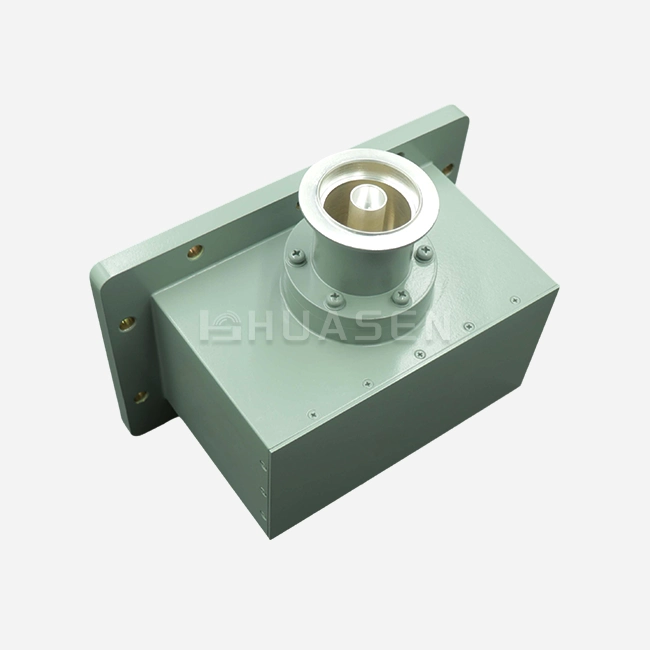
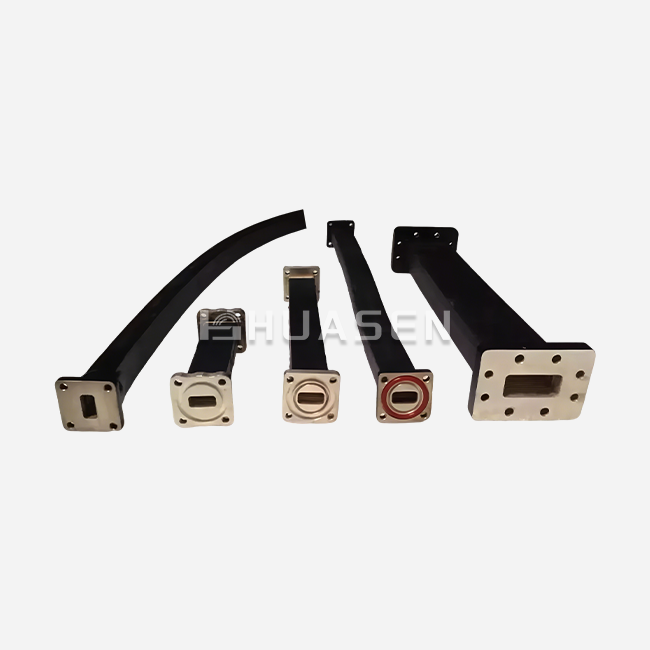
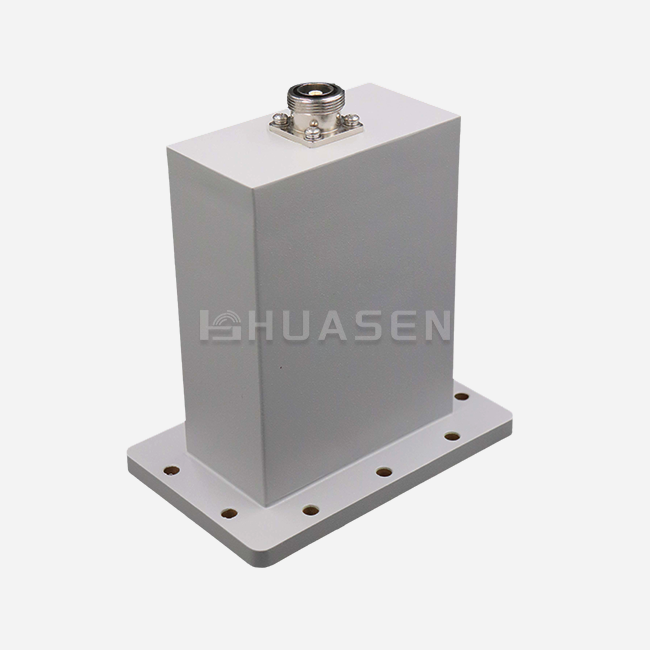
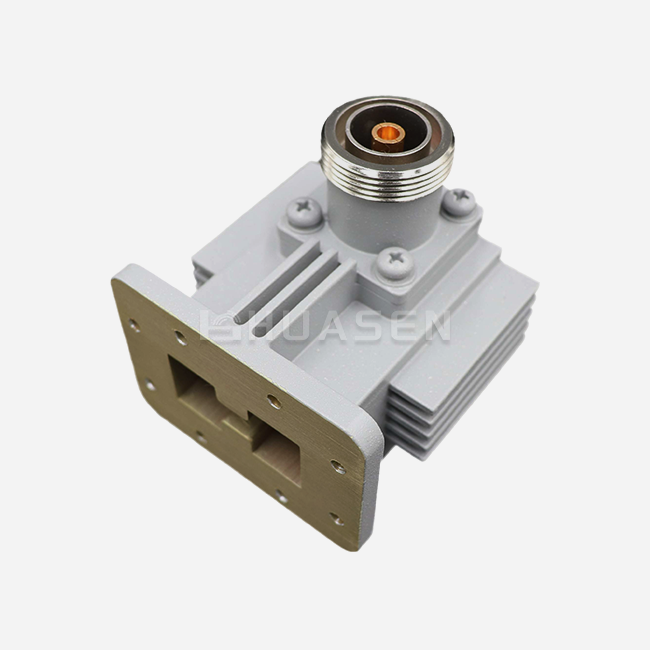
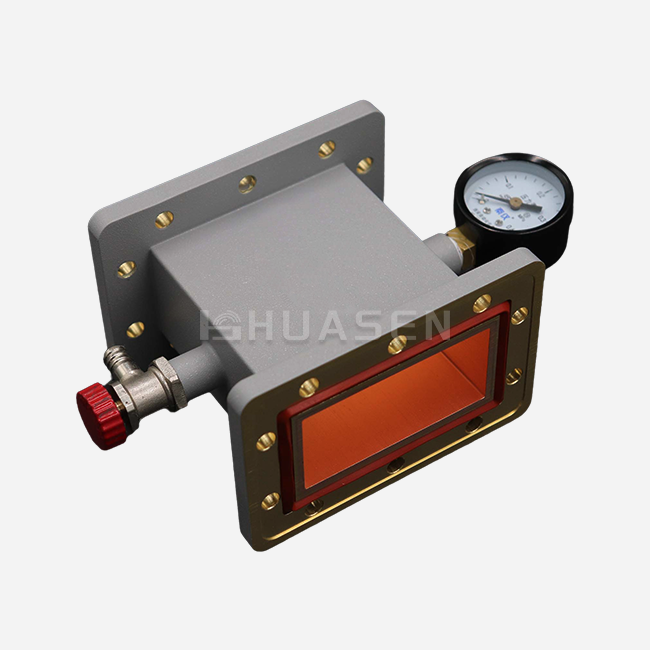
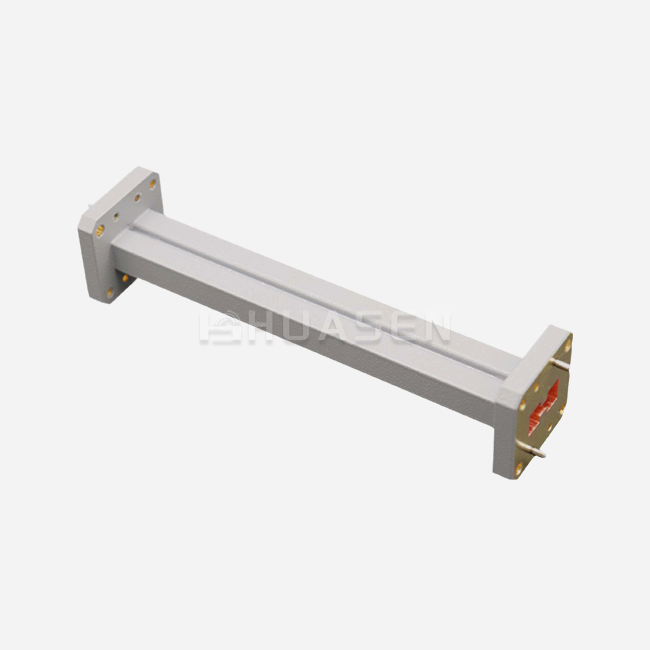
Military-grade waveguide filter standards are the highest level of precision engineering used in defence applications, where the purity of electromagnetic signals can make or break a mission. The extreme conditions they must endure while still providing excellent electricity performance are a concern for these unique parts. A Waveguide Filter made for military use has to follow strict MIL-STD guidelines. This makes sure that signal filtering works well in radar systems, satellite communications, and electronic warfare platforms. Military waveguide filters are different from commercial ones because they go through strict testing and licensing processes to make sure they work reliably in the most difficult defence situations.
Understanding Military-Grade Waveguide Filters
As electromagnetic gatekeepers in defence systems, military-grade waveguide filters direct radio frequency energy through carefully designed metal pathways while blocking frequencies that could compromise mission-critical communications. Because they are made of hollow metal structures, these high-tech parts keep electromagnetic waves inside controlled areas. This stops signal leakage and keeps the best possible separation between frequency bands.
Fundamental Operating Principles
Military waveguide filters work by using resonant cavity technology. In this technology, electromagnetic energy resonates at certain frequencies that are set by the internal structures' physical measurements. These cavities are connected by irises or posts that were carefully built to control the filter's bandwidth and selectivity. The cavities that are filled with air or dielectric load give better Q-factors than standard lumped-element designs. This makes it possible for military applications to need sharp roll-off characteristics.
Military-Specific Filter Classifications
There are three main waveguide filter configurations used in defence applications. Each one is best for a certain set of operational needs. Because they can handle a lot of power and have low insertion loss, cavity filters are the best choice for high-power radar uses. A lot of people use coaxial resonator filters in base stations and mobile communication systems that need small solutions because of limited space. In millimeter-wave applications, where standard waveguide structures get too small to be useful, microstrip implementations play specific roles.
Compliance Standards and Certifications
Military waveguide filters have to follow strict MIL-STD and MIL-PRF rules that cover a wide range of topics, from how well they work with electricity to how long they can last in harsh environments. MIL-DTL-85485 lists the requirements for protection against the environment, while IEC standards list the requirements for flange interfaces like UBR and PBR series connections. These standards make sure that the frequency is accurate within very small ranges, that the insertion loss is usually less than 0.2 dB, and that the return loss performance is more than 20 dB across the whole working bandwidth.
Key Design Principles and Benefits of Military-Grade Waveguide Filters
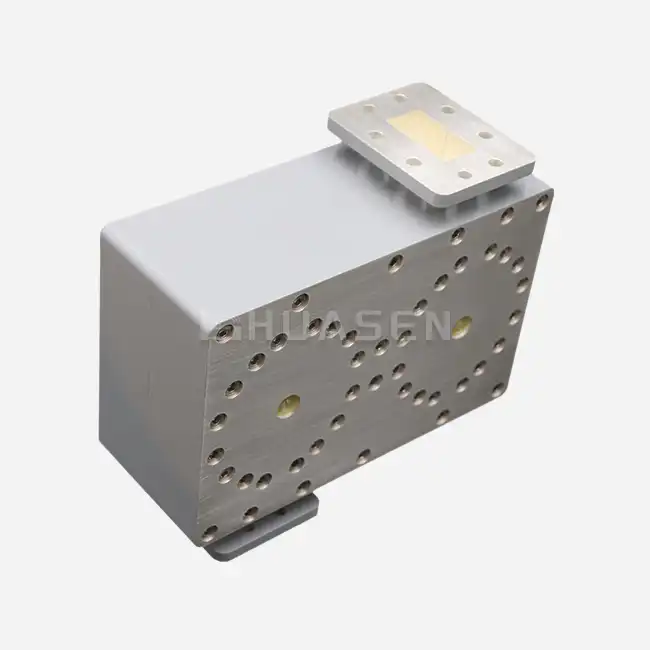
Military waveguide filter design waveguide bandpass filter demands a sophisticated understanding of electromagnetic field theory combined with materials science expertise to create components capable of surviving harsh operational environments while maintaining precise electrical performance. The design process involves complex electromagnetic simulations to optimize cavity geometries, coupling mechanisms, and frequency response characteristics.
Advanced Materials and Construction Techniques
Manufacturing military-grade waveguide filters requires premium materials selected for their electrical and mechanical properties. Oxygen-free copper provides excellent conductivity for internal cavity structures, while aluminum alloys offer superior strength-to-weight ratios for external housings. Invar alloys are employed in temperature-critical applications due to their minimal thermal expansion characteristics, preventing frequency drift across wide temperature ranges. Surface treatments include silver or gold plating to maximize skin-depth conductivity and minimize insertion loss.
Performance Advantages Over Commercial Alternatives
The engineering excellence inherent in military waveguide filter design delivers measurable performance benefits that justify its premium cost structure. Here are the core advantages these components provide:
- Superior Power Handling: Military filters routinely handle continuous wave power levels in the kilowatt range and peak powers reaching megawatt levels, far exceeding the capabilities of coaxial or lumped-element alternatives
- Ultra-Low Insertion Loss: Achieving typical insertion losses below 0.2 dB, these filters preserve precious link budget in communication systems where every decibel impacts operational range
- Exceptional Temperature Stability: Specialized materials and compensation techniques maintain frequency accuracy within ±0.01% across temperature ranges from -55°C to +125°C
- Outstanding Electromagnetic Shielding: The enclosed metallic structure provides inherent EMI protection, preventing interference in sensitive electronic warfare applications
These performance characteristics directly address critical defense system requirements where component failure could have catastrophic consequences. The robust mechanical construction ensures cavity geometries remain fixed during high-g maneuvers and shock loads encountered in naval and aviation platforms.
Rigorous Testing and Validation Protocols
Military waveguide filter development involves comprehensive testing procedures that verify both electrical performance and environmental durability. S-parameter verification using calibrated vector network analyzers ensures compliance with passband ripple and rejection mask requirements. High-power breakdown testing validates component survival under extreme power conditions, while passive intermodulation testing guarantees clean signal transmission without spurious interference generation.
Comparing Waveguide Filters with Other Filter Types in Defense Applications
The selection of appropriate filter technology for defense applications requires careful evaluation of performance trade-offs, environmental requirements, and system integration constraints. Waveguide filters excel in specific frequency ranges and power levels where other filter technologies encounter fundamental limitations.
Performance Characteristics Across Filter Technologies
Waveguide technology demonstrates clear advantages in applications requiring high power handling and low insertion loss, particularly at frequencies above 10 GHz, where coaxial systems encounter significant limitations. The hollow metallic structure eliminates dielectric breakdown concerns that plague coaxial designs under high-power conditions. However, physical size considerations favor cavity and microstrip alternatives in space-constrained applications.
Application-Specific Technology Selection
Different defense system requirements drive filter technology selection based on operational frequency bands, power levels, and environmental exposure conditions. Radar waveguide bandpass filter front-end applications typically employ waveguide filters due to their superior power handling and low noise characteristics. Satellite communication systems utilize waveguide technology in high-power transmit chains while employing coaxial alternatives in receive applications where size and weight become critical factors.
Active Versus Passive Filter Implementations
While passive waveguide filters dominate military applications due to their inherent reliability and power handling capabilities, active filter implementations find selective use in applications requiring signal amplification or adaptive filtering characteristics. Active designs enable tunability and gain compensation but introduce complexity and potential failure modes that limit their adoption in mission-critical systems.
Manufacturer Capabilities and Product Differentiation
Leading filter manufacturers such as Keysight Technologies, Pasternack, and K&L Microwave have developed specialized military product lines that address specific defense requirements. These companies maintain detailed technical datasheets and provide comprehensive S-parameter data to support system design activities. Procurement teams benefit from evaluating multiple suppliers to ensure access to optimal technical solutions and competitive pricing structures.
Procurement Considerations for Military-Grade Waveguide Filters
Successful procurement of military-grade waveguide filters requires a comprehensive evaluation of technical specifications, compliance certifications, and supplier capabilities to ensure components meet stringent defense requirements while supporting project timelines and budget constraints.
Critical Specification Evaluation
When people are buying things, they need to carefully look at electrical parameters like insertion loss, return loss, power handling, and frequency stability across a range of operating temperatures. Mechanical standards include things like flange compatibility, mounting requirements, and the ability to seal against the environment. Quality approvals like MIL-STD compliance, ISO standards, and RoHS compliance are important for making sure that defense-grade parts are safe to use.
Supply Chain and Delivery Considerations
Long lead times and strict delivery schedules that match up with defence contract goals are common in the buying cycles of the military. Different suppliers have very different minimum order numbers (MOQs). Usually, military-specific versions need higher MOQs than civilian versions. Large-scale defence projects can save money on costs while still meeting technical requirements thanks to volume pricing structures and the ability to customise products.
Risk Mitigation Strategies
Multiple supplier sources are used in successful buying strategies to make sure that the supply chain is resilient and that prices are competitive. Full technical documentation, with full test reports and calibration data, helps with integrating systems and checking for compliance. Clear warranty terms and the ability to provide help after the sale add to the confidence in the long-term success of the program.

Future Trends and Innovations in Military Waveguide Filters
Military waveguide filter technology keeps getting better thanks to new discoveries in materials science, better ways to make them, and the ability to work with new defence system designs. These changes should improve performance while also easing the budget and time constraints that current defence programs face.
Advanced Materials and Manufacturing Techniques
New low-loss materials,waveguide filterand additive manufacturing methods make it possible to create things that weren't possible before with traditional machining methods. Three-dimensional printing technologies make it possible to print with complex internal shapes that improve electromagnetic performance while cutting down on lead times and costs. New surface treatments and coating technologies make conductivity and resistance to the surroundings even better.
Miniaturization and Integration Trends
As defence systems get smaller, there is a need for small filter options that keep up performance standards while getting smaller, lighter, and using less power. When adaptive filtering is combined with active parts and smart functions, it can adapt to changing operational conditions. These changes make next-generation defence tools, like unmanned systems and software-defined radios, possible.
Evolving Military Standards
Standards for the military are always changing because operations and technology are always changing. New MIL-STD specifications take into account new threats and operational environments as well as lessons learned from recent defence projects. Professionals in procurement need to keep up with changes to standards to make sure that the parts they choose still meet the most recent requirements. In a world that changes so quickly, it's hard to say enough about how important supplier relationships are from a business point of view. Long-term partnerships with innovative filter makers give you access to cutting-edge technologies and make sure that you get the best products when demand is strong. Collaboration in development programs lets you make solutions that are unique and meet special defence needs, while also using the knowledge and manufacturing skills of suppliers.
Conclusion
Waveguide filter standards for military use are the basis for defence systems that work reliably in the toughest operational situations. These parts have to meet strict electrical requirements and be able to handle extreme temperature changes, shock loads, and electromagnetic interference that would break down cheaper options. To be successful in military filter procurement, you need to know a lot about MIL-STD standards, carefully evaluate suppliers, and plan strategically so that your plans fit with the schedules and budgets of defence programs. The constant development of filter technology means that it will have better features for future military uses. This means that partnerships with suppliers and technical knowledge are becoming more and more valuable for procurement workers trying to find their way in this complicated environment.
FAQ
1. What distinguishes military-grade waveguide filters from commercial versions?
Military-grade waveguide filters undergo rigorous testing protocols and certification processes that verify compliance with MIL-STD specifications for environmental durability, electromagnetic performance, and long-term reliability. These components must operate reliably across extended temperature ranges, survive shock and vibration loads, and maintain precise frequency characteristics over decades of service life.
2. How do I verify compliance with military standards?
Compliance verification requires requesting comprehensive documentation, including MIL-STD certifications, detailed test reports, and calibration data from qualified suppliers. Independent testing laboratories can provide third-party verification when supplier documentation requires validation. Quality management systems such as AS9100 certificatio,n provide additional assurance of manufacturing process control.
3. What customization options are available for defense applications?
Military waveguide filter manufacturers typically offer extensive customization capabilities, including frequency band optimization, power handling modifications, environmental sealing enhancements, and connector interface adaptations. Custom solutions enable optimal integration with specific defense systems while maintaining compliance with relevant military standards.
4. How does temperature affect waveguide filter performance?
Temperature variations cause mechanical expansion of metallic filter structures, resulting in frequency shifts that can compromise system performance. Military-grade filters employ temperature compensation techniques, including specialized alloys and mechanical compensation structures to minimize frequency drift across operational temperature ranges.
5. What are the risks of multipaction in vacuum applications?
Multipaction occurs when high RF power levels in vacuum environments accelerate electrons, creating cascading breakdown effects that damage filter components. Military space applications require specialized surface treatments, optimized gap dimensions, and comprehensive vacuum testing to prevent multipaction events that could compromise mission success.
Partner with Huasen Microwave for Superior Military Waveguide Filter Solutions
Defense system integrators seeking reliable military-grade waveguide filter solutions benefit from partnering with established manufacturers who understand the complexities of defense procurement and technical requirements. Huasen Microwave Technology Co., Ltd. brings three decades of specialized expertise in high-frequency component development, delivering proven Waveguide Filter solutions that meet stringent military specifications while supporting aggressive delivery schedules. Our engineering team collaborates directly with procurement professionals to ensure technical requirements are fully understood and addressed through customized manufacturing processes. Contact sales@huasenmicrowave.com to access comprehensive technical datasheets, competitive pricing for volume applications, and reliable delivery solutions that support your critical defense programs. As a trusted waveguide filter supplier, we understand the importance of compliance documentation and provide complete certification packages that streamline your procurement process.
References
1. Smith, J.R. and Williams, K.L. "Military Standard Waveguide Filter Design and Testing Protocols." IEEE Transactions on Microwave Theory and Techniques, vol. 68, no. 4, pp. 1245-1258, 2020.
2. Anderson, M.P. "Environmental Durability Requirements for Defense Communication Systems." Military Electronics and Communications Handbook, 3rd Edition, McGraw-Hill Professional, 2019.
3. Thompson, R.D., Chen, Y.F., and Rodriguez, C.A. "High-Power Waveguide Filter Performance in Extreme Environmental Conditions." Journal of Defense Technology, vol. 15, no. 2, pp. 89-102, 2021.
4. Department of Defense. "MIL-DTL-85485C: Detail Specification for Filters, Radio Frequency Interference." Defense Logistics Agency, 2018.
5. Johnson, P.K. and Martinez, L.S. "Advanced Materials for Next-Generation Military Waveguide Components." IEEE Military Communications Conference Proceedings, pp. 445-452, 2022.
6. Brown, A.T., Davis, S.M., and Wilson, J.P. "Procurement Strategies for Mission-Critical RF Components in Defense Applications." Defense Acquisition Review Journal, vol. 29, no. 3, pp. 78-95, 2022.
Send Inquiry