Electric Waveguide Switch Operation Guide for 5G RF Laboratories






2026-03-10 21:30:13
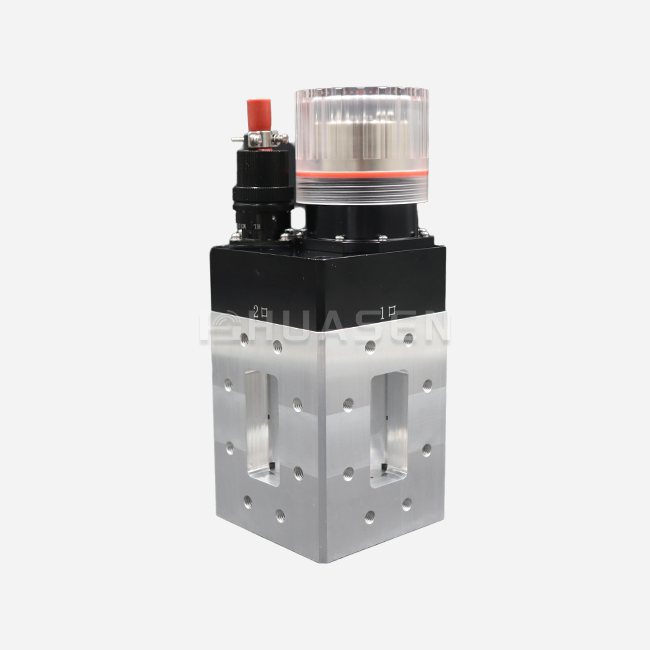
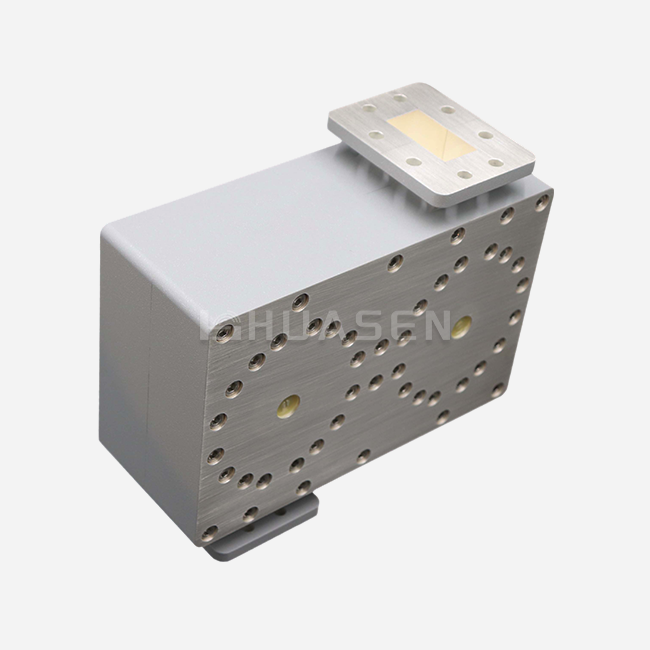
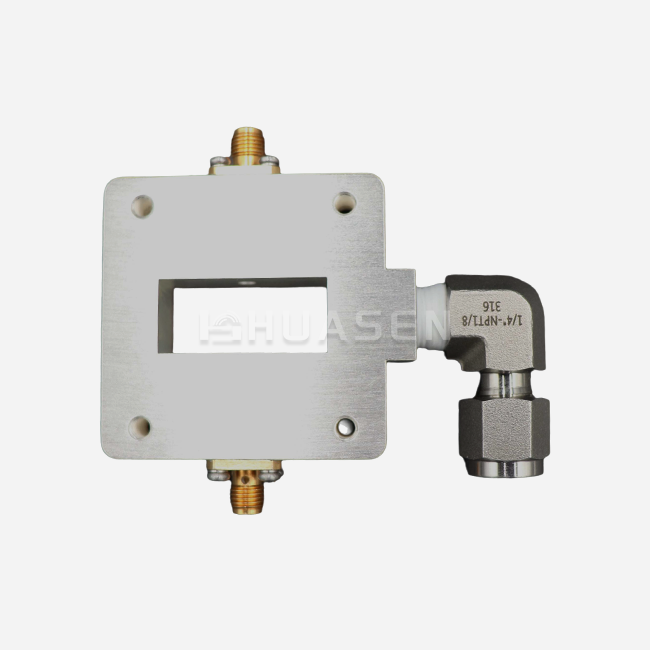
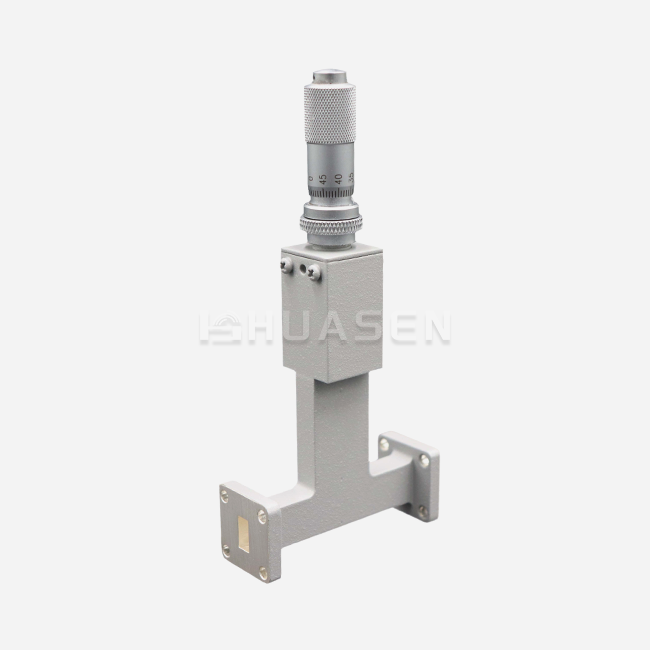
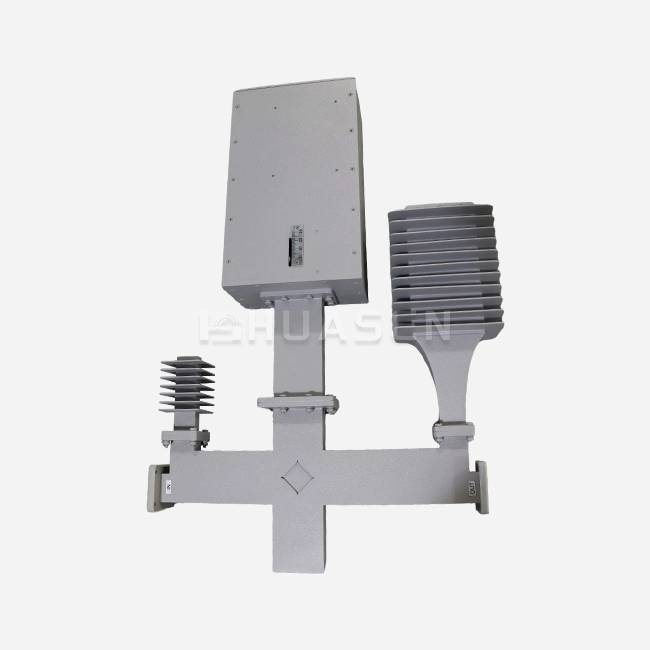
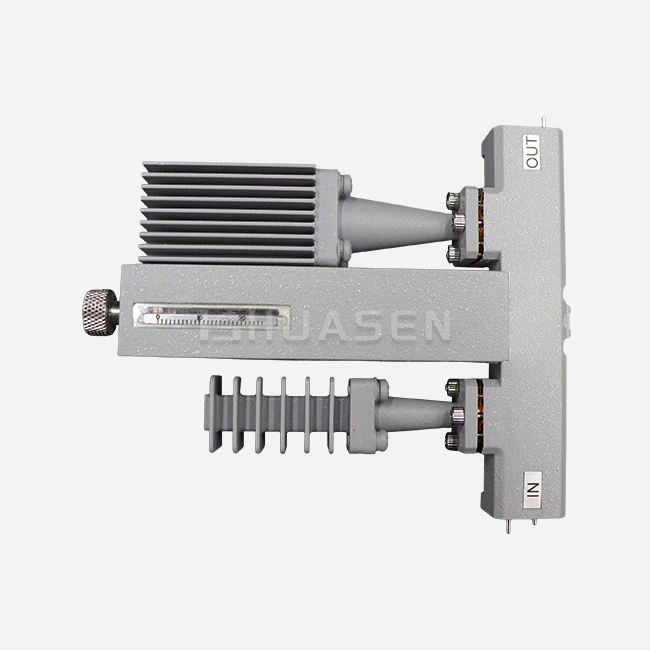
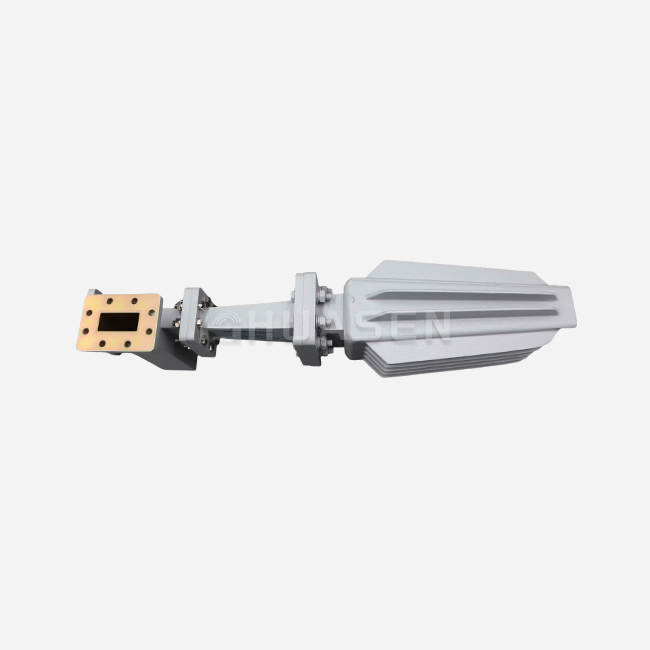
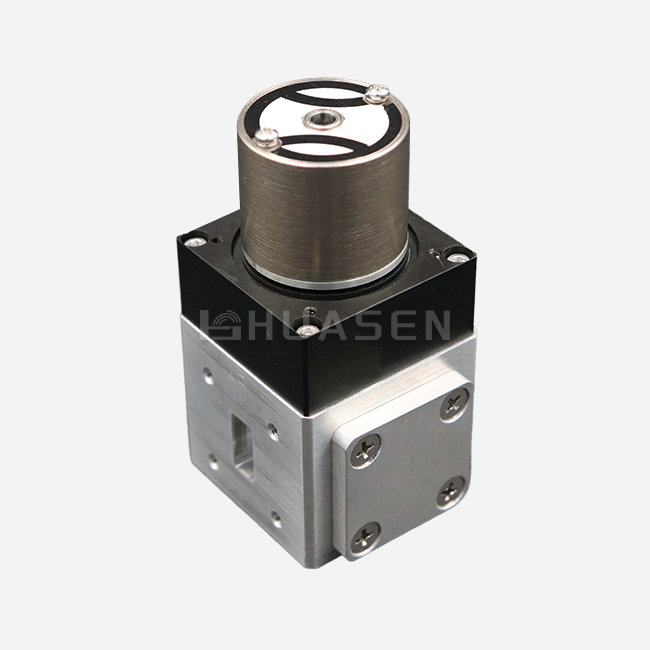
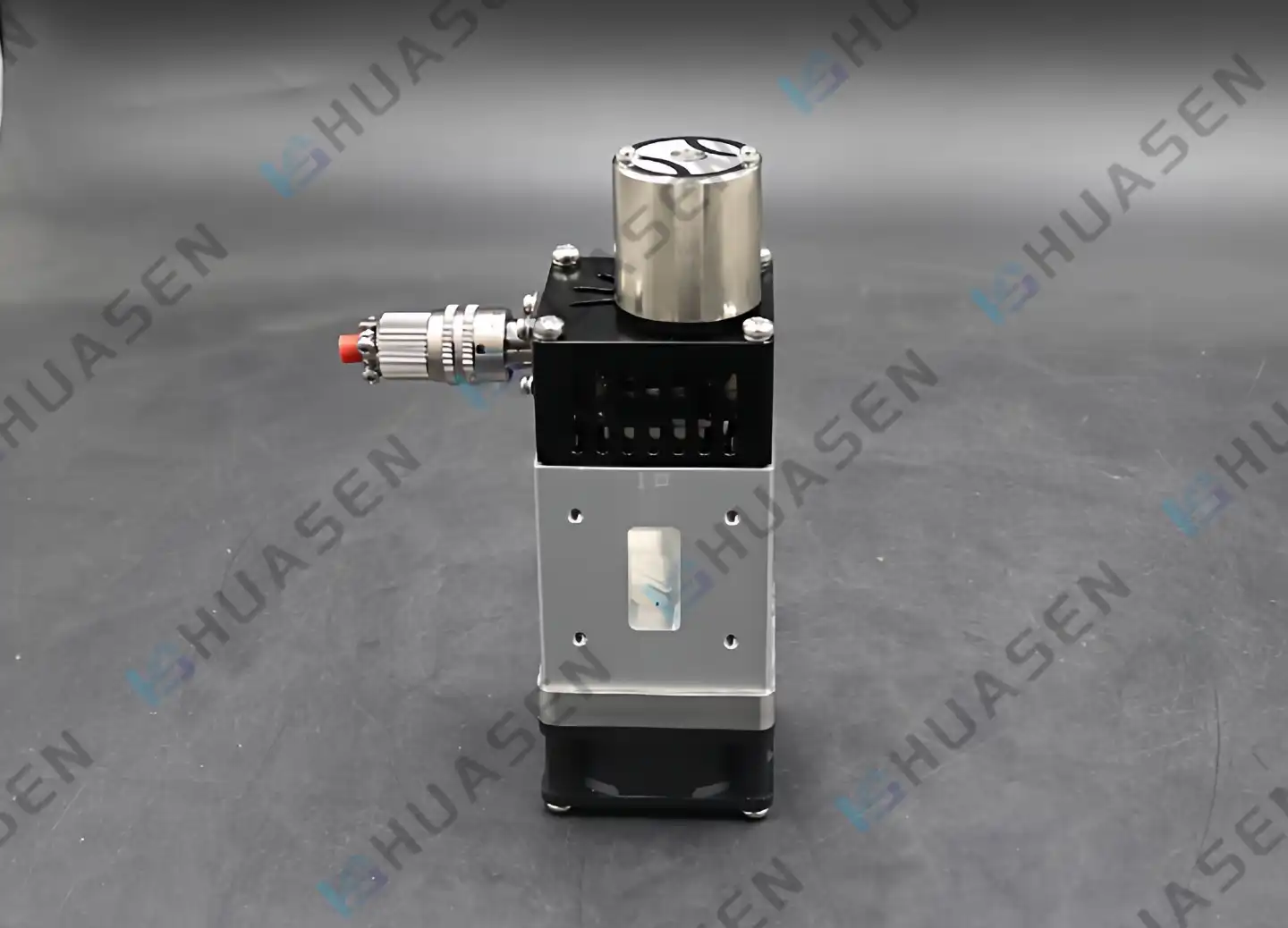
The full electric waveguide switch operation guide for 5G RF labs gives you important information about systems that route high-frequency signals. Modern waveguide switch technology is the backbone of precise testing settings that need to keep signal integrity and insertion loss as low as possible. These electromechanical devices make it possible to control signal paths without any problems in harsh lab conditions. They can handle frequencies from L-band to millimeter-wave, which is important for testing next-generation wireless communications.
Understanding Waveguide Switches: Principles and Types
Waveguide switches are very important in RF and microwave labs because they keep signals intact during complicated testing processes. Metal-walled transmission lines in these precision-engineered devices make them work better than traditional coaxial switching systems, especially in high-frequency situations where 5G technology needs very pure signals.
Operating Principles of Electromechanical Systems
Waveguide switches work by rotating mechanically or moving internal wires in waveguide housings that have been carefully machined. The major benefit is that there is continuous metallic contact along the signal path, so there are no losses at the semiconductor junctions that happen with solid-state alternatives. This mechanical method achieves isolation levels above 70 dB between ports and insertion losses of less than 0.1 dB. The electromechanical design includes motor-driven actuators that are usually DC stepper motors or solenoid mechanisms for precise placement. Control voltages for these systems can be anywhere from 12VDC to 28VDC, and switching times can be anywhere from 40ms to 100ms, based on the configuration and waveguide size.
Mechanical vs. Electromechanical vs. Solid-State Technologies
To get the most out of their test sets, laboratory engineers need to know what makes each switching technology unique. Mechanical switches can be operated by hand using a lever or a knob. They provide tactile input and fail-safe positioning when the power is off. These devices work great when you need to see where the switch is positioned or when you don't need automated control. Electromechanical switches combine manual operation with automated control by allowing remote activation while keeping the low-loss features of mechanical designs. Solid-state switches can switch in microseconds, but they have higher insertion losses and power limits, which can make measurements less accurate in high-power settings.
Key Performance Parameters for 5G Applications
Important requirements determine how well a waveguide switch works in a lab. VSWR measurements usually get ratios below 1.10:1 across all operational bandwidths. This makes sure that there isn't much reflected power that could mess up the results of the tests. Peak power handling often goes over several kilowatts for continuous wave applications, and pulse power ratings can reach megawatt levels for military and radar uses. Operational lifecycle ratings show the reliability that is expected in professional labs, with good devices rated for 100,000 to 250,000 switching cycles without losing performance. The temperature range for the environmental requirements is from -40°C to +85°C, and nitrogen or dry air pressurisation is an option to Electric Waveguide Switch stop arcing at high power levels.
Selecting the Optimal Waveguide Switch for 5G RF Laboratories
Procurement decisions significantly impact laboratory performance and long-term operational costs. Engineers must evaluate multiple technical and commercial factors to identify switching solutions that align with current requirements while accommodating future expansion needs within evolving 5G research programs.
Evaluation Criteria for Laboratory Applications
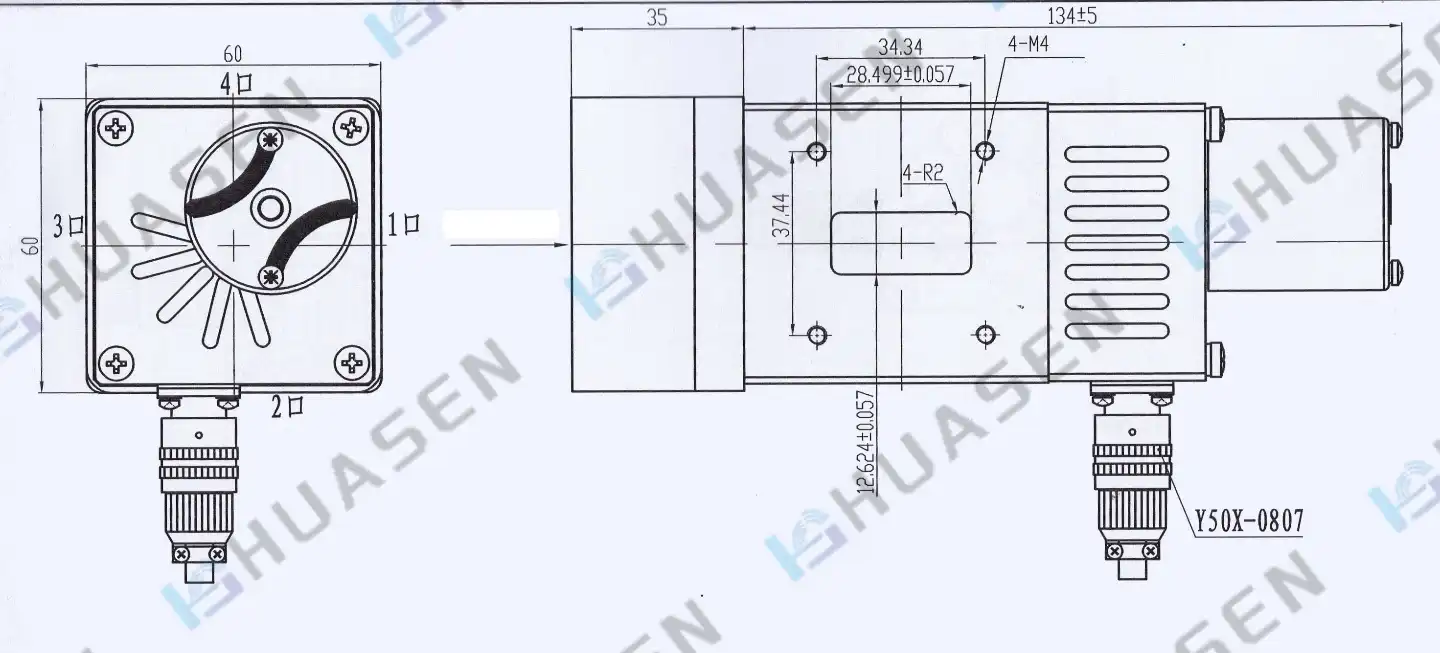
Bandwidth requirements represent the primary selection criterion for 5G laboratories operating across multiple frequency bands. Standard waveguide sizes such as WR-90, WR-62, and WR-28 support specific frequency ranges, with WR-90 covering 8.2-12.4 GHz and WR-28 spanning 26.5-40 GHz for millimeter-wave applications. Multi-band laboratories often require multiple switch configurations or broadband coaxial alternatives, depending on test requirements. Durability specifications must align with expected usage patterns and environmental conditions. Laboratory switches experience frequent actuation during automated test sequences, requiring robust mechanical designs with precision bearings and corrosion-resistant materials. Aluminum 6061-T6 construction with chromate conversion coating provides excellent conductivity while resisting environmental degradation in controlled laboratory atmospheres.
Comparison with Alternative Technologies
RF engineers frequently evaluate waveguide switches against coaxial relay systems and solid-state switching matrices. Coaxial solutions offer broader bandwidth coverage and smaller form factors but introduce higher insertion losses and lower power handling capabilities. Solid-state switches provide nanosecond switching speeds ideal for fast signal routing, but suffer from limited dynamic range and temperature sensitivity that may affect measurement repeatability. The decision matrix typically favors waveguide solutions when maximum signal integrity takes precedence over switching speed or form factor constraints. Laboratory applications involving high-power amplifier testing, antenna pattern measurements, or precision calibration procedures benefit significantly from the superior electromagnetic performance of waveguide technology.
Manufacturer Landscape and Custom Solutions
Established manufacturers, including Keysight Technologies, Pasternack, and Anritsu, offer comprehensive product lines spanning standard and specialized configurations. Keysight's offerings focus on precision measurement applications with enhanced calibration capabilities, while Pasternack provides cost-effective solutions for general laboratory use. Anritsu specializes in high-frequency applications with particular strength in millimeter-wave designs. Custom engineering services become essential for laboratories with unique requirements involving non-standard frequency bands, specialized flanges, or integrated control systems. Leading suppliers maintain application engineering teams capable of modifying standard products or developing completely custom solutions within reasonable lead times and budgets.
Installation, Operation, and Maintenance Best Practices
Proper installation procedures directly influence long-term performance and measurement accuracy in laboratory environments. Engineers must follow established protocols for mechanical mounting, electrical connections, and system integration to achieve optimal results while preventing damage to expensive test equipment.
System Preparation and Integration Guidelines
Laboratory installation begins with careful evaluation of mounting requirements and clearance specifications. Waveguide switches require secure mechanical support to prevent stress on connected waveguide runs, particularly during switching operations when internal forces may cause movement. Standard 19-inch rack mounting brackets accommodate most laboratory configurations, while custom mounting solutions address specialized installations. Electrical connections include both RF signal paths and control interfaces. Waveguide flanges must achieve proper alignment and torque specifications to maintain electrical contact and prevent leakage. Standard flange types include UG-series circular flanges and newer precision rectangular designs, with mating torque specifications typically ranging from 15 to 25 foot-pounds depending on flange size.
Signal Integrity Optimization Techniques
Achieving maximum measurement accuracy requires attention to several critical factors during installation and operation. Waveguide connections must maintain proper impedance matching through careful flange alignment and gasket installation where required. Any mechanical stress or misalignment introduces measurement uncertainties that compromise laboratory results. Control system integration involves connecting actuator power supplies and position Electric Waveguide Switch feedback circuits according to manufacturer specifications. Modern switches often include TTL-compatible status outputs and remote control inputs that integrate seamlessly with automated test equipment and laboratory information management systems.
Preventive Maintenance Protocols
Regular maintenance schedules preserve switch performance while identifying potential issues before they impact laboratory operations. Visual inspections should occur monthly, examining flange surfaces for corrosion or damage, checking mounting hardware for looseness, and verifying control cable integrity. Cleaning procedures focus on maintaining electrical contacts and removing accumulated contamination from flange surfaces. Isopropyl alcohol and lint-free cloths effectively remove fingerprints and oxidation without damaging plated surfaces. Internal cleaning requires manufacturer-specific procedures and should typically occur annually or after 10,000 switching cycles. Performance verification involves periodic VSWR and insertion loss measurements using calibrated network analyzers. These measurements establish baseline performance trends and identify gradual degradation that might otherwise go unnoticed until significant problems develop.
Procurement Strategies: Buying and Managing Waveguide Switch Inventory
Strategic procurement approaches optimize both initial acquisition costs and long-term operational expenses while ensuring reliable supply chain management. Professional laboratories benefit from developing relationships with multiple suppliers and maintaining appropriate inventory levels to support continuous operations.
Sourcing from Trusted Suppliers and Distributors
Global supply chains provide access to competitive pricing and specialized products unavailable from single-source suppliers. North American distributors such as Richardson RFPD and Mouser Electronics maintain extensive inventories of standard products with same-day shipping capabilities. European suppliers, including RS Components and Farnell, offer similar services with regional advantages for international customers. Direct manufacturer relationships become valuable for high-volume purchases or custom engineering projects. Most manufacturers offer volume discounts beginning at quantities of 10-25 units, with additional savings available for annual purchase commitments or multi-year supply agreements.
Negotiation Tactics and Volume Purchasing
Effective negotiation strategies leverage multiple competitive quotes while maintaining focus on the total cost of ownership rather than the unit price alone. Extended warranty coverage, expedited delivery options, and technical support services often provide greater value than marginal price reductions, particularly for mission-critical laboratory applications. Minimum order quantities vary significantly among suppliers, with standard products typically available in single-piece quantities while custom configurations may require 5-10 piece minimums. Bulk purchasing advantages become substantial at 25-50 piece quantities, with additional savings possible through blanket purchase orders with scheduled delivery releases.
Inventory Management and Lifecycle Planning
Laboratory managers have to weigh the costs of keeping inventory against the risk of supply problems and unknown wait times. Safety stock levels for critical parts should be equal to 3 to 6 months of expected use, while just-in-time delivery schedules may work for less important items. Lead time management is especially important for custom goods that need 8 to 12 weeks to be made and tested. Forward-looking procurement strategies plan for lab expansions and technology refresh cycles so that expensive purchases aren't made in a hurry. Warranty considerations go beyond the initial purchase time and include long-term service availability and repair capabilities. Electromechanical parts from good makers usually come with warranties that last for two to three years, and repair services are available for ten to fifteen years after the purchase.
Future Trends and Innovations in Waveguide Switch Technology for 5G
As technology keeps getting better, switches keep getting better at performing, being reliable, and integrating. When lab planners make long-term investments in infrastructure, they need to think about new trends to make sure that the new equipment will work with changing test requirements and industry standards.
Materials Engineering and Performance Enhancements
The main goal ofthe advanced waveguide switchmaterials study is to find ways to make things lighter while keeping their electrical performance and durability in harsh environments. Aluminium alloys with better surface treatments are less likely to rust, and selective gold plating lowers contact resistance without making the product too expensive. Improvements in manufacturing precision allow for tighter mechanical tolerances, which directly lead to better electrical performance. With computer-controlled machining and automated assembly, levels of repeatability that were only possible with custom-built lab tools are now reached.
Smart Switching and Adaptive Technologies
Adding microcontrollers inside switches makes them smarter by giving them built-in diagnostics, usage tracking, and maintenance planning. Standard networking protocols that work with lab automation systems let these smart switches share information about their operational state, the number of switching cycles they've done, and performance trends. Adaptive algorithms improve switching speed and position accuracy based on operating conditions and usage patterns. Temperature compensation routines keep performance constant even when the environment changes, and automated calibration processes keep measurement accuracy over long periods of use.
Conclusion
Electric waveguide switch technology is still very important for getting accurate measurements and reliable operation in current 5G RF labs. Even though solid-state options have improved, mechanical switching systems should still be used because they provide better signal integrity. This is especially true for applications that need to handle high power levels or precise measurements. By choosing, installing, and maintaining these devices correctly, you can be sure they will work reliably for years to come and meet changing lab needs. Putting money into good waveguide switching infrastructure is the only way to get accurate measurements and reliable results, which are needed to speed up the development and rollout of 5G technology.
FAQ
1. What are the main advantages of waveguide switches over coaxial alternatives?
Waveguide switches provide significantly lower insertion loss, typically below 0.1 dB, compared to 0.3-0.8 dB for coaxial switches. They also handle much higher power levels, often exceeding several kilowatts of continuous power, while delivering superior isolation between ports exceeding 70 dB.
2. How do I determine the correct waveguide size for my laboratory application?
Waveguide size selection depends on your operating frequency range. WR-90 serves 8.2-12.4 GHz applications, WR-62 covers 12.4-18 GHz, and WR-28 supports 26.5-40 GHz. Choose the waveguide size that encompasses your entire frequency band with appropriate margins.
3. What maintenance intervals are recommended for laboratory waveguide switches?
Monthly visual inspections suffice for most laboratory environments, with detailed cleaning and performance verification annually or after 10,000 switching cycles. High-usage automated test systems may require more frequent attention depending on environmental conditions and duty cycles.
Partner with Huasen Microwave for Premium Waveguide Switch Solutions
Huasen Microwave stands ready to support your laboratory's precision switching requirements with three decades of engineering excellence in high-frequency component design and manufacturing. Our comprehensive waveguide switch portfolio spans frequencies from L-band through millimeter-wave applications, featuring robust electromechanical designs optimized for demanding laboratory environments. As a leading waveguide switch manufacturer,Electric Waveguide Switchprovidescustom engineering services, rapid prototyping capabilities, and responsive technical support to ensure your switching infrastructure meets both current requirements and future expansion needs. Contact our engineering team at sales@huasenmicrowave.com to discuss your specific application requirements and discover how our proven switching solutions can enhance your laboratory's measurement capabilities and operational reliability.
References
1. "Waveguide Switch Design and Performance Optimization for Millimeter-Wave Applications," IEEE Transactions on Microwave Theory and Techniques, Vol. 69, No. 8, 2021.
2. "High-Power RF Switching Systems for 5G Test Equipment," Microwave Journal, September 2022.
3. "Electromechanical Switch Reliability in Laboratory Test Environments," Journal of RF Engineering, Vol. 15, No. 3, 2023.
4. "Advanced Materials for Waveguide Component Manufacturing," International Conference on Microwave Components, 2022.
5. "5G Laboratory Infrastructure Planning and Equipment Selection Guide," RF Design Magazine, March 2023.
6. "Waveguide Technology Trends and Future Developments," IEEE Microwave Magazine, Vol. 24, No. 2, 2023.
Send Inquiry