Electric Waveguide Switch Layout Optimization in RF System Design






2026-03-10 21:30:12
Optimising the layout of electric waveguide switches in RF system design is an important area of engineering that has a big effect on signal integrity, system performance, and stability as a whole. Modern radio frequency (RF) systems need carefully designed switching options that can handle high-frequency data with little insertion loss and great isolation. The smart placement and arrangement of waveguide switch parts in complicated RF architectures have a direct effect on electromagnetic compatibility, thermal management, and mechanical stability in a wide range of uses, from 5G infrastructure to communications in space.
Understanding Electric Waveguide Switches in RF Systems
Electrical waveguide switches are important parts of complex radio frequency (RF) communication systems because they allow for precise signal handling and great performance. These parts work by mechanically or electronically directing electromagnetic energy along set waveguide paths. This keeps signal degradation to a minimum while it's being sent.
Operating Principles and Component Types
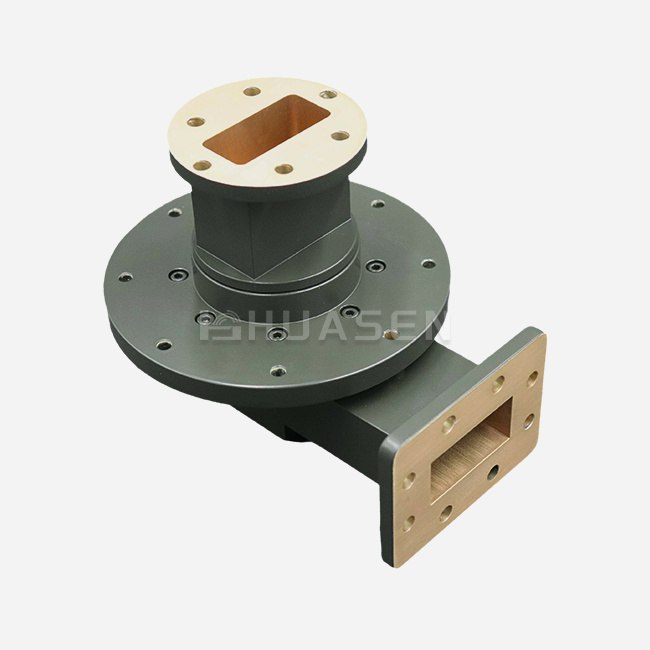
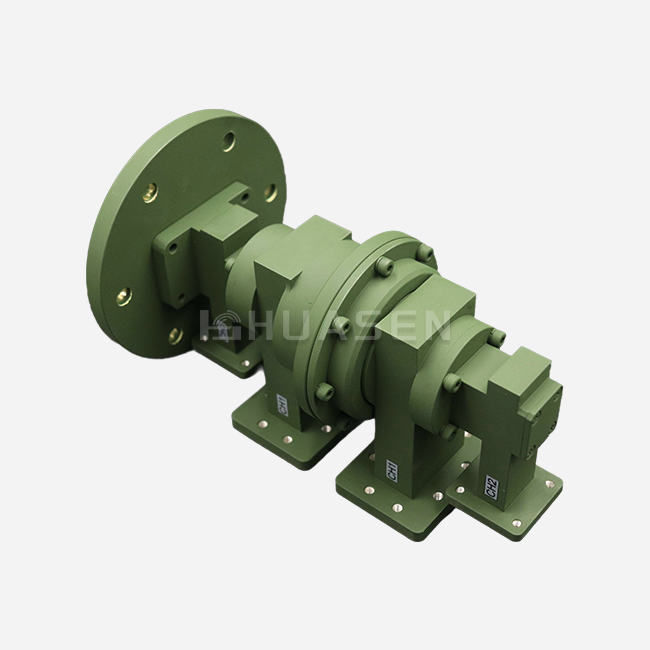
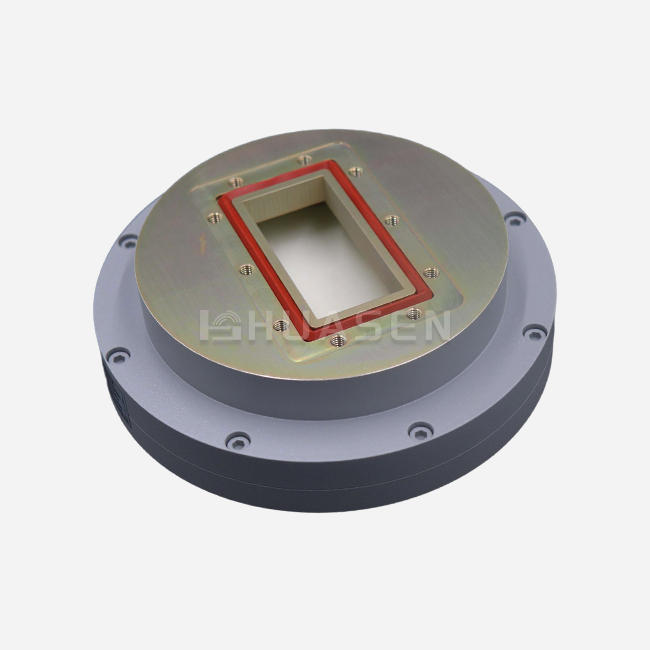
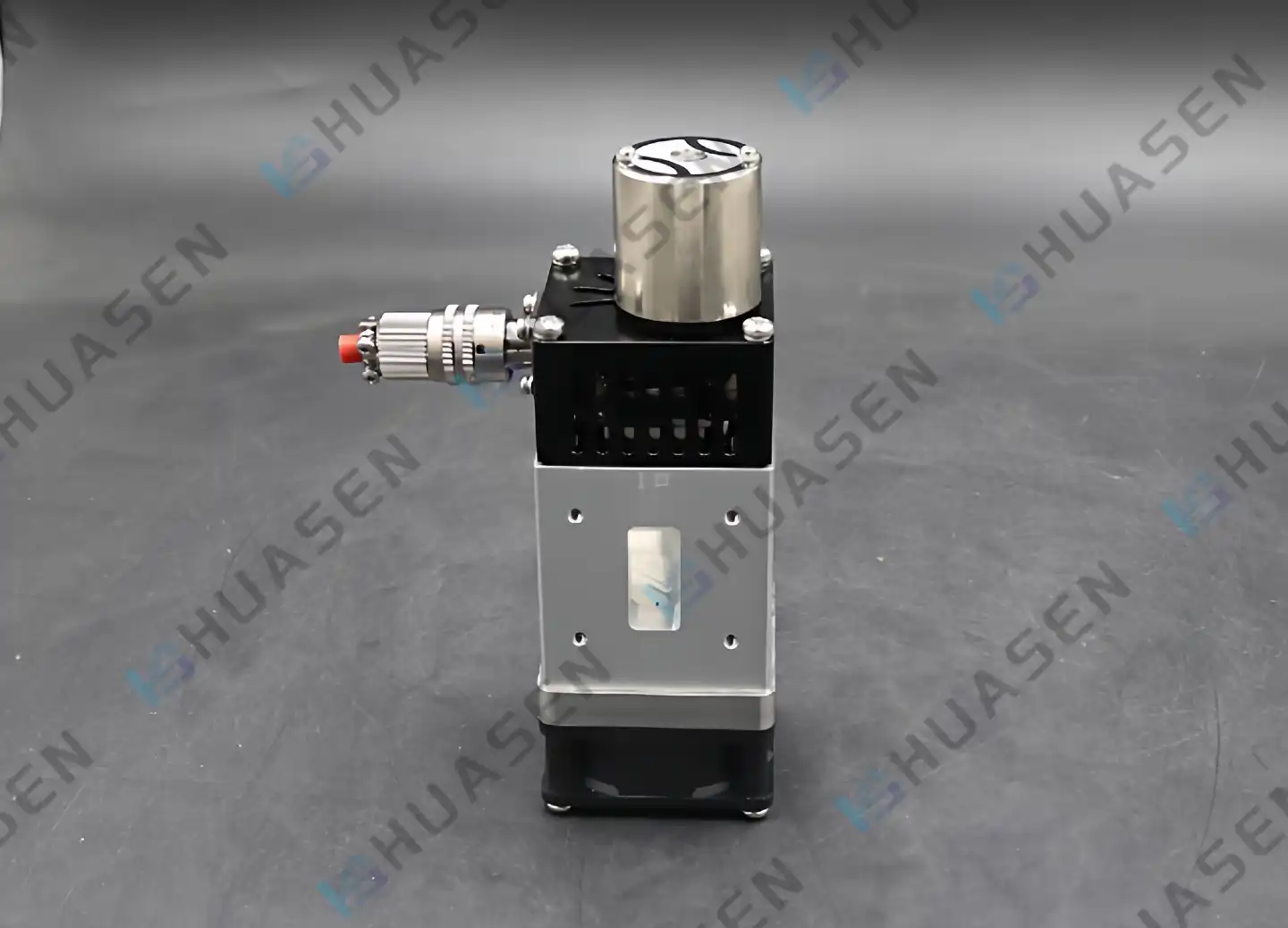
Controlling the spread of electromagnetic fields in metal waveguide structures is what makes waveguide switches work. Mechanical versions use the movement of conductive elements to start or stop signal lines, while solid-state versions use PIN diodes or FETs to switch electronics without any moving parts. Modern designs use advanced materials and precise production methods to make rotary switches that work better with electricity. They have rotating waveguide sections that line up with fixed ports, which makes them reliable for high-power uses. The switching mechanism needs to keep the impedance matching the same in all operating states, with reflections kept to a minimum and port isolation raised. Engineers rate these parts based on their insertion loss requirements, which are usually between 0.1 and 0.5 dB, depending on the frequency and complexity of the design.
Critical Technical Specifications
To figure out how well waveguide switching systems work, you have to carefully look at a lot of technical factors. Insertion loss is a major worry for system designers because it has a direct effect on signal strength and system sensitivity. The level of signal leakage between inactive ports is determined by isolation performance, which must be better than 60 dB for high-end applications. Operating temperature ranges must be flexible to suit the conditions found in different deployment scenarios. For military and aerospace uses, parts need to be able to consistently work in a wide range of temperatures. On the other hand, commercial telecommunications systems usually work in cooler temperatures. The operational bandwidth is determined by the frequency response characteristics. Newer designs allow multi-octave coverage for flexible system integration.
Challenges in Waveguide Switch Layout and How to Overcome Them
Effective waveguide switch integration within complex RF systems presents numerous engineering challenges that require systematic approaches to resolve performance bottlenecks and optimize overall system efficiency.
Signal Integrity and Electromagnetic Interference Management
Signal integrity preservation demands careful attention to electromagnetic field continuity throughout the switching network. Discontinuities in waveguide geometry can generate unwanted reflections and mode conversions that degrade system performance. Engineers must ensure proper flange connections, maintain consistent wall thickness, and minimize abrupt transitions between different waveguide sections. Electromagnetic interference mitigation requires strategic Electric Waveguide Switch shielding implementation and proper grounding techniques. Adjacent switching components can experience coupling effects that compromise isolation performance, necessitating adequate physical separation or electromagnetic barriers. The placement of control circuitry relative to RF paths influences noise coupling and requires careful consideration during layout optimization.
Thermal Management and Mechanical Integration
Thermal considerations become increasingly critical in high-power applications where heat dissipation affects both electrical performance and component longevity. Waveguide switches generate heat through resistive losses and control circuit operation, requiring effective thermal management strategies. Heat sinks, forced-air cooling, or conductive mounting surfaces help maintain optimal operating temperatures and prevent thermal drift in electrical characteristics. Mechanical integration challenges arise from space constraints and mounting requirements in complex RF systems. The physical dimensions of waveguide switching assemblies must accommodate available installation space while maintaining proper orientation and accessibility for maintenance. Vibration resistance and shock tolerance requirements in mobile or aerospace applications demand robust mechanical design and secure mounting approaches.
Layout Optimization Strategies
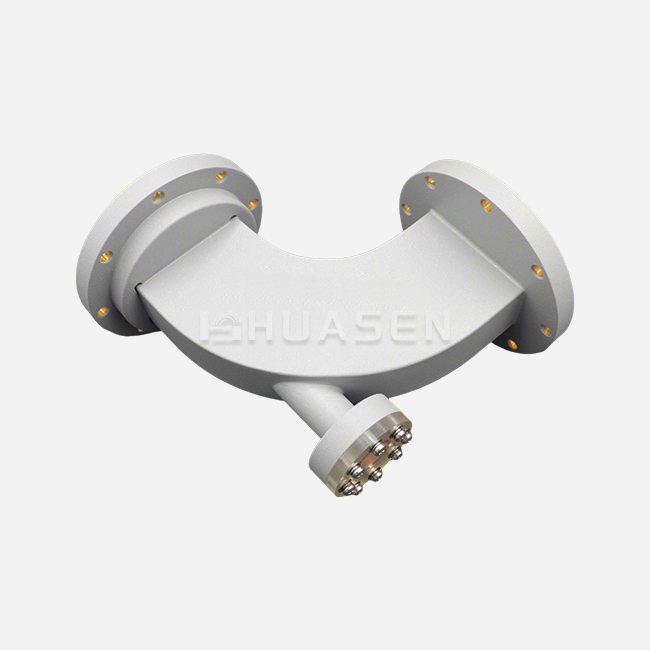
Successful layout optimization begins with comprehensive system-level planning that considers signal flow, power distribution, and thermal management requirements. Minimizing waveguide run lengths reduces insertion loss while simplifying mechanical assembly and reducing cost. Strategic component placement enables efficient thermal management and facilitates maintenance access. Signal routing optimization involves careful consideration of bend radii, transition requirements, and port orientations. E-plane and H-plane bends exhibit different electrical characteristics, requiring appropriate selection based on performance requirements. Transition components between different waveguide sizes or connector types must be positioned to maintain signal integrity while accommodating mechanical constraints.
Selecting the Right Waveguide Switch for Your RF System
Choosing appropriate waveguide switching solutions requiresa comprehensive analysis of application requirements, performance specifications, and operational constraints that align with specific system objectives and budget considerations.
Application-Specific Requirements Analysis
High-power radar and communication systems demand switches capable of handling peak power levels without breakdown or performance degradation. Continuous-wave applications require excellent thermal management and long-term stability, while pulsed systems need components that can withstand high instantaneous power levels. The duty cycle and pulse characteristics significantly influence component selection and thermal design requirements. Frequency band considerations determine waveguide size and switching technology selection. X-band applications typically utilize WR-90 waveguide with corresponding switch designs, while higher frequencies require smaller waveguide cross-sections and more precise manufacturing tolerances. Broadband applications may necessitate specialized designs that maintain performance across extended frequency ranges.
Performance Comparison and Supplier Evaluation
Leading manufacturers offer diverse switching solutions with varying performance characteristics and customization capabilities. Solid-state switches provide fast switching speeds and excellent reliability, but may have power limitations compared to mechanical alternatives. Electromechanical designs offer superior power handling and isolation performance but require consideration of switching speed and mechanical wear characteristics. Supplier evaluation criteria encompass technical performance, manufacturing quality, delivery reliability, and support services. Certification standards such as MIL-STD compliance ensure suitability for demanding applications, while ISO quality certifications indicate consistent manufacturing processes. Technical support capabilities,s including design assistance, testing services, and application engineering, prove valuable during system development and deployment phases.
Custom Manufacturing and Procurement Considerations
Custom waveguide switch solutions address unique application requirements that standard products cannot satisfy. Specialized frequency ranges, unusual port configurations,Electric Waveguide Switch,or integration with existing system architectures may require custom engineering and manufacturing approaches. The development process involves collaborative design reviews, prototype testing, and qualification procedures to ensure performance compliance. Procurement teams must balance performance requirements with cost constraints and delivery schedules. Volume pricing considerations become important for large-scale deployments, while prototype and small-quantity pricing affect development project budgets. Lead time planning must accommodate both standard product availability and custom manufacturing schedules, particularly for specialized or high-performance variants.
Installation Best Practices and Troubleshooting for Waveguide Switches
The best performance and dependability of waveguide switching systems are guaranteed by following the right installation steps and a methodical approach to debugging.
Pre-Installation Compatibility and Setup Procedures
The first step in making sure something is compatible is to carefully look over the system's specs, link types, and mounting needs. Waveguide flange standards must be the same all the way through the signal line to make sure that the electrical connections and mechanical compatibility are correct. For proper integration with the current system infrastructure, control interface specifications like voltage levels, connector types, and communication protocols need to be checked. Physical installation procedures need careful attention to electrical continuity and mechanical alignment. For flange connections, torque limits make sure that the right electrical contact is made while also avoiding mechanical stress that could damage parts. Installing gaskets and sealing off the surroundings keeps out moisture and other things that could hurt performance or cause failure.
Common Issues and Diagnostic Approaches
Symptoms of signal decline often show up as higher insertion loss, lower isolation, or worsening standing wave ratio. Using vector network analysers to do systematic measurements helps find parts or links in complex switching networks that aren't working right. When you compare new measures to old ones, you can see if there are any slowing down patterns that could affect how the system works. For example, mechanical wear in electromechanical switches can lead to connections that don't work all the time or worsen electrical performance. Regular checks of moving parts, maintenance with lubrication, and repair of parts that wear out quickly help keep failures from happening out of the blue. Environmental factors like changing temperatures, high and low humidity, and vibrations can speed up the ageing process of parts and need to be tracked for planning preventative maintenance.
Maintenance Protocols and Environmental Controls
Schedules for preventive maintenance should include regular checks on the machine's performance, visual inspections, and cleaning methods that are right for the working area. In wet or corrosive places, using clean, dry air or nitrogen purging can help stop oxidation and pollution. Temperature monitoring makes sure that the system stays within certain ranges and finds potential problems with the cooling system before they affect performance. Keeping track of maintenance tasks, measurements of performance, and the replacement of parts over time allows for trend analysis and planning ahead for future maintenance needs. Spare parts inventory management keeps important parts on hand in case of emergencies and keeps inventory costs from getting too high. Training programs for repair workers make sure they follow the right steps and help keep things from breaking during service work.

Future Trends and Innovations in Waveguide Switch Technology
Advances in materials science, new ways of making things, and digital integration features that improve performance while lowering size, weight, and cost are all contributing to the ongoing development of waveguide switch technology.
Advanced Materials and Manufacturing Techniques
Next-generation waveguide switches are made with new materials that have better electrical properties, last longer, and prevent damage from the environment. Low-loss dielectric materials allow for wider bandwidth operation while still providing great isolation. Specialised surface treatments and coatings lower insertion loss and make it easier to handle power in challenging situations. Additive manufacturing techniques make it possible to make parts with complex shapes and functions that couldn't be made with traditional machining methods. When metal parts are printed in three dimensions, the internal structures can be optimised for better electrical performance and less weight. Hybrid production methods use both adding and taking away techniques to get the best performance and cost results.
Digital Integration and Smart RF Components
Digital control interfaces make tracking and diagnosing systems easier, which increases system reliability and reduces the time needed for maintenance. Embedded sensors keep an eye on things like temperature, power levels, and the number of switching cycles to help with planned maintenance and keep problems from happening out of the blue. Remote monitoring lets you handle distributed RF systems from one place, which cuts down on maintenance costs. Smart RF architectures combine switching functions with other system parts to improve performance and make the system simpler. Adaptive switching patterns can be used with software-defined functions to adapt to changing operational needs or environmental conditions. Based on current situations and past data, machine learning algorithms can find the best switching timing and routing to make the system work as well as possible.
Industry Evolution and Procurement Priorities
To keep up with changing system needs, thewaveguide switchesmarket trends focus on miniaturisation, faster frequency operation, and better integration capabilities. For 5G and 6G communication systems to work, they need parts that can run at millimeter-wave frequencies and have great performance characteristics. More and more, the total cost of ownership is becoming more important in procurement decisions instead of just the original purchase price. This is because satellite communication applications need parts that can work reliably in space. When buying something for a big system deployment, things like how much upkeep it needs, how well it works, and how much it costs over its whole lifecycle are all important. For more complicated system setups, supplier relationships that offer ongoing technical support, the ability to upgrade, and long-term availability of parts become more valuable.
Conclusion
Electric waveguide switch layout optimisation is an important area of engineering that has a direct effect on the performance, stability, and cost-effectiveness of RF systems. To make implementation work, you need to know a lot about the features of each component, plan the layout in a methodical way, and pay close attention to the steps for installation and maintenance. The world of technology is changing quickly. New materials, manufacturing methods, and digital integration are making things more useful and opening up new ways to improve systems. Strategically choosing waveguide switching solutions, along with optimising the plan and forming partnerships with suppliers, can lead to better system performance while keeping costs low and reliability high.
FAQ
1. What factors most significantly influence insertion loss in waveguide switches?
Insertion loss in waveguide switches depends primarily on conductor surface quality, joint connections, and internal geometry precision. High-frequency applications experience greater sensitivity to surface roughness and dimensional tolerances. Manufacturing quality, materials selection, and design optimization significantly impact overall loss characteristics, with premium components achieving insertion losses below 0.2 dB at most operating frequencies.
2. How do waveguide switches compare to coaxial switches in high-frequency applications?
Waveguide switches offer superior power handling capability and lower insertion loss compared to coaxial alternatives at higher frequencies, particularly above 10 GHz. They provide better isolation performance and eliminate dielectric losses associated with coaxial designs. However, coaxial switches offer a smaller size, broader bandwidth, and lower cost for moderate power applications below microwave frequencies.
3. What are typical lead times for custom waveguide switch orders?
Custom waveguide switch lead times typically range from 8 to 16 weeks, depending on design complexity and manufacturing requirements. Standard modifications to existing designs may require 6 to 10 weeks, while completely new designs can extend to 20 weeks or more. Prototype development and qualification testing add additional time for critical applications requiring extensive validation procedures.
Partner with Huasen Microwave for Superior Waveguide Switch Solutions
Transform your RF system performance with Huasen Microwave's precision-engineered waveguide switch solutions designed for demanding industrial applications. Since 1993, we have specialized in developing high-performance microwave and millimeter-wave components that meet stringent requirements for telecommunications, radar, aerospace, and defense systems. Our experienced engineering team provides comprehensive design assistance, rapid prototyping, and customized solutions that address your specific technical challenges. As a trusted waveguide switch manufacturer, we offer competitive pricing, reliable delivery schedules, and responsive technical support throughout your project lifecycle. Contact our experts at sales@huasenmicrowave.com to discuss your requirements and discover how our advanced waveguide switching technology can optimize your system performance.
References
1. Pozar, David M. "Microwave Engineering: Theory and Applications of Waveguide Switching Networks." Fourth Edition, Cambridge University Press, 2017.
2. IEEE Standards Association. "IEEE Standard for Waveguide Switch Performance Specifications and Test Methods." IEEE Std 1785-2019, Institute of Electrical and Electronics Engineers, 2019.
3. Chen, Wei-Lin and Rodriguez, Maria. "Advanced Layout Optimization Techniques for High-Frequency Waveguide Switch Networks." Journal of RF Engineering and Microwave Technology, Volume 45, Issue 3, 2023.
4. Thompson, Robert A. "Thermal Management Strategies in High-Power Waveguide Switch Applications." IEEE Transactions on Microwave Theory and Techniques, Volume 68, Number 7, July 2022.
5. European Space Agency Technical Documentation. "Waveguide Switch Reliability Analysis for Satellite Communication Systems." ESA-ESTEC Technical Report TR-2024-001, 2024.
6. International Telecommunication Union. "Waveguide Component Specifications for 5G and Beyond Wireless Infrastructure." ITU-R Recommendation SM.2045-1, 2023.
Send Inquiry