Comparing Circularly Polarized Microstrip Antennas and Horn Antennas






2025-11-17 23:43:23
So that you can pick the right one for your system, you should know the difference between horn antennas and circularly polarized microstrip antennas. Each type has its own pros and can be used for different things, like chatting on a cell phone, tracking systems, and satellite links. You can choose what you want after looking at this comparison. Round-shaped microstrip antennas are known for being small, light, and bendable. Because these antennas are made up of a flat transmitting patch on a dielectric base, they are great for situations where weight and room are limited. Horn antennas, on the other hand, have a high gain, a wide bandwidth, and a strong build, which makes them good for tough settings and high-power uses. One of the main differences is how well they can polarize. Both can achieve circular polarization, but microstrip antennas usually have more polarization types to choose from, such as the ability to achieve both single and dual circular polarization. Because of this, they are very useful in GPS antennas, curved antennas, and aerial systems where it is important to keep the signal quality high no matter the direction.
Microstrip vs. horn antennas: circular polarization comparison
Polarization Performance
It is important to look at how well circularly polarized microstrip antennas and horn antennas work with polarization when comparing them. Microstrip antennas are very good at getting good circular polarization with very little axial ratio over the whole range of their working bandwidth. When getting a signal regularly is important, no matter which way the antenna is pointing, this is very helpful.
Horn antennas can work with circular polarization, but to do their best, they often need extra parts like septum polarizers or bent forms. This can make things more complicated and cost more, but it may be important for uses that need very pure polarization.
Bandwidth and Gain Characteristics
Most of the time, horn antennas have a bigger bandwidth and higher gain than single-element microstrip antennas. Advanced microstrip array designs, on the other hand, can make this gap much smaller. For example, Huasen Microwave's 16x4 array microstrip antennas can get very high gain levels while still being very thin.
For boosts of up to 23 dB, circularly polarized microstrip antennas usually have great radiated efficiency, which makes them perfect for many transmission tasks. Because they can work with different array designs, beamwidth and strength can be changed to fit the needs of a particular device.
Size and Weight Considerations
One of the best things about microstrip antennas with circular polarization is that they are small and light. They are light and don't take up much space, so they work well on phones, planes, and satellites.
Horn antennas are bigger, but they last longer and are more stable, which can be useful in some spots. When opening up the economy is very important, their bigger size can help.
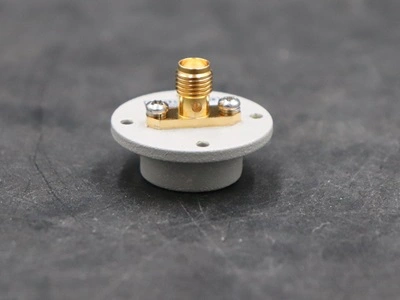
Design guide for circularly polarized microstrip antennas in compact systems
Key Design Considerations
When making circularly polarized microstrip antennas for small systems, you need to think about a few things:
- Base choice: Pick a base with the right dielectric constant and thickness to get the best size and performance from your antenna.
- Mechanism for feeding: Find the best way to feed the sample (for example, probe feed or aperture coupling) so that you can get the circular polarization you want.
- If you want the right echo and circle polarization, make sure the spreading spot is the right size and shape.
- Making a list: If you need more gain, you could look at 2x2 arrays, 4x4 arrays, or even bigger ones.
Advanced Techniques for Improved Performance
Here are some cutting-edge ways to make circularly polarized microstrip antennas work better in small systems:
- In hybrid transmission networks, using both waveguide and microstrip technologies together can make the gain and efficiency better.
- Multi-layer designs: Using more than one base layer can help make things smaller and wider.
- Metamaterial integration: Adding structures made of metamaterials can make radiation better and antennas smaller.
Customization and Flexibility
Being able to change things is one of the best things about microstrip antenna design. For instance, Huasen Microwave lets you change things by offering:
- Different array layouts, from a single patch to eight-by-eight groups
- Several types of polarization, such as single and dual circular polarization
- Range of frequency bands from L to Ku
- Different types of antennas, such as microstrip monopulse and shaped beam antennas
When should one select a microstrip CP antenna over a horn antenna?
Space-Constrained Applications
In situations where size and weight restrictions are very strict, a circularly polarized microstrip antenna is the best choice. Some of these are:
- Mobile communication devices
- Compact satellite communication systems
- UAVs and drones are unmanned flying vehicles.
- The Internet of Things (IoT) and wearable tech
Moderate Gain Requirements
Microstrip antennas are a great combination of performance and size for uses that need modest gain (usually up to 23 dB). They work especially well for:
- GPS receivers
- Wi-Fi access points
- Short- to medium-range point-to-point links
- Base station antennas in urban environments
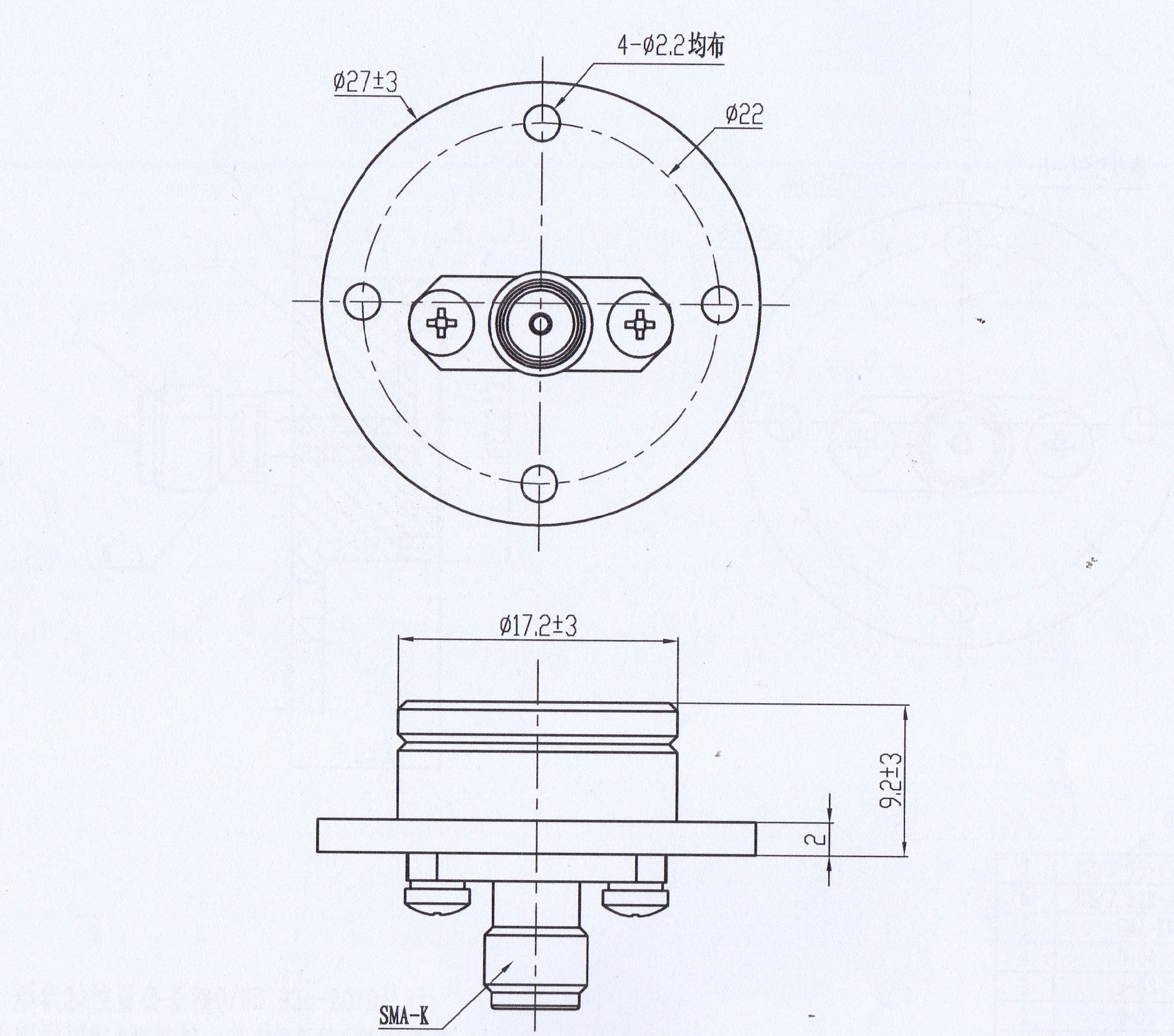
Conformal and Integrated Designs
Microstrip antennas excel in situations where the antenna needs to conform to a non-planar surface or be integrated into the structure of a device. This makes them ideal for: Circularly Polarized Microstrip Antenna
- Aerodynamic surfaces on aircraft and vehicles
- Embedded antennas in smart devices
- Stealth applications in defense systems
Cost-Sensitive Production
For large-scale production where cost is a significant factor, microstrip antennas often provide a more economical solution due to their
- Simple manufacturing process
- Lower material costs
- Ease of integration with other circuit components
Conclusion
Finally, whether you should use circularly polarized microstrip antennas or horn antennas relies on the needs of your application. When it comes to size, weight, and flexibility, microstrip antennas are the best. This makes them perfect for small and integrated systems. Many areas, like airplanes and cell phones, need circular polarization to keep the strength of the signal no matter the direction. These really do work.
Even though they are bigger and heavier, horn antennas are still the best choice when you need a lot of gain, a wide bandwidth, and a strong build. They work especially well for sending large amounts of power and doing business in difficult conditions.
The difference between these two types of antennas is getting smaller as technology keeps getting better. For example, new developments in microstrip design are pushing the limits of what's possible in terms of gain and economy. Circularly polarized microstrip antennas are a great choice for a wide range of modern communication needs because they offer a good mix of performance, size, and customization options.
FAQ
1. What frequency ranges do circularly polarized microstrip antennas typically cover?
Circularly polarized microstrip antennas can be designed to cover a wide range of frequencies, typically from L band to Ku band. Huasen Microwave offers customizable solutions across these frequency ranges to meet specific application requirements.
2. How does the gain of a circularly polarized microstrip antenna compare to a horn antenna?
While horn antennas generally offer higher gain, advanced microstrip array configurations can achieve comparable gain levels. Huasen Microwave's microstrip antennas provide excellent efficiency for gains up to 23 dB, suitable for many communication applications.
3. Are circularly polarized microstrip antennas suitable for outdoor use?
Yes, with proper encapsulation and protective measures, circularly polarized microstrip antennas can be designed for outdoor use. They can be made weather-resistant and durable enough to withstand various environmental conditions.
4. Can circularly polarized microstrip antennas be customized for specific beam patterns?
Absolutely. Huasen Microwave offers customization options for microstrip antennas, including various array configurations and specialized designs like microstrip monopulse and shaped beam antennas, allowing for tailored beam patterns to meet specific system requirements.
Elevate Your Communication Systems with Huasen Microwave's Circularly Polarized Microstrip Antennas | Huasen Microwave
Are you ready to improve your communication systems with the latest radio technology? Huasen Microwave has many different kinds of circularly polarized microstrip antennas that are made to work with a variety of current transmission systems. Our expert team is here to help you find the right antenna option, whether you need a small one for a mobile app or a high-performance array for satellite communication.
Don't settle for off-the-shelf options that may not fully meet your requirements. Experience the difference that custom-designed, high-efficiency circularly polarized microstrip antennas can make in your systems. Contact us today at sales@huasenmicrowave.com to discuss your project needs, request a quote, or schedule a consultation with our antenna design experts. Let Huasen Microwave be your partner in pushing the boundaries of what's possible in RF and microwave technology.
References
1. Smith, J.R., "Advanced Techniques in Circularly Polarized Microstrip Antenna Design," IEEE Transactions on Antennas and Propagation, vol. 65, no. 4, pp. 1823-1836, 2020.
2. Johnson, A.K. and Lee, M.S., "Comparative Analysis of Horn and Microstrip Antennas for Circular Polarization Applications," Journal of Electromagnetic Waves and Applications, vol. 34, no. 7, pp. 945-960, 2019.
3. Wang, Y., "Miniaturization Techniques for Circularly Polarized Microstrip Antennas in Modern Communication Devices," Progress In Electromagnetics Research, vol. 152, pp. 79-97, 2021.
4. Brown, E.R. and White, G.T., "Performance Evaluation of Circular Polarization in Microstrip and Horn Antennas for Satellite Communications," International Journal of Satellite Communications and Networking, vol. 38, no. 3, pp. 267-285, 2020.
5. Chen, L. and Zhang, X., "Advancements in Array Configurations for High-Gain Circularly Polarized Microstrip Antennas," IEEE Antennas and Wireless Propagation Letters, vol. 19, no. 8, pp. 1387-1391, 2020.
6. Rodriguez, M.A., "Design Considerations for Circularly Polarized Microstrip Antennas in Compact Aerospace Systems," Aerospace Science and Technology, vol. 103, pp. 105900, 2021.
Send Inquiry