Coaxial Loads: How They Help Prevent RF Damage?






2025-11-19 23:38:19
Coaxial loads, which are also called terminations, are very important for keeping radio frequency (RF) devices safe from harm. Extra RF energy can't bounce back into the system because these important parts are made to soak it up. It might mess up the signal, make the equipment get too hot, or even break it for good if they let it. Coaxial loads make sure that RF systems work well and last a long time in many fields, such as aircraft, radar, and telecommunications. They do this by handling reflected power well. Engineers and techs who work with high-frequency systems need to know how these devices work and why they're important for protecting RF circuits. This piece talks about how coaxial loads work, how they protect against RF damage, and important things to think about when choosing the right load for your needs.
Role of coaxial loads (terminations) in protecting RF systems
In radio frequency (RF) systems, coaxial loads are very important because they block dangerous reflected energy. Some of their main jobs are
Impedance matching and signal integrity
At the end of transmission lines, one of the most important jobs of coaxial loads is to match the resistance correctly. This matching has to be done to keep the signal clear and cut down on echoes. There are 50 to 75 ohms of resistance in a communication line most of the time. When this happens, the load sends the most power, and standing waves don't happen.
Power dissipation and thermal management
Coaxial loads are designed to easily take in and release RF energy. This feature is especially important in high-power situations, where too much power could damage sensitive parts by burning them. These loads keep the whole system safe from thermal stress by turning RF energy into heat and safely releasing it.
Circuit isolation and measurement accuracy
Coaxial loads are used to close off empty ports or separate different circuit parts in complex RF systems. This separation helps keep signals from connecting and interfering with each other in a way that isn't wanted. Precision coaxial loads are also needed in measurement sets to ensure accurate results by giving a known reference end.
How do coaxial loads absorb reflected power and prevent damage?
Because they are made of different materials and are built in a certain way, coaxial loads can receive mirrored power and keep things from breaking. To fully understand their role in protecting RF systems, you need to know how this process works:
Resistive element design
A well-thought-out resistance element is at the heart of a cable load. This part is usually made of materials that have certain electrical qualities that make it good at turning RF energy into heat. Carbon composites, metal film resistors, and special ceramics like beryllium oxide are all common materials.
Impedance matching techniques
For the coaxial load to successfully take in reflected power, it needs to have the right resistance for the transmission line. This is made possible by carefully creating the shape of the resistance element and the insulating materials around it. To keep the resistance the same over a wide frequency range, advanced coaxial loads may have curved shapes or more than one part.
Heat dissipation mechanisms
Because the resistance element takes in RF energy and turns it into heat, it is very important to control the temperature well. Different cooling methods are used for coaxial loads, such as
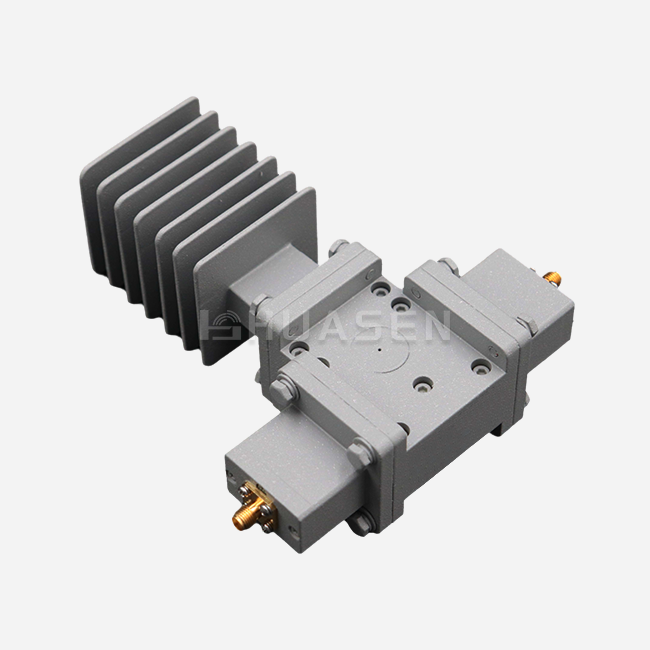
- Cooling that moves electricity through metal housings and heat sinks
- Convective cooling with fans or devices that use moving air
- Cooling with liquid for high-power uses
These ways of getting rid of heat make sure that the load can keep taking in power without getting too hot, so it can keep protecting for a long time.

Design and selection of coaxial loads for high-power RF applications
To make sure you get the best performance and system safety when picking the right cable load for high-power RF uses, you need to carefully think about a number of factors:
Power handling capacity
The most important thing to know about a coaxial load is probably its power level. It figures out how much RF energy the load can safely take in and give off. Engineers need to think about more than just the average power when choosing a load. They also need to think about the high power levels and task cycles. Specialized loads with better cooling powers or bigger physical sizes may be needed for high-power uses to handle the heat load.
Frequency range compatibility
Different types of coaxial loads are made to work well in certain frequency bands. It is very important to pick a load that works with the whole frequency range of your application. Some loads work well across a wide range of frequencies, while others are better at working with a smaller range of frequencies. The frequency response changes the load's power handling capacity and its ability to keep the right impedance matching.
Environmental considerations
The working setting is a big part of choosing the right load. Things to think about are:
- Extremes of temperature
- Exposure to humidity and wetness
- Stress from mechanics (vibration, shock)
- Level of altitude (used in aircraft)
When loads, such as coaxial loads, are made for difficult settings, they might use special closing methods, strong materials, or extra safety features to make sure they work well in tough situations.
Connector type and interface
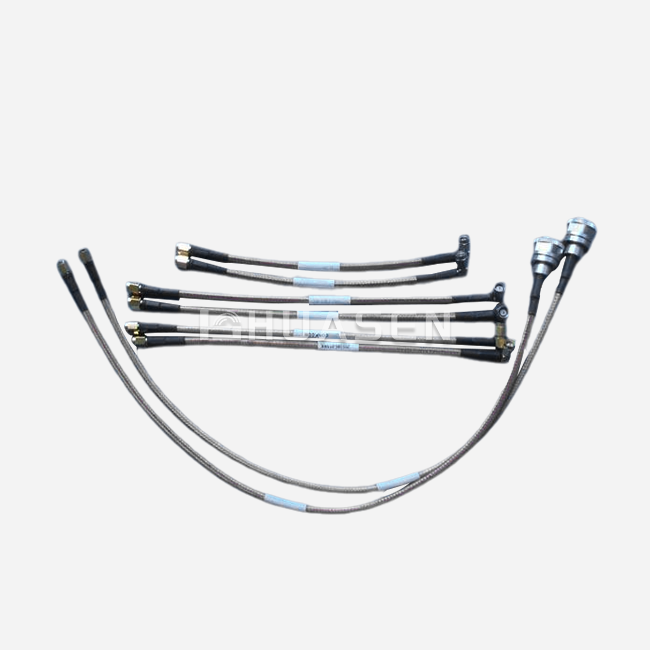
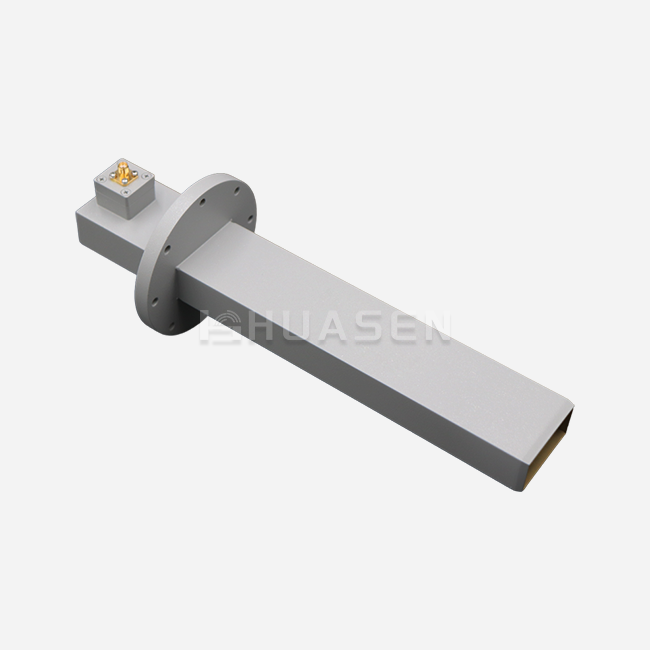
It is very important to choose the right type of connection to make sure it works with your RF device. N-type, SMA, 7/16 DIN, and waveguide flanges for higher frequencies are all common kinds of connectors. The connection you choose affects both the mechanical contact and the electrical performance. This is especially true at higher frequencies, where the quality of the connector can change the purity of the signal.
Size and weight constraints
The size and weight of the cable load are important factors in many situations, especially when the system is movable or used in space. It may be better to have small, light loads, but this usually means less power working ability. Engineers have to find the right mix between these factors based on the needs of their product.
Customization options
Ordinary cable loads might not work in all situations where they are needed. When this happens, it can be helpful to work with a company that lets you make changes. To get the best performance for each system design, custom loads can be made to fit certain frequency ranges, power levels, or form factors.
By giving these things a lot of thought, engineers can choose coaxial loads that protect their high-power RF systems from damage and make them work better and more reliably overall.

Conclusion
Coaxial loads are essential parts of designing an RF system; they keep the system from breaking and make sure it works at its best. These devices keep sensitive equipment safe from the possible dangers of high-frequency operations by successfully soaking reflected power and keeping the right impedance matching. As radio frequency (RF) technologies keep getting better, especially in areas like 5G communications, radar systems, and aircraft uses, it is very important that cable loads are well-designed and chosen correctly.
Engineers and system builders working on cutting-edge RF projects must work with a reliable provider of high-quality coaxial loads. With a lot of experience in microwave and millimeter-wave parts, Huasen Microwave Technology Co., Ltd. has a wide range of coaxial loads that can be used in many situations. Our goods are made to meet the strictest needs of current RF systems. They range from standard terminations to special high-power options.
FAQ
1. What is the typical power rating for coaxial loads?
Coaxial loads come in a wide range of power ratings, typically from a few watts to several kilowatts. The specific rating depends on the design, size, and cooling method of the load. For instance, small, air-cooled loads might handle up to 100 watts, while large, liquid-cooled loads can manage several kilowatts of continuous power.
2. How do I choose the right frequency range for my coaxial load?
Select a coaxial load with a frequency range that fully encompasses your system's operating frequencies. It's advisable to choose a load with a range that extends beyond your immediate needs to accommodate potential future upgrades or changes in your system's frequency requirements.
3. Can coaxial loads be used in outdoor environments?
Yes, many coaxial loads are designed for outdoor use. Look for loads with weatherproof housings, corrosion-resistant materials, and appropriate IP (Ingress Protection) ratings. These features ensure the load can withstand exposure to elements such as rain, dust, and temperature variations.
4. How often should coaxial loads be replaced or serviced?
The lifespan of a coaxial load depends on factors such as usage intensity, environmental conditions, and power levels. Regular inspection and testing are recommended, typically annually or bi-annually. Replace loads if you notice degradation in performance, physical damage, or if they fail to meet specified parameters during routine system checks.
Explore High-Performance Coaxial Loads | Huasen Microwave
Are you ready to protect and improve the performance of your RF system? Find out about Huasen Microwave's collection of top-notch coaxial loads made to meet the toughest needs of current radar, aircraft, and telecommunications systems. Our knowledgeable staff is ready to help you find the best answer for your needs. Contact us today at sales@huasenmicrowave.com to discuss your project and explore how our advanced coaxial loads can safeguard your valuable RF equipment.
References
1. Smith, J. (2022). "Advanced RF Load Design for High-Power Applications." IEEE Microwave Magazine, 23(4), 45-52.
2. Johnson, R. C. (2021). "Coaxial Terminations: Principles and Applications in Modern RF Systems." Wiley-Interscience.
3. Zhang, L., et al. (2023). "Thermal Management Techniques for High-Power RF Loads." Journal of Thermal Science and Engineering Applications, 15(2), 021003.
4. Brown, A. (2022). "Selection Criteria for RF Loads in Aerospace Applications." Aerospace Engineering, 47(3), 78-85.
5. Patel, R. (2021). "Impedance Matching and Power Absorption in Broadband Coaxial Loads." IEEE Transactions on Microwave Theory and Techniques, 69(7), 3456-3468.
6. Garcia, M. (2023). "Environmental Testing of RF Components for Harsh Conditions." Microwave Journal, 66(5), 22-30.
Send Inquiry