Choosing Flex Waveguide for High-Frequency Signal Routing






2026-05-25 22:28:40
The proper flexible waveguide is essential for high-frequency systems that need dependable signal transmission and mechanical flexibility. Flex waveguide assemblies, precision-engineered transmission line components, solve alignment, vibration isolation, and thermal expansion difficulties in telecommunications, aerospace, radar, and satellite communication systems. These components have convoluted metallic cores—usually silver-plated brass or phosphor bronze—that allow bending and twisting without affecting RF performance. Understanding their technical specifications, application needs, and procurement concerns enables instant functioning and long-term reliability.
Understanding Flex Waveguides and Their Fundamental Principles
Core Construction and Operating Principles
Flexible waveguide assemblies propagate electromagnetic waves via hollow metallic structures, preserving impedance while permitting movement. The convoluted design uses helically wound metal strips or corrugated seamless tubing for E- and H-plane flexure. This design maintains rectangular waveguide TE10 mode propagation, maintaining signal integrity over defined frequency ranges. To reduce ohmic losses and avoid oxidation, which would weaken conductivity over decades, the inside is usually silver-plated.
Material Selection and Environmental Protection
Technical materials ensure durability under harsh environments. Brass is used for regular applications, and beryllium copper for increased flex life cycles. Silver plating from 0.0002 to 0.0005 inches thick balances conductivity and cost on these cores. Neoprene resists moisture and temperatures from -40°C to +100°C; silicone extends to +200°C for high-heat environments; and polysulphide compounds resist ozone degradation and radiation in aerospace applications.
Electrical Performance Characteristics
Well-designed flexible waveguides have electrical specs similar to stiff ones. Depending on length and frequency, Voltage Standing Wave Ratio (VSWR) is 1.05–1.15, indicating low reflected power. Insertion loss is low—often around 0.1 dB per foot at mid-band frequencies—preserving signal strength throughout transmission. Pressurised with dry air or nitrogen, peak power-handling capabilities approach kilowatts and avoid arcing in high-field settings. These criteria evaluate procurement specifications against military standards like MIL-DTL-63460.

Comparing Flex Waveguides with Alternative Signal Routeing Solutions
Mechanical Flexibility and Installation Advantages
Rigid waveguides perform better electrically but need exact alignment during installation, raising labour costs and restricting post-installation changes. Coaxial cables are flexible but lose more at millimetre-wave frequencies, making them unsuitable for many applications over 40 GHz. Microstrip transmission lines fit easily into planar circuits but lack shielding, making them susceptible to electromagnetic interference. Flexible waveguides provide waveguide-class electrical performance while accepting several-degree misalignments and thermal expansion movements without mechanically stressing flanged connections.
Signal Integrity Across Frequency Bands
Performance comparisons show operational windows. Coaxial cables perform well below 18 GHz but lose too much in Ka-band and higher frequencies. Whilst rigid waveguides function well, they cannot support dynamic movement or installation tolerances beyond 0.010 inches. Flexible waveguides accept bend radii as tight as four times the waveguide width and support frequency ranges from L-band to W-band (1-110 GHz), depending on waveguide size. This is useful in satellite ground stations when antenna pointing systems need continual azimuth and elevation modifications without affecting uplink signal quality.
Cost and Lifecycle Considerations
Total ownership expenses exceed purchase pricing. Precision machining and repetitive tweaks for rigid waveguide installations add labour costs, whereas flex waveguide reduces such needs. Thermal cycling degrades dielectric materials, requiring cable assembly replacement. Industry deployment studies show that flexible waveguides cost more but take 40-60% less time to install. Radar pedestals on navy boats don't break prematurely due to their flex-life ratings, which typically surpass 100,000 cycles.
Criteria for Choosing the Right Flex Waveguide for Your High-Frequency Applications
Technical Specification Prioritisation
Define operational needs to set selection criteria. Frequency range compatibility stabilises propagation mode—a WR-90 flexible waveguide accommodates X-band (8.2-12.4 GHz) but not Ka-band. Cascaded systems with several components acquire attenuation; defining maximum permissible loss per unit length avoids degeneration. Power handling determines if pressurised assemblies are needed to prevent voltage breakdown at radar transmitter kilowatt power levels.
Environmental Durability Requirements
Operational circumstances require protection. Ruggedised jacketing with IP67-compliant flanges is needed for outdoor telecommunications systems that resist -40°C to +85°C temperature fluctuations, UV radiation, and moisture intrusion. Assembly shock and vibration testing is required for airborne platforms' MIL-STD-810 vibration profiles. Salt spray-resistant coatings and sealing chemicals are needed in corrosive marine conditions. Environment-specific component requirements minimise early failures that reduce system availability.
Customisation and Integration Needs
Standard catalogue goods fulfil typical applications, but complicated systems demand custom solutions. Custom electrical length standards assure antenna feed network phasing. Flanges for obsolete equipment or pressure windows are non-standard. Signals pass through equipment racks or aeroplane fuselages using specialised bending designs. Using manufacturers with strong customisation skills and in-house engineering teams speeds up development and assures design compliance with system architectures.
Supplier Qualification and Support Infrastructure
The vendor selection process goes beyond component specs. Established ISO 9001 producers exhibit process control and quality consistency. Test reports verify MIL-STD compliance for defence applications. Sudden component obsolescence interrupts manufacturing schedules and raises expedited costs in production environments that require predictable lead times and availability. Technical support depth speeds troubleshooting; RF testing data, mechanical drawings, and application engineering help decrease integration risks and speed implementation.
Procurement and Supply Chain Considerations for Flex Waveguides
Sourcing Channels and Vendor Relationships
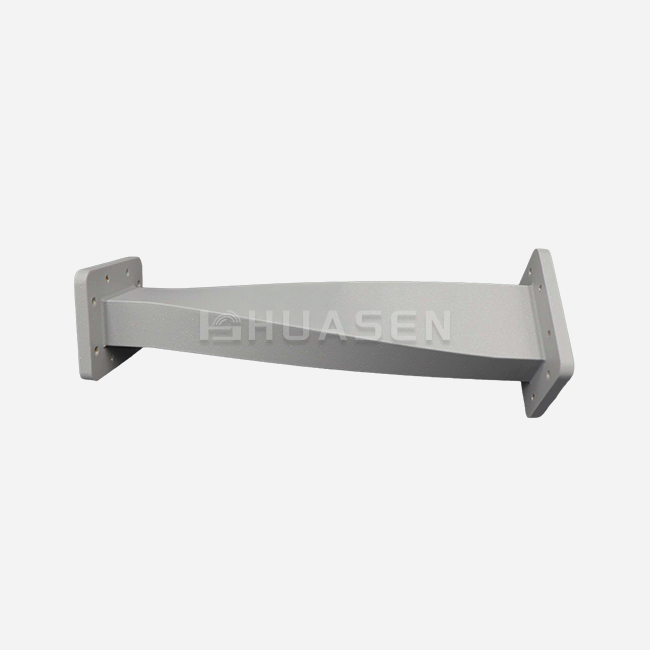
Customisation and technical expertise, including flex twist waveguide options, are available through direct manufacturer involvement; however, minimum order quantities may be greater. Authorised distributors supply basic configurations with reduced delivery times for prototype or low-volume needs. Multi-supplier agreements reduce single-source risks, especially for long-lifecycle military systems with decades-long component availability. Before purchasing, get vendor qualification documents, including material certifications and test data, to confirm components satisfy requirements.
Lead Time Management and Inventory Strategy
Standard flexible waveguide assemblies arrive in 2-4 weeks, whereas sophisticated bespoke designs take 6-12 weeks. Strategic stocking of important assemblies balances carrying costs against rush order expediting fees, improving production timelines. Volume commitments can reduce prices by 15-25%, but demand forecasting is needed to avoid outdated inventories. System integrators handling several projects prefer blanket purchase orders with planned releases for cost savings and production rate flexibility.
Sample Evaluation and Quality Validation
Samples before production orders verify performance and identify integration concerns. Measure samples' VSWR and insertion loss with a network analyser across operational bandwidths. Mechanical testing should check bend radius tolerances and flange perpendicularity to avoid installation alignment issues. Reviewing material certificates and test results ensures specification compliance. This validation step lowers production risks and sets incoming inspection standards' performance baselines.
Real-World Applications and Case Studies Demonstrating Flex Waveguide Benefits
Satellite Ground Station Deployments
Modern Ka-band satellite earth stations require accurate signal routing between high-power amplifiers and antenna feed assemblies. Aligning rigid waveguide installations takes hours of expert effort and increases thermal expansion failure hazards. A large telecom operator used flexible waveguide assemblies in 150+ ground stations, decreasing installation time by 55% and allowing for ±3mm thermal mobility from -30°C to +70°C. Flexible assemblies maintained VSWR < 1.10 in 27.5-31 GHz uplink bands for five years; hence, link budgets were not adjusted.
Airborne Radar System Integration
The engines of fighter aircraft create broadband vibration surpassing 5G acceleration spanning 10-2000 Hz, which challenges military radar systems. Within 200 flight hours, rigid waveguide connections between gimbal-mounted antennas and stationary RF equipment fatigued. Moving to flexible waveguide assemblies with strengthened jacketing increased MTBF beyond 2,000 flight hours, saving $340,000 per squadron in maintenance expenditures. Phase stability maintained ±5 degrees over ±30-degree antenna scanning ranges, ensuring accurate target tracking despite mechanical flexure.
5G Millimetre-Wave Base Station Applications
Fifth-generation wireless networks use 24-29 GHz frequency ranges and require accurate signal distribution from distant radio heads to antenna arrays. A base station equipment maker has trouble routing mmWave signals via weather-sealed enclosures with manufacturing tolerances. Using flexible twist waveguide jumpers at crucial interfaces reduced assembly line rework by 40% by absorbing ±2 mm positional changes. The assemblies' low insertion loss—averaging 0.08 dB per assembly—maintained output power efficiency and helped system gain budgets calculate cell coverage radius.
Conclusion
Electrical performance, mechanical durability, environmental resilience, and supply chain reliability must be considered while choosing flexible waveguide assemblies. These precise components remove vibration isolation, thermal expansion, and alignment tolerance issues in high-frequency systems. Detailed specifications—including frequency range, power handling, environmental exposure, and customisation—guide procurement decisions towards solutions that maximise immediate usefulness and lifespan value. Partnering with experienced manufacturers with complete technical assistance and established quality processes guarantees your flexible waveguide investment performs well in demanding telecommunications, aerospace, radar, and satellite communication applications.
FAQ
1. What frequency ranges can flexible waveguides support?
Flexible waveguide assemblies can handle frequencies from L-band (1-2 GHz) to W-band (75-110 GHz), depending on cross-sectional dimensions. Millimetre-wave applications use small waveguides (WR-10 for W-band), whereas L-band applications use bigger waveguides (WR-650). Cutoff frequency calculations provide each waveguide size's frequency window, ensuring single-mode propagation without higher-order mode stimulation.
2. How does bending affect signal loss?
Bend severity increases insertion loss beyond straight-path attenuation. Maintaining bend radii over four times the waveguide width reduces loss to 0.05 dB. Tighter bends significantly increase loss and danger to core mechanical damage. Exceeding manufacturer-specified bend radius restrictions during installation can irreversibly distort cores, reducing electrical performance and flex-life expectancy.
3. Can flexible waveguides be customised?
Numerous customisation possibilities meet system needs. Electrical length modifications ensure multi-element antenna feed phasing. UG, PDR, and CPR custom flanges provide various equipment interfaces. Special jacketing can withstand severe temperatures or chemicals. Pressurisation fittings support high-power dry air or nitrogen injection applications. Early manufacturer involvement in design facilitates feasibility evaluation and maximises tailored solutions for manufacturing.
Partner With Huasen Microwave for Reliable, Flexible Waveguide Solutions
Huasen Microwave has over 30 years of experience producing high-frequency waveguide components for North American telecommunications, aerospace, defence, and satellite communication companies. Our flexible waveguide assemblies fulfil strict MIL-DTL specifications and may be customised to your system's needs, from electrical lengths to environmental safety. We ensure quality throughout manufacturing with RF testing and material certifications that verify performance before export. Our technical team provides application engineering support from specification to installation for conventional catalogue assemblies with accelerated delivery or custom-engineered solutions for complicated integration issues. Discuss your high-frequency routing needs, seek technical details, or arrange a sample assessment for your next deployment with an experienced flex waveguide provider at sales@huasenmicrowave.com.
References
1. Marcuvitz, Nathan. Waveguide Handbook. London: Peter Peregrinus Ltd., 1986.
2. Pozar, David M. Microwave Engineering, 4th Edition. New York: John Wiley & Sons, 2011.
3. Saad, Theodore S. Microwave Engineers' Handbook, Volume 1. Dedham: Artech House, 1971.
4. United States Department of Defense. MIL-DTL-63460: Waveguide, Flexible, Radio Frequency. Washington: Defense Standardization Program Office, 2015.
5. Rizzi, Peter A. Microwave Engineering: Passive Circuits. Englewood Cliffs: Prentice Hall, 1988.
6. Institute of Electrical and Electronics Engineers. IEEE Standard for Waveguide and Flanges (IEEE 1785-2013). New York: IEEE Standards Association, 2013.
Send Inquiry