Choosing Low-IMD RF Combiners for Satellite Communication Systems






2026-05-22 22:06:14
Intermodulation distortion determines satellite communication infrastructure RF combiner performance. High-power satellite ground stations and LEO constellation terminals use low-IMD RF combiners to blend numerous signal pathways while reducing undesirable mixing products that impair connection quality. These devices provide signal purity over wide bandwidths for reliable uplink and downlink performance when even modest distortion might reduce data speed or create bit errors. In harsh satellite earth station environments, electrical criteria must be balanced with mechanical endurance and thermal stability.
Understanding Low-IMD RF Combiners and Their Role in Satellite Communication
What Makes Intermodulation Distortion Critical in Satellite Links?
Intermodulation distortion occurs when nonlinear behaviour in passive or active components generates spurious signals at mathematical combinations of primary input frequencies. In multi-carrier satellite communication systems, third-order and higher-order IMD products can fall directly into adjacent channel bandwidths, thereby causing harmful interference that degrades signal clarity. This issue critically affects Ka-band and Ku-band satellite terminals, where spectral efficiency is paramount, and compliance with stringent ITU emission masks is mandatory for licensing. The dense frequency reuse in modern satellites makes even low-level IMD problematic, as it accumulates across multiple hops and transponders. Without careful management through linear components and proper back-off, IMD progressively degrades link reliability and significantly reduces usable transponder capacity, ultimately threatening service availability.
Core Benefits of Low-IMD Design Architecture
Low-IMD RF combiners substantially enhance satellite infrastructure by preserving carrier-to-interference ratios, which enables operators to optimise transponder utilisation without sacrificing signal integrity. These advanced devices effectively limit interference towards nearby satellites, an increasingly vital feature as orbital slots become more congested with geostationary and LEO constellations. Improved linearity boosts effective isotropic radiated power (EIRP) without demanding higher amplifier output, thereby increasing overall energy efficiency and reducing thermal dissipation requirements. Furthermore, regulatory compliance is simplified significantly because spurious emissions remain below FCC and ETSI thresholds, avoiding costly redesigns or operational restrictions. Consequently, low-IMD architectures support higher-order modulation schemes, such as 16-APSK and 32-APSK, which are essential for modern high-throughput satellite payloads.
Common Combiner Topologies and Their IMD Characteristics
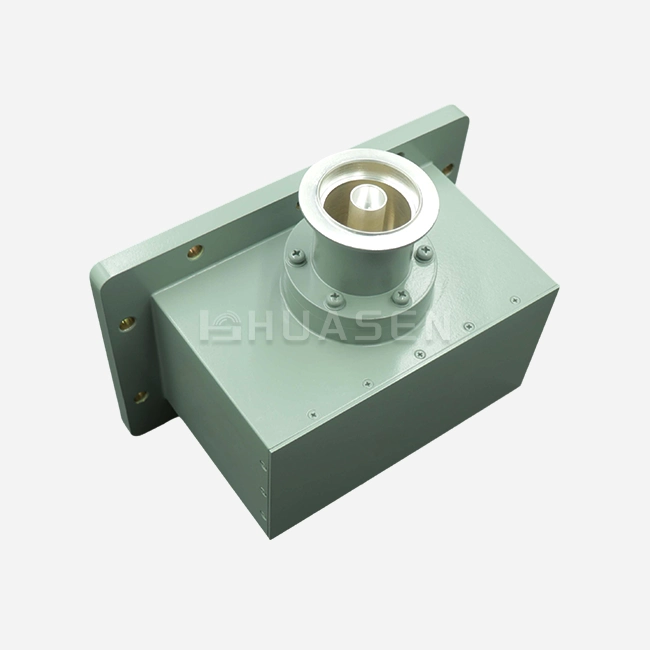
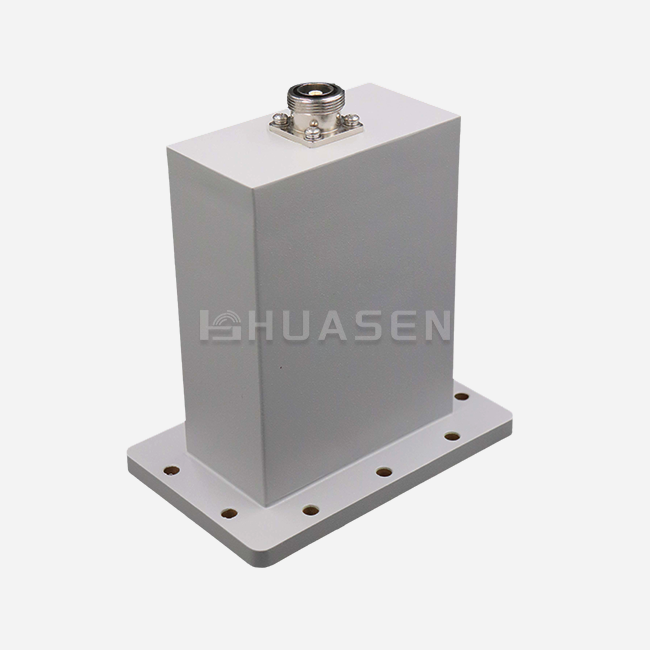
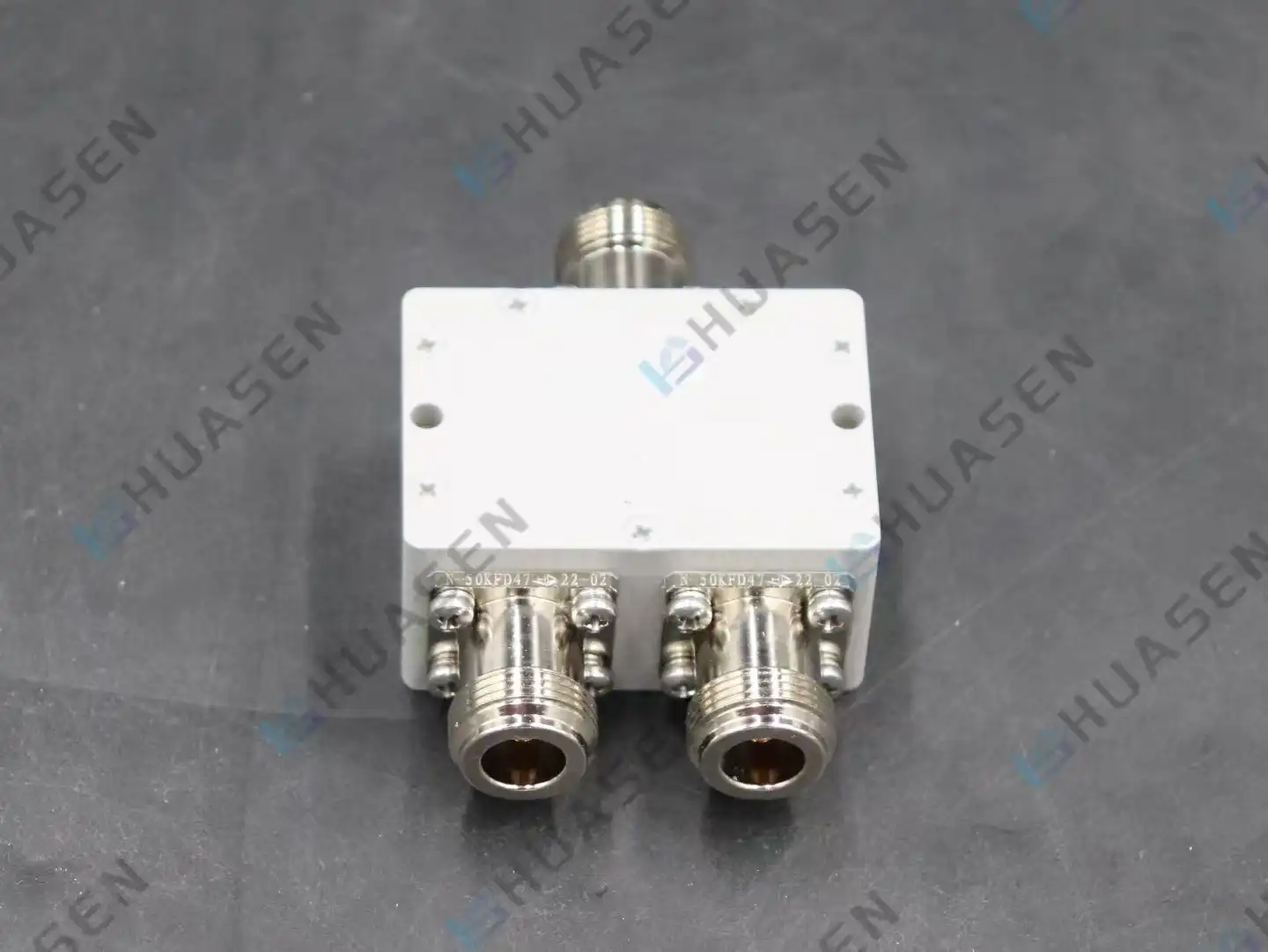
Wilkinson combiners suit moderate-power, broadband applications by employing quarter-wave transformers and isolation resistors to balance power division and isolate ports, though they exhibit moderate IMD due to resistor nonlinearity. Meanwhile, 90-degree and 180-degree hybrid combiners deliver excellent isolation and minimise even-order distortion through differential signal cancellation, making them ideal for phase-sensitive arrays. Cavity-based combiners, utilising high-Q resonant structures, provide outstanding selectivity and power handling for narrowband satellite uses but require precise mechanical tuning. Each topology involves unique trade-offs in bandwidth, insertion loss, port isolation, and power capacity. Coaxial solutions remain popular in ground stations due to effective thermal management and kilowatt-level continuous wave capability, although their IMD performance relies heavily on connector quality and material selection.
How to Choose the Right Low-IMD RF Combiner for Your Satellite Communication Needs?
Defining System-Specific Technical Requirements
The selection method begins with detailed operational parameter characterisation, including RF combiners. C-, X-, Ku-, and Ka-band compatibility need varied cavity diameters and dielectric materials depending on the frequency range. Narrowband resonant or broadband reactive designs depend on bandwidth. Digitally modulated carriers have crest factors of 10 dB or more; therefore, power-handling capacity must include average transmit power and peak envelope power. Satellite earth stations must use thermal compensation methods to preserve tuning stability due to temperature variations from -40°C to +60°C.
Core Performance Metrics for IMD Evaluation
Satellite combiners and RF combiners often reach +60 dBm for linearity during multi-carrier operation, making IP3 the main figure of merit. Every 0.1 dB of insertion loss increases transmit power or reduces margin, affecting the link budget. Port-to-port isolation inhibits signal leakage across channels, with levels over 30 dB eliminating amplifier load-pull interactions. Return loss below 20 dB (VSWR < 1.22:1) maximises power transmission and safeguards upstream power amplifiers against reflected energy, activating protective circuits or accelerating component ageing.
Evaluating Supplier Capabilities and Customisation Options
When evaluating manufacturer options, seek measured IMD data under real operating circumstances, not computed forecasts. The most accurate real-world performance assessment is two-tone testing at rated power. Before integration, spectrum analyser measurements or vector network analyser characterisation provide assurance. When regular catalogue goods don't fit your frequency plan or mechanical limits, customisation is useful. Reliable providers offer frequency retuning, connection customisation, and mounting bracket adjustments. High-quality test reports, S-parameter files, and thermal modelling data enable accurate system-level simulations before hardware purchase.
Best Practices and Tips for Optimising Low-IMD RF Combiners in Satellite Systems
Addressing Impedance Mismatch and VSWR Management
Standing waves from impedance discontinuities raise voltage and current peaks, forcing passive components into nonlinear areas. Reduce reflections by paying attention to connection transitions, cable lengths, and waveguide interface tolerances. A precise 7/16 DIN or EIA flange interface with suitable torque parameters assures reproducible contact resistance. Designing cavity filters with Invar rods or other compensatory methods maintains performance across environmental extremes since aluminium housings detune when heated.
Thermal Management Strategies for High-Power Operation
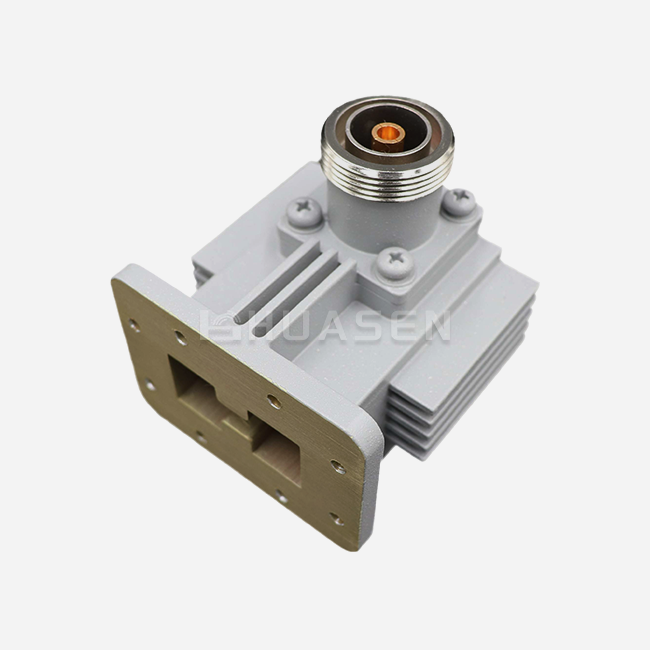
Despite low insertion loss requirements, 0.2 dB loss in an RF splitter generates heat at multi-kilowatt power levels. Heat damages dielectric materials, softens solder junctions, and causes thermal runaway in poorly built systems. Heat sinking from large aluminium fins or forced-air cooling keeps junction temperatures safe. Conductive thermal interface materials help heat transfer from inside components to exterior dissipation surfaces. Monitoring temperature rise during operation alerts to deteriorating connections or cavity pollution.
Continuous Performance Verification and Preventive Maintenance
Satellite earth stations benefit from periodic portable vector network analyser evaluation of insertion loss, return loss, and isolation conditions. Environmental contamination from dust, moisture, or corrosion agents can cause micro-arcing and broadband noise and intermodulation. Pressurisation with dry nitrogen prevents moisture penetration in humid areas, and frequent silver-plated surface examination identifies oxidation before it affects electrical performance. Calibration records and performance data trending over time reveal steady deterioration patterns that allow preemptive replacement before service outages.

Comparing Low-IMD RF Combiner Solutions in the Market
Performance Benchmarks Across Different Technologies
Modern low-IMD RF combiners and RF splitters achieve third-order IMD below -120 dBc in two-tone testing at practical power densities. For space-constrained mobile terminals, star-point topologies offer smaller footprints but less bandwidth and future expandability than manifold structures. Wider bandwidths and flexible expansion make constant-impedance manifold designs ideal for large earth station installations with additional channels over time. Coaxial components outperform microstrip ones in power applications above 500 watts because of their better thermal dissipation and voltage standoff.
Sourcing Considerations and Supply Chain Reliability
Long-standing satellite infrastructure manufacturers provide proven designs with considerable field deployment data, including for RF splitters. Their products are qualified by temperature cycling, vibration exposure, and accelerated life testing to ensure long-term durability. Technical support, including pre-sales system design and post-delivery commissioning, provides value beyond the component. Supplier stability is important when establishing redundant systems or planning multi-site deployments. Controlled production procedures and quality management certification ensure constant performance. Strategic collaborations with spare parts programmes and quick replacement services reduce mission-critical downtime.
Conclusion
Low-IMD RF combiners for satellite communication infrastructure must be evaluated for electrical performance, mechanical construction, and supplier capabilities. Optimised cavity geometry and precise manufacture provide the perfect combiner with remarkable linearity and environmental resistance. Lifecycle factors, including temperature management, maintenance accessibility, and upgrade flexibility, should be considered while buying components. Integration and commissioning risks are reduced by working with experienced manufacturers that provide detailed technical documentation and quick engineering assistance.
FAQ
1. Why is low IMD performance critical in satellite systems?
FDM satellite transponders handle several carriers concurrently. High IMD levels cause interference products to fall into neighbouring channels, worsening carrier-to-noise ratios and perhaps breaking emission limitations. Satellite bandwidth is shared; therefore, spectral purity is crucial for capacity use.
2. How can I verify IMD specifications before purchasing?
Request factory test data on the third-order intercept point (IP3) at your operational frequency and power level. A two-tone test setup with signal generators and a spectrum analyser allows independent verification. Each device sent by reputable manufacturers includes a complete test report with swept frequency measurements over the bandwidth.
3. What determines the power handling limit of an RF combiner?
Max power ratings depend on dielectric interface voltage breakdown, thermal dissipation, and conductor surface current carrying. Silver plating aids current handling and decreases resistive losses. Effective heat sinking prevents temperature increase from damaging dielectric materials or solder connections. Mechanical design eliminates high-voltage concentration sites and provides field uniformity.
Partner with Huasen Microwave for Superior RF Combiner Solutions
Huasen Microwave Technology has over 30 years of high-frequency passive component engineering experience in satellite communication. Precision-machined cavity structures and temperature-compensated tuning mechanisms keep our low-IMD RF combiners precise under severe conditions. Our bespoke solutions meet special frequency plans, power needs, and mechanical limits that ordinary catalogue items cannot. From system design advice to field commissioning, our technical team ensures optimal integration with your infrastructure. We meet MIL-STD and ISO quality requirements with extensive testing and documentation as an experienced RF combiner manufacturer. Talk to our technical experts at sales@huasenmicrowave.com about your satellite ground station needs and get customised specs.
References
1. Maloratsky, L.G. (2013). Passive RF & Microwave Integrated Circuits. Burlington: Elsevier Academic Press.
2. Mongia, R., Bahl, I., Bhartia, P. (1999). RF and Microwave Coupled-Line Circuits. Norwood: Artech House Publishers.
3. Pozar, D.M. (2011). Microwave Engineering, 4th Edition. Hoboken: John Wiley & Sons.
4. Maas, S.A. (2003). Nonlinear Microwave and RF Circuits, 2nd Edition. Norwood: Artech House Publishers.
5. ITU Radiocommunication Sector (2019). Handbook on Satellite Communications (Fixed-Satellite Service). Geneva: International Telecommunication Union.
6. Vizmuller, P. (1995). RF Design Guide: Systems, Circuits, and Equations. Norwood: Artech House Publishers.
Send Inquiry