Applications of Waveguide Window in Radar & Satellite Systems






2026-04-23 21:55:17
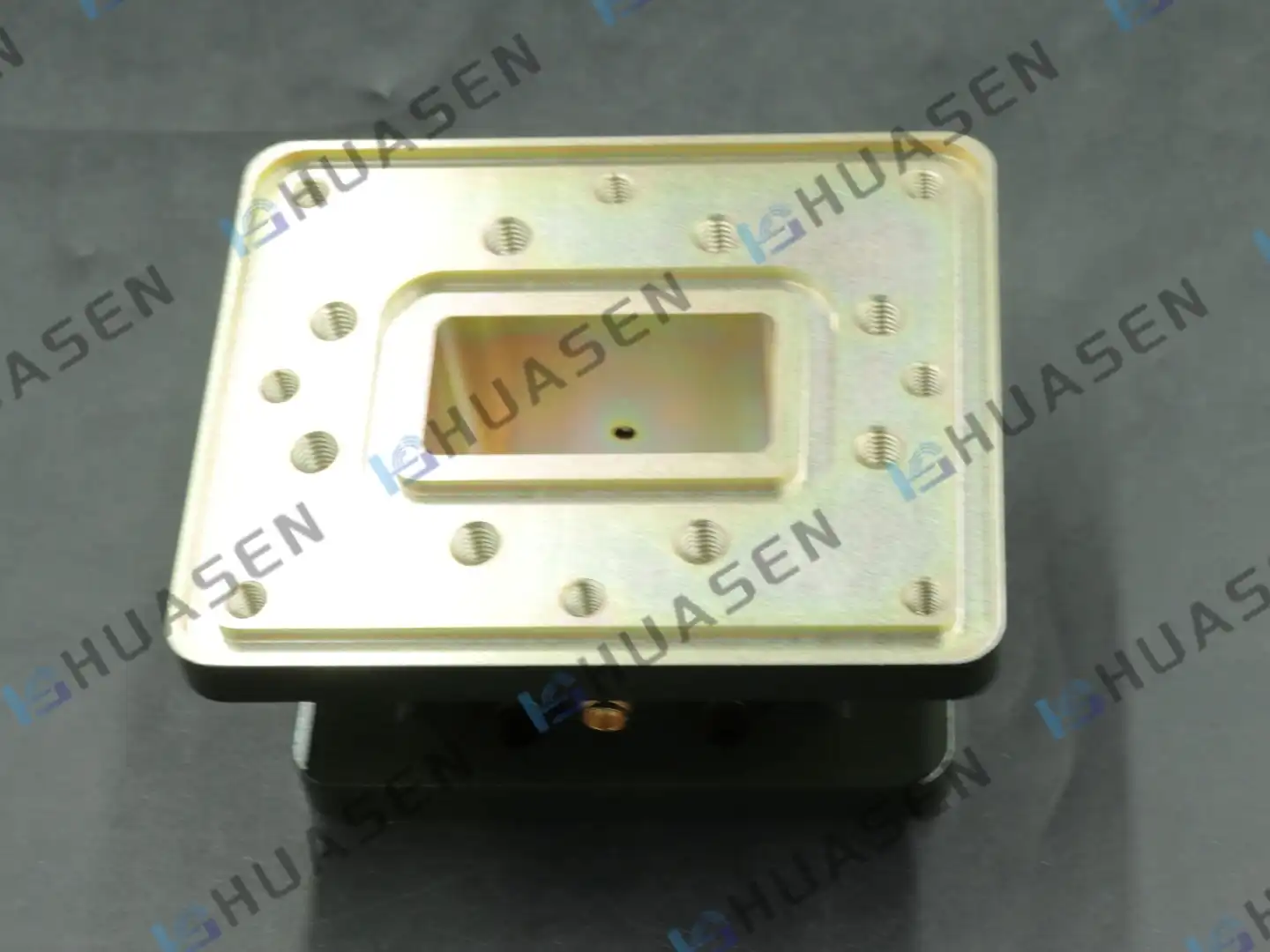
Waveguide Windows are hermetic sealing parts that let radio frequency (RF) and microwave energy travel through a transmission line while keeping different environmental areas separate. These parts keep the integrity of signals in radar and satellite systems and keep sensitive equipment safe from things like moisture, dust, pressure differences, and other things that could damage performance or cause catastrophic failure. Waveguide Windows solve important operational problems by blocking electromagnetic waves. They keep dielectric breakdown from happening in high-power transmitters, allow pressurization for altitude compensation, and ensure mission reliability in defense, aerospace, and telecommunications infrastructures.
Understanding Waveguide Windows in Radar & Satellite Systems
Waveguide windows are very important in modern RF systems because they do two things. In places with different pressures, humidity levels, or atmospheric compositions, they create a physical barrier that lets electromagnetic waves pass through with little loss. When connecting climate-controlled equipment racks inside to outdoor antenna assemblies or when using radar systems at high altitudes where the air pressure drops a lot, this ability becomes even more important.
The Role of Dielectric Materials in Signal Transmission
The insertion loss, return loss, and power handling capacity are all affected by the dielectric material that is used. It is possible to choose materials like alumina ceramics, fused quartz, sapphire, and special glasses based on their dielectric constant, loss tangent, thermal conductivity, and mechanical strength. Alumina ceramics are a great choice for commercial satellite communication earth stations because they are both cheap and good at conducting electricity. Sapphire windows are very hard and don't break easily when they get hot or cold. This makes them perfect for airborne radar systems that have to deal with sudden changes in temperature. Fused quartz has very little dielectric loss over a wide range of frequencies, which is very useful for precision RF testing and electronic warfare.
Design Considerations for High-Power Applications
RF energy levels that can be higher than a few kilowatts are made by high-power radar transmitters and satellite uplink amplifiers. At these power densities, even small dielectric losses cause the window material to produce a lot of heat. Engineers have to manage heat by choosing the right materials, making sure the thickness is just right, and building in cooling systems. The window's size is based on the waveguide band (WR-series standards), the frequency of operation, and the maximum power that needs to be handled. When mounting interfaces are made, they need to be able to withstand vibrations, temperature changes, and pressure differences that are common in aerospace environments. This can be done by brazing or epoxy bonding.
Environmental Protection and System Longevity
Moisture getting into microwave systems is still one of the main reasons they break down. At microwave frequencies, water molecules absorb a lot of dielectric, which makes insertion loss and potential arcing worse. Waveguide window seals keep moisture out of the transmission path, which protects costly parts like traveling wave tube amplifiers, magnetrons, and solid-state power modules. In maritime radar installations, salt fog speeds up the corrosion of metal waveguide sections and connector interfaces. When windows are installed correctly, they create a hermetic seal that keeps these corrosive atmospheres away from sensitive interior areas. This increases the average time between failures and lowers the total cost of ownership.
Core Applications of Waveguide Windows in Radar and Satellite Technology
Waveguide Windows are used in many mission-critical situations where performance and dependability can't be compromised. Getting to know these uses helps procurement teams figure out which certifications and specs are most important when judging suppliers and products.
Airborne and Ground-Based Radar Systems
Defense and aviation radar systems use X-band, Ku-band, and Ka-band frequencies. To keep the best dielectric strength at altitude, they need pressure windows. Waveguide windows keep the antenna feed assembly from being affected by the pressure inside the cabin of commercial aircraft weather radar systems, but they let signals send and received through. Military early warning radar systems use high-power windows that can handle peak pulses of a few megawatts. This is done to keep the voltage from dropping in unpressurized guides at high altitudes or low atmospheric density.
Specifications from the U.S. Department of Defense (MIL-STD-202 and MIL-DTL-3922) require strict qualification tests that include simulating being at high altitude, thermal shock, vibration, and salt spray exposure. When buying parts for defense radar modernization programs, procurement teams must make sure that suppliers keep these certifications up to date and provide full test data packages that show they are compliant.
Satellite Communication Earth Stations
In indoor high-power amplifiers that can handle several kilowatts of power and are linked to outdoor parabolic reflector antennas by ground station uplink transmitters, when waveguide window seal windows are put in at the transition point, they keep rain, snow, dust storms, and humidity from getting into climate-controlled equipment rooms. Most of the time, these installations work in C-band (4-8 GHz), Ku-band (12-18 GHz), or Ka-band (26-40 GHz). To get the most out of the link budget, insertion loss needs to be less than 0.1 dB.
Commercial satellite operators look for partnerships with vendors that can provide windows with VSWR performance below 1.15:1 across the entire operating bandwidth. They also need suppliers who can quickly get new units to them with short lead times so that they don't lose too much money during unplanned maintenance. Huasen Microwave Technology has helped with a number of SATCOM projects by providing custom pressure windows that meet strict electrical requirements and keep their hermetic integrity through special ceramic-to-metal bonding methods they have developed over 30 years of manufacturing experience.
Electronic Warfare and Countermeasure Systems
Military platforms with electronic countermeasure systems need waveguide windows that keep insertion loss low and can handle harsh environmental conditions. When jamming transmitters work at high duty cycles and power levels, they create large thermal loads that need to be removed without affecting the quality of the signal. Radar warning receivers need windows with special VSWR properties so that weak threat signals don't get blocked.
For these uses, windows often need to be specially made to fit certain waveguide sizes, frequency bands, and mechanical interfaces. When buying something, being able to work with a manufacturer that can do rapid prototyping, design iteration, and qualification testing is very important. Engineers at system integration companies like suppliers who offer more than just parts. They like suppliers who can help with design, electromagnetic simulation, and full calibration data.
Comparing Waveguide Windows: Selecting the Best for Radar & Satellite Systems
When buying waveguide windows, procurement professionals have a lot of choices, so it's important to compare things carefully to make sure the project goes well. When you have to choose between cost, performance, and reliability, knowing the key differences can help you make the right choice.
Material Trade-offs: Ceramics vs. Glass vs. Sapphire
Commercially, alumina ceramic windows are the most common choice because they offer good value for money and are easy to make. The dielectric constant (about 9.8) stays the same across a wide range of temperatures, and when brazed to metal flanges, they seal well against leaks. Glass windows have lower dielectric constants (4-6), which lowers reflections and boosts bandwidth. However, they are hard to use in high-power situations because they don't conduct heat as well and aren't as strong as ceramics.
Sapphire windows are very expensive, but they have the best thermal shock resistance and mechanical hardness. This is important for airborne pods that may be hit by debris or change altitude quickly. Diamond windows are the best way to improve performance for specialized scientific instruments and high-power applications, but because they are so expensive, they can only be used in situations where there is no other option.
Evaluating Electrical Performance Metrics
Insertion loss is a measurement of how much power the window absorbs or reflects. It is usually given in decibels. Insertion loss must usually be less than 0.05 dB for military and aerospace applications, but up to 0.2 dB may be okay for commercial communications applications, depending on link budget margins. Return loss shows how well the window matches the waveguide system's impedance. Values above 20 dB (VSWR < 1.22:1) are considered good, and values above 25 dB (VSWR < 1.12:1) show the best performance.
The dielectric loss tangent tells us how much RF energy is turned into heat inside the window material. Tangent delta values for low-loss ceramics are about 0.0001, while values for standard glasses are between 0.001 and 0.01. When the power level goes above one kilowatt, even small changes in the loss tangent can cause big temperature increases that can cause thermal runaway and catastrophic failure.
Customization Options for System Integration
Standard catalog waveguide windows work with common frequency ranges and waveguide sizes, but changes need to be made for more complicated systems, such as adding a waveguide pressure window. Custom flange configurations can be made to fit specific mounting needs, and special coatings can make them more resistant to moisture or less reflective. Adjusting the thickness can also improve electrical performance for certain frequencies. When suppliers offer engineering advice during specification development, it saves procurement teams a lot of money because they don't have to redesign the whole system when off-the-shelf parts don't work.
Huasen Microwave has in-house skills for characterizing materials, electromagnetic simulation, precision machining, and hermetic sealing, which lets them quickly meet customer needs. Our engineering team works with clients from the first idea to qualification testing, making sure that the parts they deliver meet both the electrical and mechanical requirements for integration.
Procurement Guide: Buying Waveguide Windows for B2B Clients
To find your way through the supply chain for specialized RF parts, you need to know more than just the technical specs. A good procurement process balances performance needs with the dependability of suppliers, cost structures, and their ability to provide long-term support.
Evaluating Supplier Credentials and Capabilities
Certification compliance is a basic way to make sure that the ways things are made meet industry standards. ISO 9001 certification shows that a quality management system is mature, and AS9100 certification shows that process controls are designed for aerospace. Suppliers who work with defense markets must keep up with their export controls and security clearances. In addition to certifications, you should look at the company's manufacturing skills, such as its ability to test materials in-house (dielectric constant measurement and thermal analysis), its precision machining tolerances (important for flange dimensions and hermeticity), and its quality control infrastructure (helium leak testing and network analyzer verification).
Lead time variability is a big project risk. Standard products can usually be delivered within 4 to 6 weeks by well-known manufacturers with vertical integration and material inventory. However, vendors with a lot of backlog may quote 16 to 20 weeks. For engineering, prototyping, and qualification testing, custom designs need more time. It usually takes 8–12 weeks for simple changes and up to 6 months for complex developments that need a lot of testing.
Understanding Cost Drivers and Pricing Structures
Prices for waveguide windows depend on the material they are made of. For example, sapphire units cost 3–5 times more than alumina ceramic units that are the same size and shape. Specialized coatings and non-standard flange configurations, as well as complex geometries that need a lot of machining, raise the cost. Certification and testing costs add a lot to the total cost. For example, military qualification programs can add thousands of dollars per part number because they require a lot of paperwork and witnesses.
There are several ways that purchasing in bulk can help you save a lot of money. Suppliers spread out the costs of setup and engineering over larger orders, buying materials in bulk saves money, and manufacturing gets more efficient as more are made. To understand how costs change over time and find the best order quantities that balance unit price against inventory carrying costs, buyers should ask for formal quotes at different quantity breaks (10, 50, and 100 pieces).
Building Strategic Vendor Relationships
Buying relationships based only on price can cause problems with the supply chain, inconsistent quality, and not enough technical support. Strategic partnerships with capable suppliers provide better long-term value through a number of different channels. Mismatched specifications and problems with integration can be avoided by working on the design together during the development stages. When capacity is limited, giving priority to certain projects ensures that they stay on schedule when demand for the industry goes up. When problems happen in the field, quick technical support speeds up troubleshooting, reducing downtime and speeding up root cause analysis.
Since 1993, Huasen Microwave Technology has worked together with top system integrators, defense contractors, and phone companies to form partnerships, including in areas such as the waveguide pressure window. Our dedication to quick communication, exact specification, and on-time delivery has built trusting relationships that allow us to work together to solve problems and keep getting better. Customers like that we're willing to keep extra supplies on hand for important programs and that we let them know ahead of time when there might be problems in the supply chain.

Conclusion
Waveguide windows are an important piece of technology for radar and satellite systems because they keep signals safe while keeping the environment completely separate. To do a good job of procurement, you need to balance a lot of things: choosing materials that meet electrical and thermal needs, evaluating suppliers based on their certifications and manufacturing skills, understanding cost structures across both volume and customization levels, and building strategic relationships that allow people to work together to solve problems. As systems get better at handling higher frequencies, more power, and harsher environmental conditions, working together with strong manufacturers becomes more valuable. Companies that put an emphasis on a supplier's technical depth, quick response times, and track record of reliability will have a long-term competitive edge in mission-critical applications.
FAQ
1. What frequency ranges do waveguide windows typically support in radar applications?
From L-band (1–2 GHz) to W-band (75–110 GHz) and beyond, waveguide windows are made for the whole microwave spectrum. X-band (8–12 GHz) is used for fire control and weather detection; Ku/Ka-band (12–40 GHz) is used for precise tracking and imaging; and S-band (2–4 GHz) is used for long-range surveillance. Material choice and thickness optimization change depending on the frequency. Lower frequencies can handle windows that are thicker and more durable, but millimeter-wave applications need precisely controlled thin windows to keep insertion loss to a minimum.
2. How can buyers verify low insertion loss specifications?
Suppliers with a good reputation offer S-parameter readings that come from calibrated vector network analyzers over the given frequency range. Instead of relying only on datasheet specifications, ask for test data for the real production lot. When testing for insertion loss, it's important to do it at operating temperatures and, if necessary, under pressurized conditions that are similar to the environment where the test will be used. When budgets for qualification testing allow it, independent verification through third-party test labs adds to the confidence.
3. What customization options accommodate unique system requirements?
Custom mounting brackets can be made, flange types and sizes can be changed, window thickness can be changed to get the best frequency response, and manufacturers can apply special coatings to protect the environment. For more detailed customization, you can make windows for waveguides that aren't standard sizes, dual-section designs that can handle big differences in pressure, and temperature sensors or cooling features. For customization to work, procurement teams, system designers, and component manufacturers need to work together early on to make sure it's possible and avoid specification conflicts.
Partner with Huasen Microwave for Your Waveguide Window Requirements
It is important that the parts you use in your radar and satellite systems work perfectly, even in crazy situations. Every Waveguide Window that Huasen Microwave makes is the result of 30 years of specialized engineering and manufacturing know-how. Our quality control procedures make sure that every unit meets certain electrical requirements and keeps its seal by testing it thoroughly with helium leak detection and full-band network analysis. Our team offers quick technical support during the design, prototyping, and production stages, whether you need catalog products that can be sent out quickly or solutions that are specifically designed for your needs. As a well-known company that makes Waveguide Windows for defense contractors, aerospace integrators, and telecommunications operators, we know how hard it is to buy things. That's why we promise open communication, on-time deliveries, and lots of paperwork. Email our applications engineering team at sales@huasenmicrowave.com to talk about your specific needs and find out how our services can help with your project.
References
1. Pozar, David M. (2011). Microwave Engineering, 4th Edition. John Wiley & Sons, Hoboken, New Jersey.
2. Saad, Theodore S. (1971). Microwave Engineers' Handbook, Volume 1. Artech House, Dedham, Massachusetts.
3. Harvey, A.F. (1963). Microwave Engineering. Academic Press, London.
4. Collin, Robert E. (1992). Foundations for Microwave Engineering, 2nd Edition. IEEE Press, New York.
5. Matthaei, George L., Young, Leo, and Jones, E.M.T. (1980). Microwave Filters, Impedance-Matching Networks, and Coupling Structures. Artech House, Norwood, Massachusetts.
6. Rizzi, Peter A. (1988). Microwave Engineering: Passive Circuits. Prentice Hall, Englewood Cliffs, New Jersey.
Send Inquiry