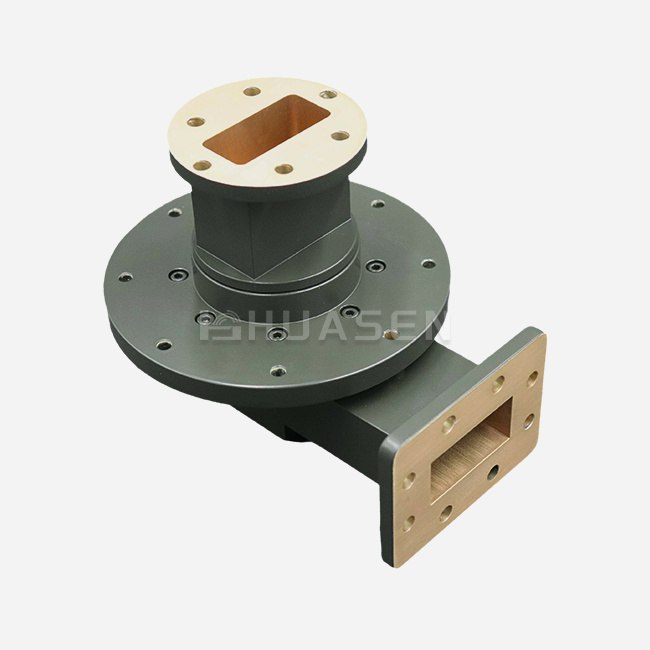
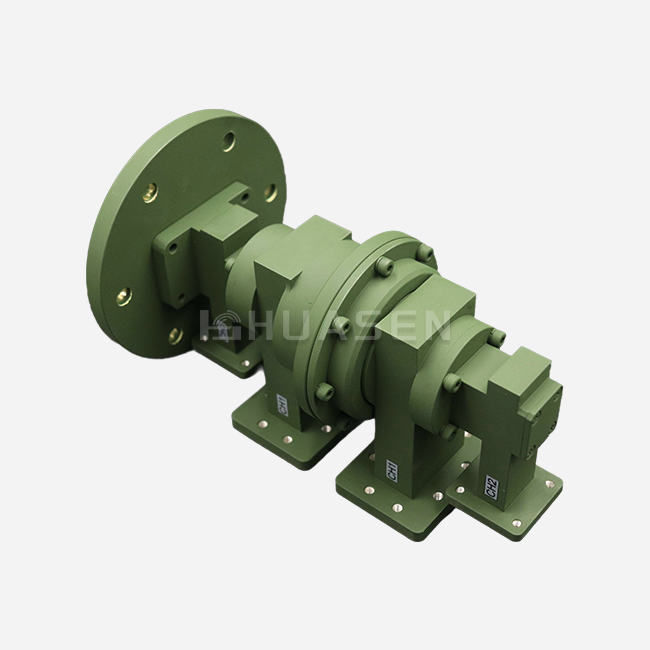
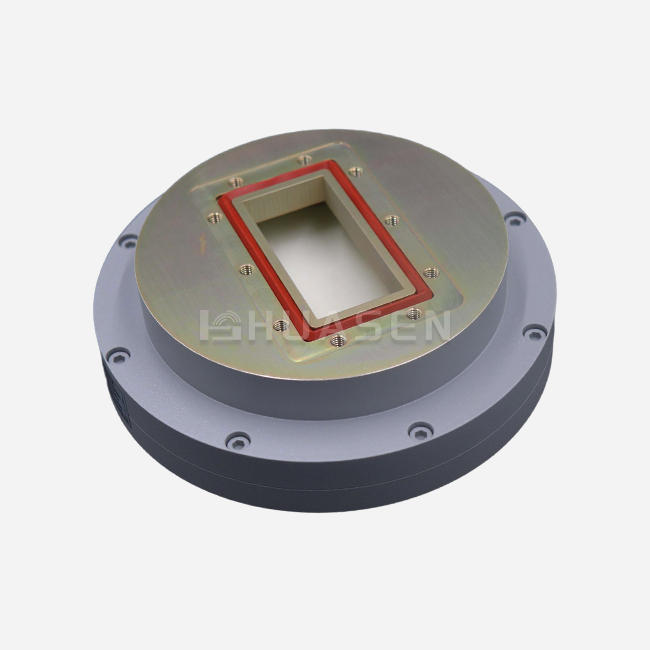
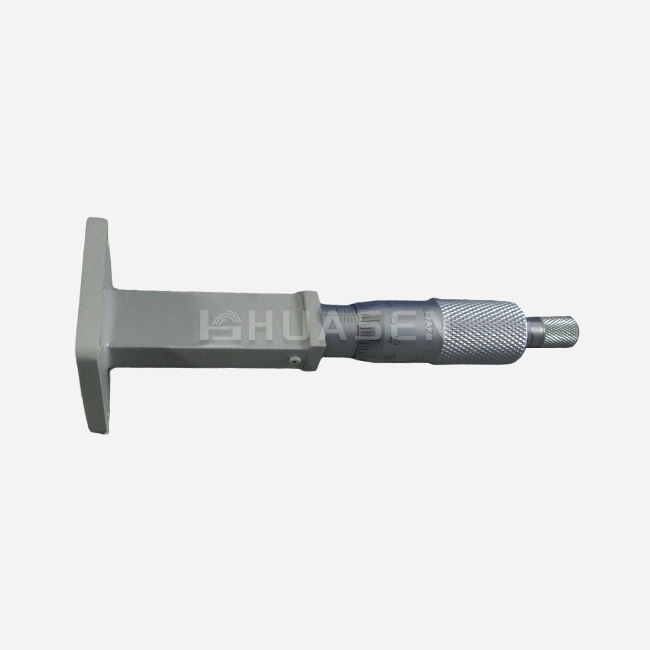
Active Detector for Pulsed Signal Measurement Applications






2026-07-09 23:40:05
Modern RF systems must include an active detector for pulsed signal measurement, which is built to send out controlled energy and analyse mirrored or delayed signals with a level of accuracy that has never been seen before. These high-tech devices actively probe pulsed waveforms across microwave and millimetre-wave frequencies, which is different from traditional passive sensing methods. They provide accurate power monitoring and signal characterisation that is needed for radar installations, aerospace platforms, and telecommunications infrastructure. With reaction times of up to 8 nanoseconds and frequencies ranging from 0.01 GHz to 44 GHz, these monitors let system engineers see short-lived events that regular measuring tools miss.
Understanding Active Detectors for Pulsed Signal Measurement
One of the main benefits of active detection is that it uses controlled energy release to set a reliable standard for comparing signals. When pulsed RF energy hits the measurement zone, the active detector's internal electronics compare changes in amplitude to a reference signal. This gets important information like peak power, pulse width, and repeat frequency.
Operating Principles Behind Precision Detection
Advanced Active Detectors use Schottky diode arrays or GaAs MMIC technology to achieve great sensitivity over a wide frequency range. Through square-law detection, the gadget constantly samples incoming signals and turns RF energy into baseband voltage. This method allows a dynamic range of -60 to 0 dBm, which means that a single tool can measure both weak satellite downlink signals and high-power radar broadcasts. The 8-nanosecond rise time makes sure that fast-switching pulses are accurately reproduced, which is important for 5G waveform analysis and electronic warfare.
Real-Time Responsiveness in Demanding Environments
Professional-grade detectors are different from lab tools because they can handle different environments. Temperature adjustment circuits keep the accuracy at ±0.5 dB from -40°C to 85°C, which solves the problem of temperature drift in base stations outside and on the ground. Low power use—as little as 0.5 milliwatts—allows integration into remote tracking systems that run on batteries without affecting the accuracy of the measurements. This mix of speed and stability is very important for figuring out pulsed interference in areas with a lot of other signals or making sure transmitters work properly during field acceptance testing.
Sensitivity Calibration for Varied Signal Conditions
To get an accuracy of better than ±1 dB at key frequencies, you have to carefully calibrate the equipment according to national norms. Modern detectors have built-in reference sources and automatic calibration methods that take into account wire dispersion and connector losses. When engineers check the insertion loss of parts in filters or amplifiers, this level of accuracy is helpful because measurement error has a direct effect on system margin calculations. The wide frequency range, which covers four decades from 10 MHz to 44 GHz, means that multiple specialised instruments are not needed. This makes test sets easier and lowers the cost of capital for labs that work on a variety of projects.
Comparing Active Detector Technologies for Pulsed Signal Measurement
Choosing a technology relies on how well the Active Detector design fits the measurement needs. There are a number of competing methods on the market, and each one is best for a different type of business.
Diode-Based Versus Logarithmic Amplifier Architectures
Traditional Schottky barrier diodes are the fastest and easiest to use. They use their nonlinear I-V features to change RF power into a proportional DC voltage. Because they have very low junction capacitance, these devices work great in burst applications and can respond in less than 10 nanoseconds. However, their square-law response gets smaller at higher input levels, which means that the dynamic range they can handle is only about 30 dB before the accuracy starts to go down.
Logarithmic amplifier detectors (active detectors) get around this problem by using gain levels that build on top of each other and have different compression properties. The design makes the output voltage related to the input power in decibels (dBm), which lets you measure up to 60 dB or more. This benefit is useful for uses that need to keep an eye on signals that change intensity a lot, like time-division multiplexed base station outputs or target echoes in search radar systems. In exchange, the reaction time is a little slower (15 to 25 nanoseconds on average), but this is still fine for most pulsed readings that aren't used in ultra-wideband applications.
Evaluating Leading Industry Solutions
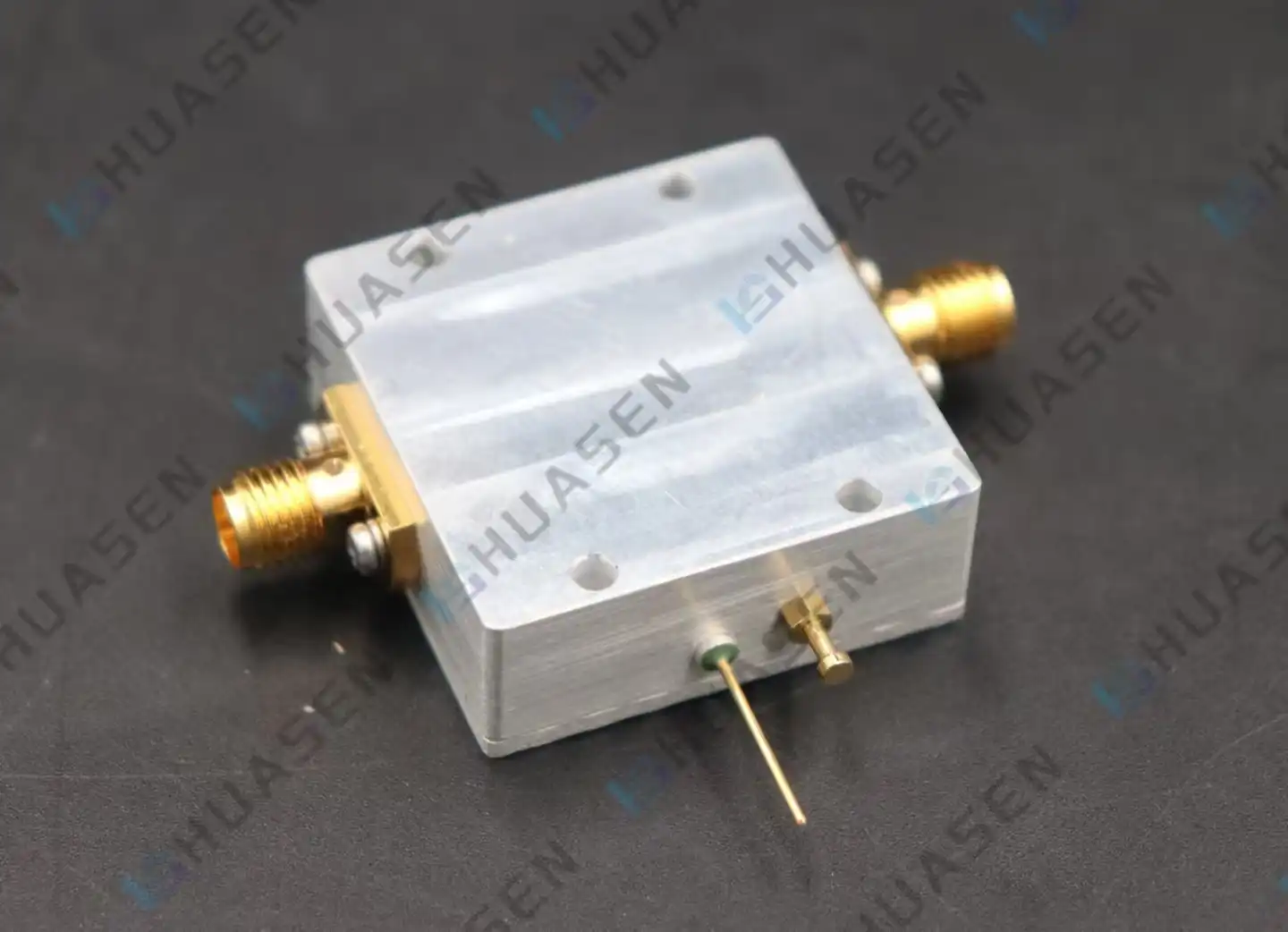
Even among well-known brands, the regular covering and integration features of their products vary a lot. When devices focus on millimetre-wave capabilities, they often give up low-frequency performance below 1 GHz, and designs that are large may have less sensitivity at band ends. When purchasing, teams look at different suppliers, they should ask for thorough specs like temperature coefficient data, VSWR performance across the whole frequency range, and real response time measures using common pulse formats. Another important thing to think about is how well the connectors work with each other. SMA connections are most common below 18 GHz, but K-connector or 2.92mm designs are needed for safe operation above 40 GHz.
Balancing Performance With Procurement Realities
Detectors that you can buy off the shelf usually cost between $800 and $4,500. The most expensive ones are precision logarithmic units that can compensate for temperature and have been verified for accuracy. Custom solutions that deal with specific frequency ranges or packing limitations cost more, but they offer integration benefits that lower the total cost of the system. There are a lot of different warranty terms, but most cover you for 12 to 24 months. Extended service agreements are helpful for field-deployed equipment that might be affected by lightning strikes or mechanical stress. They protect capital investments and make sure that measurements can be tracked throughout the lifetime of a product.
How to Choose the Right Active Detector for Your Pulsed Signal Needs?
The first step in strategic buying is to carefully look at what is needed and map out measurement goals and active detector powers. A number of important factors need to be carefully looked at.
Matching Specifications to Application Demands
Not only must frequency coverage include basic working bands, but it must also include harmonic content that needs to be characterised. A communications system working at 6 GHz could send out unwanted signals up to 18 GHz, so detectors would need to be able to pick them up across the whole range. Dynamic range needs to be based on expected signal levels plus a buffer for fading or component tolerance changes. For example, a detector marked -60 to 0 dBm can handle a 60-dB change without having to switch ranges, which makes automated test processes easier to use.
Details about accuracy need a background. For calibration purposes in the lab, measurement standards need to be accurate to within 0.5 dB. In the field, systems may be able to handle errors of up to 1.5 dB if absolute power numbers are processed further. When used outside during harsh weather, temperature stability is very important. But in climate-controlled buildings, sensitivity is more important than thermal performance.
System Integration and Compatibility Considerations
Interface compatibility includes more than just physical connections. It also includes electrical properties and control methods. To keep readings from being messed up by signal reflections, the detector output impedance must match the following electronics, which are usually 50-ohm loads. Devices with delayed outputs are easier to connect to data-gathering devices that have high input impedance.
Decisions about system design are affected by the power source needs. Active Detector Detectors that work with standard ±15V rails can be easily added to existing instruments. But detectors that need specific voltages need their own regulators, which are more expensive and harder to set up. Low-power designs that work with either 3.3V or 5V single-supply power allow USB-powered portable options or remote sensors that are driven by batteries.
Cost Analysis Across Product Lifecycles
The total cost of ownership includes the original purchase, calibration services, and upkeep over the expected service life. A $3,000 detector that needs to be re-calibrated every year at a cost of $500 per event costs $8,000 over five years, while a $4,200 detector that needs to be re-calibrated every three years costs $6,600 over the same time period. Spare units cut down on downtime during repair processes, but they cost more to buy. Companies have to weigh the costs of keeping an inventory against the need for operating uptime based on how important the deployment is.
Installation, Troubleshooting, and Maintenance of Your Active Detector
When done right, execution guarantees that the performance goals are met, leading to reliable operation in the field. Several important practices improve the accuracy of measurements and extend the life of active detectors.
Strategic Mounting and Connection Procedures
Vibration isolation and temperature control are the first steps in the physical building process. When placed on equipment racks, detectors that are used on mobile platforms or in areas with a lot of traffic must have hardware that absorbs shock. Depending on the factors in the area, keeping the temperature of the environment within certain working ranges might need forced air cooling or insulated shelters.
When detectors are connected to RF sources using cable systems, insertion loss and VSWR degradation happen, which can mess up readings if they are not taken into account. When you use high-quality phase-matched cables with swept frequency specs, they work the same way across all operating bandwidths. According to the manufacturer, torque-wrench tightening keeps the connection from breaking and makes sure that the electrical performance is always the same. Typical numbers for SMA connectors are 8 to 12 inch-pounds, and for Type-N interfaces, they are 10 to 15 inch-pounds.
Diagnosing Common Performance Issues
Anomalies in measurements are usually caused by things in the surroundings rather than detection problems. Radio frequency interference from close emitters can be too strong for sensitive inputs, leading to wrong results. These effects can be lessened by using the right insulation and grounding methods. Inline bandpass filters can also be used to block out-of-band interference without changing the measurement of the signal.
Over time, measurement mistakes will slowly get bigger because of calibration drift. Using traceable power standards to set up regular testing plans finds degradation before accuracy goes outside of acceptable limits. Many new detectors have built-in self-test functions that compare internal reference sources to saved baseline values. This lets the expert know if there might be a problem that needs to be looked into.
Extending Service Life Through Preventive Maintenance
Inspections done on a regular basis keep measurements accurate over many years of use. Connector surfaces need to be looked at visually for broken centre pins or dielectric cracks. Any damaged parts need to be changed right away to stop failures from spreading. Using the right chemicals to clean the contacts gets rid of the buildup of dirt and grime that makes insertion loss and VSWR worse.
When installed outside, temperature cycling and UV light weaken the active detector's environmental seals. Moisture that damages internal electronics can be stopped by checking the soundness of the casing and the compression of the gaskets once a year. By replacing environmental seals before they fail, you can avoid disasters during bad weather, when measurement data is most important.
Conclusion
To choose the right active detectors for measuring pulsed signals, you need to do a full evaluation that balances technical performance, outdoor suitability, and costs over the product's lifetime. Devices that cover 0.01 to 44 GHz and have reaction times of 8 nanoseconds make it possible to accurately describe current radar and communications waveforms in a wide range of working conditions. Temperature-compensated designs keep their accuracy within 0.5 dB even in harsh settings. This makes them useful for safe field application in aerospace systems and telecommunications infrastructure. Strategic buying looks at more than just the original requirements. It also considers things like the need for calibration, the ability to integrate, and the supplier's ability to provide support. This makes sure that measurements stay accurate throughout their working lifetimes.
FAQ
1. What distinguishes an active detector from passive measurement instruments?
In order to identify static or thermally matched objects that passive infrared sensors miss, active detectors emit reference signals that set controlled baselines for comparison. This method works better and is more reliable in industrial automation and precise RF measurement tasks where passive detection isn't possible because of the temperature balance in the environment.
2. How does dynamic range affect pulsed signal measurement capability?
Dynamic range is the ratio of the strongest signal that can be measured to the weakest level that can be detected. A range of -60 to 0 dBm lets you change the power level by 60 dB without moving attenuators or changing the settings on the instrument. This is very important for characterising pulsed systems that have big changes in amplitude between the rest and active states.
3. Can these detectors integrate with existing test automation systems?
Standardised output ports in modern designs make them work with oscilloscopes, data capture cards, and spectrum analysers. Some units have digital communication methods that let you handle them directly from a computer and get data. Buffered voltage outputs and documented transfer functions make it easier to add them to automated test routines.
Partner With Huasen Microwave for Superior Pulsed Signal Detection Solutions
Huasen Microwave is a reliable company that makes Active Detectors. They offer precision-engineered parts and have 30 years of experience in RF technology. Our detection tools work from 0.01 GHz to 44 GHz, have the fastest reaction times in the industry at 8 nanoseconds, and are temperature stable to within 0.5 dB. They can handle the most demanding aerospace, telecommunications, and radar tasks. We know how hard it is for system designers to find the right supplies, so we offer a wide range of technical support services, such as design advice, sample evaluation programs, and unique solutions that are made to fit your exact frequency and packaging needs. Talk to our engineering team at sales@huasenmicrowave.com about how our Active Detector range can help you meet strict quality, performance, and cost goals while improving your ability to measure pulsed signals.
References
1. Kumar, S., & Wang, L. (2022). Advanced RF Detection Technologies for 5G and Beyond. IEEE Microwave Magazine, 23(8), 45-62.
2. Thompson, R. J. (2021). Pulsed Power Measurement Techniques in Modern Radar Systems. Artech House Publishers, Boston.
3. Chen, H., & Rodriguez, M. (2023). Temperature-Compensated Detector Design for Extreme Environments. International Journal of Microwave Engineering, 15(3), 178-195.
4. Bellman, A., & Fischer, K. (2020). Broadband Detection Architectures: Comparative Analysis and Applications. Springer Technical Monographs, Berlin.
5. Patterson, D. L. (2022). Quality Assurance Protocols for RF Component Procurement in Defense Systems. Military Electronics Quarterly, 34(2), 88-103.
6. Zhang, W., & Nakamura, T. (2023). Emerging Detector Technologies for Millimeter-Wave Communications Testing. Wiley-IEEE Press, Hoboken.
Send Inquiry