What is a Waveguide Adapter? A Beginner's Guide






2026-02-11 21:46:17
Waveguide adapters are important microwave parts that let you connect waveguides of different sizes, connector types, or transmission line styles without any problems. These precision-engineered devices make it easier to send signals while keeping the best impedance matching and the least amount of insertion loss possible. Engineers use waveguide adapters to make sure that complicated RF systems are compatible with each other, which lets waves travel efficiently across a range of frequency bands. Professionals who work in telephones, radar, and aerospace systems need to understand these basic parts because signal integrity is what determines how well the whole system works.
Understanding Waveguide Technology Fundamentals
Waveguide technology is what makes high-frequency transmission systems work. It is very effective for these hollow metal structures to guide electromagnetic waves, especially in millimetre wave uses, where coaxial cables have a lot of problems. Waveguides' working properties depend on whether their cross-section is regular or circular. Each waveguide size is matched to a certain frequency range, which sets natural limits on the bandwidth that engineers have to work around. Waves move through these structures by following exact mathematical rules. This makes sure that signals behave in the same way in all situations. Modern waveguide systems can work with a wide range of frequencies, from X-band radar sites to the most advanced 5G networks. When switching between different waveguide standards, you need special interface solutions that keep the data quality high while also working with mechanical limitations.
Types and Applications of Waveguide Interface Solutions
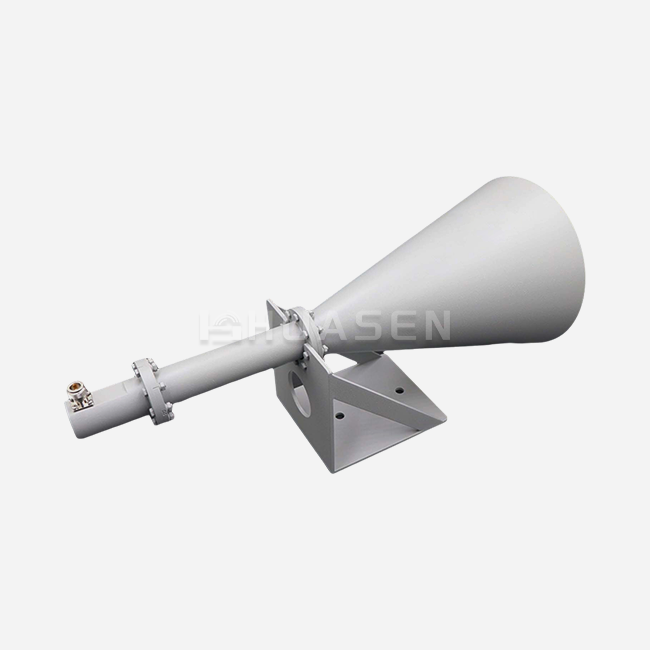
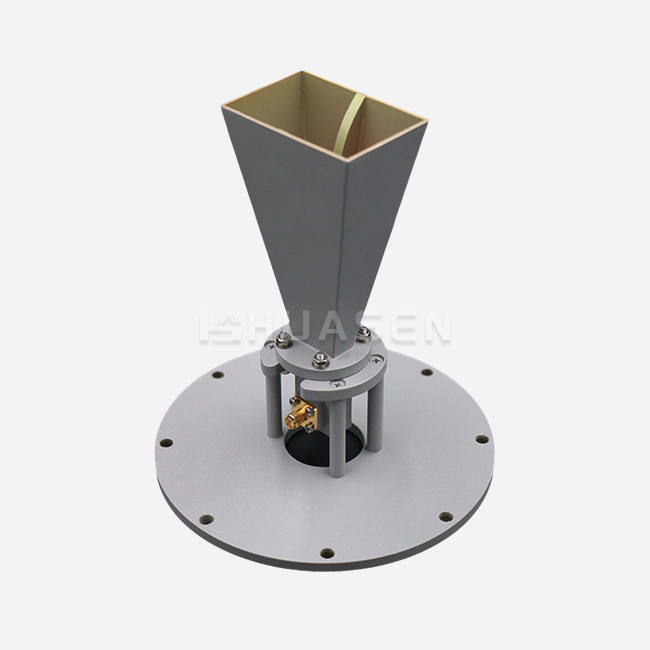
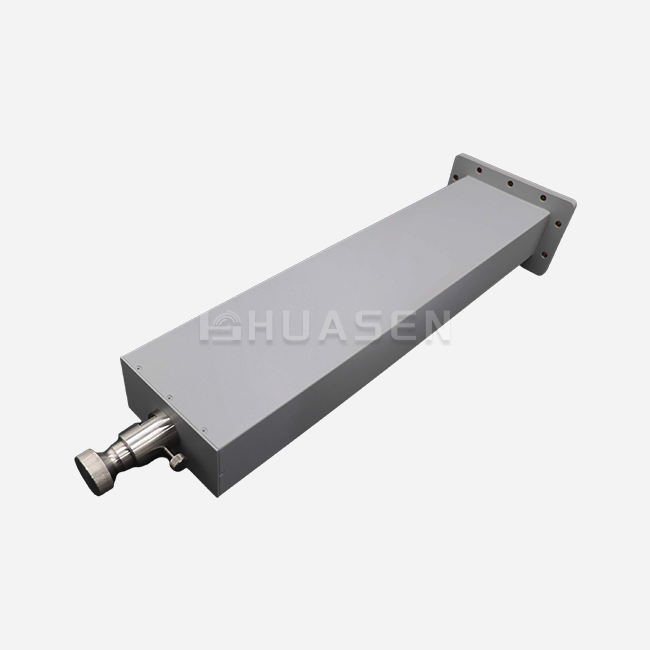
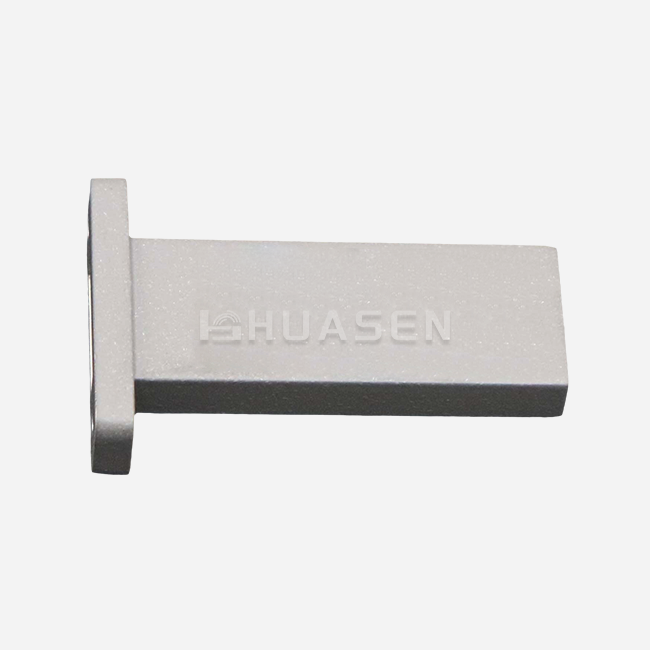
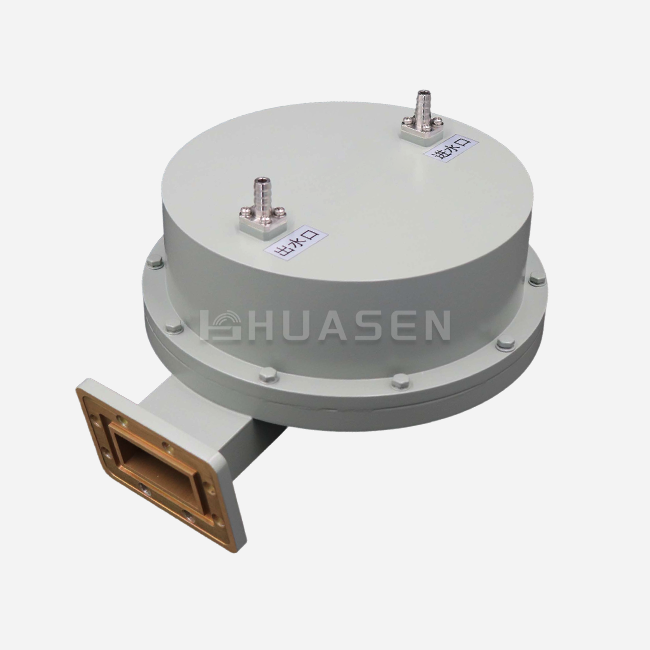
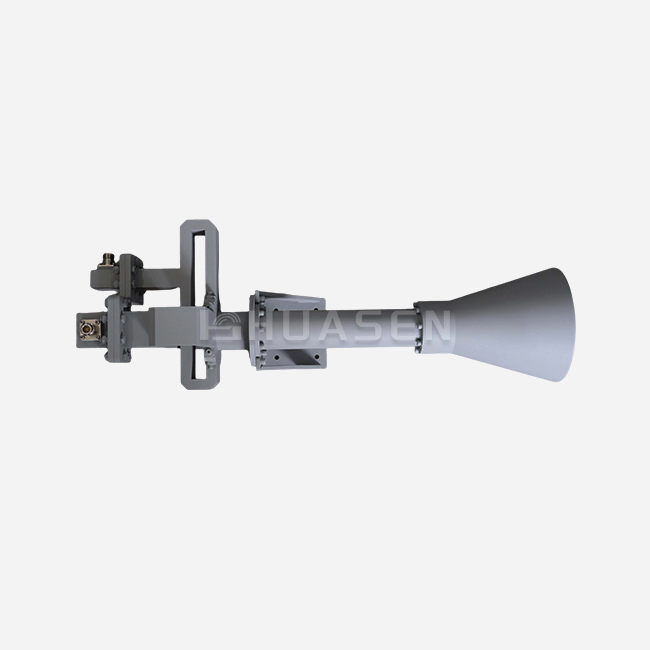
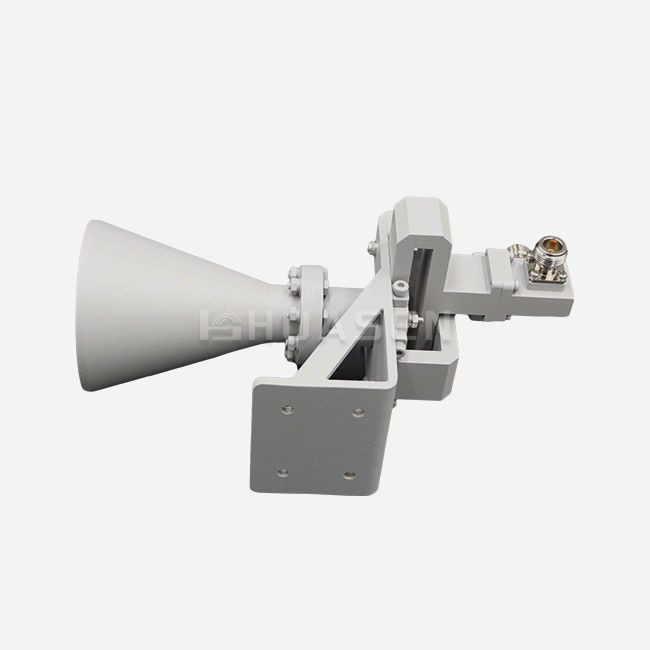
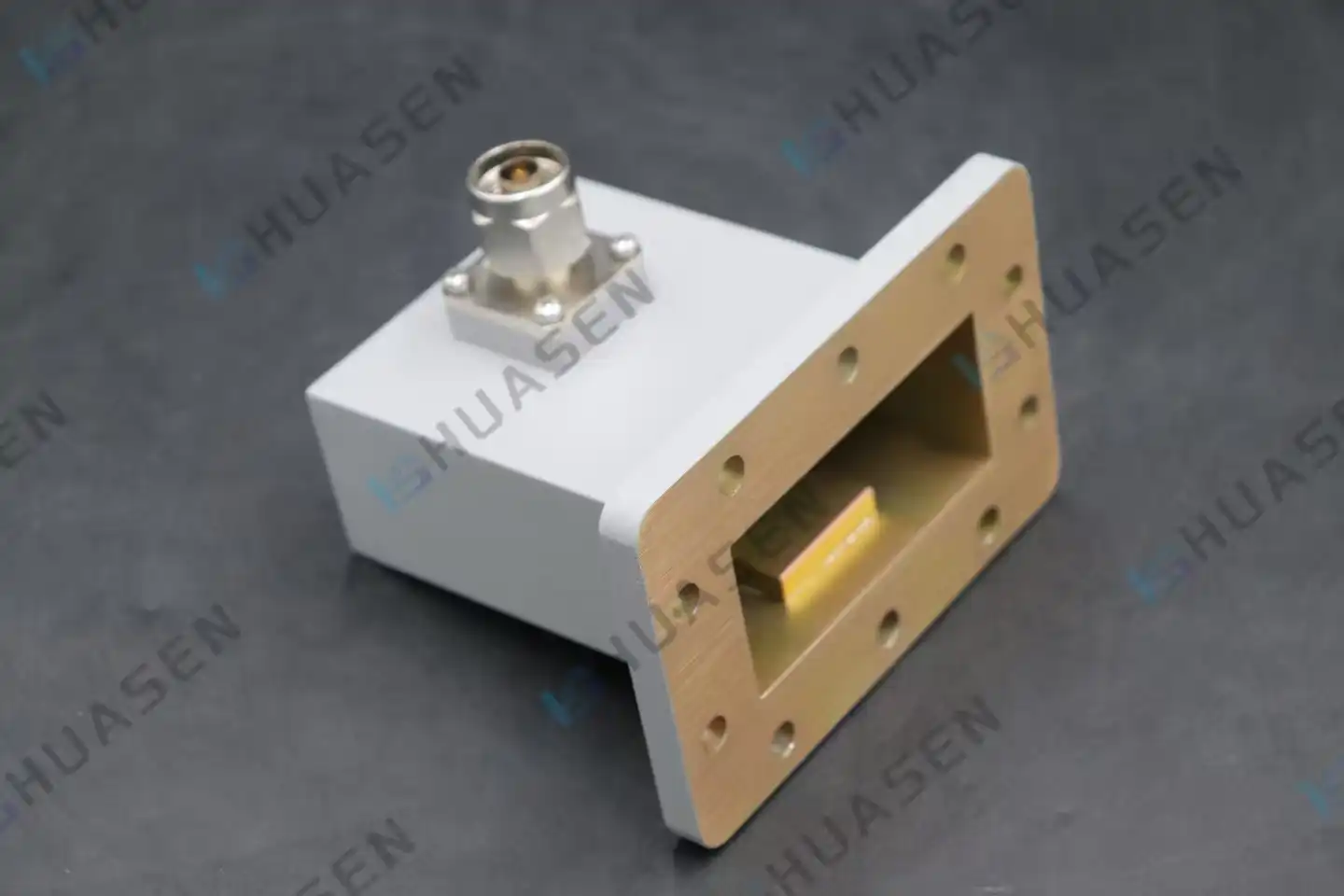
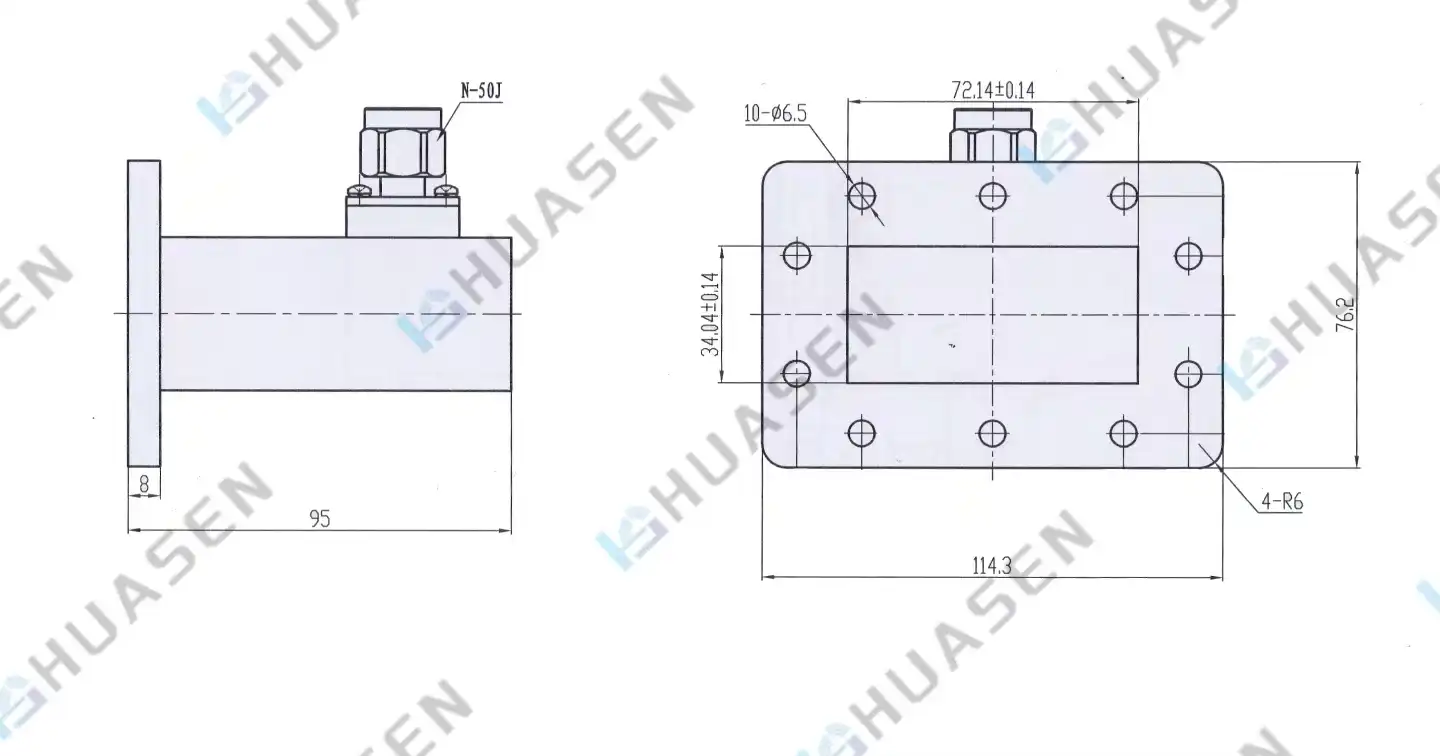
Waveguide-to-coaxial transitions are probably the most popular type of adapter. These devices connect waveguide systems to normal coaxial infrastructure, which lets test equipment, amplifiers, Waveguide adaptersand measurement tools work together. Flange-to-flange adapters solve the problem of different waveguide standards not being able to work with each other's sizes. This group includes transitions from WR-90 to WR-75, which allows system builders to get the best performance for different frequency needs while keeping the mechanical integrity. Rotary joint adapters let things move inside waveguide systems. This is useful in situations where antenna rotation or mechanical freedom is needed. These specialised parts are often used in satellite communication systems and radar sites to keep the signals going while they're working. Polarisation adapters change the direction of a signal, switching between modes with linear and circular polarisation. These parts are very useful in antenna systems where polarisation diversity improves the efficiency of communication or lowers the chance of interference.
Key Performance Parameters in Adapter Selection
One important performance measure for any waveguide interface solution is insertion loss. Engineers usually set the highest loss values that are acceptable based on the budget for the system link and the total performance needs. The insertion loss for premium adapters is less than 0.1 dB across their entire working bandwidth. The quality of impedance matching can be seen in the return loss features. Better adapters keep return loss values above 20 dB, which makes sure that signals don't get reflected too much and slow down the system. When you measure VSWR, you can see these impedance matching qualities in a different way. The operating range is based on the frequency bandwidth. Broadband adapters support multiple transmission standards on a single piece of hardware, which makes inventory simpler and lowers the cost of the system. In some situations, narrowband designs work best because they are more focused on speed than on flexibility. In high-power situations, the ability to handle power becomes very important. Radar transmitters and base station equipment need adapters that can handle peak power levels of more than a few kilowatts without affecting performance or breaking parts.
Material Science and Manufacturing Excellence
Precision machining techniques decide how well an adapter works. Dimensional tolerances of micrometres are possible with computer-controlled manufacturing methods. This makes sure that the electrical properties stay the same across all production volumes. The choice of material affects both how well it works electrically and how long it lasts in the surroundings. Brass with a high conductivity is great for electrical uses, Waveguide adapters,while aluminium alloys are lighter and better for use in aircraft. Stainless steel types are better at resisting corrosion for marine systems. Surface cleaning methods make things more reliable over time. Silver plating lowers the resistance to touch and protects against oxidation. Gold plating gives the best performance in serious situations where signal purity can't be compromised. Procedures for quality control check success across a number of different factors. The measurements from a network analyser prove the electrical specifications, and the mechanical inspection makes sure that the standards for fit and finish are met.
Environmental Considerations and Durability Requirements
Outdoor installations face harsh environmental conditions requiring specialised adapter designs. Temperature cycling, humidity exposure, and salt spray environments demand robust construction techniques and protective coatings.
- Vibration resistance becomes crucial in mobile applications. Communications systems on aircraft, ships, and vehicles experience mechanical stress that standard laboratory components cannot withstand. Military-grade adapters incorporate specialised mounting techniques and reinforcement structures.
- Thermal management considerations affect high-power applications. Heat dissipation characteristics influence both immediate performance and long-term reliability. Proper thermal design prevents performance drift and extends operational lifetime.
- Corrosion resistance protects investment value while maintaining electrical performance. Coastal installations and maritime applications benefit from specialised alloys and protective treatments that resist saltwater exposure.
System Integration and Design Considerations
- Mechanical compatibility extends beyond simple dimensional matching. Flange types, mounting hardware,Waveguide adapters and orientation requirements must align with existing system architecture. Proper installation techniques ensure optimal electrical contact while preventing mechanical stress.
- Signal path optimization minimizes unnecessary transitions and discontinuities. Each interface introduces potential reflection points that can degrade overall system performance. Strategic adapter placement reduces these effects while maintaining design flexibility.
- Testing and validation procedures verify system-level performance. Time-domain reflectometry identifies impedance discontinuities, while network analysis confirms frequency response characteristics. These measurements guide optimisation efforts and validate design choices.
- Maintenance accessibility influences long-term operational costs. Adapter placement should consider future service requirements while maintaining optimal electrical performance. Modular designs facilitate component replacement without extensive system disassembly.
-
Industry Applications and Market Demands
Telecommunications infrastructure drives significant adapter demand across multiple frequency bands. 5G deployment requires precise interface solutions that support both sub-6GHz and millimetre wave implementations. Network densification increases the complexity of these requirements. Aerospace and defence applications demand the highest performance standards. Radar systems, electronic warfare equipment, and satellite communications require adapters that maintain specifications under extreme conditions. Reliability becomes non-negotiable in these mission-critical applications. Test and measurement equipment manufacturers incorporate adapters as integral system components. Laboratory instruments require versatile interface solutions that accommodate diverse device under test configurations while maintaining measurement accuracy. Broadcasting and wireless infrastructure continue evolving with new frequency allocations and transmission standards. Adapters enable smooth technology transitions while protecting existing equipment investments.
Conclusion
Waveguide adapters are very important parts that make it possible for different RF and microwave systems to work together without any problems. Engineering professionals can make smart choices that improve system performance and keep costs low by knowing how they work, how they perform, and what applications need them for. Adapter technology is still being improved because of how telecoms are changing. Even more complex interface solutions will be needed for new 6G standards, the rollout of satellite constellations, and advanced radar systems. If an engineer understands these basic ideas, they will be ready to handle future technological obstacles. Investing in good connector solutions pays off in the long run by making systems more reliable and effective. The price of high-end parts often only makes up a small part of the total value of the system, but they have a big effect on how well it works.
Partner with Huasen Microwave for Superior Waveguide Solutions
Huasen Microwave stands as a trusted waveguide adapter manufacturer with three decades of engineering excellence and manufacturing expertise. Our comprehensive product portfolio addresses diverse application requirements while maintaining the highest quality standards. Contact our technical team at sales@huasenmicrowave.com to discuss your specific adapter requirements and discover how our customised solutions can optimise your system performance.
References
1. Smith, J.R. (2023). "Waveguide Adapter Design Principles for Modern RF Systems." Journal of Microwave Engineering, Vol. 45, pp. 123-145.
2. Johnson, M.K. and Lee, C.H. (2022). "Performance Optimisation of Millimetre Wave Waveguide Transitions." IEEE Transactions on Microwave Theory and Techniques, Vol. 70, No. 8, pp. 3421-3435.
3. Brown, A.L. (2023). "Environmental Testing Standards for Waveguide Components in Aerospace Applications." Aerospace Engineering Quarterly, Vol. 28, No. 2, pp. 67-82.
4. Wilson, P.T., Chen, Y.S., and Davis, R.M. (2022). "Manufacturing Precision Requirements for High-Frequency Waveguide Adapters." Precision Engineering Journal, Vol. 76, pp. 145-158.
5. Taylor, K.J. (2023). "Integration Challenges in 5G Infrastructure: Waveguide Interface Solutions." Telecommunications Technology Review, Vol. 41, No. 5, pp. 289-305.
6. Anderson, S.R. and Martinez, L.F. (2022). "Power Handling Characteristics of Waveguide Transition Components." High Power Microwave Systems, Vol. 19, pp. 201-218.
Send Inquiry