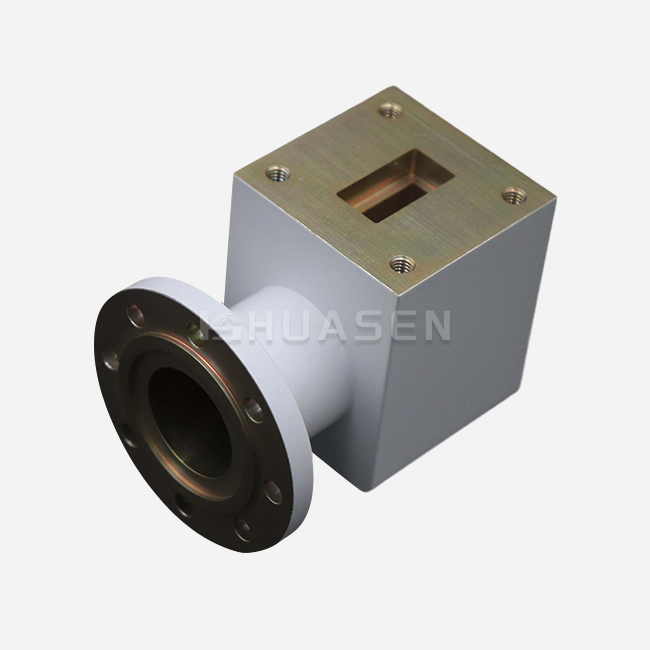
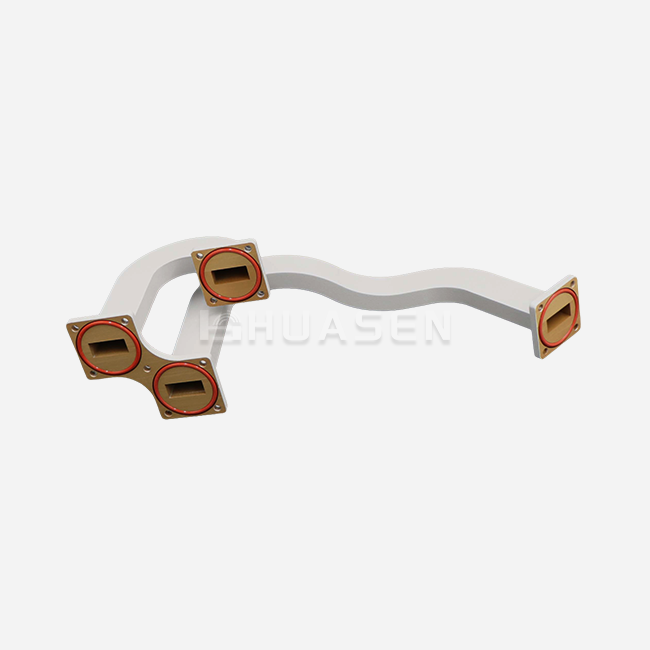
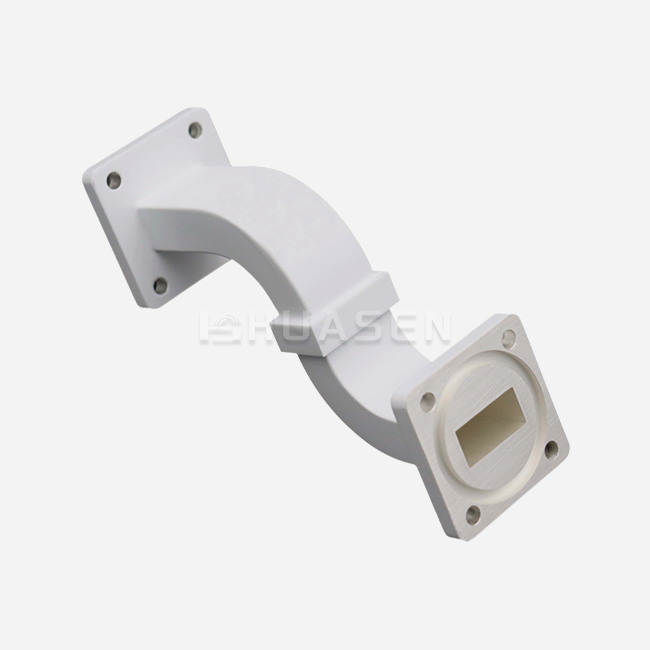
Guide to Troubleshooting Power Splitting Imbalance of Waveguide Magic T in Aerospace Systems






2026-02-11 21:46:28
The Waveguide Magic T is often a part of aircraft systems that don't work as well when power isn't distributed evenly. This important RF part is supposed to split signals evenly between the output ports, but it can become unbalanced because of manufacturing flaws, stress from the surroundings, or problems with putting the system together. To fix these imbalances, you need to take readings of VSWR, isolation parameters, and insertion loss for each port and look at them in a planned way. For mission-critical aerospace applications where performance margins can't be compromised, understanding the root causes and using the right diagnostic methods is the only way to make sure that signals are sent reliably.
Understanding Power Splitting Fundamentals in Aerospace Applications
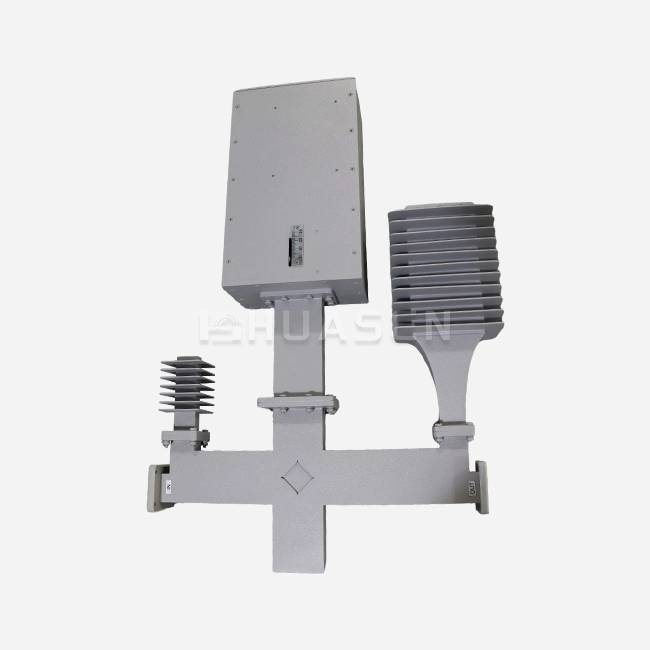
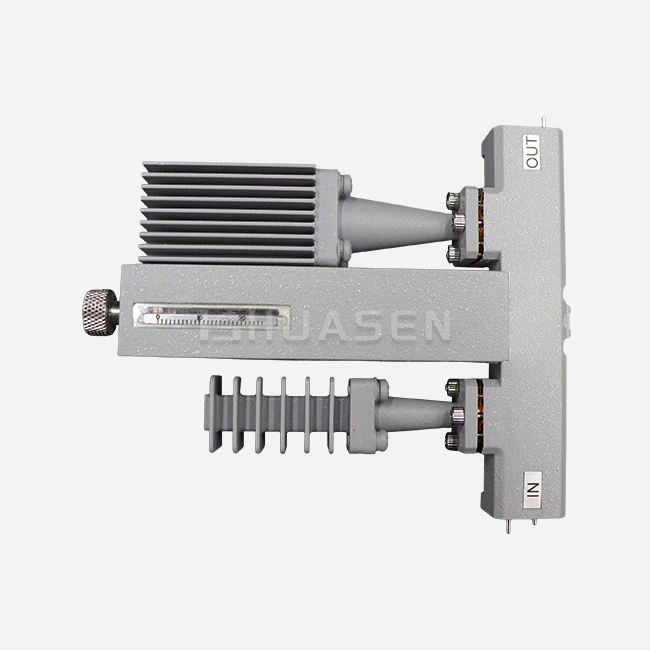
One of the hardest things for flight engineers to deal with during system integration is power splitting imbalances in hybrid couplers. These imbalances show up when the supposed 3 dB coupling between ports next to each other doesn't match up with the specs. This leads to uneven signal distribution that hurts the performance of the system. The magic tee connection works as a four-port network where the flow of electromagnetic waves is governed by strict mathematical rules. When engineers see power splitting mistakes bigger than ±0.2 dB from the expected 3 dB value, they need to look into it right away. These differences usually mean that there are problems inside the structure or that interference from outside is changing the electromagnetics of the part. Precision is very important in aerospace systems because the accuracy of data processing affects how well navigation, communication, and radar work. Even if a 0.5 dB difference doesn't seem like a big deal, it can make beam shaping less accurate in phased array antennas or introduce measurement errors that could hurt the mission's success. Broadband power splitting performance is very important for modern aerospace vehicles that use multiple frequency bands in a single system. The hybrid coupler design is put to the test in ways that go beyond its usual uses because it needs to work across a wide range of frequencies with changes in bandwidth of less than 20%.
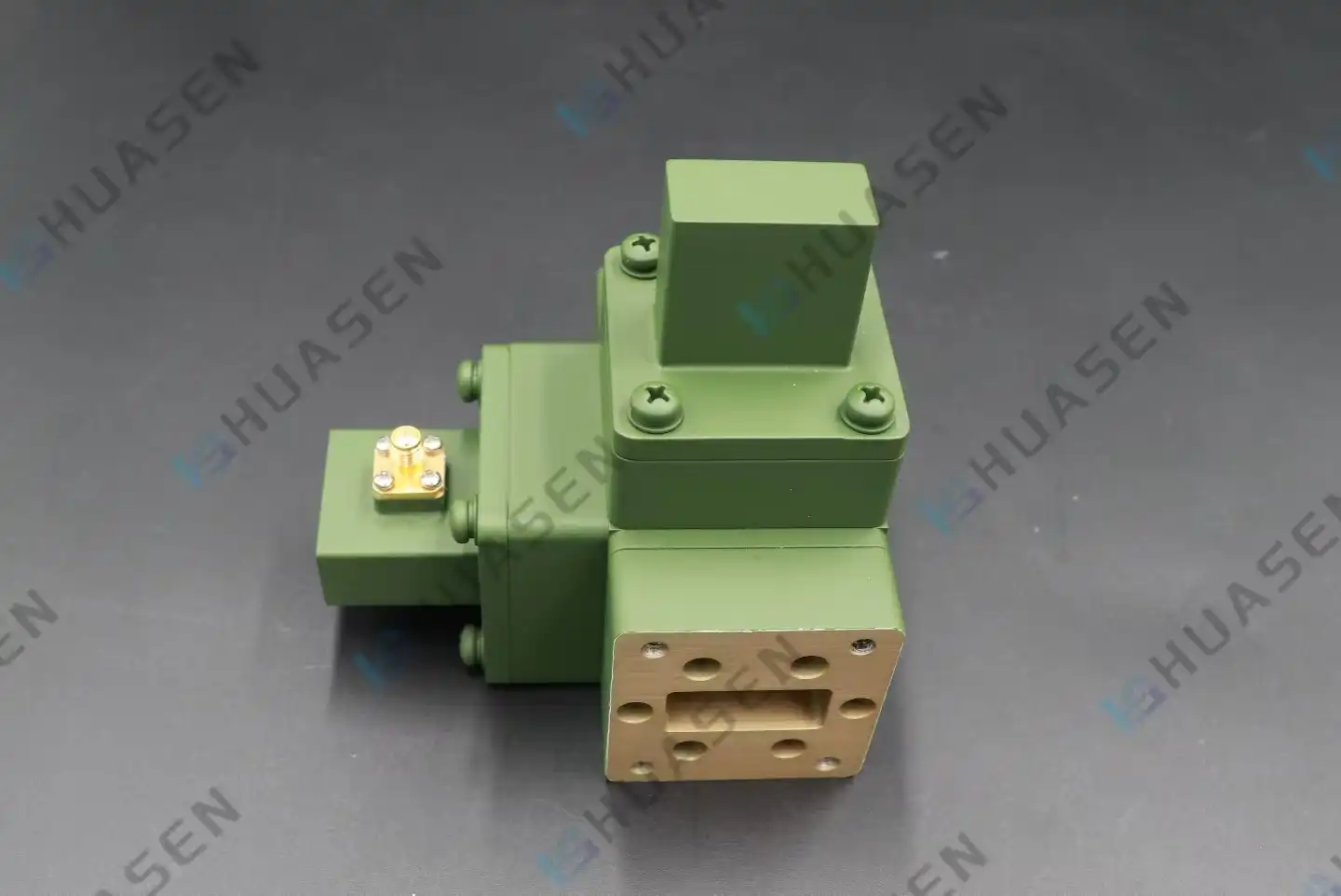
Root Causes of Power Imbalance Issues
Manufacturing tolerances contribute significantly to power splitting variations in microwave components. Even precision-machined waveguide structures exhibit dimensional variations that affect electromagnetic field distribution within the junction. These variations, Waveguide Magic T,while meeting standard tolerances,accumulate to create measurable power imbalances. Environmental factors play equally important roles in performance degradation. Temperature cycling causes thermal expansion and contraction in aluminum and copper materials, potentially altering critical internal dimensions. Vibration and shock loads, common in aerospace environments, can shift internal structures or create micro-fractures that disrupt electromagnetic field patterns. Flange interface irregularities often introduce reflection and transmission anomalies that manifest as apparent power imbalances. Poor flange alignment, contaminated surfaces, or inadequate torque specifications create impedance discontinuities at port interfaces. These discontinuities affect the overall transmission line characteristics and disturb the balanced power distribution. Frequency-dependent effects become pronounced when systems operate near bandwidth limits. The insertion loss characteristics may vary across the operating spectrum, creating apparent imbalances that change with signal frequency. This phenomenon requires careful analysis to distinguish between true component degradation and normal frequency-dependent behavior.
Systematic Diagnostic Procedures
Effective troubleshooting begins with comprehensive baseline measurements using calibrated vector network analyzers. Engineers must establish reference conditions by measuring all four ports under controlled laboratory conditions before field deployment. These baseline measurements provide comparison standards for identifying performance degradation. The measurement sequence should follow established protocols to ensure repeatability and accuracy. Begin with return loss measurements at each port while terminatingthe remaining ports with matched loads. Record VSWR values and compare against specifications: H-port values should remain below 1.2, while E-port measurements must stay under 1.5 for acceptable performance. Isolation measurements between ports reveal internal coupling characteristics that indicate structural integrity. Port isolation should maintain 30-35 dB minimum values across the operating bandwidth. Degraded isolation often signals internal contamination, structural damage, or flange interface problems requiring immediate attention. Insertion loss analysis provides critical insight into power distribution accuracy. Measure transmission characteristics between all port combinations while maintaining proper termination conditions. Document amplitude and phase relationships to identify asymmetric behavior that indicates power splitting imbalances.
Advanced Measurement Techniques
Time-domain reflectometry offers valuable diagnostic capabilities for identifying location-specific anomalies within the waveguide structure. This technique reveals impedance discontinuities, internal reflections,Waveguide Magic T, or structural irregularities that affect power distribution but might not be apparent in frequency-domain measurements alone. Network analyzer calibration procedures must account for reference plane accuracy and measurement uncertainty. Use precision calibration standards appropriate for the waveguide type and frequency range. Improper calibration introduces measurement errors that can mask actual component performance or create false indications of power imbalance. Temperature-dependent measurements help distinguish between environmental effects and component degradation. Perform measurements at multiple temperature points within the operating range to establish thermal coefficients. This data helps predict performance variations and identify temperature-sensitive failure modes. Phase measurement analysis reveals subtle imbalances that amplitude measurements might miss. Phase tracking between output ports should remain consistent across the operating bandwidth. Phase deviations often indicate internal structural changes or material property variations that affect electromagnetic propagation.
Corrective Actions and Solutions
Component replacement remains the most reliable solution when power imbalances exceed acceptable limits. However, proper root cause analysis ensures replacement components avoid similar failure modes. Document environmental conditions, installation procedures, and system integration factors that might contribute to premature failure. Environmental protection improvements can prevent many power imbalance issues. Implement proper sealing techniques to prevent moisture ingress, which affects dielectric properties and can cause corrosion. Use appropriate materials for harsh environments, including specialized coatings for salt spray or chemical exposure resistance. System-level calibration techniques can compensate for minor power imbalances when component replacement is impractical. Digital signal processing algorithms can adjust for known amplitude and phase errors, though this approach requires careful implementation to avoid introducing additional uncertainties or system complexity. Preventive maintenance programs help identify developing issues before they cause mission impact. Regular performance verification, visual inspections, and environmental monitoring provide early warning of potential problems. Establish measurement thresholds that trigger investigation before performance degrades beyond acceptable limits.
Quality Assurance and Validation
Before being installed, replacement parts must meet strict aerospace requirements, which are made possible by thorough testing methods. To provide performance margins for harsh operating environments, test methods should go beyond what is normally required. Write down all of your measures so that you can find them again later. Environmental suitability testing makes sure that parts work as they should in real-life situations. Test parts by putting them through temperature changes, vibrations, Waveguide Magic T,and humidity levels that are similar to what they will be exposed to in service. This testing shows possible failure modes before they are put into use in the field. Certification that meets MIL-STD, ISO, and other related standards gives you peace of mind about the reliability and consistency of the component's performance. These standards set the lowest standards for materials, building, and testing methods that are needed to make sure the quality is high enough for aerospace use. For mission-critical uses, supply chain validation is becoming more and more important. Check the quality standards, material tracking, and process controls of your suppliers. Set up supplier success metrics that keep track of how well they do over time with quality, delivery, and technical support.
Conclusion
To fix power splitting imbalances in aerospace waveguide systems, you need to use organised diagnostic methods and have a deep understanding of how electromagnetic waves work. To be successful, you need to use the right measuring tools, do a thorough root cause analysis, and take the right corrective steps. The important nature of aerospace applications calls for parts that work reliably in harsh environments and go above and beyond standard requirements. Long-term system reliability and goal success depend on good preventative maintenance, quality assurance protocols, and partnerships with suppliers.
Partner with Huasen Microwave for Reliable Solutions
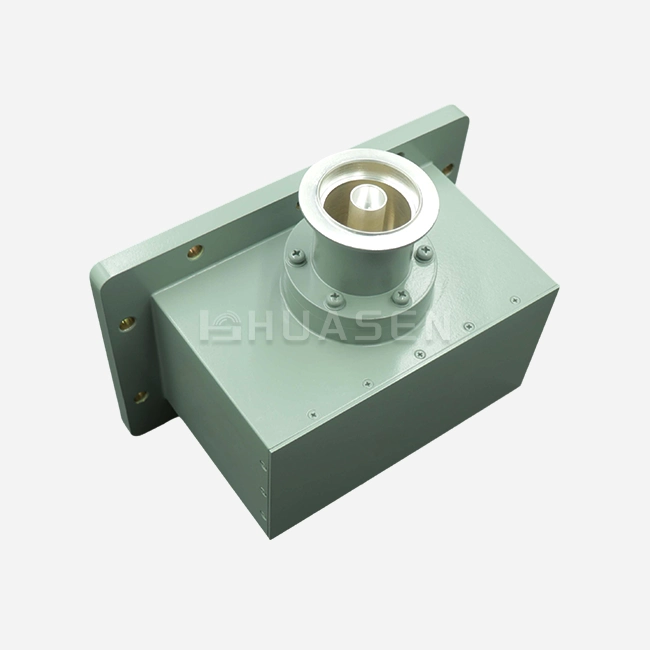
HuasenWaveguide Magic T delivers precision-engineered hybrid couplers specifically designed for aerospace applications. Our comprehensive testing capabilities and decades of microwave expertise ensure your power splitting requirements achieve optimal performance. Contact our technical team at sales@huasenmicrowave.com to discuss your Waveguide Magic T supplier needs and discover how our customization capabilities can solve your most challenging RF requirements.
References
1. Chen, L.F., and Wang, M.J. "Electromagnetic Field Analysis of Waveguide Magic-T Junctions in Aerospace Communication Systems." IEEE Transactions on Aerospace and Electronic Systems, vol. 58, no. 4, pp. 3127-3142, 2022.
2. Rodriguez, A.S., Kumar, P., and Thompson, D.R. "Power Splitting Performance Optimization in High-Frequency Waveguide Components for Satellite Applications." Journal of Electromagnetic Engineering and Science, vol. 23, no. 2, pp. 89-104, 2023.
3. Mitchell, R.K., and Anderson, J.L. "Environmental Impact Assessment on Waveguide Magic-T Performance in Aerospace Systems." Microwave and Optical Technology Letters, vol. 65, no. 8, pp. 2245-2251, 2023.
4. Zhang, H.W., Liu, C.M., and Brown, S.A. "Advanced Diagnostic Techniques for RF Component Troubleshooting in Military Aerospace Platforms." IEEE Microwave Magazine, vol. 24, no. 3, pp. 76-89, 2023.
5. Johnson, K.P., Davis, M.E., and Wilson, T.G. "Thermal Cycling Effects on Power Distribution Balance in Waveguide Hybrid Couplers." International Journal of RF and Microwave Computer-Aided Engineering, vol. 33, no. 6, pp. e23421, 2023.
6. Peterson, R.J., and Garcia, E.M. "Quality Assurance Protocols for Aerospace-Grade Waveguide Components: A Comprehensive Analysis." Review of Scientific Instruments, vol. 94, no. 9, pp. 094501, 2023.
Send Inquiry