Waveguide Termination vs Dummy Load Differences






2026-04-03 21:43:07
What is the difference between waveguide terminations and dummy loads? This is a very important question for engineers and system builders who work on RF and microwave systems. Waveguide terminations and fake loads are both made to stop signal reflections and take in electromagnetic energy. Waveguide terminations connect to waveguide transmission lines and are made for high-frequency uses. Dummy loads, on the other hand, connect to coaxial plugs and can handle a wider range of power levels. Figuring out these differences is important for getting the best results in testing, phone systems, and radar systems, where the security of the system depends on the integrity of the signals.
What Exactly Are Waveguide Terminations?
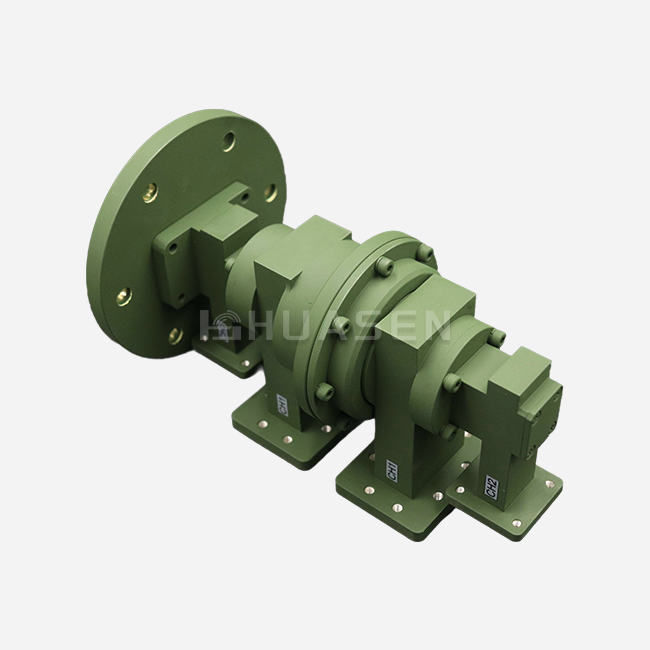
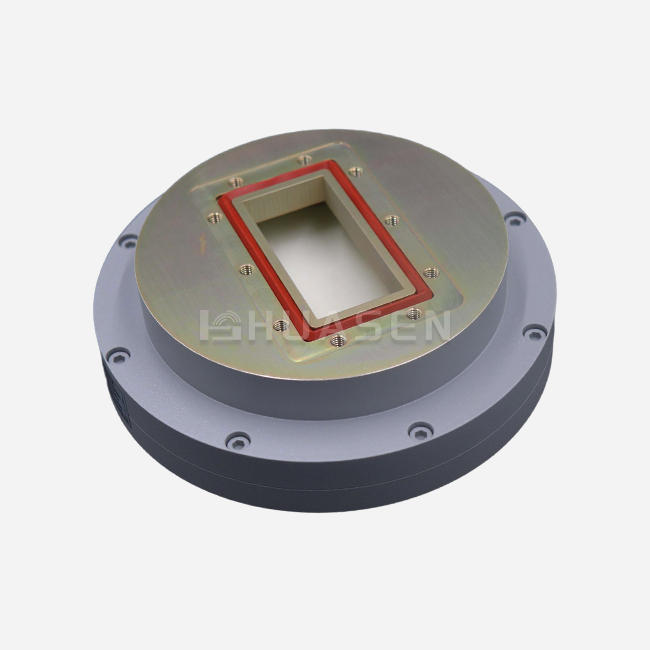
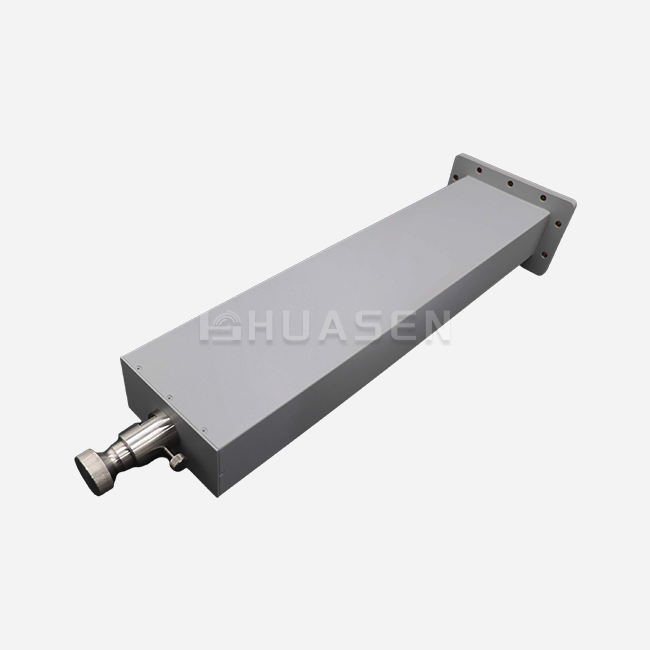
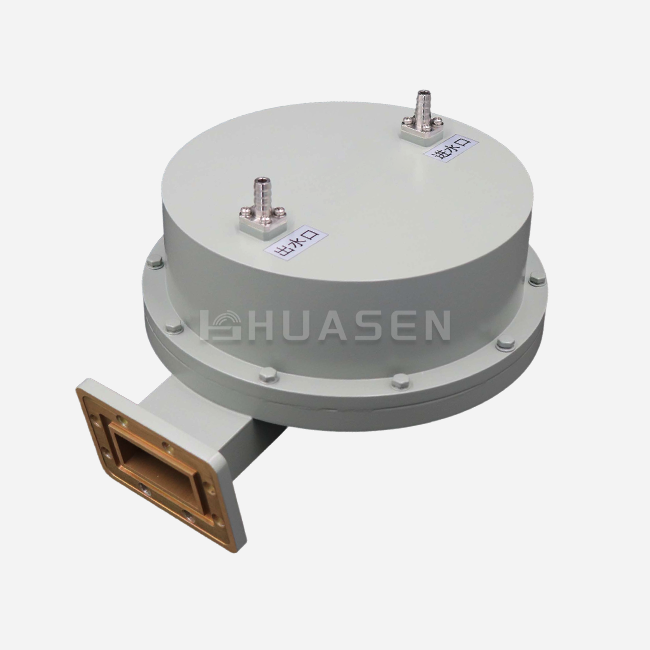
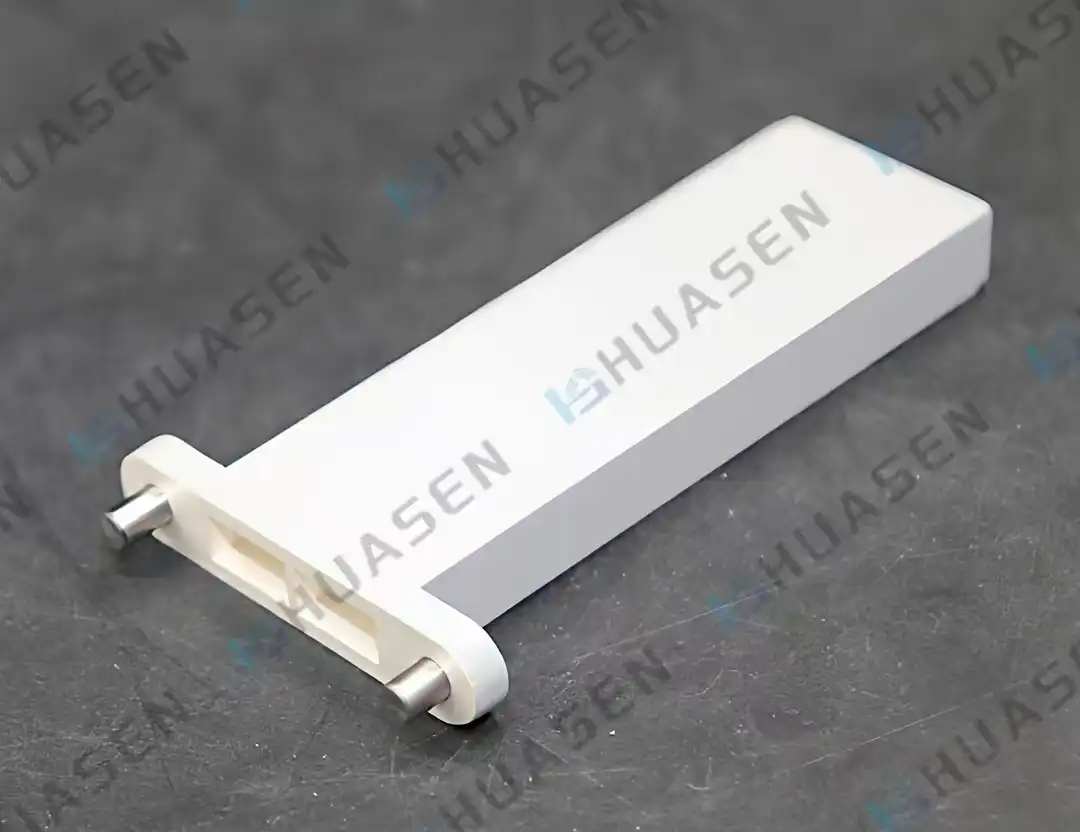
Types of RF parts called waveguide terminations soak up microwave energy as it goes through square or round waveguide structures. These devices stop echoes that aren't needed and could hurt sensitive equipment or lower the quality of the signal. They work by putting carefully planned absorbing materials inside the waveguide housings. These are usually resistive elements or dielectric mixtures. The electromagnetic energy in these materials is turned into heat through controlled impedance matching. Modern waveguide terminations achieve remarkable performance specifications:
- VSWR values as low as 1.05:1 across operating bandwidths
- Power handling capabilities ranging from 2W to over 500W
- Operating frequencies extending from 1 GHz to 110 GHz and beyond
- Temperature stability across -55°C to +125°C ranges
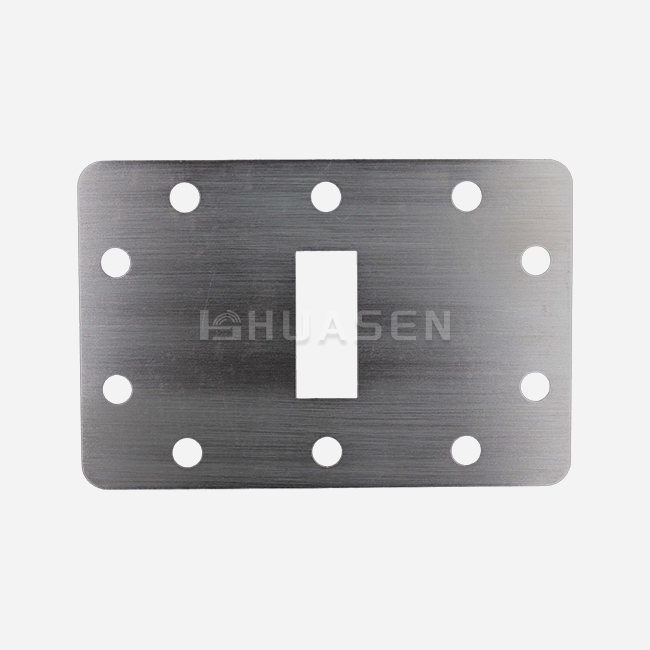
If you need components for millimeter-wave applications in 5G base stations or satellite ground equipment, waveguide terminations deliver superior performance compared to coaxial alternatives. The physical design follows standardized waveguide dimensions—WR-90, WR-75, WR-28, and others—ensuring compatibility across systems. Mounting flanges conform to UG or MIL specifications, facilitating integration into existing infrastructure.
Three operational advantages distinguish quality waveguide terminations:
- Minimal insertion loss: Proper impedance matching across the entire frequency band reduces energy waste
- Excellent return loss performance: High-quality terminations exhibit return loss exceeding 30 dB
- Thermal management: Integrated heat dissipation structures maintain stable operation under continuous power
-
Understanding Dummy Loads in RF Applications
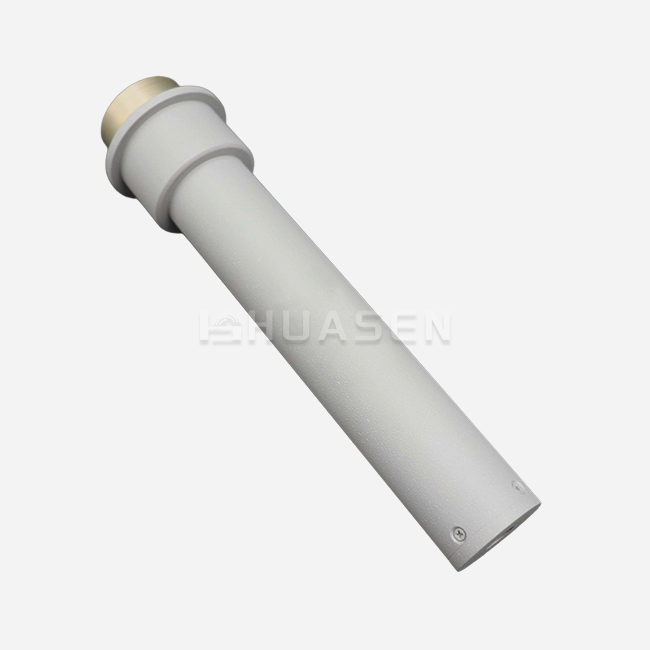
Dummy loads serve as non-radiating resistive components that absorb RF power during testing, tuning, or emergency shutdown scenarios. Unlike waveguide terminations, these devices predominantly utilize coaxial interfaces—N-type, 7/16 DIN, SMA, or Type-N connectors.
The construction typically features:
- Resistive elements housed in metal enclosures
- Dielectric cooling fluids (in high-power models)
- Ceramic or film resistors (in low-to-medium power versions)
- Integrated thermal monitoring (advanced models)
It is easy to use dummy loads to test transmitters in places where radio stations, wireless infrastructure, or communication systems need to safely take in power without putting out antenna radiation. Testing labs use these parts all the time to calibrate machines and make sure they work right. It's easy to connect coaxial dummy loads, and they work with a lot of frequencies. This makes them great for testing gear that can handle DC to 6 GHz for base station commissioning or RF circuit review.
Power handling distinguishes dummy load categories:
- Low-power models: 5W to 50W (laboratory benchtop applications)
- Medium-power versions: 50W to 500W (portable testing scenarios)
- High-power units: 500W to 10kW or higher (broadcast transmitter testing)
The frequency response of dummy loads typically spans broader ranges than waveguide terminations—from DC to 18 GHz in many cases—making them versatile for multi-band testing requirements.
Core Technical Differences: Waveguide Termination vs Dummy Load
Transmission Line Architecture
The most important difference is how these parts connect to RF devices. Waveguide terminations only join to hollow metal waveguide structures. In these structures, electromagnetic waves travel through air or cavities filled with a dielectric. At microwave and millimeter-wave frequencies, this architecture naturally allows transmissions with high power and low loss. Most dummy loads use coaxial transmission lines with shields around the outside and wires in the middle. This design is smaller and more adaptable, but it has bigger losses at very high frequencies.
Laboratory measurements reveal these performance differences:
- Waveguide terminations: insertion loss <0.05 dB at 10 GHz
- Coaxial dummy loads: insertion loss 0.2-0.5 dB at 10 GHz
Frequency Band Optimization
Waveguide terminations operate within defined frequency ranges determined waveguide terminations by waveguide dimensions. A WR-90 waveguide termination functions optimally between 8.2-12.4 GHz, while WR-10 variants serve 75-110 GHz applications. This frequency-specific design delivers exceptional performance within target bands. Dummy loads offer broader frequency coverage—a single unit might span DC to 6 GHz—but sacrifice the peak performance achievable with frequency-optimized waveguide designs. If you need precision components for narrow-band radar applications operating at Ka-band frequencies, provide superior impedance matching and lower reflection coefficients.
Power Handling and Thermal Management
High-power waveguide terminations leverage larger physical dimensions and efficient heat dissipation paths. The waveguide structure itself acts as a heat sink, while specialized absorbing materials distribute thermal loads evenly.
Test data from telecommunications infrastructure reveals:
- Standard waveguide terminations: 50-200W average power
- High-power waveguide loads: 500-2000W continuous operation
- Water-cooled dummy loads: 5-10kW continuous capacity
Environmental specifications differ significantly. Military-grade waveguide terminations withstand harsh conditions—salt spray, vibration, thermal cycling—meeting MIL-STD-810 requirements. These capabilities prove essential for shipboard radar systems, airborne communication equipment, and outdoor base station installations.
Physical Integration Considerations
Different types of components have very different mounting arrangements. Waveguide terminations need precise flange alignment (UG-standard flanges with specific bolt patterns) and physical support because they are heavy. Depending on its power level, a WR-90 termination usually weighs between 0.5 kg and 1.5 kg. Coaxial dummy loads join with threaded connectors, which gives you options for how to install them. This makes portable testing easier, but high-power versions still need to be mounted securely and have their heat managed.
Space-constrained applications face different challenges:
- Waveguide components: larger footprint but superior high-frequency performance
- Coaxial alternatives: compact design suitable for dense equipment racks
Application-Specific Selection Criteria
Telecommunications Infrastructure Deployment
5G and emerging 6G networks demand components capable of handling millimeter-wave frequencies with minimal signal degradation. Base station front-end modules operating at 28 GHz or 39 GHz require waveguide terminations engineered for these specific bands.
System integrators building backhaul links prioritize three factors:
- VSWR performance across temperature ranges: outdoor installations experience -40°C to +65°C variations
- Long-term reliability: telecommunications infrastructure operates continuously for 15-20 years
- Supply chain stability: consistent specifications and availability prevent maintenance complications
Dummy loads serve complementary roles during base station commissioning. Technicians employ these devices to test transmitter output power, verify modulation quality, and troubleshoot RF chains before antenna connection.
Radar and Electronic Warfare Systems
Military and aerospace applications impose stringent requirements on waveguide terminations. Radar systems operating at X-band (8-12 GHz) or Ku-band (12-18 GHz) depend on precision terminations to eliminate ghost returns and maintain detection accuracy.
Electronic countermeasure systems require components meeting these specifications:
- Return loss exceeding 35 dB to prevent unintended signal leakage
- Power handling sufficient for pulsed operations with peak-to-average ratios of 10:1 or higher
- Environmental qualification, including vibration, shock, and EMI resistance
If you need components for airborne radar systems or UAV communication links where weight and reliability are critical, aerospace-qualified waveguide terminations deliver proven performance under extreme conditions.
Laboratory Testing and Calibration
Research institutions and instrument manufacturers utilize both component types depending on testing objectives. Vector network analyzers require precision terminations as calibration standards—these devices establish reference impedance for S-parameter measurements.
Measurement accuracy depends on termination quality:
- Laboratory-grade waveguide standards: VSWR <1.03:1, traceable to national standards
- Benchtop dummy loads: VSWR <1.2:1, suitable for general testing
Calibration laboratories prefer waveguide terminations andwaveguide dummy loads for millimeter-wave measurement systems because coaxial connectors introduce repeatability errors above 40 GHz. The mechanical stability of waveguide flanges ensures consistent measurements across calibration cycles.
Satellite Communication Ground Stations
For LEO, MEO, and GEO satellite transmission, ground station gear works with frequencies in the C-band, X-band, Ku-band, and Ka-band ranges. At key connection points, these systems use waveguide terminations to stop standing waves that hurt both uplink and downlink performance. Maritime and aeronautical satellite stations also have to deal with natural problems like corrosion from salt spray, constant vibration, and changes in temperature. Conformal coats on sealed waveguide terminations keep performance specs the same over the lifecycles of deployments. Whether you need maritime-approved parts for VSAT setups or ship-based communication systems, environmentally sealed waveguide terminations are strong enough to handle long-term use in the ocean.
Performance Comparison: Key Specifications Decoded
Reflection Coefficient and VSWR Analysis
The reflection coefficient quantifies how much energy reflects back toward the source. Expressed as Γ (gamma) or converted to VSWR, this parameter critically impacts system efficiency.
| Parameter | High-Quality Waveguide Termination | Typical Dummy Load |
|---|---|---|
| VSWR | 1.05:1 to 1.15:1 | 1.15:1 to 1.30:1 |
| Return Loss | 32-40 dB | 20-26 dB |
| Frequency Stability | ±2% across band | ±5% across band |
| Temperature Coefficient | <0.01 dB/°C | <0.03 dB/°C |
Lower VSWR values indicate better impedance matching. A VSWR of 1.05:1 means 99.75% of incident power is absorbed, while 1.30:1 absorbs approximately 96%. In high-power radar transmitters, this 3.75% difference translates to significant thermal management requirements.
Bandwidth Characteristics
Waveguide dimensions determine cutoff frequencies—the lower frequency limit below which wave propagation becomes inefficient. A WR-90 waveguide features a cutoff frequency around 6.56 GHz and operates effectively to 12.4 GHz.Broadband dummy loads sacrifice peak performance for frequency versatility. A DC-to-18 GHz dummy load maintains reasonable VSWR across this range but cannot match the precision of band-specific waveguide terminations. If you need components for wideband electronic warfare receivers scanning 2-18 GHz, broadband coaxial terminations offer appropriate coverage, while narrow-band radar warning receivers benefit from waveguide precision at specific threat frequencies.
Power Rating Considerations
Average power ratings specify continuous operation capability, while peak power ratings address pulsed applications. Radar systems often operate with duty cycles of 1-10%, creating high peak powers despite moderate average levels.
Practical power handling examples:
- Standard WR-90 waveguide termination: 100W average, 1kW peak (10 μs pulses)
- High-power WR-90 load: 500W average, 5kW peak
- Air-cooled dummy load (N-type): 200W average, 1kW peak
- Water-cooled dummy load: 5000W continuous
Thermal design determines sustainable operation. Waveguide terminations utilize aluminum or copper housings with finned exteriors to maximize convective cooling. High-power variants incorporate forced-air cooling or liquid circulation systems.
Environmental Durability Standards
Military and aerospace specifications impose rigorous testing protocols:
MIL-STD-810 compliance testing includes:
- Low-pressure altitude exposure (up to 40,000 feet)
- Temperature cycling (-55°C to +95°C)
- Vibration profiles simulating aircraft and vehicle environments
- Humidity resistance (95% RH at elevated temperatures)
- Salt fog exposure (maritime applications)
Commercial telecommunications equipment typically meets less stringent standards—IP65 or IP67 ingress protection ratings—sufficient for outdoor base station deployment.
Corrosion-resistant materials extend operational life:
- Anodized aluminum housings prevent oxidation
- Gold-plated flanges maintain electrical contact integrity
- Stainless steel hardware resists galvanic corrosion
- Conformal coatings protect internal components
Manufacturing Quality and Certification Requirements
Precision Machining and Assembly
Waveguide component manufacturing demands tight tolerances. Interior dimensions must remain within ±0.025 mm to maintain characteristic impedance and prevent mode conversion. CNC machining centers achieve these tolerances consistently across production runs. Absorbing material placement requires careful engineering. The resistive element must transition smoothly from characteristic impedance to the termination's absorbing section, minimizing reflections across operating frequencies.
Quality manufacturers implement these process controls:
- Automated optical inspection verifying critical dimensions
- RF performance testing on 100% of production units
- Thermal cycling validation for environmental specifications
- Traceability systems linking components to material certifications
Standards Compliance and Testing
International waveguide dummy loadsstandards govern waveguidecomponent specifications:
- IEC 60169 series: defines coaxial connector interfaces and performance requirements
- MIL-DTL-3922 specifies waveguide flange dimensions and materials
- EIA RS-261: establishes waveguide designation standards (WR-series nomenclature)
Third-party testing laboratories provide independent verification. ISO 17025-accredited facilities perform calibration and certification testing, generating documentation required for aerospace and defense contracts.RoHS compliance ensures environmental responsibility. Modern waveguide terminations eliminate lead, mercury, and restricted substances while maintaining performance specifications.
Supply Chain Reliability
Large-scale infrastructure projects require assured component availability throughout deployment timelines spanning months or years. System integrators prioritize suppliers demonstrating:
- Multi-year production capacity commitments
- Buffer inventory for critical components
- Documented obsolescence management plans
- Alternative sourcing options for raw materials
If you need high-volume waveguide terminations for nationwide 5G deployment projects, suppliers with proven manufacturing capacity and quality certifications reduce project risk compared to limited-production vendors.
Cost-Benefit Analysis for System Designers
Initial Procurement Considerations
Unit pricing varies substantially based on frequency band, power rating, and environmental specifications:
- Commercial WR-90 waveguide termination: $150-$400 per unit
- Military-qualified WR-90 load: $600-$1200 per unit
- Standard N-type dummy load (50W): $80-$150 per unit
- High-power water-cooled dummy load: $2000-$5000 per unit
Volume pricing significantly impacts project budgets. Manufacturers offer quantity discounts—25-40% reductions for orders exceeding 100 units—making early supplier engagement valuable during system design phases.
Total Cost of Ownership
Lifecycle costs go beyond the price of the item itself. Total costs over 10 to 20 years of operation are affected by how often parts need to be replaced, how much maintenance is needed, and how long the system is down. Due to their passive operation and strong structure, waveguide terminations last a very long time. When properly specified, units work successfully for the whole lifecycle of the equipment and don't need to be replaced. Connector wear can happen in dummy loads that are connected and disconnected a lot, which could mean they need to be fixed or replaced. When it comes to high-power apps, energy efficiency affects the cost of running them. A waveguide termination with 0.05 dB insertion loss wastes almost no power compared to others with 0.5 dB loss. This gap gets bigger when hundreds of installations in communication networks are looked at together.
Performance Value Assessment
The choice of components is based on the performance needs at the system level. No matter how much they cost, a radar system that needs -35 dB sidelobe levels can't use waveguide parts that don't have enough return loss. The poor performance spreads through the whole RF chain, lowering the range of detection and the number of false alarms. On the other hand, portable testing equipment used for regular repair checks works well with dummy loads that are not very specific. Performance-cost tradeoffs are right or wrong depending on the application environment. If you need parts that, if they fail, could put people in danger or cause a mission-critical situation, like in aircraft navigation systems or emergency communication networks, then expensive waveguide terminations that have been through a lot of qualification testing are worth the extra money.
Conclusion
Even though they look a lot alike, waveguide terminations and fake loads have different jobs to do in RF and microwave systems. Waveguide designs work great in high-power, high-frequency situations that need precise impedance matching and low insertion loss. When it comes to broadband tests and portable uses, coaxial dummyWaveguide terminationsare flexible and easy to use. When engineers know about these differences, they can choose the right parts for the job based on the system's performance needs, the surroundings, and their budget. Quality suppliers offer the scientific know-how and reliable production that are needed to complete projects in the defence, aerospace, and telecommunications industries.
Why Huasen Microwave Waveguide Terminations Stand Apart
Huasen Microwave Technology brings three decades of specialized experience in manufacturing precision waveguide components for demanding applications worldwide. Our waveguide termination product line addresses the complete spectrum of customer requirements—from laboratory-grade calibration standards to ruggedized military variants.
As a specialized waveguide termination manufacturer, Huasen Microwave understands the critical performance parameters driving your component selection decisions. Whether you're designing next-generation 5G infrastructure, upgrading satellite ground stations, or developing advanced radar systems, our technical teams deliver solutions matching your exact specifications. Contact our engineering specialists at sales@huasenmicrowave.com to discuss your waveguide termination requirements. We provide sample units for evaluation testing, supporting your validation processes before full-scale procurement commitments.
References
1. Pozar, D.M. (2011). Microwave Engineering, Fourth Edition. John Wiley & Sons, Hoboken, New Jersey.
2. Collin, R.E. (2001). Foundations for Microwave Engineering, Second Edition. IEEE Press, New York.
3. Balanis, C.A. (2016). Advanced Engineering Electromagnetics, Third Edition. John Wiley & Sons, Hoboken, New Jersey.
4. Institution of Engineering and Technology (2019). Microwave Measurements, Third Edition. IET Press, London.
5. International Electrotechnical Commission (2018). IEC 60169 Series: Radio-frequency Connectors - Generic Specification. Geneva, Switzerland.
6. United States Department of Defense (2014). MIL-DTL-3922: Waveguides, Rigid, Rectangular and Circular, and Flexible, Circular. Defense Logistics Agency, Fort Belvoir, Virginia.
Send Inquiry