Understanding Waveguide Window Function & Material Selection






2026-04-22 21:34:30
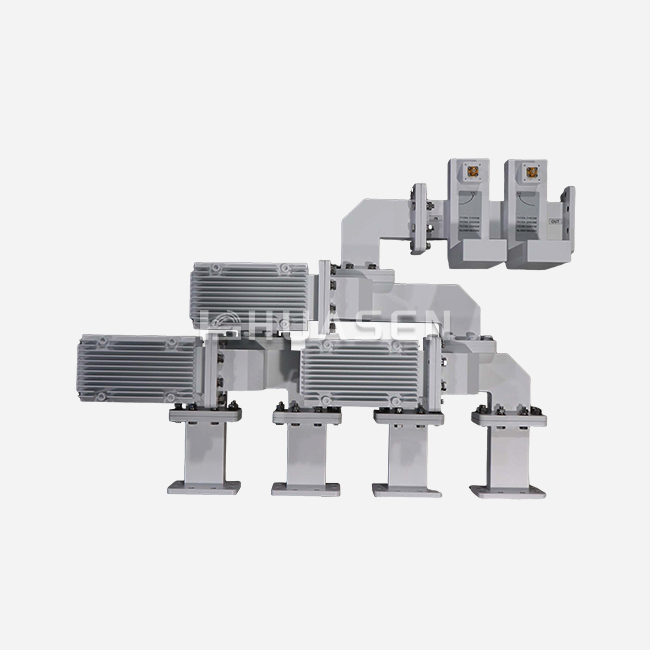
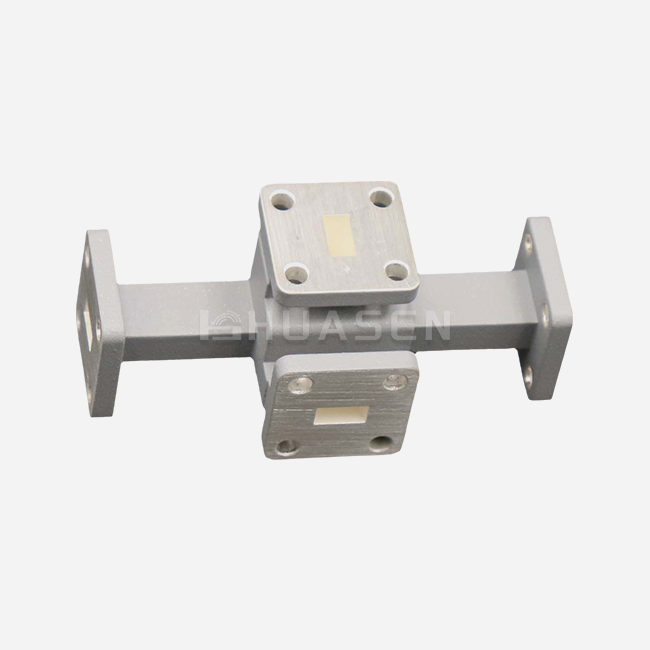
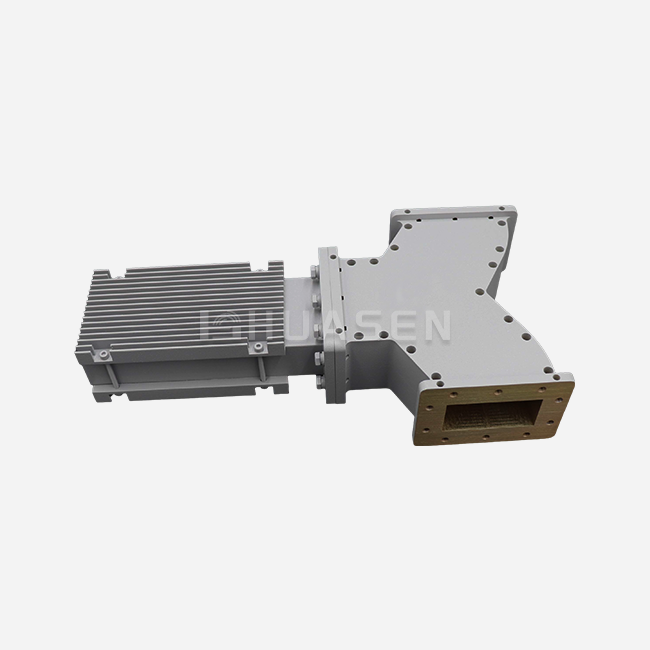
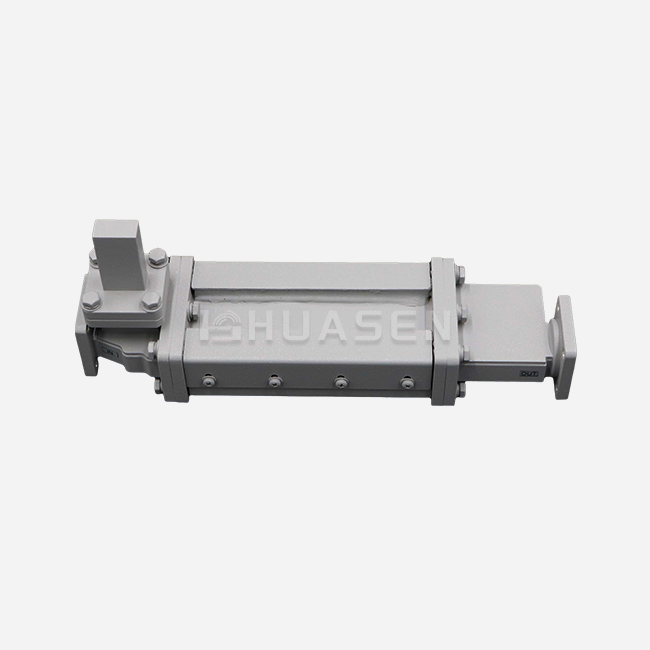
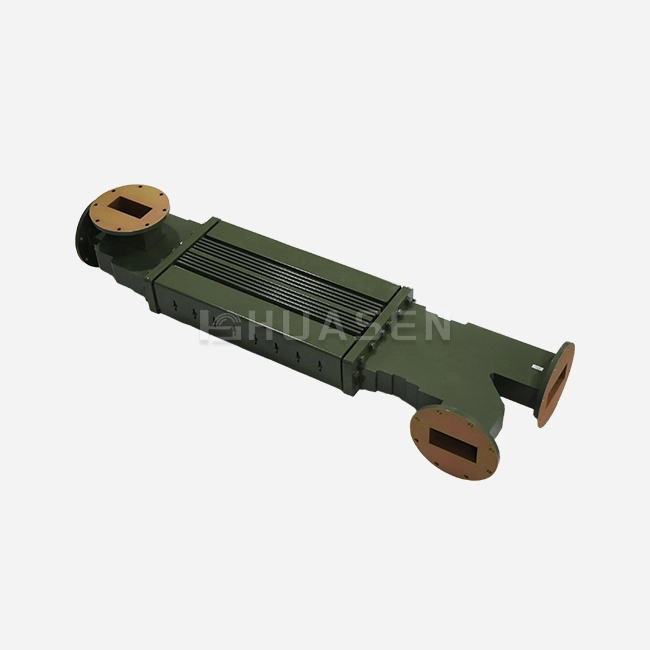
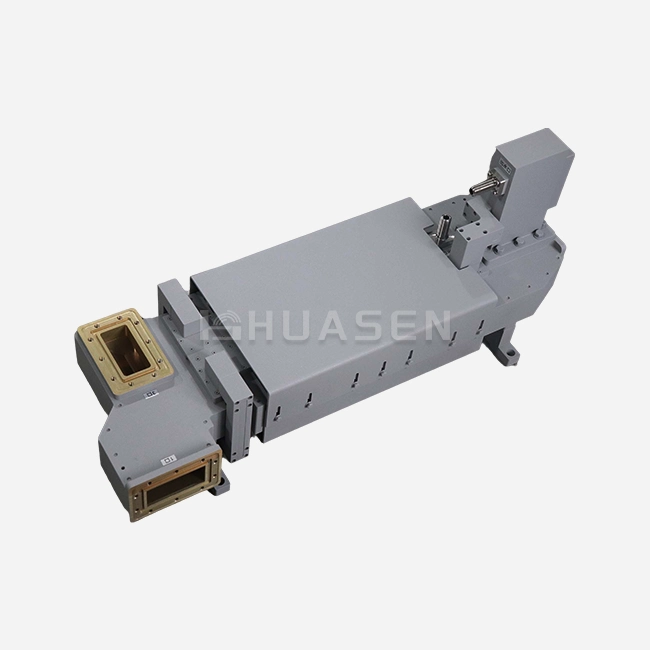
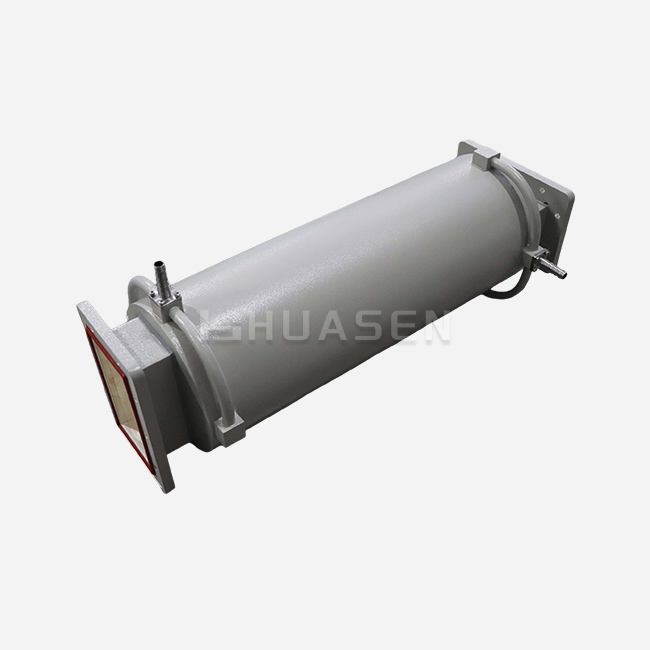
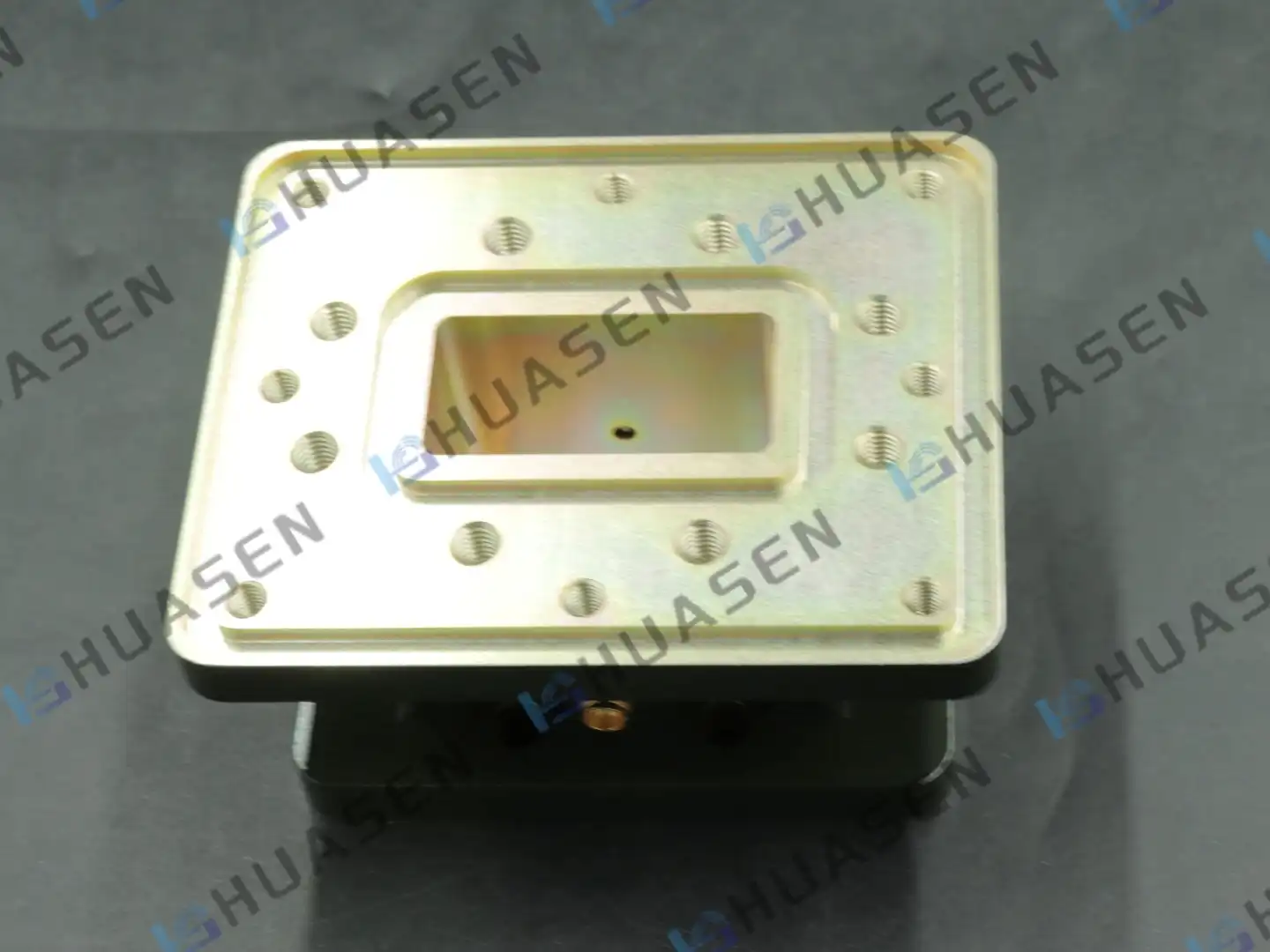
Waveguide Windows are important passive microwave parts that keep high-frequency transmission systems hermetically sealed while letting electromagnetic energy pass through with little loss. As clear RF barriers, these parts separate controlled or forced atmospheres from the outside world. This keeps sensitive equipment safe from wetness, contaminants, and changes in pressure without lowering the signal quality. The smart placement of these components in waveguide assemblies solves important engineering problems in radar, satellite communications, and base station infrastructure, where dependability has a direct effect on mission success and operating stability.
What Is a Waveguide Window and How Does It Work?
The Core Functionality of Environmental Isolation
Waveguide Windows split different environmental zones inside RF transmission lines by acting as electromechanical links. When the dielectric material is exactly placed inside the waveguide opening, it creates a physical seal while keeping the electrical continuity for electromagnetic wave propagation. This dual ability solves two important problems in the industry: it stops dielectric breakdown in high-power systems by letting dry nitrogen or SF6 gas be used to pressurize the inside, and it stops moisture from getting in and corroding active parts like klystrons and magnetrons. To make it work, you have to choose dielectric materials with permittivity values that keep the impedance difference at the boundary contact to a minimum. When RF energy hits the window, the right width of the material and dielectric constant make sure that most of the energy goes through and not backwards. Engineers figure out the best window thickness by multiplying half-wavelengths at the working frequency by a number of twos. This creates positive interference that makes transmission more efficient.
Maintaining Signal Integrity Across Pressure Differentials
For radar uses in space, planes fly to higher levels where the air pressure drops a lot. Without pressurization, the thin air inside the waveguide runs has less dielectric strength, which causes voltage breakdown and arcing at power levels that would be safe at sea level but are not used there. Pressure windows keep the pressure inside the chamber at the same level as the ground. This keeps the air's shielding properties and lets high-power transfer happen consistently at any height. For satellite earth station uplinks, these windows act as walls between high-power amps that are kept cool inside and antennas that are outside in harsh weather. The airtight seal keeps moisture, rain, and salt spray from getting into sensitive electronics. The RF-transparent ceramic waveguide pressure windowor quartz material lets kilowatt-level signals through with insertion losses that are usually less than 0.05 dB across all working bandwidths.
Pressure Window vs. Seal Window Terminology
Some people in the industry use different words for "pressure windows" and "seal windows," but in practice, they do the same thing. Pressure windows stress their ability to withstand large differences in pressure—often tested to 1.5 times their estimated working pressure—which makes them necessary for installations at high altitudes or next to vacuums. Seal windows draw attention to the hermetic closing feature, which is very important in marine settings where salt fog speeds up rusting or in industrial microwave heating, where backstreaming steam can damage expensive magnetron sources. Helium mass spectrometry leak tests are done on both versions to make sure that leak rates are less than 1 × 10⁻⁷ standard cubic centimeters per second. This level of hermeticity makes sure that sealed waveguide systems will work for decades without losing performance due to contamination from the air.
Key Materials for Waveguide Windows and Their Advantages
Material selection directly influences RF performance, mechanical longevity, temperature stability, and the total cost of the system, which are all directly affected by the choice of material. To get the best mix between electrical qualities and environmental resistance, different uses need materials with different properties.
Alumina Ceramic: Industry Workhorse
Because its qualities are so good, alumina (aluminum oxide) clay is the most common material used for Waveguide Windows. Alumina has a dielectric constant of about 9.8 and a loss slope below 0.0001 at microwave frequencies. This means that it transmits radio waves well with little heat, even at power levels of several kilowatts. Its mechanical strength can handle pressure differences of more than 100 PSI, and its thermal expansion coefficients are very close to those of popular metal flanges like copper and aluminum. This means that stress-related breakdowns during thermal cycling are less likely to happen. The material is great for outdoor telecommunications equipment and marine radar installations because it doesn't absorb water or chemicals. Thin alumina discs are usually brazed into metal frames using high-temperature methods that form hermetic bonds that can last for decades in harsh environments without seal breakdown.
Quartz: Precision Performance
Fused quartz is more RF transparent than alumina because it has a lower dielectric constant (about 3.8) and a very low loss slope. This means that the bandwidth can be wider and the insertion loss is lower, which is useful in broadband communication systems and test tools used in the lab. Because the material is very resistant to thermal shock, it can handle sudden changes in temperature without cracking. This makes it useful for uses in pulsed radar, where sudden power loss causes localized heating. Quartz windows are often used in particle accelerator beamlines and sealed waveguide feeds for reflector antennas, where ultra-high vacuum needs to connect with RF distribution networks at room temperature. The material is optically clear, which lets you see what's inside, which is an added benefit that is enjoyed during system setup and maintenance.
Sapphire and Silicon Options
Even though it costs more, single-crystal sapphire is good for uses that need to work in harsh environments because it is very hard and good at conducting heat. It is mostly used in defense systems and spaceships, where the conditions of operation are harsher than usual for materials. Silicon windows, which have dielectric values around 11.9, are used in specific millimeter-wave applications that need accurate impedance matching and low-loss transmission at frequencies above 40 GHz.Polytetrafluoroethylene (PTFE) is a cheap material that can be used in low-power, non-pressurized situations. Even though PTFE isn't as strong or stable at high temperatures as ceramic options, its low dielectric constant (about 2.1) and ease of machining make it useful for making prototypes and non-critical business systems that don't need to be exposed to the environment much.
Types of Waveguide Windows and Design Principles
Waveguide Window arrangements change depending on how much waveguide pressure windowpower is needed, the surroundings, and the frequency band. Design optimization tries to keep the voltage standing wave ratio (VSWR) as low as possible while still making sure the mechanical soundness of the design under operating pressures.
Planar Disc Configurations
Flat dielectric discs placed perpendicular to the waveguide line are used in the most popular design. Engineers figure out how thick a disc should be to make it equal to integer multiples of half-wavelengths in the dielectric material. This creates resonance conditions that stop reflections at the design frequency. This method gives great VSWR performance (usually 1.15:1 or better) over small bandwidths of 10-15%. Some mounting options are brazed systems, in which the ceramic surround bonds directly to the waveguide metal body, and captured designs that use compression seals and rubber gaskets. Brazed versions are better at keeping out air and power, but they need to be carefully matched to their temperature expansion. Captured designs make it easier to change parts in the field and work with a wider range of temperatures, thanks to seal materials that are compliant.
Comparison of Single-Layer and Multi-Layer Architectures
Single-layer windows work well for most tasks as long as they are the right size for the frequency. Multi-layer designs have extra dielectric parts that are split by exact air gaps or matching layers in the middle. By making many resonance points that meet and match a wide range of impedances, these complicated structures greatly increase the practical bandwidth, reaching fractional bandwidths of over 40%.In exchange, production becomes more complicated, and standards for sizes become tighter. Multi-layer windows are useful in wideband radar systems and multi-frequency data lines, where combining more than one piece of equipment is worth the extra cost. Teams in charge of buying things should check to see if the system really needs more bandwidth or if smaller, single-layer options will work just fine for the job.
Thoughts on Thermal and Mechanical Design
By carefully choosing the materials and designing the joints, effective window systems can handle differences in heat expansion between metal and dielectric parts. Differences in the coefficient of thermal expansion (CTE) cause mechanical stress when temperatures change, which could lead to seal failure or ceramic cracking. Transition materials, such as Kovar metal, which has a CTE that is between ceramic and copper, make brazed joints less stressed. For high-power uses, RF heating in the dielectric needs to be taken into account. Even materials with a low loss rate, like alumina, have a dissipation factor that turns some of the power they transfer into heat. As a way to control temperature, the metal fixing flange can conduct heat away, and in the worst cases, forced air or liquid movement around the window assembly can cool it down.
Procurement Guide for Waveguide Windows: What B2B Buyers Need to Know
To successfully source Waveguide Windows, you have to balance scientific requirements with business concerns such as the supplier's ability, quality assurance, and long-term supply.
Checking the Credentials of Suppliers
Manufacturers with a good reputation show that they follow quality standards like ISO 9001 and, for defense uses, AS9100 aircraft certifications. Instead of general specification sheets, ask for test data that shows VSWR, insertion loss, and leak rate at the lot level. Suppliers who have their own vector network analyzer tests and helium leak detection tools can give you a better guarantee of the performance they will deliver. When adaptation is needed, the power to make something is important. Check to see if potential sellers have facilities for ceramic grinding, metal welding, and precision assembly, or if they just sell common items. When it comes to frequency band optimization, non-standard flange connections, and power rating changes, direct makers give you more options.
Making it clear what the technical requirements are
Specifications for purchases should include information about the workingWaveguide Windows frequency range (with tolerance bands), the maximum and average power handling, the maximum and average pressure difference rating, and the temperature range, humidity exposure, and vibration levels in the environment. Include the mechanical interface needs, such as the waveguide size (WR-90, WR-62, etc.), the type of flange (UG-style cover flanges or choke flanges), and the restrictions on the mounting position. Before committing to production numbers, ask for sample units to be tested in your system settings to make sure they meet the requirements. During this step, compatibility with the current infrastructure is checked, and the seller's claims about electrical performance and environmental resistance are confirmed. When dependability is very important, make sure that your approval schedule allows for thermal cycle tests and accelerated life testing.
Learning about lead times and how prices work
Standard stock items from well-known brands usually ship between 2 and 4 weeks. Lead times are extended to 8–12 weeks for custom setups that need non-standard ceramics or special soldering methods. Talk about the limits of your production right away. This is especially important when you need to buy hundreds or thousands of units for big infrastructure projects like 5G base station networks. There are often price breaks at 10, 50, and 100 units in volume pricing systems. Talk about framework deals that lock in prices for yearly volumes while still allowing for releases every three months that are timed with project goals. Ask for clear information on where the raw materials come from, especially for ceramic surfaces and valuable metal brazing alloys, so you can figure out what drives costs and plan for possible price changes.
Real-World Applications Across Industries
Waveguide Windows are very important in difficult situations where a broken part could have major effects on operations or pose a safety risk.
Defense radar devices that use the X-band and Ku-band bands need pressure windows to work properly from sea level up to 50,000 feet above sea level. The windows keep the waveguide runs compressed with dry nitrogen, which stops the high-voltage breakdown that would shut down the radar at cruise altitude if it happened. MIL-STD-810 environmental testing procedures for temperature shock, shaking, and salt fog exposure are often required by military standards. In order for satellite communication ground stations' uplink chains to work, indoor boosters that produce several kilowatts of power must connect to outdoor radio feeds through building walls. Outside wetness can't get into temperature-controlled equipment rooms because of the hermetic seal, which can also handle power levels above 1 MW/m² in the waveguide cross-section. Installation usually includes ways to check visually and change parts in the field without having to depressurize the system. Medical linear accelerators use special vacuum screens to separate areas with very low pressure (needed for klystron operation) from areas with normal air pressure, which speeds things up. These windows need to be hermetically sealed without any defects, which can only be proven by thorough leak tests. If the seal fails, the whole system is at risk, and treatment plans for patients have to be put on hold. In this case, the ceramic windows have to be able to handle strong RF fields and keep their structural integrity under a constant pressure load for many years.
Conclusion
To choose the right Waveguide Windows, you have to carefully weigh the qualities of the material, the design configurations, and the supplier's skills against the needs of the application. The best way to choose a component is to look at how RF performance parameters (like bandwidth, insertion loss, and power handling) interact with external resilience factors (like pressure grade, temperature stability, and hermeticity). Getting suppliers involved early in the system design process is helpful for procurement teams because they can use the engineers' engineering knowledge to create unique solutions that balance technical performance with business viability. For key infrastructure deployments to have a reliable supply chain over the long term, strict quality control procedures and open relationships with suppliers are necessary.
FAQ
1. What factors determine the best material for a window?
The frequency of operation, the amount of power, the surroundings, and the budget all affect the choice of material. Alumina ceramic works well in most situations because it has strong mechanical qualities, good RF transparency, and is not too expensive. Quartz is better for wideband systems and pulsed radar because it has a higher bandwidth and can handle heat shock better. Even though it costs more, Sapphire meets the needs of challenging environments. When choosing materials, you should look at the dielectric constant, loss slope, thermal conductivity, and CTE compatibility with metal parts that are close by.
2. How do I make sure the quality and dependability of my supplier?
Ask for proof of certification, such as ISO 9001 and standards relevant to your business, such as AS9100 for aircraft uses. Ask for test results that are typical of recent production lots. These should include VSWR readings, insertion loss curves, and proof of leak rate. Some qualified providers keep test tools like vector network analyzers and helium mass spectrometry equipment in-house. When buying things that are needed for important purposes or in large quantities, you should schedule facility checks to look at the manufacturing processes directly.
3. Can windows that are already there be changed to work with different radio bands?
Window assemblies are frequency-specific because the resonant thickness needs to be estimated for each working band. When switching to a different frequency, new window designs with changed dielectric thickness are often needed. Some multilayer setups offer wider bandwidth that can possibly cover neighboring frequency allocations, but it's not possible to add multilayers to single-layer windows that are already in place. When upgrading a system that changes frequencies, it's better to spend the money on new screens that are made to fit the new requirements than to try to make changes.
Partner With Huasen Microwave for High-Performance Waveguide Window Solutions
Since our company's start in 1993, Huasen Microwave Technology has been making RF components for 30 years and can offer precision-engineered Waveguide Windows. Every pressure window and seal window assembly we make meets strict requirements for VSWR, insertion loss, and airtight integrity thanks to our advanced ceramic brazing facilities and in-house vector network analyzer testing. We help system developers and equipment makers with the whole buying process, from helping them with a custom design and sending samples of prototypes to mass production with steady quality and known lead times. Get in touch with our engineering team at sales@huasenmicrowave.com to talk about your waveguide window needs, whether you want a basic catalog setup or a solution that is fully customized to fit your frequency bands, power levels, and environment. As a reliable waveguide window manufacturer that works with the defense, aerospace, and telecommunications industries around the world, we give your important projects the expert help and supply chain stability they need.
References
1. Pozar, David M. Microwave Engineering, 4th Edition. Hoboken: John Wiley & Sons, 2011.
2. Saad, Theodore S. Microwave Engineer's Handbook, Volume 1. Dedham: Artech House, 1971.
3. Marcuvitz, Nathan. Waveguide Handbook (IEE Electromagnetic Waves Series). London: Peter Peregrinus Ltd., 1986.
4. Chatterjee, Ravi. Dielectric and Related Molecular Processes, Volume 2. London: The Chemical Society, 1975.
5. Montgomery, Carol G., Robert H. Dicke, and Edward M. Purcell. Principles of Microwave Circuits (MIT Radiation Laboratory Series). New York: McGraw-Hill, 1948.
6. Harvey, A.F. Microwave Engineering. London: Academic Press, 1963.
Send Inquiry