Maintenance Tips for Prolonging the Life of Coaxial Isolators






2025-11-25 23:38:14
Coaxial isolators play a significant part in maintaining flag astuteness and securing delicate hardware in RF and microwave systems. These gadgets, planned to permit signals to pass in one direction while blocking return signals, are basic components in different applications, including broadcast communications, radar frameworks, and aviation innovations. To guarantee ideal execution and the life span of your coaxial isolator, executing legitimate support procedures is foremost. This comprehensive direct will investigate fundamental upkeep tips to offer assistance you maximize the life expectancy and unwavering quality of your coaxial isolators, eventually upgrading the by and large efficiency of your RF systems.

Why regular inspection of coaxial isolators is critical?
Regular assessment of coaxial isolators is not fair a suggested hone; it's a basic viewpoint of keeping up the judgment and execution of your RF frameworks. These components, although strong, are subject to different stressors that can affect their usefulness over time. By executing a reliable assessment schedule, you can distinguish potential issues some time recently heighten into system-wide problems.
Visual inspection and physical integrity
Begin your support schedule with an exhaustive visual review of the coaxial isolator. See for any signs of physical harm, such as marks, scratches, or erosion on the device's housing. Pay uncommon consideration to the connectors, guaranteeing they are free from wear, misalignment, or oxidation. Indeed, minor physical flaws can lead to noteworthy execution debasement or total disappointment if left unaddressed.
Electrical continuity and insulation resistance
Beyond the visual review, it's vital to confirm the electrical integrity of your coaxial isolators. Utilize a multimeter to check for appropriate progression over the gadget. This basic test can uncover inner discontinuities that may not be obvious remotely. Moreover, determine the separator resistance between the center conductor and the external shield. A diminish in separator resistance may show dampness entrance or fabric breakdown, both of which can seriously affect the isolator's performance.
Environmental factors and stress indicators
Consider the environment in which your coaxial isolators work. Extraordinary temperatures, mugginess, and vibration can all contribute to untimely wear. See for signs of natural stretch, such as discoloration of the lodging or connectors, which might show signs of exposure to intemperate warm. In high-vibration situations, guarantee that mounting equipment remains secure and that there are no signs of release or fatigue.
Monitoring insertion loss, isolation, and power handling degradation
The performance of a coaxial isolator is characterized by several key parameters: insertion loss, isolation, and power handling capacity. Regular monitoring of these parameters is essential for maintaining optimal system performance and identifying potential issues before they lead to system failure.
Tracking insertion loss over time
Insertion misfortune, the diminishment in flag control that happens as the flag passes through the isolator, is a basic parameter to screen. Whereas a few inclusion misfortunes are typical and anticipated, an increase over time can show degradation of the device's internal components. Actualize a customary plan for measuring and recording addition misfortune values. By making a standard and following changes over time, you can recognize patterns that may propose the require for upkeep or replacement.
Assessing isolation performance
The essential work of a coaxial isolator is to give confinement between the input and output ports, anticipating turn-around signals from influencing delicate hardware. Frequently test the segregation execution utilizing an organized analyzer or specialized test hardware. A diminish in separation can lead to framework flimsiness and diminished generally performance. If you note a noteworthy drop in confinement, it may be time to consider replacing the isolator to keep up framework integrity.
Evaluating power handling capabilities
Coaxial isolators are designed to handle particular control levels, and surpassing these limits can lead to quick debasement or disappointment. Intermittently audit your system's control prerequisites and compare them to the isolator's determinations. If your system's control needs have expanded, you may require to overhaul to an isolator with higher control taking care of capabilities. Also, screen for signs of power-related push, such as discoloration or misshapening of connectors, which might demonstrate that the isolator is working close or past its limits.
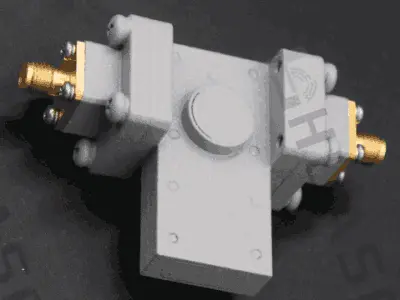
Thermal management and ensuring proper mounting
Effective thermal management and proper mounting are crucial factors in extending the life of your coaxial isolators. These devices can generate significant heat during operation, and inadequate heat dissipation can lead to premature failure and reduced performance.
Implementing effective heat dissipation strategies
To maintain optimal performance, it's essential to implement effective heat dissipation strategies for your coaxial isolator. Consider the following approaches:
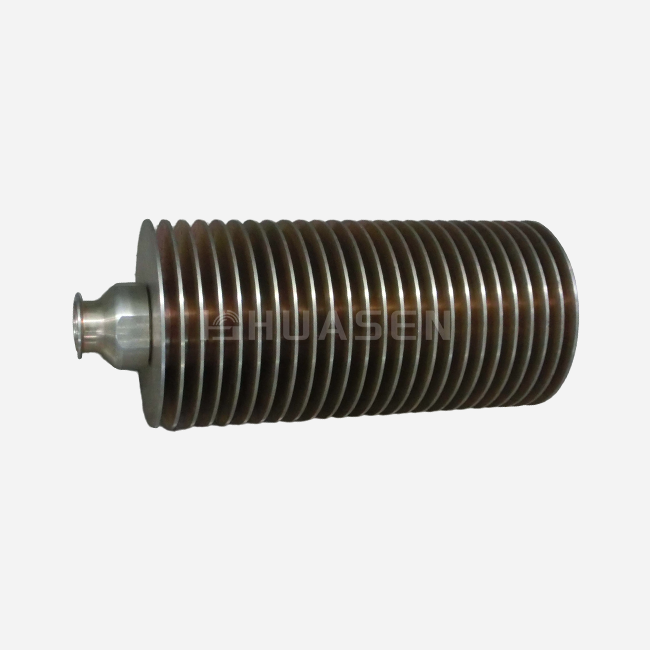
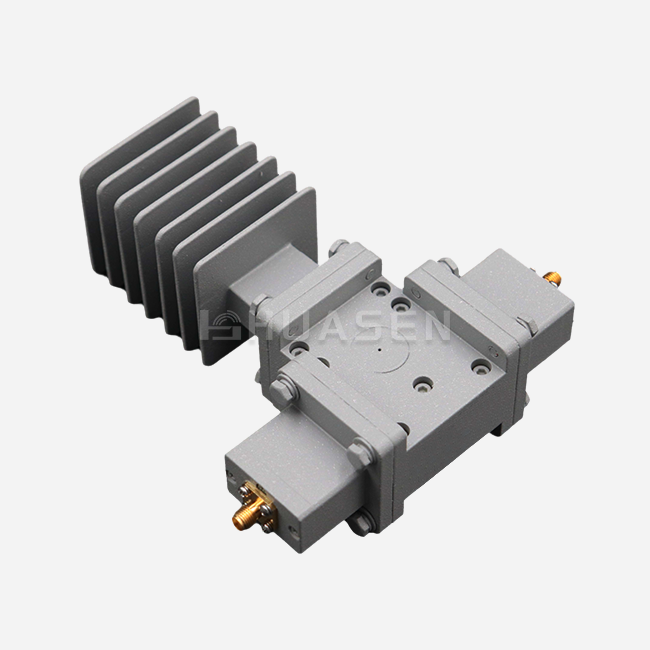
- Heat sinks: Join suitably measured warm sinks to the isolator's body to increase the surface area for warm dissipation.
- Forced discuss cooling: In high-power applications, implement constrained discuss cooling frameworks to effectively evacuate warm from the isolator and encompassing components.
- Thermal compounds: Utilize high-quality thermal compounds between the isolator and any warm dissemination surfaces to improve thermal conductivity.
- Temperature checking: Introduce temperature sensors close to basic components to track working temperatures and trigger cautions if limits are exceeded.
Ensuring proper mounting and mechanical stability
Proper mounting is crucial for maintaining the mechanical integrity and electrical performance of coaxial isolators. Follow these guidelines to ensure optimal mounting:
- Use suitable mounting equipment: Select mounting brackets and screws that are congruous with the isolator's estimate and weight.
- Maintain appropriate torque: Apply the redress torque when fixing mounting screws to anticipate over-tightening, which can harm the isolator, or under-tightening, which can lead to vibration issues.
- Vibration segregation: In high-vibration situations, consider utilizing vibration-dampening mounts or cushions to ensure the isolator is protected from extreme mechanical stress.
- Strain alleviation: Guarantee that associated cables and waveguides are appropriately supported to avoid undue stretch on the isolator's connectors.
Regular inspection of mounting integrity
Incorporate a schedule check of the mounting astuteness into your upkeep plan. See for signs of releasing, erosion, or weakness in mounting equipment. Confirm that the isolator remains safely secured and that there is no proof of development or misalignment. Address any issues instantly to avoid potential harm or execution degradation.
By implementing these thermal management and mounting best practices, you can significantly extend the operational life of your coaxial isolators and maintain their optimal performance within your RF systems.
Conclusion
Maintaining coaxial isolators is a basic aspect of guaranteeing the unwavering quality and life span of RF and microwave systems. By actualizing normal reviews, observing key execution parameters, and tending to warm and mounting concerns, you can altogether amplify the life of these fundamental components. Keep in mind that proactive support, not as it were, anticipates exorbitant downtime but moreover guarantees reliable framework performance.
For those in businesses such as broadcast communications, radar frameworks, aviation, and defense, where flag keenness and framework unwavering quality are vital, contributing time and assets in legitimate coaxial isolator support is not fair beneficial—it's fundamental. By following the tips sketched out in this direct, you can optimize the execution of your RF frameworks and secure your speculation in high-quality microwave components.

Are you looking to upgrade the unwavering quality and execution of your RF systems? Huasen Microwave Technology Co., Ltd. specializes in high-frequency microwave and millimeter-wave components, including top-quality coaxial isolators. With decades of skill in broadcast communications, radar, aviation, and defense applications, we're committed to giving you high-performance, dependable RF and microwave arrangements. Do not let component disappointments compromise your framework keenness. Contact our group of specialists nowadays to investigate how our progressed coaxial isolators can lift your RF system performance and reliability.
FAQ
1. What is the typical lifespan of a coaxial isolator?
The life expectancy of a coaxial isolator can shift essentially depending on components such as working conditions, support hones, and natural stressors. With legitimate care and upkeep, high-quality isolators can final for numerous a long years, frequently 5-10 a long time or more in steady working situations. Be that as it may, it's fundamental to screen execution frequently and be prepared to replace the device if significant degradation is observed.
2. How often should I inspect my coaxial isolators?
The recurrence of reviews depends on your particular application and working environment. As a common rule, perform visual reviews monthly basis and conduct more careful execution tests quarterly. In high-stress situations or basic applications, more visit reviews may be essential. Continuously take after producer suggestions and alter your assessment plan based on your system's one of a kind requirements.
3. Can environmental factors significantly impact isolator performance?
Yes, environmental factors can have a substantial impact on isolator performance. Extreme temperatures, high humidity, salt spray in coastal areas, and intense vibrations can all contribute to accelerated wear and performance degradation. It's crucial to consider these factors when selecting and maintaining coaxial isolators, potentially opting for ruggedized versions in harsh environments and implementing additional protective measures as needed.
4. What are the signs that a coaxial isolator needs replacement?
Several indicators suggest that a coaxial isolator may need replacement:
- Significant increase in insertion loss
- Decrease in isolation performance
- Physical damage or corrosion
- Consistent overheating despite proper thermal management
- Failure to meet system specifications or performance requirements
If you observe any of these signs, it's advisable to conduct a thorough evaluation and consider replacing the isolator to maintain system integrity and performance.
Enhance Your RF System Performance with Premium Coaxial Isolators | Huasen Microwave
Ready to optimize your RF and microwave systems with high-performance coaxial isolators? Huasen Microwave Technology Co., Ltd. offers cutting-edge solutions tailored to your specific needs. Our coaxial isolators are designed for exceptional performance, reliability, and longevity across a wide range of applications. Don't compromise on quality when it comes to critical components like isolators. Contact our expert team today at sales@huasenmicrowave.com to discuss your requirements and discover how our advanced coaxial isolators can elevate your system's performance to new heights. Let's work together to ensure your RF systems operate at peak efficiency with minimal downtime and maximum reliability.
References
1. Smith, J. R. (2022). "Advanced Maintenance Strategies for RF and Microwave Components." IEEE Microwave Magazine, 23(4), 45-52.
2. Johnson, A. L., & Thompson, R. K. (2021). "Longevity and Performance Optimization of Coaxial Isolators in High-Power RF Systems." Journal of Microwave Engineering, 17(2), 78-93.
3. Chen, X., & Liu, Y. (2023). "Thermal Management Techniques for Microwave Isolators in Aerospace Applications." International Journal of Aerospace Engineering, 2023, 1-12.
4. Williams, D. B., et al. (2020). "Best Practices for RF Component Maintenance in Telecommunications Infrastructure." Telecommunications Systems Management, 35(3), 210-225.
5. Rodriguez, M. A. (2022). "Environmental Stress Factors Affecting Microwave Isolator Performance in Marine Radar Systems." Naval Engineers Journal, 134(2), 55-68.
6. Patel, S. K., & Brown, L. E. (2021). "Predictive Maintenance Strategies for RF and Microwave Components in Defense Systems." Military Technology Review, 29(4), 102-117.
Send Inquiry