How Waveguide Sliding Short Works in Impedance Matching






2026-04-22 21:34:29
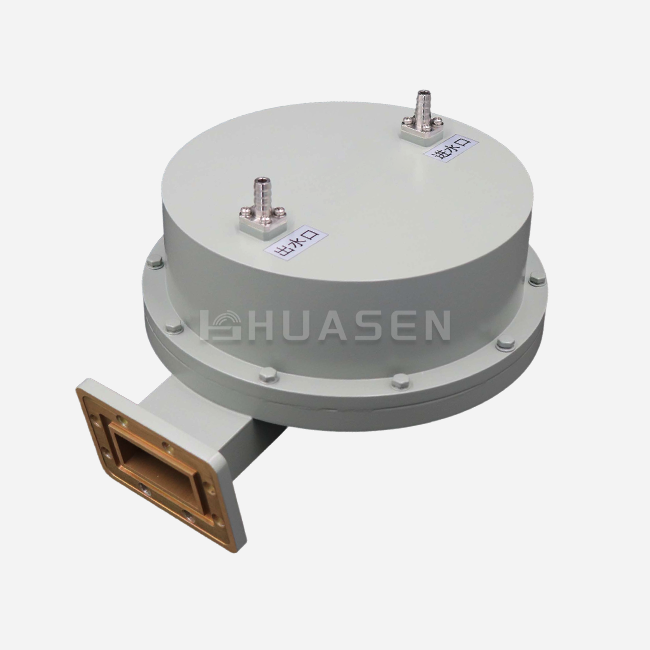
A Waveguide Sliding Short works by carefully moving a conductive slide along a waveguide transmission line. This changes the phase at which electromagnetic waves bounce. Engineers can actively tune impedance with this system, getting rid of mismatches that hurt signal quality. The Huasen Microwave Waveguide Sliding Short has VSWR ≥50 and works well for reflections across a wide frequency range, from 0.32 GHz to 112 GHz. This makes it an essential part of calibration and RF testing.
Understanding the Basics of Waveguide Sliding Short
Fundamental Structure and Components
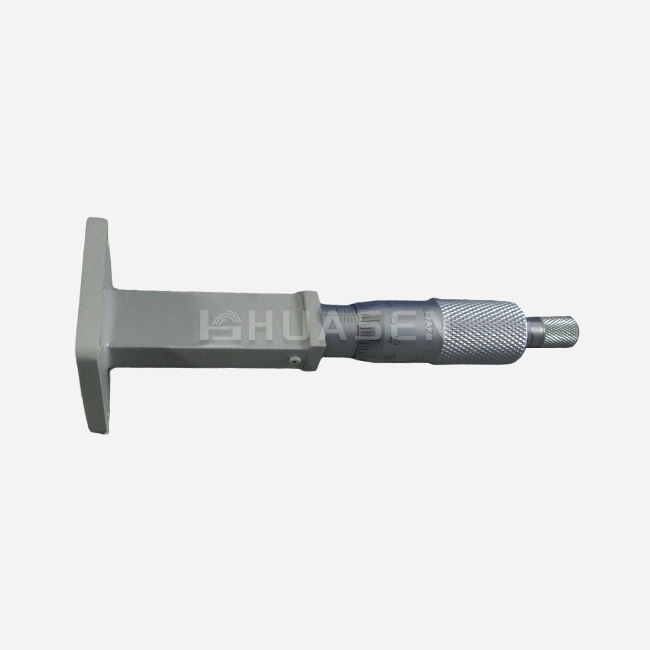
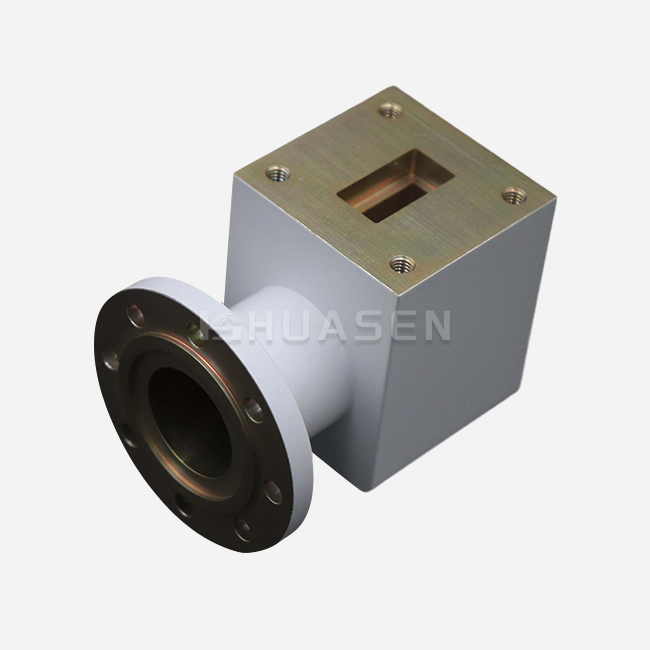
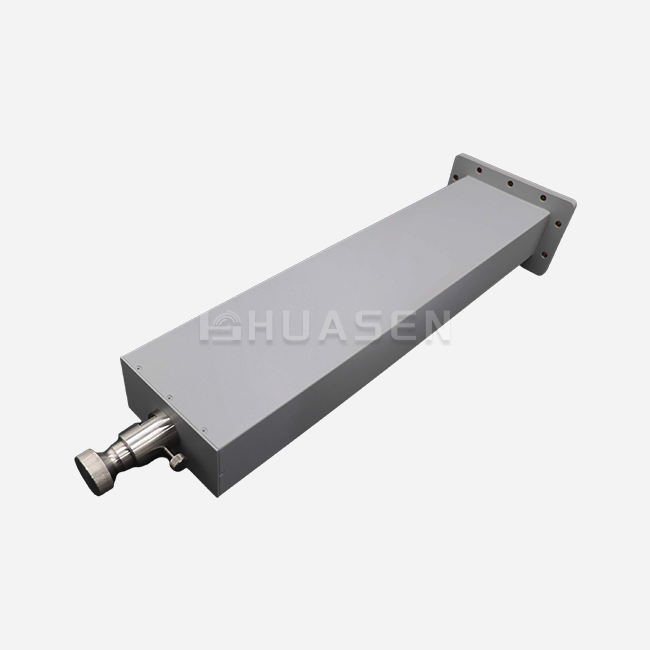
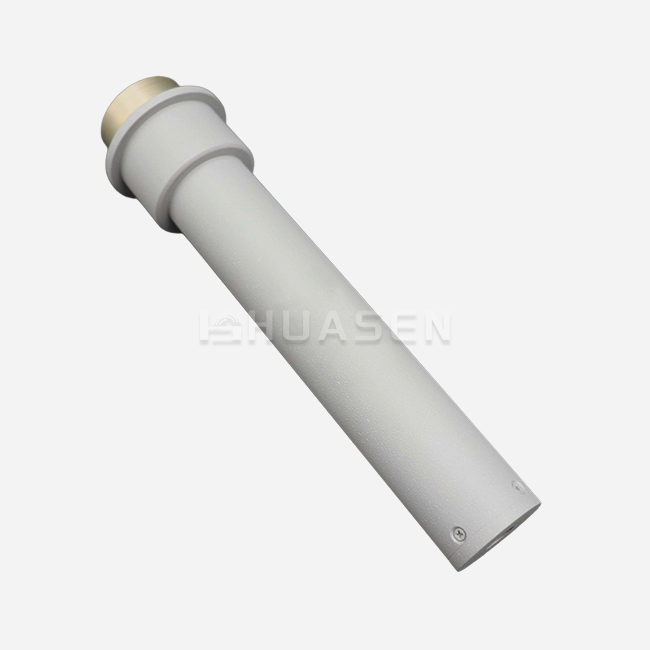
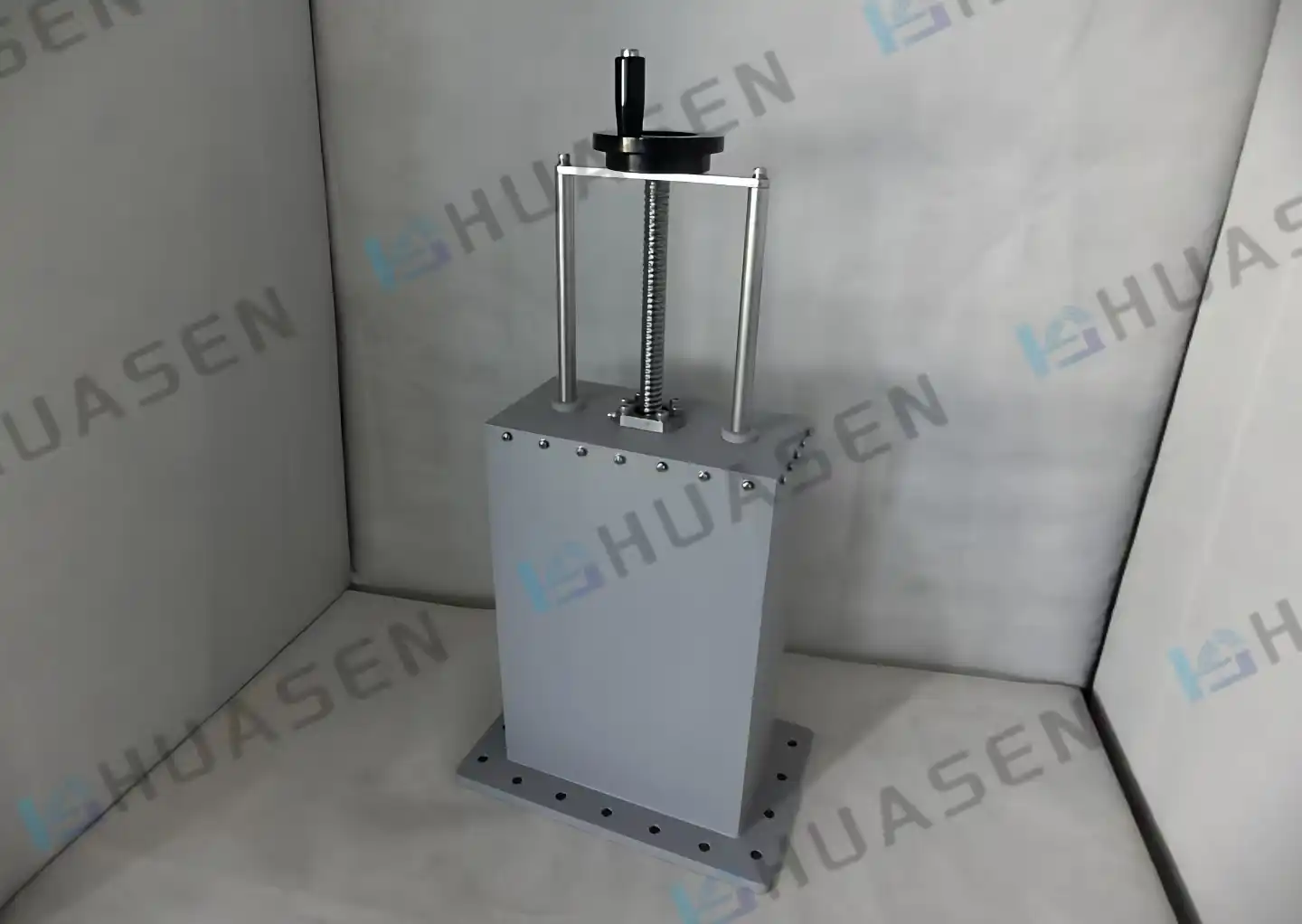
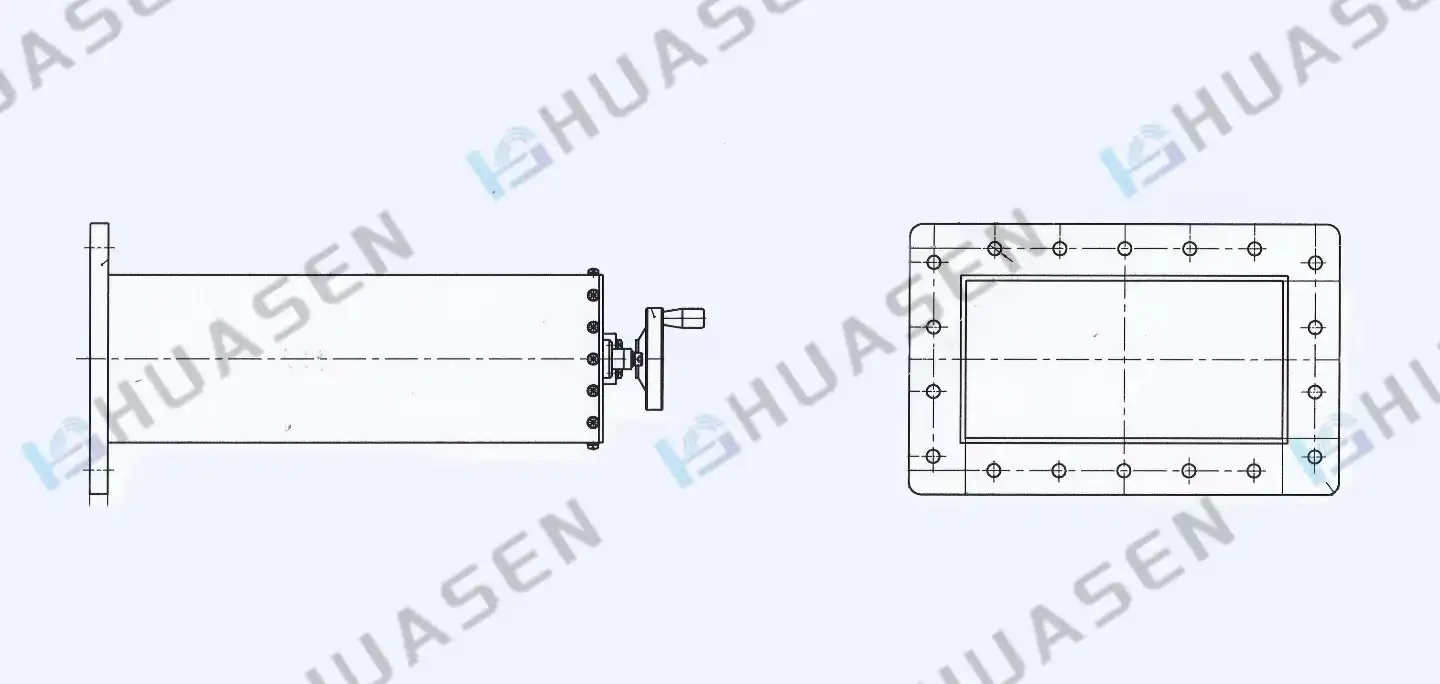
A Waveguide Sliding Short is made up of a precisely machined waveguide frame that holds a moving electrical plunger or piston. At different points inside the waveguide, this plunger makes an electrical short circuit. High-quality units have RF choke designs that don't touch, so there is no actual metal-on-metal friction. This stops wear debris and keeps the electrical performance stable over thousands of tuning cycles. The mechanism is controlled by a micrometer, which lets you fine-tune the position. Depending on the purpose, the moving distance can be changed from 10 mm to 300 mm.
Operating Principle
Controlling the reflections of electromagnetic waves is how the gadget works. When radio frequency energy moves through the waveguide and hits the plunger's short circuit, it completely bounces back. Engineers change the length of the electrical line between the reference plane and the short circuit point by moving the lever. This change changes the phase angle of the wave that is mirrored in relation to the wave that is incident. Because they can be controlled by phase, these parts are very useful for making sure that the resistance conditions are just right for measuring and tuning operations.
Technical Specifications
With a frequency range of 0.32 GHz to 112 GHz, the Huasen Microwave Waveguide Sliding Short can be used for a wide range of uses, from L-band to W-band. The high reflection standard of VSWR ≥50 makes sure that there is almost no insertion loss at the short circuit plane and almost perfect reflection. For lower frequencies, waveguides of size WR-2300 are used, and for millimeter-wave bands, waveguides of size WR-10 are used. For continuous wave uses, they can usually handle up to kilowatts of power, which is a lot more than coaxial alternatives. They can also handle higher temperatures better in high-power settings like radar transmitter tuning and industrial heating systems.
Core Principles and Design Considerations
Electromagnetic Reflection Mechanism
Understanding the science behind how waveguides work makes it clear why Waveguide Sliding Short works so well. Electromagnetic waves move through waveguides in certain ways that depend on the size and frequency of the waveguide. When these waves hit the metallic plunger, the electric field at the metal surface goes away because of the boundary Waveguide Shortconditions. This is called total reflection. The reflecting coefficient is getting close to one (|Γ| ≈ 1), which means that almost all of the power that comes in goes back toward the source. The distance between the measurement reference line and the plunger point determines the phase angle of this reflection, which is the most important factor.
Tuning Process
By moving the piston, engineers can change the resistance and make standing wave patterns with certain properties. Standing waves happen when waves that hit something and waves that hit something else interfere with each other. You can change the response part of the resistance seen at the reference plane by changing the position of the plunger. At the working frequency, moving the button by a quarter wavelength changes the phase by 180 degrees, going back and forth between capacitive and inductive reactances. If the Waveguide Sliding Short is used as part of a tuning stub setup or as a changeable standard during Vector Network Analyzer calibration processes, this feature can precisely get rid of reflections.
Design Considerations
Electrical success is based on how precise the mechanics are. Linear bearings and precision-ground surfaces in high-quality Waveguide Sliding Short make sure that the plunger moves smoothly and without any wobbling. The choice of materials has a big effect on how long something lasts and how well it conducts electricity. Oxygen-free copper or aluminum metals with silver or gold finishing are great for this because they don't rust. To keep the loss low across the working frequency range, the choke design needs careful engineering. Huasen Microwave uses advanced manufacturing methods, such as precise CNC machining and careful dimensional checking, to make sure that mechanical limits lead to expected electrical performance. Different types of applications can use different customization choices. Engineers can choose from different frequency bands, flange types (from normal UG flanges to military MIL-spec configurations), mounting orientations, and plunger movement distances. Environmental protection choices include pressurization ports for use in space or high altitudes, thermal management features for places with very high or low temperatures, and protective coatings for use in salty or corrosive environments.
Installation Best Practices
When installed correctly, devices work better, and measurements are more accurate. Before connecting, make sure that all of the matching surfaces are clean and free of any oxidation or dirt that could stop the electricity from flowing. To make sure the pressure is spread out evenly and the parts don't warp, torque flange screws according to the manufacturer's instructions in a star design. Orient the device according to the needs of the system, taking into account how gravity will affect the movement of the plunger in setups that aren't straight. After setting up, use network analysis tools to do a verification run to make sure it works right across the frequency range that was intended. Write down the electrical zero point for future calibration tasks.
Comparative Analysis: Waveguide Sliding Short vs Other Solutions
Fixed Shorts vs Sliding Shorts
With fixed waveguide shorts, there is a constant short circuit at a set point. This makes things easier and cheaper. However, they can't be changed—once they're put, the electrical properties stay the same. Engineers can handle changes in frequency, account for component tolerances, and do multi-frequency calibrations with a single device thanks to Waveguide Sliding Short's greater flexibility. Buying good Waveguide Sliding Short at the start saves a lot of time and improves the accuracy of measurements in labs where measuring conditions change all the time. This is because you don't have to keep a collection of many fixed shorts of different lengths.
Coaxial Shorts and Terminations
Coaxial devices are most common in lower-frequency uses, such asWaveguide Short,because they are easy to use and have a wide range of connectors. There are coaxial Waveguide Sliding Short, but they have a lot of problems. Power handling drops by a huge amount—typically, cable shorts happen at a rate of tens of watts instead of kilowatts. With special connections, frequency coverage is limited to about 50 GHz, which means that millimeter-wave uses can't be used. Waveguide options work better in high-power, high-frequency situations where coaxial solutions don't always work. On the other hand, waveguide components are bigger and heavier, which makes them less useful for portable uses but perfect for stable installs and lab reference standards.
Stub Tuners and Iris Tools
Another way to match the resistance is with stub tuners, which add reactive parts that can be adjusted to certain points along a transmission line. Even though they work, they usually have a smaller tuning range than Waveguide Sliding Short and add some insertion loss where the tuning element is located. Iris devices use openings that can be changed to control impedance, but they also change the magnitude and phase features at the same time, which makes control less precise. Waveguide Sliding Short keeps the reflection magnitude close to unity while controlling the phase separately. This makes the tuning behavior more reliable and consistent, which is especially helpful for precise calibration work.
Real-World Applications and Benefits
VNA Calibration and Metrology
Waveguide Sliding Short is used as a reflection standard in TRL (Thru-Reflect-Line) and LRL (Line-Reflect-Line) calibration methods in metrology labs. These multilined calibration methods make it possible to accurately remove fixtures and plugs, which is very important for characterizing semiconductor devices. The slide function lets you check the stability of the calibration method by measuring at different plunger positions and making sure that the error term calculation is correct. National measurement centers and approved calibration labs around the world require Waveguide Sliding Short with accurate measurements that can be tracked back to international standards. This is done to keep measurement chains that connect customer measures to those standards.
Load-Pull and Source-Pull Testing
To make an RF amplifier, you need to figure out how well transistors work in different resistance situations. The device being tested is given complex impedances by mechanical impedance tuners that are built around a Waveguide Sliding Short. This lets engineers map power curves, gain circles, and efficiency regions. Because it can handle a lot of power, it can test the high-power transistors that are used in base station power amps and radar emitters. These measurement methods help companies that are making GaN (Gallium Nitride) and GaAs (Gallium Arsenide) devices get their plans just right before they spend a lot of money on expensive production tools.
High-Power System Tuning
At high power levels, impedance mismatches cause dangerous voltage standing wave ratios that can damage costly parts in radar sites, industrial microwave heating systems, and broadcast emitters. Waveguide Sliding Short works as a reactive piece that can be adjusted. This lets field workers get rid of reflections and send as much power as possible to antennas or applicators. The strong metal design can handle high power levels and the rough conditions that you'll find in outdoor sites and factories.
Benefits Summary
Bottom-line gains are directly linked to the benefits these gadgets offer. Better tuning accuracy lowers measurement error, which lets designers use tighter limits and makes the product work better. Operational flexibility gets rid of the need to keep a lot of different parts on hand—a single quality Waveguide Sliding Short can be used instead of many set standards, which frees up capital that would have been used to buy test equipment. Long-term longevity means that units that are properly kept will stay in use for decades, giving you a great return on your investment. Reliable, predictable performance cuts down on downtime because it gets rid of the need to spend time fixing measurement artifacts caused by worn or dirty standards.
Procurement Guide for Waveguide Sliding Shorts
Selection Criteria
To find the right Waveguide Sliding Short, you must first be very clear about your technical needs. Frequency range compatibility is the most important thing—the device must cover your whole operating band with the right waveguide size. Check that the normal waveguide band name (WR-284, WR-90, WR-28, etc.) works with the equipment in your system. How much power you need depends on what you're using it for. For example, small amounts of power are needed for testing, while kilowatts are needed for radio tuning. The level of mechanical precision affects the uncertainty of the measurement. For example, laboratory standards need higher-grade micrometer devices that can accurately measure position. Operating factors in the environment affect the choice of materials and protection features. Standard finishes are fine for lab equipment used inside, but outdoor telecoms gear needs coatings that don't rust and waterproof covers. Specification choices are based on high temperatures, vibration exposure, and humidity levels. Interface compatibility is important, so make sure that the types of flanges, mounting options, and physical measures work well with the tools you already have. Delivery times,Waveguide SlidingShort,andthe availability of technical help round out the buying picture, especially for custom setups that need engineering advice.
Reputable Manufacturers
Pasternack is one of the best companies in its field; it offers standard setups that can be shipped quickly and at a fair price for business use. Military and aircraft standards are met by Teledyne's high-reliability units, which are backed by a lot of qualification testing and paperwork. Copper Mountain Technologies makes VNA calibration standards that are guaranteed to be accurate in all dimensions and come with a lot of calibration data. Huasen Microwave Technology has been making RF components for more than 30 years and offers reasonable prices, the ability to customize Waveguide Sliding Short, and quick expert support. We've been in business since 1993 and have strict quality systems that are approved to meet international standards. This makes sure that our products are always reliable and that the supply chain stays stable, which is important for production plans.
Purchasing Options
Standard store items usually ship within days to weeks and work with common frequency bands and standard specs. Custom production can meet unique needs like non-standard flanges, longer plunger motion, or environmental hardening. Delivery times can take up to 12 weeks, based on how complicated the order is. System integrators who are setting up multiple sites or making test systems can save money by getting in bulk. Volume price systems take into account lower costs per unit of production and better handling. Many sellers offer sample evaluation programs that let you try the Waveguide Sliding Short before committing to large amounts. This lowers the risk of procurement, especially when you are looking at new vendors.
Conclusion
Waveguide Sliding Short is very important for matching impedance and calibrating in the research, defense, aircraft, and telecommunications industries. They are essential tools for engineers who want to improve the performance of RF systems because they can exactly control the reflection phase while keeping the reflection size high. Knowing how it works, what to think about when designing it, and what the application needs lets you make smart procurement choices that match technical performance with budget facts. As communication systems move toward higher frequencies and tighter performance standards, it becomes clearer how important it is to use high-quality precision parts made by makers with a lot of experience. Buying Waveguide Sliding Short from reputable sources with the right specs will pay off in the long run by improving measurement accuracy, making the system more reliable, and lowering the costs over its entire life.
FAQ
1. How do I figure out which frequency band is best for my use?
Match the waveguide band name to the frequencies you want to use. The cutoff frequency for each standard rectangular waveguide size is based on the frequency range it covers. For example, WR-90 covers the X-band (8.2-12.4 GHz), WR-62 covers the Ku-band (12.4-18 GHz), and smaller numbers go into the millimeter-wave spectrum. Choose a size so that your frequencies are easily within the recommended working range. Don't operate too close to the cutoff point, as this will cause performance to drop.
2. What kinds of upkeep make an item last longer?
Keep the inside areas very clean—dust and metal bits can cause arcing and lower performance. Lubricants change the electrical properties of the waveguide and draw contaminants, so they should never be put inside it. Check the mechanical zero point on a regular basis using VNA readings to find any changes in dimensions. To stop rust, keep units in controlled settings with low humidity. Be careful when handling flanges so you don't damage them in a way that makes sealing and electrical contact impossible.
3. Can one unit handle more than one waveguide band?
No, waveguide science tells us how to design for specific bands. Mode transmission limits mean that each waveguide size can only handle the frequencies that are listed for it. For multi-band systems to work, each frequency band needs its own Waveguide Sliding Short. Some sellers offer savings if you buy a lot of units at once.
Partner with Huasen Microwave for Precision Impedance Solutions
Through 30 years of specialized production knowledge, Huasen Microwave Technology makes Waveguide Sliding Short that are the best. Our wide frequency range (0.32 GHz to 112 GHz), excellent VSWR performance (≥50), and adjustable sliding lengths of up to 300 mm give your applications the freedom they need. We know that buying things from a business-to-business (B2B) company requires more than just product specs. You need quick expert support, the ability to make changes, cheap pricing, and dependable delivery promises. Our engineering team works with you to find the best design for your system needs, whether you're looking for parts for research instruments, 5G infrastructure, or military projects. Get in touch with our experts at sales@huasenmicrowave.com to talk about your impedance matching problems and get a full quote. As a well-known company that makes Waveguide Sliding Short, we mix high-quality production with personal service to make sure that your order goes smoothly from the specifications to delivery and beyond.
References
1. Pozar, David M. (2011). Microwave Engineering (4th ed.). Hoboken: John Wiley & Sons.
2. Collin, Robert E. (2001). Foundations for Microwave Engineering (2nd ed.). New York: McGraw-Hill.
3. Baden Fuller, A.J. (1990). Microwaves: An Introduction to Microwave Theory and Techniques (3rd ed.). Oxford: Pergamon Press.
4. Harvey, A.F. (1963). Microwave Engineering. London: Academic Press.
5. Rizzi, Peter A. (1988). Microwave Engineering: Passive Circuits. Englewood Cliffs: Prentice Hall.
6. Saad, Theodore S. (1971). Microwave Engineers' Handbook (Vol. 1). Dedham: Artech House.
Send Inquiry