How to suppress reflection in near field measurement probe?






2026-02-19 21:31:24
Suppressing reflection in near field measurement probes requires implementing impedance matching techniques, utilizing high-quality absorbing materials, and optimizing probe geometry to minimize signal bounce-back. The Measurement Probe design must incorporate precision-engineered waveguide structures with superior return loss characteristics, typically achieving VSWR values below 1.2:1 across operational frequencies. Advanced probe architectures feature carefully calculated aperture dimensions and specialized coatings that absorb unwanted reflections while maintaining signal fidelity for accurate near-field data acquisition.
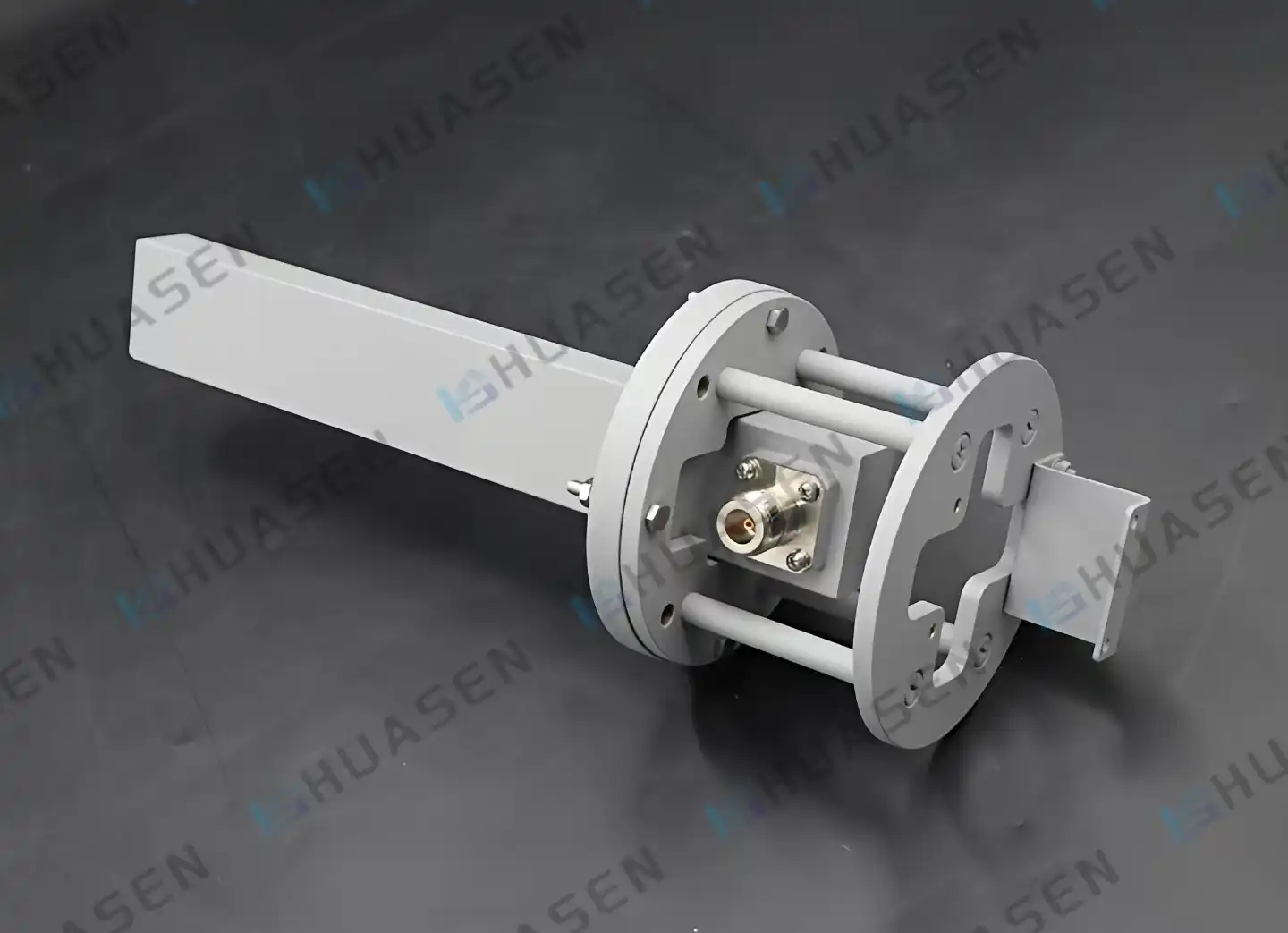
Introduction
In current electronics testing labs, where signal accuracy determines product quality and compliance standards, near-field measurement probes are used as precise tools. Engineers can use these high-tech tools to collect electromagnetic field data in the Fresnel region of antennas and RF components. This is very useful for 5G/6G base stations, satellite communications, and radar systems. When testing high-frequency uses from 0.49GHz to 112GHz, where even small signal distortions can ruin measurements, reflection suppression becomes the most important problem. Purchasing managers who are in charge of antenna testing facilities are under more and more pressure to get accurate readings while keeping costs low. Choosing the right near-field probes has a direct effect on measurement error budgets and the performance of the whole system. Understanding how reflection suppression works helps you judge technical specs better and makes sure that purchases are in line with strict testing standards in the defence, aircraft, and telecommunications industries.
Understanding Reflection in Near-Field Measurement Probes
Reflection phenomena in near-field probes originate from impedance discontinuities along the signal transmission path, creating unwanted signal bounce-back that corrupts measurement data. When electromagnetic waves encounter sudden changes in characteristic impedance, portions of the signal energy reflect toward the source rather than propagating through the probe aperture. These reflections manifest as standing wave patterns that introduce amplitude and phase errors in captured field data.
Physical Causes of Reflection in Probe Systems
The primary sources of reflection include connector transitions, waveguide discontinuities, and aperture design imperfections. Standard connector interfaces such as K, SMA-K, and 2.92-K connectors require precise mechanical tolerances to maintain impedance continuity across frequency bands. Manufacturing variations in waveguide dimensions can create local impedance variations that generate reflections, particularly problematic in broadband applications spanning multiple octaves. Environmental factors also contribute to reflection issues, including temperature-induced dimensional changes and mechanical stress from probe positioning systems. Cable flexure during scanning operations can alter transmission line characteristics, introducing time-varying reflection coefficients that degrade measurement repeatability. Understanding these mechanisms enables procurement teams to specify environmental requirements and mechanical design criteria that minimize reflection-induced errors.
Impact on Measurement Accuracy
Reflection-induced errors manifest as ripples in frequency response measurements and phase uncertainty in near-field data acquisition. Cross-polarization isolation performance degrades when reflections create spurious coupling between orthogonal field components, affecting the accuracy of polarization measurements. The resulting measurement uncertainty can exceed acceptable limits for critical applications such as satellite payload testing and 5G massive MIMO characterization.
Principles and Techniques to Suppress Reflection in Near-Field Probes
Effective reflection suppression relies on fundamental electromagnetic principles applied through careful mechanical design and material selection. Impedance matching techniques ensure smooth signal transitions from coaxial feeds through waveguide sections to probe apertures. Gradual transitions replace abrupt discontinuities, allowing electromagnetic energy to propagate efficiently without generating reflections at interface boundaries.
Advanced Impedance Matching Strategies
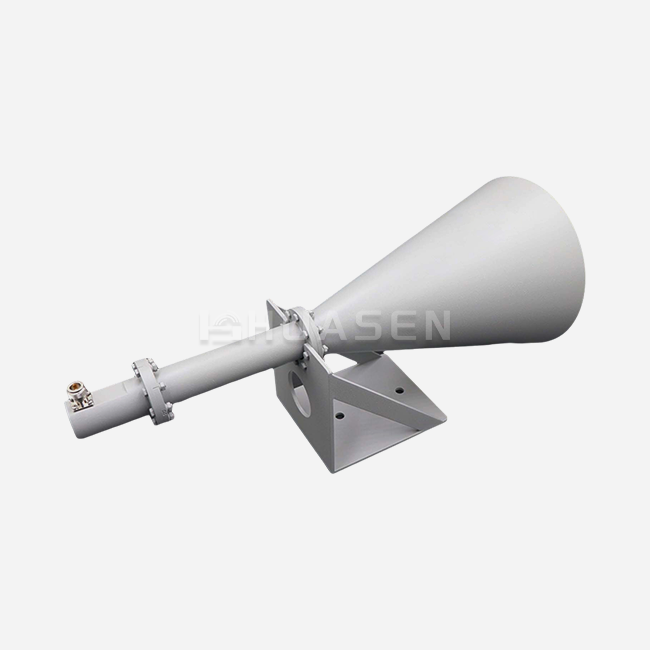
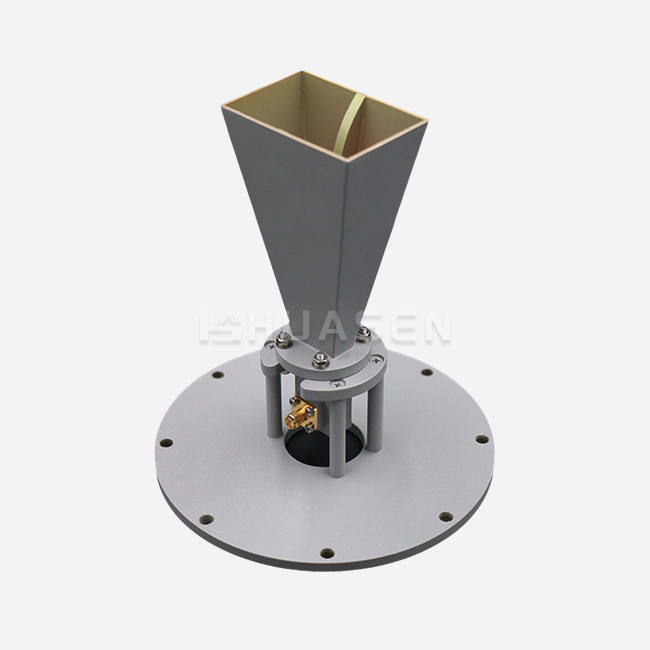
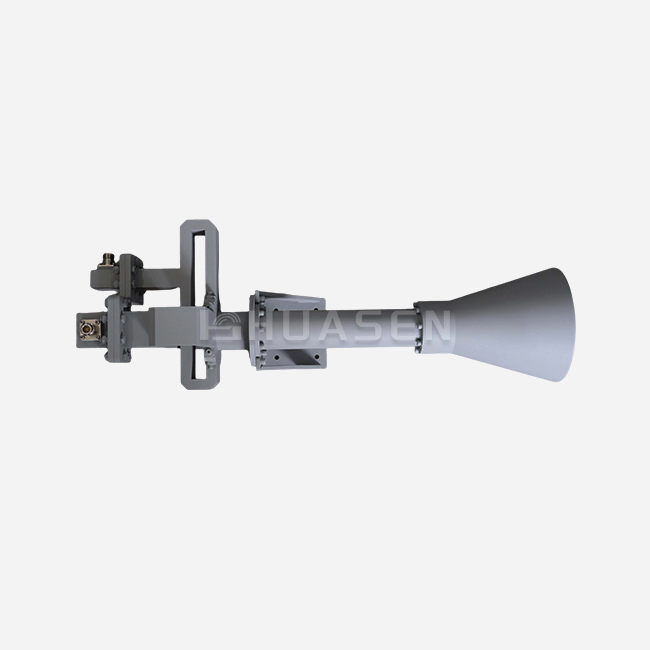
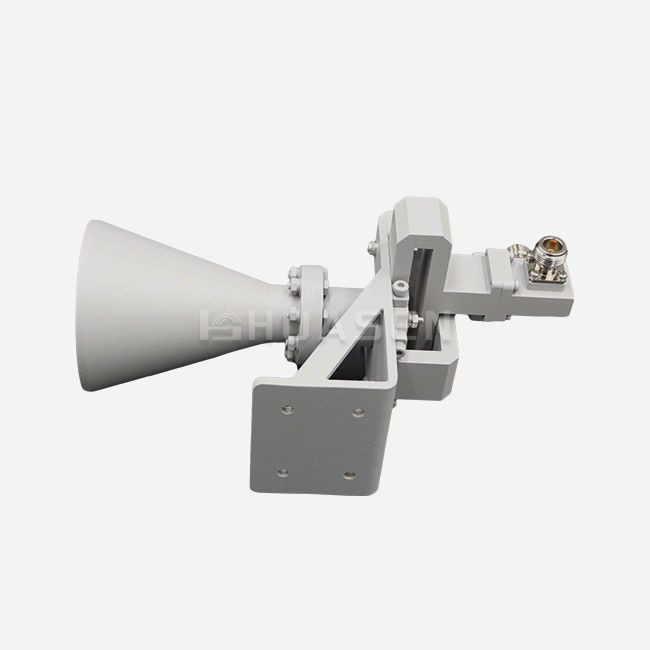
Modern probe designs implement tapered transitions and stepped impedance transformers to achieve broadband matching across extended frequency ranges. The dual-polarization near-field measurement probe (WOEWDP) utilizes sophisticated orthomode transducers that separate orthogonal polarizations while maintaining excellent return loss performance. These designs achieve cross-polarization isolation exceeding 25dB while suppressing reflections through careful optimization of transition geometries. Absorption materials play a crucial role in eliminating residual reflections that cannot be prevented through design optimization alone. Strategic placement of microwave absorbers near potential reflection sources provides additional suppression without compromising probe sensitivity. The waveguide termination feed (WOEWPE) incorporates matched loads that absorb unwanted signal components while preserving measurement signal integrity.
Calibration and Maintenance Protocols
Routine calibration procedures verify reflection suppression performance and identify degradation trends that could affect measurement accuracy. Vector network analyzer sweeps across operational frequency bands, confirms return loss specifications, and detects emerging reflection issues before they impact measurement quality. Proper maintenance protocols include visual inspection of probe apertures for damage and verification of connector torque specifications to maintain impedance continuity. The establishment of calibration schedules based on usage patterns and environmental exposure ensures consistent probe performance throughout operational lifecycles. Documentation of reflection measurements provides traceability to measurement standards and supports quality assurance programs required for aerospace Antenna Probe and defense applications.
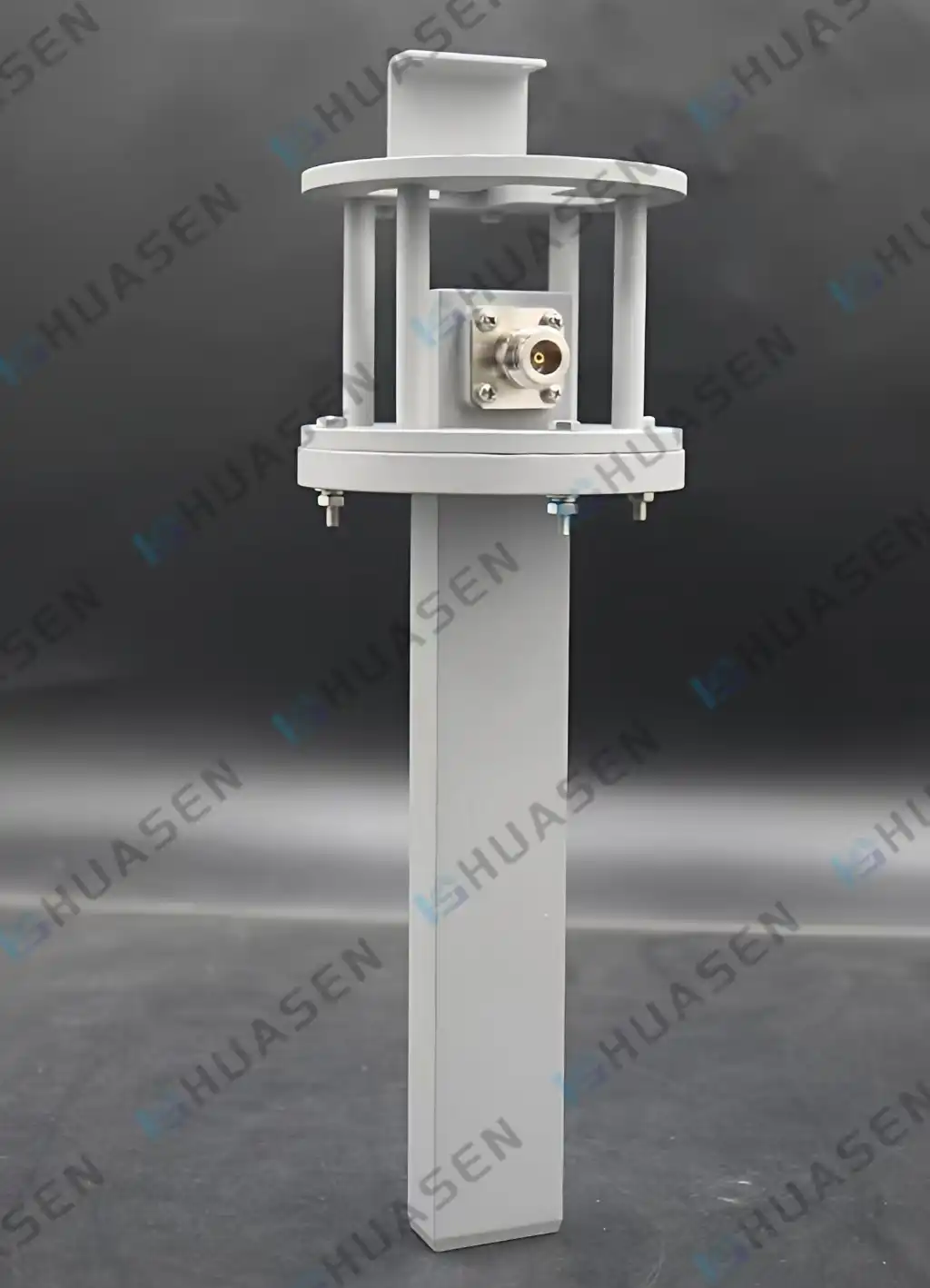
Comparative Overview of Measurement Probe Types in Relation to Reflection Control
Different probe architectures exhibit varying reflection characteristics based on their fundamental design principles and intended applications. Understanding these differences enables procurement professionals to select optimal probe types for specific measurement requirements while balancing performance against cost considerations.
Waveguide-Based Probe Technologies
The orthogonal feed (WOEWP) design provides excellent reflection suppression through its fundamental waveguide geometry, which naturally supports pure electromagnetic modes without higher-order mode excitation. This architecture achieves superior return loss performance compared to coaxial-based alternatives, making it ideal for precision measurements requiring minimal uncertainty. The waveguide orthogonal feed Type I (WOEWPI) extends these advantages to specialized applications requiring enhanced polarization purity. Broadband near-field measurement probe (WBOEWP) designs face additional challenges in maintaining consistent reflection suppression across extended frequency ranges. These probes implement sophisticated matching networks that compensate for frequency-dependent impedance variations while preserving measurement accuracy. The engineering complexity required for broadband operation often results in higher procurement costs but provides operational flexibility for multi-band testing applications.
Coaxial and Hybrid Architectures
The coaxial symmetric dipole (COECP) offers compact packaging and flexible installation options while maintaining acceptable reflection performance for many applications. These designs excel in space-constrained installations where waveguide-based alternatives cannot be accommodated. However, the inherent limitations of coaxial-to-free-space transitions require careful evaluation of reflection specifications to ensure measurement requirements are satisfied. Hybrid probe architectures combine the advantages of different technologies to optimize reflection suppression for specific applications. These designs balance performance, cost, and mechanical constraints to deliver optimal solutions for demanding measurement environments. Procurement evaluation should consider the total cost of ownership, including calibration requirements and long-term stability characteristics.
Case Studies and Practical Applications
Real-world implementation of reflection suppression techniques demonstrates the practical benefits achievable through proper probe selection and system optimization. Analysis of successful deployments provides valuable insights for procurement decisions and establishes performance benchmarks for comparison purposes.
5G Base Station Testing Implementation
A major telecommunications equipment manufacturer implemented advanced Antenna Probe near field probes for 5G massive MIMO testing, achieving measurement uncertainty improvements of 0.3dB through enhanced reflection suppression. The deployment utilized dual-polarization probes with integrated calibration capabilities, enabling automated testing sequences while maintaining strict accuracy requirements. The reflection suppression performance enabled the detection of subtle beam-forming errors that were previously masked by measurement uncertainty. The economic impact of improved reflection control included reduced test time and enhanced product quality, resulting in measurable improvements in customer satisfaction metrics. The procurement decision process emphasized long-term reliability and supplier support capabilities, recognizing the critical role of measurement accuracy in competitive telecommunications markets.
Satellite Communications Testing Case Study
Aerospace applications demand exceptional reflection suppression performance due to the high-gain antennas and precise beam-pointing requirements characteristic of satellite communications systems. Implementation of specialized waveguide probes with enhanced absorption materials achieved cross-polarization isolation exceeding 40dB while maintaining low reflection coefficients across Ka-band frequencies. These performance levels enabled accurate characterization of satellite payload antennas within compact test facilities. The success factors included careful supplier qualification processes that verified the reflection performance under environmental stress conditions. The procurement strategy emphasized technical support capabilities and calibration service availability to maintain measurement traceability throughout operational lifecycles. Cost justification relied on the elimination of expensive outdoor test ranges and improved test schedule predictability.
Supplier and Procurement Insights for High-Quality Measurement Probes
Successful procurement of high-performance near-field probes requiresa comprehensive evaluation of supplier capabilities, technical specifications, and long-term support commitments. The complexity of reflection suppression technologies demands careful assessment of manufacturing quality and design expertise to ensure procurement objectives are achieved.
Technical Specification Evaluation
Procurement specifications should emphasize reflection performance parameters, including return loss, cross-polarization isolation, and frequency coverage characteristics. Verification of these specifications requires access to calibrated test facilities and measurement traceability documentation. Suppliers should provide detailed reflection measurement data across operational frequency ranges, including performance under environmental stress conditions. Qualitycertifications and compliance with relevant standards demonstrate supplier commitment to consistent manufacturing processes. ISO 9001 certification indicates established quality management systems, while specific RF testing standards verify technical competence in probe design and manufacturing. These qualifications provide confidence in long-term performance stability and measurement repeatability.
Supplier Relationship Management
Establishing partnerships with qualified suppliers enables access to technical expertise and customization capabilities that support specific application requirements. Long-term relationships provide priority access to new technologies and enhanced support services that improve operational efficiency. Supplier evaluation should include an assessment of engineering support capabilities and responsiveness to technical inquiries. Cost optimization through strategic procurement practices includes evaluation of volume pricing structures and bundled service offerings. Bulk purchasing arrangements can provide significant cost advantages while ensuring consistent product availability for ongoing measurement programs. These relationships also facilitate access to technical training and calibration services that maintain measurement quality throughout probe lifecycles.
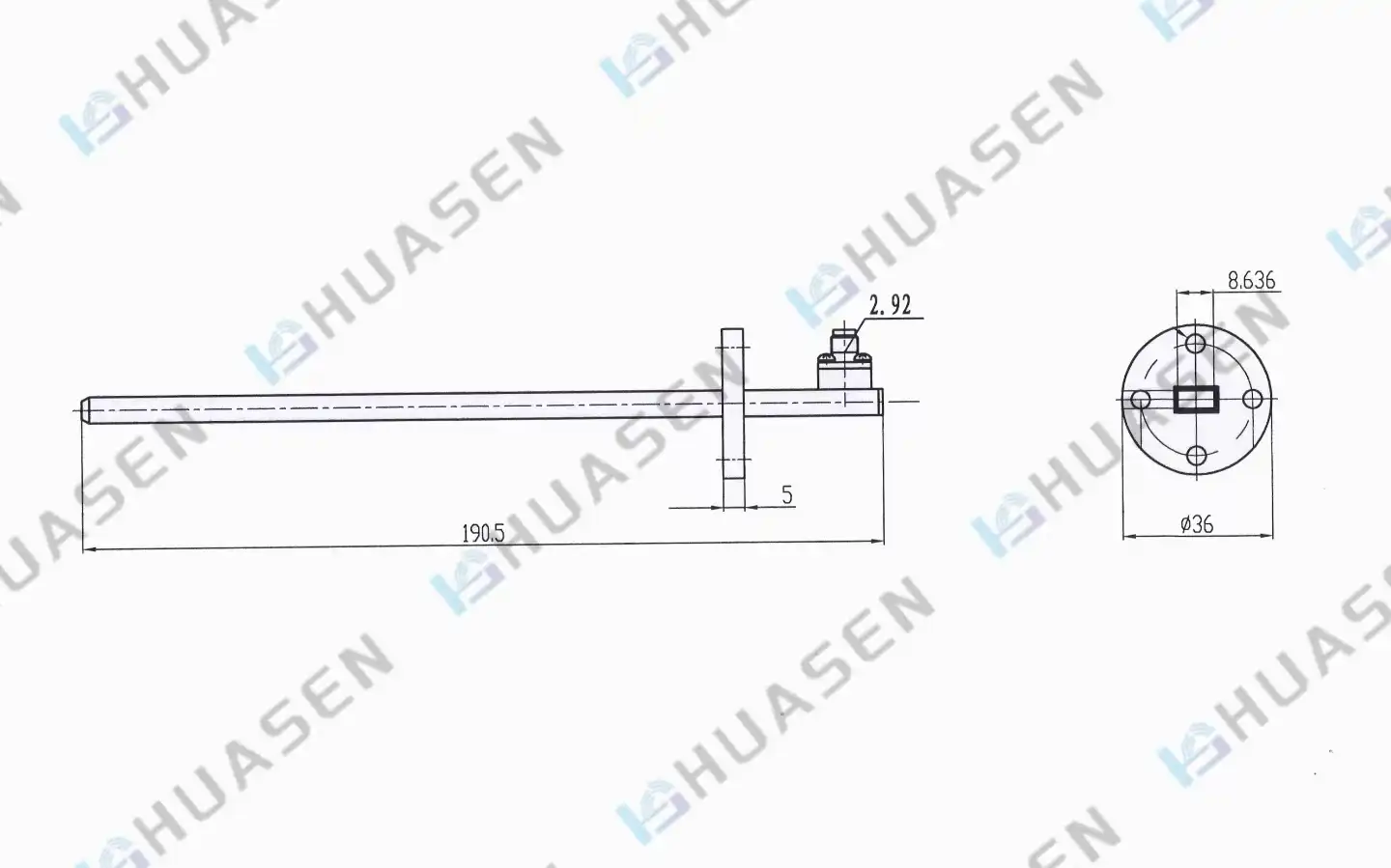
Conclusion
Effective reflection suppression in near-field measurement probes requires a comprehensive understanding of electromagnetic principles, careful evaluation of probe technologies,measurement probes,and strategic supplier relationships. The selection of appropriate probe architectures directly impacts measurement accuracy and operational efficiency across critical applications, including 5G communications, satellite systems, and radar technologies. Procurement professionals must balance technical performance requirements against cost constraints while ensuring long-term measurement capability sustainability. Success depends on thorough evaluation of reflection performance specifications, supplier capabilities, and total cost of ownership considerations that support organizational measurement objectives.
FAQ
1. What are the primary methods for suppressing reflection in measurement probes?
The most effective methods include impedance matching through tapered transitions, strategic placement of absorbing materials, and optimized probe aperture designs. Precision manufacturing maintains dimensional tolerances that preserve impedance continuity throughout signal paths. Regular calibration procedures verify reflection suppression performance and identify potential degradation issues.
2. How does probe reflection affect cross-polarization measurements?
Probe reflections can couple energy between orthogonal polarization channels, degrading isolation performance and introducing measurement errors. High-quality probes achieve cross-polarization isolation exceeding 25dB through careful design optimization and reflection suppression techniques. This performance level ensures accurate characterization of antenna polarization properties.
3. What frequency range considerations affect reflection suppression design?
Broadband probe designs spanning 0.49 to 112GHz face significant challenges in maintaining consistent reflection performance across multiple frequency decades. Matching networks must accommodate frequency-dependent impedance variations while preserving measurement accuracy. Higher frequencies require tighter dimensional tolerances and specialized connector technologies to achieve acceptable reflection levels.
4. How often should near-field probes be calibrated for optimal reflection performance?
Industry best practices recommend annual calibration verification with more frequent monitoring based on usage intensity and environmental exposure. Critical applications may require quarterly verification of reflection parameters to maintain measurement traceability. Documented calibration procedures should include return loss measurements across operational frequency ranges.
5. What role do connector specifications play in reflection suppression?
Connector quality significantly impacts overall reflection performance, particularly at higher frequencies where mechanical tolerances become critical. Standard connector types, including K, SMA-K, and 2.92-, require precise manufacturing and proper torque specifications to maintain impedance continuity. Connector degradation represents a common source of reflection performance degradation over time.
Contact Huasen Microwave for Superior Measurement Probe Solutions
Huasen Microwave Technology delivers cutting-edge near-field measurement probe solutions engineered to minimize reflection and maximize measurement accuracy across demanding RF applications. Our comprehensive product portfolio includes orthogonal feed probes, dual-polarization systems, measurement probes,and broadband measurement solutions spanning 0.49 to 112GHz with superior cross-polarization isolation exceeding 25dB. As a trusted Measurement Probe manufacturer with over three decades of expertise, we provide customized solutions that address specific reflection suppression requirements while maintaining cost-effective procurement strategies. Connect with our technical specialists at sales@huasenmicrowave.com to explore advanced probe technologies that enhance your measurement capabilities and discover why leading organizations worldwide rely on Huasen Microwave for precision RF solutions.
References
1. IEEE Standard 149-2021, "IEEE Recommended Practice for Antenna Measurements," Institute of Electrical and Electronics Engineers, New York, 2021.
2. Balanis, Constantine A., "Antenna Theory: Analysis and Design, Fourth Edition," John Wiley & Sons, Hoboken, New Jersey, 2016.
3. Hansen, Jeppe Ødum, "Spherical Near-Field Antenna Measurements," The Institution of Engineering and Technology, London, United Kingdom, 2020.
4. Gregson, Stuart F., McCormick, John, and Parini, Clive G., "Principles of Planar Near-Field Antenna Measurements," The Institution of Engineering and Technology, London, United Kingdom, 2007.
5. Joy, Edward B., and Paris, Demetrius T., "Spatial Sampling and Filtering in Near-Field Measurements," IEEE Transactions on Antennas and Propagation, Volume 20, Number 3, May 1972.
6. Yaghjian, Arthur D., "An Overview of Near-Field Antenna Measurements," IEEE Transactions on Antennas and Propagation, Volume 34, Number 1, January 1986.
Send Inquiry