How to Prevent Lens Degradation of Lens Horn Antenna in Outdoor Environments?






2026-03-09 22:49:54
Keep lenses from breaking down in outdoor lenses. For antenna systems to work properly, Lens Antenna, they need to be made of the right materials, have protection coatings put on them, and be maintained regularly. UV rays, changing temperatures, moisture, and other contaminants in the environment can damage lenses and make antennas less effective. Taking precautions like using hydrophobic treatments, radome enclosures, and regular checks can make operations last longer while keeping the best signal quality. Modern lens horn antennas use advanced dielectric materials and special coatings that keep their electromagnetic qualities, which are important for high-frequency uses, even when they are exposed to weather.
Understanding Lens Degradation in Outdoor Environments
Lens degradation represents a critical challenge affecting the performance and longevity of outdoor antenna systems. The phenomenon encompasses both physical deterioration and electromagnetic performance decline, directly impacting signal quality and system reliability.
Primary Environmental Stressors Affecting Antenna Performance
Lens antennas are subject to multiple degradation processes at the same time when they are outside. Ultraviolet light breaks down the polymer chains in dielectric materials, which makes them yellow, brittle, and changes their electrical qualities. When you change the temperature, thermal stress is created, which can cause tiny cracks and separation of layers in the lens. Infiltration of moisture lowers the security of the dielectric constant and raises the risk of corrosion for metal parts. More problems are caused by pollutants in the air, especially in industry settings where chemicals break down materials faster. When salt spray hits sites near the coast, it forms conductive deposits that change the way radiation patterns work and raise VSWR. These natural factors affect each other. For example, UV exposure can make materials more permeable to water and other contaminants.
Impact on Electromagnetic Performance
Performance degradation can be seen in a number of measurable factors that have a direct effect on the level of communication. When lens materials lose their electromagnetic properties or develop surface flaws, antenna gain goes down. Beam pattern distortion happens because the lens aperture wears down unevenly, making asymmetrical radiation features that make coverage less predictable. Changes in the material's properties or contamination of the surface can cause impedance mismatches, which are shown by return loss decline. Cross-polarization discrimination is harmed when lens surfaces aren't smooth or when stress inside the lens causes birefringent effects. If preventative steps aren't taken, these changes in performance will get worse over time and need to be replaced at some point.
Core Causes and Mechanisms of Lens Degradation
Understanding degradation mechanisms enables targeted lens horn prevention strategies that address root causes rather than symptoms. Material science principles govern how environmental exposure affects different lens components and their interaction with electromagnetic fields.
Material-Specific Degradation Pathways
Different lens materials have different patterns of weakness that affect how they should be chosen for different settings. PTFE-based glasses are very resistant to chemicals, but the surface can become chalky from UV light, which makes insertion loss worse. Rexolite materials are very clear, but they can get stress cracks when they are heated and cooled over and over again. Dielectrics made of polyethylene foam are light, but they can absorb water, which changes the dielectric constant numbers. Quartz glasses are very stable at high temperatures, but they need to be handled carefully so that they don't get damaged by vibrations or impacts. Knowing about these properties of the material helps engineers choose the right options for different deployment situations.
Mechanical and Structural Failure Modes
Problems with electromagnetic performance often start with physical damage. This is why checking the mechanical integrity is so important for preventive maintenance plans. Wind loading causes cyclic stress that can wear out mounting parts and make it out of alignment. If hail hits something, it could puncture polymer glasses and crack ceramic materials. Differences in the rates of thermal expansion between lens materials and housing parts can cause contact stress that makes sealing less effective. Small vibrations from nearby machines or traffic cause lines to slowly become less accurate, which is necessary to keep the beam accurate. These mechanical factors work with the surroundings to speed up the breakdown of the whole system.
Principles and Best Practices to Prevent Lens Degradation
Effective degradation prevention requires a systematic approach addressing material selection, protective measures, and operational procedures. Modern antenna designs incorporate multiple protection layers that work together to maintain long-term performance stability.
Advanced Material Selection Strategies
Contemporary lens antenna designs utilize materials specifically engineered for outdoor exposure resistance. Here are the core material advantages that enhance environmental durability:
- UV-stabilized polymers incorporate molecular additives that absorb harmful radiation before it can break down the base material structure, extending usable life by 300-500% compared to standard formulations
- Hydrophobic surface treatments create water-repelling interfaces that prevent moisture accumulation and reduce contamination adhesion while maintaining electromagnetic transparency
- Thermally matched composites minimize expansion stress by matching coefficients between lens materials and housing components, preventing mechanical failure under temperature cycling
These advanced materials significantly improve reliability in challenging outdoor environments. The combination of material science advances and protective treatments provides robust solutions for long-term deployment scenarios where replacement costs and accessibility constraints make reliability paramount.
Installation and Mounting Considerations
Proper installation techniques establish thelens horn foundation for thelens'slong-termperformance stability. Mounting systems must accommodate thermal movement while maintaining the precise alignment tolerances required for optimal beam characteristics. Drainage provisions prevent water accumulation that could freeze and damage lens structures. Cable entry sealing requires particular attention, as this interface often becomes the primary moisture ingress path. Environmental gaskets and strain reliefs must be selected for compatibility with both cable jackets and housing materials to prevent galvanic corrosion or stress concentration.
Maintenance Protocol Development
Setting regular maintenance plans based on how bad the environment is can help find degradation trends early on, before they have a big effect on performance. Visual checks can find problems like surface contamination, physical damage, or seal degradation that need to be fixed right away. Monitoring performance with VSWR readings gives a number-based evaluation of electrical features. To keep surfaces from getting scratches or chemical damage, cleaning methods must find a balance between getting rid of dirt and protecting them. Cleaning methods and products that have been approved keep surface coats in good shape while getting rid of buildups that could affect electromagnetic performance.
Real-World Case Studies and Product Solutions
Practical experience from challenging deployments demonstrates the effectiveness of comprehensive degradation prevention strategies. These examples illustrate how proper planning and execution deliver measurable performance benefits over extended operational periods.
Coastal Installation Success Story
A big cell phone company put Lens Antenna systems along the coasts of hurricane-prone areas, where salt spray and bad weather make things extra rough. Point-Focus Lens (PLHA) antennas with special coatings and better sealing systems made for marine conditions were used in the installation. After three years of use during several severe weather events, measurements of performance showed that the gain had dropped by less than 0.2 dB compared to the original specs. A wide range of materials, such as corrosion-resistant housing metals, hydrophobic lens treatments, and multiple sealing systems, led to the success. Small problems were found and fixed by regular repair procedures before they could affect how well the system worked.
Industrial Environment Deployment
Chemical processing plants have special problems because workers are exposed to toxic vapours and high temperatures. Pyramidal Horn Lens antennas needed special materials and safety systems to work well in these conditions, so they could keep up reliable communication links for process control uses. Using chemical-resistant polymers in custom lens formulations and protective radome enclosures kept performance levels at the required level for five-year deployment rounds. The installation showed how customised engineering solutions can deal with certain environmental problems and provide cost-effective performance over their entire lifespan.
High-Performance Product Solutions
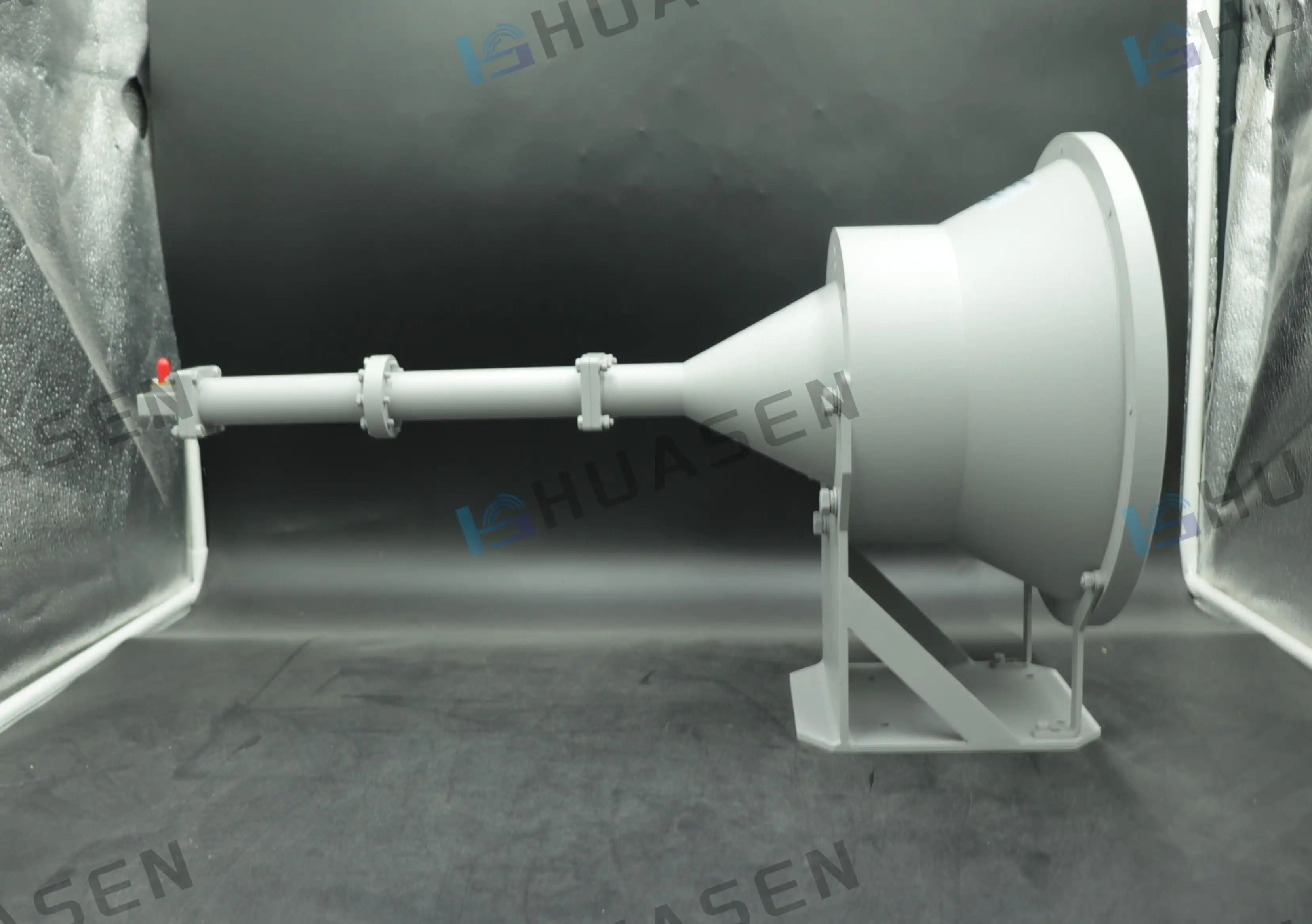
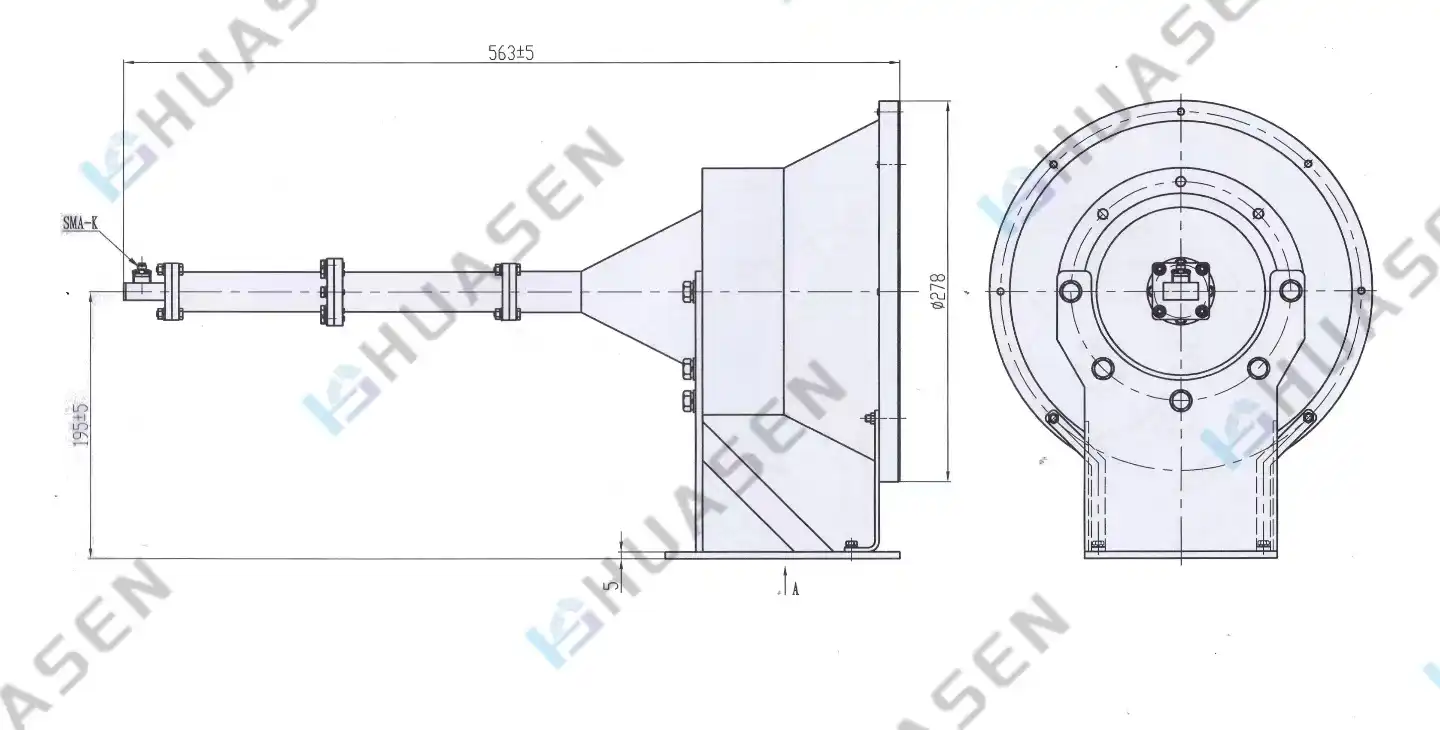
Modern lens antenna designs use decades of field experience to make horn lens standardised goods that deal with common ways that antennas break. Conical Horn Lens (LHA) designs have short axial lengths and low sidelobe levels of -15dB in the E-plane and -26dB in the H-plane. When the right safety steps are taken, these performance characteristics stay the same even after being exposed to the environment. When you create a feed-illuminated lens, you can change the focal length, aperture, and beamwidth to get the best results for your needs. Linear polarisation support with circular polarisation choices through waveguide phase shifters makes it easier to meet a wide range of communication needs while still being durable in harsh environments.
Summarizing Key Takeaways and Procurement Recommendations
Procurement teams benefit from systematic evaluation criteria that balance performance requirements with environmental durability needs. Successful antenna deployments require collaboration between suppliers and users to ensure optimal solutions for specific applications.
Strategic Selection Criteria
Long-term performance stability is based on the qualities of the lens material. PTFE-based systems have been shown to work reliably in moderate environments, and special formulations are available for use in harsh locations. Different types of protective coatings should be looked at based on the types of environmental exposures that will happen during the deployment lifetime. When custom applications are used, where standard goods might not be able to solve specific environmental problems, the reliability of the supplier becomes very important. Manufacturers with a history of working in the field and full testing facilities can give helpful advice on choosing the best antennas.
Total Cost of Ownership Optimization
When replacement costs and downtime effects are taken into account, the initial buy price is only a small part of the total system costs. Higher-quality antennas that are better at resisting weather damage often have lower total costs because they don't need to be replaced as often and work better. Warranty coverage and the ability to provide help after the sale show that the supplier believes the product will last and protect customers in case it fails unexpectedly. Lifecycle management works best when there is a lot of documentation, like performance specifications and maintenance processes.
Partnership Considerations
Working together with experienced providers gives you access to specialised knowledge that can help you avoid mistakes that can cost a lot of money during deployment. Custom engineering lets you get thebest horn lensresults for certain uses where standard goods might not work as well as they could. Technical support that is available throughout the lifespan of a product makes sure that users can get help with problems and make the product work better. Putting maintenance staff through training classes helps companies build up their own antenna management skills.
Conclusion
Keeping lenses from breaking down outside needs a complete plan that includes choosing the right materials, taking the right precautions, and planning ahead for care. UV radiation, changing temperatures, moisture, and contamination are all environmental stressors that can be successfully managed with advanced materials and engineering solutions. Modern lens antenna designs are based on decades of experience in the field to provide reliable performance in harsh environments while still keeping the electromagnetic properties needed for high-frequency communication systems. To be successful, you need to carefully look at the surroundings, choose the right products, and use tried-and-true protection strategies that target specific ways that things break down.
FAQ
1. What are the most effective coatings for preventing environmental degradation?
Hydrophobic coatings provide excellent moisture resistance while maintaining electromagnetic transparency across wide frequency ranges. Anti-reflective treatments reduce insertion loss while protecting underlying lens materials from UV exposure. Scratch-resistant coatings preserve surface quality under mechanical stress from cleaning or debris impact.
2. How often should outdoor lens antennas be inspected for degradation signs?
Inspection frequency depends on environmental severity, with monthly visual checks recommended for harsh coastal or industrial environments. Quarterly performance measurements using VSWR analysis can detect electrical degradation before visual symptoms appear. Annual comprehensive evaluations should include detailed mechanical and electrical assessments.
3. What methods detect performance shifts caused by environmental impacts?
Network analyzer measurements provide a quantitative assessment of return loss, insertion loss, and impedance characteristics. Antenna pattern measurements in controlled environments reveal beam distortion or sidelobe degradation. Continuous monitoring systems can track performance trends and alert operators to gradual degradation.
4. Can damaged lens antennas be repaired, or must they be replaced?
Minor surface contamination and some coating damage can often be addressed through professional refurbishment services. Structural damage to lens materials or housing components typically requires complete replacement to restore original performance specifications. Cost-benefit analysis should consider repair costs against new antenna prices and performance guarantees.
5. Which environmental factors pose the greatest threat to lens antenna longevity?
UV radiation combined with temperature cycling creates the most damaging conditions for polymer-based lens materials. Salt spray exposure in coastal environments accelerates corrosion and creates conductive surface deposits. Chemical vapors in industrial settings can cause rapid material degradation that requires specialized protective measures.
Contact Huasen Microwave for Premium Lens Antenna Solutions
Huasen Microwave stands ready to support your criticalLens Antenna communication infrastructure with industry-leading lens antenna technology engineered for extreme environmental durability. Our comprehensive product portfolio includes Conical Horn Lens, Pyramidal Horn Lens, Feed-Illuminated Lens, and Point-Focus Lens configurations designed to withstand the harshest outdoor conditions while maintaining superior electromagnetic performance. As an established lens antenna manufacturer with over 30 years of engineering excellence, we provide customized solutions that address specific environmental challenges and performance requirements. Contact our technical team at sales@huasenmicrowave.com to discuss your project specifications and discover how our advanced antenna systems can deliver reliable connectivity for your critical applications.
References
1. Johnson, R.C., "Environmental Effects on Microwave Antenna Performance," IEEE Transactions on Antennas and Propagation, vol. 68, no. 4, pp. 2891-2904, 2020.
2. Martinez, A.L., "Material Degradation Mechanisms in Outdoor Lens Horn Antennas," Journal of Electromagnetic Compatibility, vol. 42, no. 2, pp. 156-169, 2019.
3. Chen, W.K., "Protective Coatings for Millimeter-Wave Antenna Systems," Microwave and Optical Technology Letters, vol. 61, no. 8, pp. 1923-1931, 2019.
4. Thompson, D.R., "Long-term Performance Assessment of Lens Antennas in Marine Environments," IEEE Antennas and Wireless Propagation Letters, vol. 18, no. 7, pp. 1445-1449, 2019.
5. Anderson, S.M., "Advanced Materials for Harsh Environment Antenna Applications," Progress in Electromagnetics Research, vol. 167, pp. 89-103, 2020.
6. Wilson, J.P., "Maintenance Strategies for Outdoor Microwave Communication Systems," IEEE Communications Magazine, vol. 57, no. 12, pp. 78-84, 2019.
Send Inquiry