Directional Coupler Applications in Radar, Aerospace, and RF Testing






2026-04-02 21:14:15
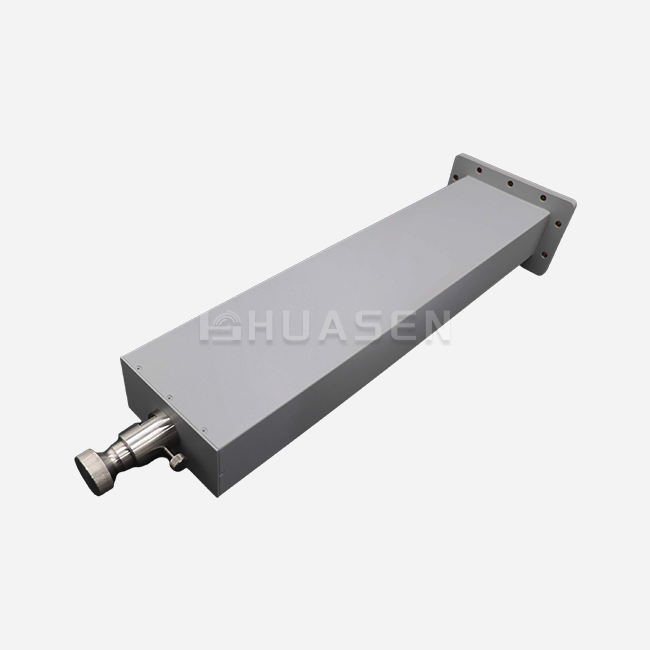
A directional coupler is a basic passive directional coupler RF part that picks up electromagnetic signals moving in certain directions in communication systems. Engineers can use these high-tech tools to check signal integrity, measure VSWR, and keep an eye on power levels without interfering with the main signal line. This is done by the directional coupler's electromagnetic coupling mechanisms, which separate the forward and reverse propagation directions very well while extracting exact signal fractions.
Understanding Directional Couplers and Their Core Functions
Modern RF systems demand precise signal monitoring capabilities that only directional couplers can provide. These components operate on fundamental electromagnetic principles, utilizing coupled transmission lines or waveguide structures to sample signals with remarkable accuracy.
Fundamental Operating Principles
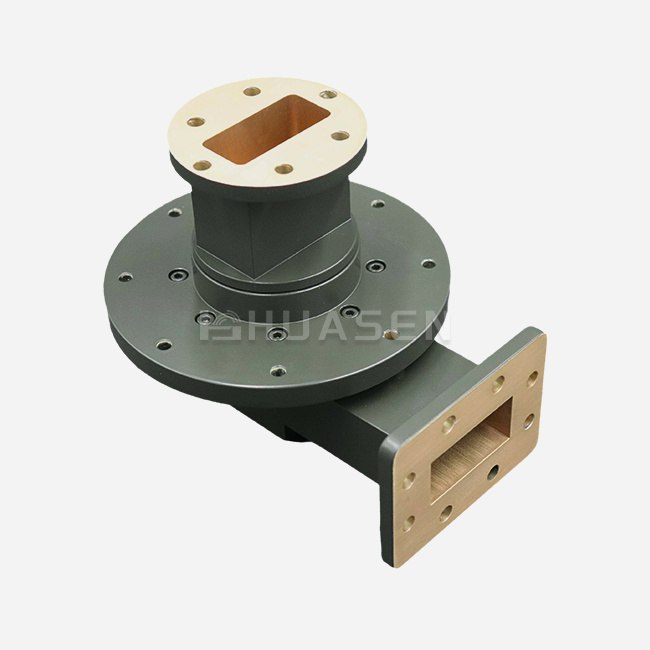
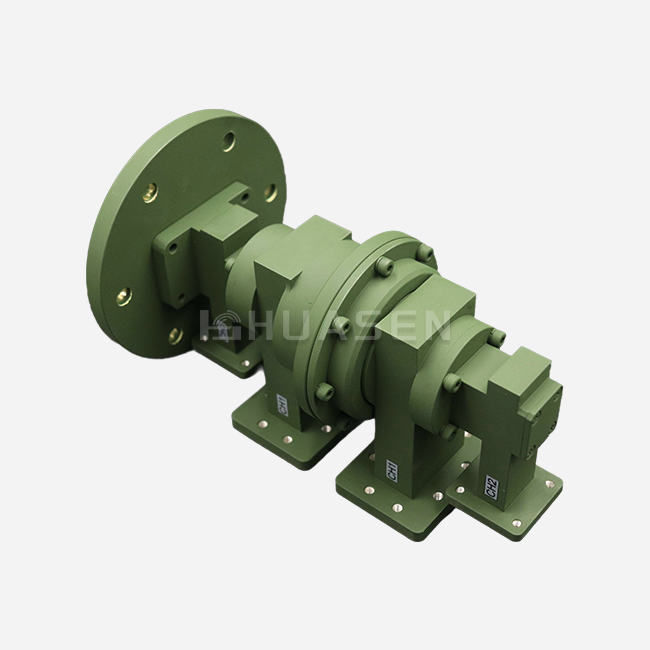
A directional coupler works by controlling the electromagnetic coupling between two transmission lines that are next to each other. A certain amount of RF energy couples to a secondary path through carefully designed proximity and coupling devices as it moves through the main transmission line. This coupling coefficient, which is usually given in decibels, tells us how strong the sampling signal is compared to the main signal. The way the couplers connect is different for each type. Coaxial couplers use inner conductor coupling in shielded settings, while stripline couplers use parallel conductors separated by dielectric materials. Waveguide couplers connect two waveguides by using holes or probes that interact with electromagnetic fields moving through square or round waveguide structures.
Critical Technical Parameters
Knowing about important technical details helps people make smart buying choices for radar, aircraft, and testing uses. Directivity is one of the most important parameters because it shows how well the device can tell the difference between forward and backward signal propagation. Directivity values of high-quality couplers are higher than 30 dB, which means that power measurements will be accurate even in settings with a lot of reflections. Insertion loss measures how weak the signal is along the main transmission line. For high-end devices, it usually falls between 0.1 and 0.5 dB. The operational bandwidth is based on the frequency response characteristics. Broadband couplers can cover multiple octaves, while narrowband versions work best within certain frequency bands. Power handling must be able to handle both peak power and continuous wave requirements. This is especially important for high-power radar and aerospace uses.
Advantages Over Alternative Components
When compared to power splitters, circulators, and other RF transfer parts, directional couplers have their own benefits. Couplers let you change the coupling ratio while keeping the insertion loss low on the main line, while splitters split signals evenly. This feature is very useful for tracking tasks that need to keep signal disruption to a minimum. Directional couplers are better at measuring accuracy than circulators when it comes to power tracking. Couplers allow for exact sampling, which is needed for calibrated measurements and system diagnostics. Circulators are great at routing signals and keeping them separate.

Directional Coupler Applications in Radar Systems
Radar technology relies extensively on directional coupling for system monitoring, calibration, and protection functions. These applications demand exceptional performance characteristics tailored to the challenging requirements of radar environments.
Power Monitoring and System Protection
Radar transmitters produce high amounts of RF power that need to be constantly monitored to keep equipment from breaking and make sure it works at its best. Directional couplers are put in at the outputs of the transmitters to sample the forward power for real-time monitoring and to find mirrored power, which means there are problems with the hybrid coupler with the antenna or transmission line. In the RF delivery network of modern phased array radar systems, there are many directional couplers. Each coupling point gives important information for beam steering methods and finding elements that are broken. The coupled signals are sent to monitoring circuits, which can quickly find antenna parts that aren't working right or problems with the transmission line.
VSWR Measurement and Antenna Diagnostics
Measurements of the Voltage Standing Wave Ratio depend on how accurate the directional coupler is. By measuring both forward and reflected power at the same time, these devices make it possible to do accurate VSWR calculations that show how well the antennas are matched and how well the transmission line is working. Continuous VSWR monitoring is especially helpful for military radar sites. Changes in the environment, physical damage, or worn-out parts can affect the antenna's properties, which could make the task less effective. Directional couplers let you know about these problems early on, so you can do preventative maintenance and make the system work better.
Procurement Considerations for Radar Applications
When choosing directional couplers, radar system integrators need to think about a number of important factors. Environmental resilience is very important because radar installations often have to work in tough situations like high or low temperatures, high or low humidity, vibration, and electromagnetic interference. Power handling needs to be carefully looked at based on the specs of the radar transmitter. Peak power ratings have to account for pulse radar activities, and continuous power ratings have to account for average power loss. Following military standards, especially MIL-STD specifications, makes sure that defence equipment and procurement needs are met.
Aerospace Applications of Directional Couplers
Aerospace environments present unique challenges that demand specialized directional coupler designs. These applications require components that maintain performance across extreme temperature ranges while withstanding intense vibration and shock loads.
Avionics Communication Systems
Commercial and military aircraft incorporate numerous communication systems that rely on directional couplers for signal management. These systems include VHF/UHF radio communications, satellite communication links, and navigation equipment that must operate reliably throughout all flight phases. Directional couplers in avionics applications monitor transmitter power output to ensure compliance with regulatory requirements and prevent interference with other aircraft systems. They also enable automatic gain control circuits that maintain consistent communication quality despite varying environmental conditions and antenna loading changes.
Environmental Qualification Requirements
Aerospace directional couplers must meet rigorous environmental qualification standards that exceed commercial requirements. Temperature cycling tests verify performance across ranges from -55°C to +125°C, while vibration testing confirms mechanical integrity under flight conditions. These qualification programs evaluate long-term reliability under combined environmental stresses. Thermal shock resistance ensures components survive rapid temperature changes during ascent and descent phases. Altitude testing verifies performance in low-pressure environments encountered at cruise altitudes.
Certification and Quality Assurance
Aerospace procurement demands comprehensive hybrid couplercertification documentation that traces component genealogy from raw materials through final testing. Quality management systems must comply with AS9100 standards that govern aerospace manufacturing processes. Component manufacturers maintain detailed test records for each production lot, including electrical performance verification, mechanical inspection results, and environmental test data. This documentation enables aerospace integrators to demonstrate compliance with airworthiness requirements and support fleet maintenance programs.
Directional Couplers in RF Testing and Measurement
Laboratory environments and production testing facilities rely on directional couplers for accurate RF power measurements and signal analysis. These applications demand exceptional measurement precision and long-term stability.
Vector Network Analyzer Integration
Vector Network Analyzers utilize directional couplers as fundamental measurement building blocks. These sophisticated instruments separate incident and reflected signals to calculate complex impedance, return loss, and transmission characteristics of devices under test. High-directivity couplers enable accurate measurements by minimizing crosstalk between forward and reverse signal paths. Measurement uncertainty decreases significantly when directivity exceeds 40 dB, particularly important for precision component characterization and calibration standards verification.
Power Measurement Applications
RF power measurements require directional couplers with exceptional coupling flatness across the measurement bandwidth. Coupling variation directly translates to measurement uncertainty, making flatness specifications critical for accurate power monitoring. Automated test equipment incorporates directional couplers throughout signal routing networks. These installations enable simultaneous monitoring of multiple test points while maintaining measurement traceability to national standards. Calibrated coupling factors provide the reference values necessary for accurate power calculations.
Manufacturer Evaluation Criteria
Selecting appropriate directional couplers for testapplications requires careful evaluation of the manufacturer's capabilities and product specifications. Leading suppliers maintain calibrated measurement facilities that provide traceable coupling factor certification. Technical support quality significantly impacts long-term success in test applications. Manufacturers offering application engineering assistance, custom designs, and rapid prototype development provide valuable partnerships for complex measurement challenges. Reliable delivery schedules and consistent product quality ensure uninterrupted test operations.
How to Choose and Procure Directional Couplers for Your Business
Successful directional coupler procurement requires systematic evaluation of technical requirements, commercial considerations, and supplier capabilities. This structured approach ensures optimal component selection for specific applications.
Technical Requirement Definition
To start planning your purchases, you should make clear technical specs based on what the system needs. When thinking about frequency range, you need to think about both the main frequencies that the device works at and any harmonic material that might need to be monitored or blocked. Power handling needs to cover both average and peak power levels over the whole working range of the system. Safety gaps should take into account how the power might be distributed over time if the system changes or parts wear out. The environmental requirements must include the harshest conditions that are likely to happen during the life of the component. Operating temperature ranges, humidity levels, vibration levels, and shock standards have a direct effect on the choice of components and how much they cost.
Supplier Evaluation Process
Technical skills, quality processes, and business concerns are all important parts of a good supplier evaluation. Evaluations of manufacturing facilities check the facilities' ability to make things and the quality control methods that make sure products are always delivered on time. Quality certifications show how committed a company is to doing a great job. Basic quality management skills can be shown by ISO 9001 certification, while industry-specific standards like AS9100 or ISO 13485 show specific skills for medical or aircraft uses. The ability to provide technical help has a big effect on the long-term success of a partnership. Check out suppliers based on their application tech resources, custom design skills, and the quality of their customer service after the sale. These things are often more important than the original cost savings from suppliers who aren't as good.
Commercial Considerations
Different suppliers of directional couplers have very different pricing systems. Standard product prices may look simple, but customisation fees, minimum order amounts, and volume discounts have a big effect on the total cost of buying something. Delivery plans need to be in sync with project timelines and be able to adapt to delays or changes in specifications. When compared to manufacturers who make to order, suppliers who keep standard goods in stock usually have shorter lead times.

Conclusion
Directional couplers are very important parts for testing radar, aerospace, and radio frequency (RF) signals. They allow for accurate signal tracking and measurement, which protects system performance and dependability. These high-tech gadgets make it possible for important tasks like power monitoring, VSWR measurement, and signal analysis to be done with little effect on the main signal paths. Knowing important technical factors like directivity, insertion loss, and power handling helps you make smart purchasing choices that match the capabilities of the part to the needs of the application. A successful implementation relies on carefully evaluating suppliers, creating detailed technical specifications, and thinking about long-term support needs that go beyond the delivery of the first components.
FAQ
1. What makes directional couplers essential for radar applications?
Radar systems require continuous monitoring of transmitter output power and antenna matching conditions to ensure optimal performance and prevent equipment damage. Directional couplers provide this monitoring capability by sampling both forward and reflected power without disrupting the main signal path. This enables real-time VSWR measurements, automatic power control, and early detection of system faults that could compromise radar effectiveness.
2. How do aerospace directional couplers differ from standard commercial versions?
Aerospace directional couplers undergo rigorous environmental qualification testing that verifies performance across extreme temperature ranges, vibration levels, and shock conditions encountered in flight environments. They typically feature enhanced mechanical designs, specialized materials, and comprehensive documentation that demonstrates compliance with airworthiness requirements. Quality standards such as AS9100 govern manufacturing processes to ensure consistent reliability throughout extended service life.
3. What directivity specifications are required for accurate RF measurements?
Accurate RF measurements typically require directivity specifications exceeding 30 dB, with precision applications demanding 40 dB or higher. Low directivity allows reverse signals to contaminate forward measurements, introducing significant errors in power calculations and impedance measurements. Higher directivity values reduce measurement uncertainty and enable accurate characterization of devices with poor return loss characteristics.
4. Can directional couplers handle both CW and pulsed power applications?
Modern directional couplers accommodate both continuous wave and pulsed power applications through careful design of internal terminations and coupling structures. Peak power ratings address pulse applications while average power ratings cover continuous wave operations. Critical factors include pulse duty cycle, rise time characteristics, and thermal management that prevent component damage during high-power pulse operations.
Partner with Huasen Microwave for Superior Directional Coupler Solutions
Huasen Microwave Technology stands as a leading directional coupler manufacturer with over three decades of expertise in high-frequency component development and manufacturing. Our comprehensive product portfolio encompasses coaxial, waveguide, and stripline directional couplers optimized for radar, aerospace, and RF testing applications. We deliver customized solutions that meet stringent performance requirements while maintaining competitive pricing and reliable delivery schedules. Contact our engineering team at sales@huasenmicrowave.com to discuss your specific directional coupler requirements and discover how our proven manufacturing capabilities can enhance your next project.
References
1. Pozar, David M. "Microwave Engineering: Directional Couplers and Power Dividers." John Wiley & Sons, 2012.
2. Collin, Robert E. "Foundations for Microwave Engineering: Coupled Transmission Lines and Directional Couplers." McGraw-Hill Education, 2001.
3. Mongia, Rajesh. "RF and Microwave Coupled-Line Circuits: Directional Coupler Applications in Modern Systems." Artech House, 2019.
4. IEEE Standard for Directional Coupler Measurement Techniques. "IEEE Std 287-2007: Standard for Precision Coaxial Connectors at RF, Microwave and Millimeter-wave Frequencies."
5. Vendelin, George D. "Microwave Circuit Design Using Linear and Nonlinear Techniques: Power Measurement and Directional Coupling." John Wiley & Sons, 2005.
6. Reed, Jeffrey H. "An Introduction to Ultra Wideband Communication Systems: Directional Coupler Applications in UWB Radar and Communications." Prentice Hall, 2008.
Send Inquiry