Coaxial Adapter vs Connector: What Is the Difference?






2026-07-23 16:47:10
When designing RF systems for 5G base stations, satellite terminals, or radar installations, engineers and procurement managers often face confusion between coaxial adapters and connectors. A coaxial adapter is a passive device that bridges two incompatible connector interfaces—such as linking an SMA male port to an N-Type female socket—without requiring cable modification. In contrast, a coaxial connector terminates directly onto a cable assembly, forming a permanent attachment. Adapters solve interface mismatches and protect expensive test equipment ports, while connectors establish the physical cable-to-device link. Understanding this distinction prevents costly purchasing errors and ensures seamless system integration across telecommunications, aerospace, and defense applications.
Introduction
Modern RF and microwave systems need to be able to keep signals perfectly intact across very complicated networks of connections. Choosing the right interconnect component has a direct effect on insertion loss, VSWR performance, and long-term stability in base station front-end systems, satellite ground stations, and communications testing labs. System integrators and equipment manufacturers often have specifications that list both adapters and connectors, but it's not always clear what the difference is between the two. If you don't understand these parts, you could end up with duplicates in your inventory, installation problems, and more fixing processes.
This guide explains the main differences between coaxial adapters and plugs by looking at their different functions, physical designs, and uses. We look at how the materials we use affect how long they last and how well they transmit signals. We also look at real-life usage situations in 5G networks and RF testing, and we give you ways to evaluate suppliers. By the end, you'll have the scientific knowledge to choose parts that work with your system's design, the surroundings, and your performance needs. This will lower the total cost of ownership while still meeting signal quality standards.

Understanding Coaxial Adapters and Connectors
While both coaxial adapters and connections help signals move through RF systems, they do very different things in the communication chain. By understanding these differences, procurement teams can avoid making mistakes in the specifications that hurt the performance of the system.
The Core Function of Coaxial Adapters
A coaxial adapter is a link that lets two different types of connectors (or genders) talk to each other. As a test engineer, if you need to connect a spectrum analyzer with an SMA connector to a BNC cable assembly, an SMA-to-BNC adapter can do it for you without having to replace the cables. These devices keep the characteristic resistance the same, which is usually 50Ω for telephones and 75Ω for broadcasting, with very little insertion loss. As "connector savers," precision adapters protect expensive calibration-grade ports in vector network analyzer (VNA) labs by absorbing wear from repeated joining cycles. The adapter body doesn't have any cables inside; it just connects two plug interfaces back-to-back using a well-thought-out center wire and dielectric structure.
How Do Coaxial Connectors Differ in Application?
On the other hand, coaxial connectors connect directly to the ends of coaxial cables by crimping, soldering, or compressing them. When you crimp an N-type connector onto an LMR-400 cable, you make a base station jumper wire unit that can be replaced in the field. The connector is permanently connected to the cable's outer conductor shield, dielectric insulator, and center conductor. This creates a single unit that is rated for certain environmental conditions. To install something correctly, you need the right tools and know-how. If you crimp it wrong, the VSWR and possible signal bounce will be high. Connectors make the physical link between a cable and a piece of equipment, while adapters make sure that the two interfaces can work together. Low-PIM connections, such as 4.3-10 types, keep passive intermodulation distortion to a minimum in distributed antenna systems (DAS). This is important for multi-carrier LTE networks.
Structural and Installation Differences
Adapters have two connector ports on opposite sides, but there is no place to join a cable. A coaxial adapter has a body with a precisely machined center conductor that is suspended in a PTFE dielectric. This keeps the impedance the same across the transition. Connectors have a single contact on one end and crimp ferrules, solder cups, or compression rings on the other end for attaching cables. Installing them is very different: adapters just thread or snap into place between existing parts, but connections need to be prepared by stripping the wire, cutting the center conductor, and attaching it securely to keep the shield continuity. The difference in structure determines their roles: adapters allow for flexible reconfiguration, while connectors provide fixed, weather-sealed wire terminations that can be used for radar systems on ships or in outdoor tower installations.
Types and Materials of Coaxial Adapters and Connectors
To choose the right coaxial adapters and connector types, you need to make sure that the electrical specs, mechanical form factors, and material qualities are all right for the area where they will be used. If you make the wrong choice, the signal will get worse or fail early when the environment is stressed.
Common Adapter Configurations
RF systems use a number of different types of adapters to fix connectivity problems, including:
Gender Changers reverse connector polarity without altering the connector series—an SMA male-to-male adapter lets two cables with female ends connect. Inter-series adapters let devices with different interfaces talk to each other by translating between different connector families, like SMA-to-N-type or BNC-to-TNC. Right-angle adapters are important for turning signal lines 90 degrees when there isn't much space in the back of a rack-mount installation. Bulkhead adapters attach through panel walls and make it easier to connect the inside of a box to external wiring while protecting the shields. Reverse Polarity (RP) Adapters make it possible for regulatory-compliant interfaces where the pin genders are switched around from how they are normally set up, such as in certain WiFi systems.
Popular Connector Series and Their Specifications
For different frequency bands and power handling needs, different connector types are best. The following table compares some important specs:
| Connector Type | Frequency Range | Impedance | Typical Application | Mating Cycles |
|---|---|---|---|---|
| BNC | DC – 4 GHz | 50Ω / 75Ω | Video and test equipment | 500+ |
| SMA | DC – 18 GHz | 50Ω | Lab equipment, phones | 500+ |
| N-Type | DC – 11 GHz | 50Ω | Base stations and high power | 500+ |
| 4.3-10 | DC – 6 GHz | 50Ω | 5G infrastructure with low PIM | 500+ |
| 7/16 DIN | DC – 7.5 GHz | 50Ω | Cell phone towers, broadcast | 500+ |
Because they are small and work well up to 18 GHz, SMA connections are the most common type used in laboratories and for precise measurements. Because they can handle more power and bigger cable diameters, N-Type connectors are standard for cellular base station jumper assemblies. BNC bayonet-lock connections make it easy to connect things quickly in test setups that need to be reconfigured often. The updated 4.3-10 interface has low passive intermodulation performance that is important for 5G MIMO antenna arrays that work in areas with a lot of different frequencies.
Material Composition and Performance Impact
Material selection directly affects electrical performance, mechanical durability, and environmental resistance. Before choosing parts, you should think about how the qualities of the material will work with the conditions of placement.
Brass is still the most common body material because it is easy to shape and conducts electricity well. Nickel or gold plating is added to brass bodies by manufacturers to make them more resistant to corrosion in moderate outdoor conditions. Adapters and connectors made of stainless steel last longer in military and marine communications uses because they can handle high vibration and rust from salt spray (MIL-STD-810). The tougher material also makes mating cycles last longer than 1,000 times in lab test setups. Beryllium copper center contacts have the best spring properties and low contact resistance. Gold plating on the contact surfaces keeps the electrical performance stable as the temperature changes. Most dielectric insulators are made of virgin PTFE (Teflon), which keeps its dielectric constant fixed from -55°C to +165°C. This is important for aircraft radar systems that have to deal with rapid temperature changes.
Cost and operational needs must be balanced during the selection process. Standard brass and silver parts work well in controlled indoor settings like data centers and equipment racks. Harsh outdoor installations, like 5G small cells on roofs, maritime VSAT terminals, or airborne surveillance radar, are worth the extra cost for advanced plating systems and stainless steel construction that can withstand years of UV light, extreme temperatures, and mechanical stress. Coaxial adapter selection should also consider these factors.
Procurement Insights: How to Choose and Source Coaxial Adapters and Connectors?
Strategic component sourcing finds a balance between technical requirements, the dependability of the supplier, and the total cost of ownership. To make sure that systems work well and are available for a long time, procurement managers have to look at more than just the unit price. Reputable manufacturers set themselves apart by a few key skills that have a direct effect on the success of the project. Top manufacturers like Amphenol RF and TE Connectivity have application engineering teams that help choose the right parts, give S-parameter data, and make custom solutions for interfaces that aren't standard. This feature is very useful for connecting old military systems to new business gear or getting used to different antenna connections.
Common configurations are in stock at well-known makers, and shipping takes two to four weeks. On the other hand, unusual millimeter-wave coaxial adapters may take twelve to sixteen weeks. Dual-sourcing methods lower the risk of supply disruptions for production projects that make a lot of things. Make sure that suppliers follow ISO 9001 quality standards and give test results for each production lot, including VSWR, insertion loss, and PIM measurements. Defense companies need parts that meet MIL-STD-348 standards and come with full paperwork for tracking them.
Supplier Evaluation Criteria
Reputable manufacturers' differentiation is proven through engineering support and customization. Verify quality certifications and testing by ensuring suppliers follow ISO 9001 and provide lot-specific data for VSWR and PIM. Assess supply chain stability by comparing project plans to lead times and minimum order numbers (MOQs).
Bulk Purchasing Strategies and Cost Optimization
Volume procurement methods work best for large-scale deployments like setting up a network of 500 cell sites or a satellite ground station. The following chart shows how most prices are set:
| Quantity to Order | Price per Unit (SMA Adapter) | Discount for Large Orders | Total Cost | Lead Time |
|---|---|---|---|---|
| 1–9 units | $12.50 | — | $12.50 – $112.50 | Stock |
| 10 – 99 units | $9.80 | 22% | $98.00 – $970.20 | Stock |
| 100 – 499 units | $7.40 | 41% | $740.00 – $3,693.60 | 2 – 4 weeks |
| 500 or more units | $5.90 | 53% | $2,950.00+ | 4 – 6 weeks |
Talk about framework deals that set different levels of unit prices and allow for flexible call-off amounts. Before committing to large quantities, ask for engineering samples to make sure the mechanical fit and electrical performance will work in your system. A high-quality low-PIM connection that costs 40% more will work without any problems for years, while cheap parts may need to be replaced.
Decision Framework: Matching Components to System Requirements
For buying to work well, technical requirements must be systematically aligned with practical needs. When defining parts, you must take these important factors into account:
- Frequency Range and Electrical Performance: Make sure that the frequency ratings of your adapters and connectors match your best working frequency plus margin.
- Environmental Conditions: Standard nickel-plated brass parts can be used in indoor rack installations. Outdoor phone lines need to be made of stainless steel with IP67 sealing and dielectric materials that don't fade in the sun.
- Interface Compatibility: Make detailed interface control documents (ICDs) that list all of your system's connector types, genders, and mounting arrangements. Find out what coaxial adapter you need early on in the planning process to avoid delays.
Conclusion
It is important to know the difference between coaxial adapters and connectors when building reliable RF systems that meet performance requirements and keep costs low. Adapters are silent translators between different types of connectors that solve problems with interface compatibility and protect test equipment. Connectors make permanent connections between cables, making weatherproof, low-loss connections between transmission lines and active equipment. The success of procurement rests on matching the electrical properties of components to the needs of the system and choosing materials and building grades that are right for the surroundings. When you use strategic sourcing, you weigh the unit price against the tech support, quality certifications, and shipping trustworthiness of the suppliers. Using the frameworks and technical information in this article, you can choose parts that make system integration more efficient, cut down on debugging time, and provide long-term operational performance in defense, aerospace, and telecommunications.
FAQ
1. Can I use a 50Ω adapter in a 75Ω system?
Not at all. When you mix impedance ratings, you make impedance discontinuities that cause signal reflections, which raise VSWR and drain power. In video delivery systems, ghosting happens when the resistance is not matched. Make sure that the impedance of the adapter fits the impedance of your cable and devices—typically 50Ω for data/telecom uses and 75Ω for broadcast/video systems.
2. What causes passive intermodulation in coaxial adapters?
PIM happens when different metals meet in a nonlinear way or when contacts don't fit well. In base stations with more than one carrier, PIM products get stuck in the receive bands and stop uplink data. Low-PIM adapters use controlled-torque specs, stainless steel that isn't magnetic, and as few interior joints as possible. Check that the PIM specifications are below -160 dBc for 5G infrastructure uses that need very pure spectrum.
3. How do I select materials for harsh outdoor environments?
According to ASTM B117 testing, bodies made of stainless steel that have been passivated will not rust when exposed to salt spray, making them important for marine communications and coastal base stations. When temperatures change, gold-plated contacts keep working properly. For installations on top of towers that will be subjected to rain, ice, and UV light for many years, choose units with an IP67 rating and built-in O-ring seals.
Partner with Huasen Microwave for Custom RF Interconnect Solutions
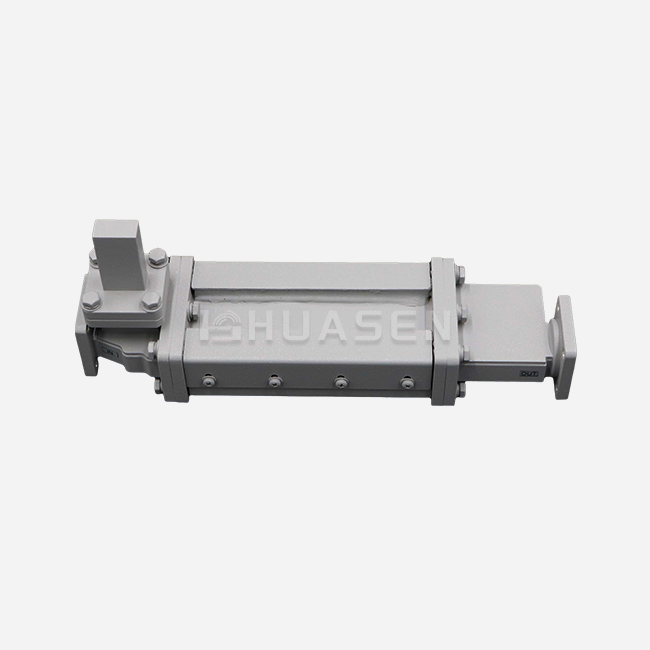
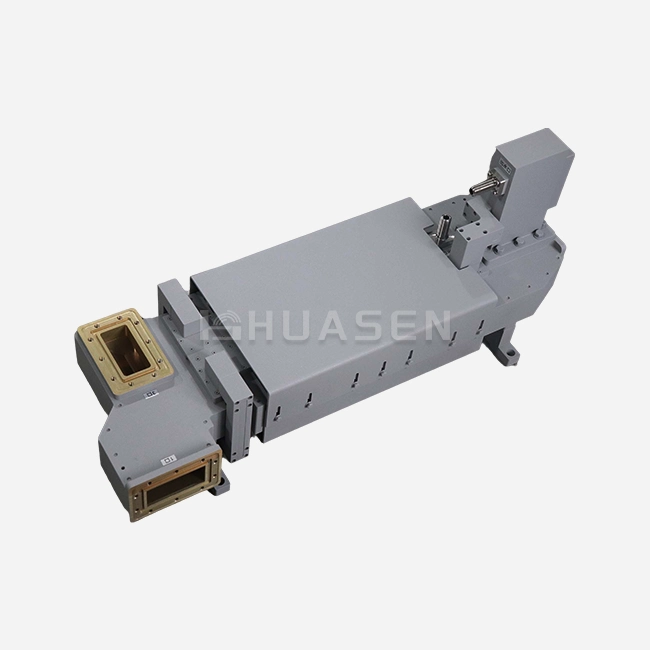
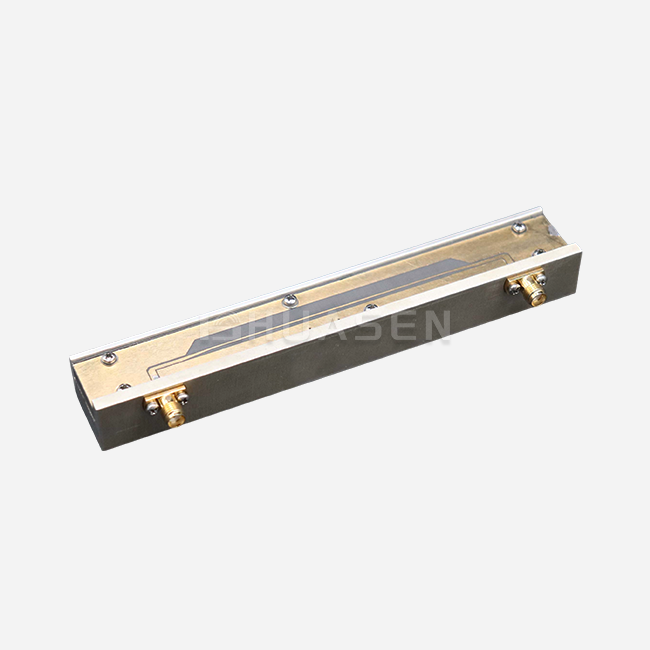
When it comes to 5G networks, satellite stations, and aerospace platforms, we know that standard catalogue parts don't always work with complicated system designs. Our engineering team has been making custom waveguide-to-coaxial adapters since 1993. These adapters are made to fit your frequency bands, interface needs, and mechanical limitations. Whether you need specific gender combinations for radar front-ends, high-power adapters for broadcast transmitters, or precise low-PIM components for DAS installations, we can make them. This way, we can solve compatibility problems that slow down projects and raise costs.
We cut down on system debugging time with exact interface matching, improve integration efficiency with made-to-print solutions, and check all S-parameters for every custom assembly. Get in touch with our expert sales team at sales@huasenmicrowave.com to talk about your adapter needs and see our full range of products. As a reliable company that makes coaxial adapters for defense contractors and global leaders in telecommunications, we offer affordable pricing, quick prototyping, strict quality standards, and quick engineering support that turns your specs into hardware that is ready for the field.
References
1. Amphenol RF Division. (2022). RF Connector and Adapter Design Guide: Electrical and Mechanical Considerations for High-Frequency Applications. Amphenol Technical Publications.
2. Institute of Electrical and Electronics Engineers. (2021). IEEE Standard 287-2021: Precision Coaxial Connectors at RF, Microwave, and Millimeter-wave Frequencies. IEEE Standards Association.
3. Maury, M. A. (2019). Microwave and RF Interconnect Systems: Performance Optimization and Measurement Techniques. Artech House Publishers.
4. Rosenberger Hochfrequenztechnik GmbH. (2023). Low-PIM RF Components for Wireless Infrastructure: Technical White Paper on Passive Intermodulation Mitigation. Rosenberger Engineering Documentation.
5. U.S. Department of Defense. (2020). MIL-STD-348B: Military Standard for RF Coaxial Connectors - General Requirements and Test Methods. Defense Standardization Program Office.
6. Zhang, L., & Chen, W. (2021). "Impedance Matching and VSWR Optimization in Multi-Stage RF Adapter Networks." IEEE Transactions on Microwave Theory and Techniques, 69(4), 2156-2167.
Send Inquiry