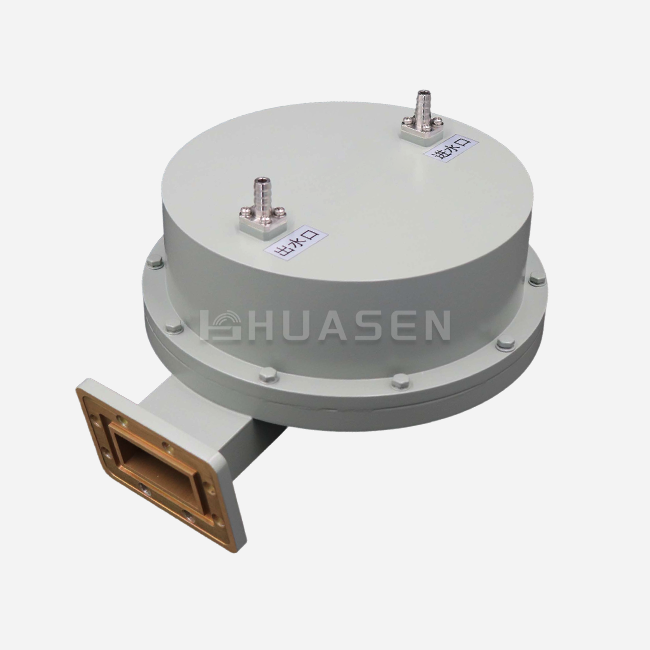
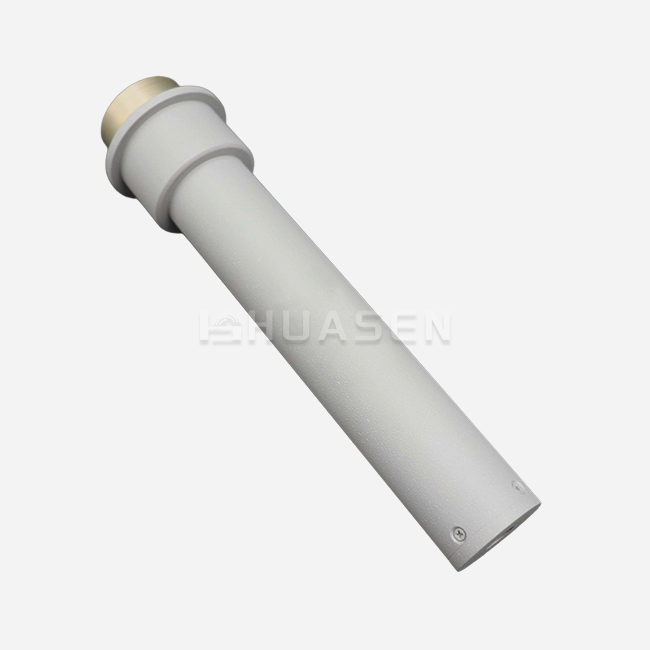
Understanding Circularly Polarized Horn Antenna Technology and Manufacturing Excellence






2026-01-14 22:44:36
Struggling to find reliable OEM partners for Circularly Polarized Horn Antenna solutions that meet your exact specifications? You're not alone. Many engineers and procurement specialists face challenges when sourcing high-performance circularly polarized horn antennas for critical applications in satellite communications, radar systems, and aerospace projects. This comprehensive guide reveals the top global manufacturers who deliver exceptional quality, customization capabilities, and proven expertise in circularly polarized horn antenna technology.
Understanding Circularly Polarized Horn Antenna Technology and Manufacturing Excellence
When selecting an OEM manufacturer for Circularly Polarized Horn Antenna systems, understanding the underlying technology is essential for making informed decisions. Circularly polarized horn antennas utilize sophisticated polarization conversion techniques to transform linearly polarized electromagnetic waves into circularly polarized radiation patterns. The most advanced manufacturers employ methods such as linear-to-circular polarization converters and dual linear polarization orthogonal excitation to achieve superior performance characteristics. These technical approaches enable the antenna to maintain consistent signal quality regardless of the orientation between transmitting and receiving systems, which is particularly critical in satellite communications where spacecraft attitude may vary during operation.
The manufacturing process for high-quality Circularly Polarized Horn Antenna systems requires precision engineering capabilities that only established OEM manufacturers possess. Leading producers utilize advanced CNC machining technologies to achieve the tight tolerances necessary for maintaining excellent phase and amplitude consistency across the operational bandwidth. The construction typically involves high-quality aluminum alloy materials with specialized protective coatings that ensure durability in harsh environmental conditions. Manufacturing facilities must be equipped with comprehensive testing capabilities, including vector network analyzers and anechoic chambers, to verify that each Circularly Polarized Horn Antenna meets stringent performance specifications before delivery to customers.


Key Performance Parameters in OEM Circularly Polarized Horn Antenna Selection
The axial ratio stands as one of the most critical performance indicators when evaluating Circularly Polarized Horn Antenna manufacturers. Top-tier OEM producers achieve axial ratios of 0.5dB or better, which indicates exceptional polarization purity and minimal signal degradation. This parameter directly impacts the antenna's ability to receive signals with minimal loss and interference, making it especially important for applications requiring high sensitivity such as radio astronomy and deep space communications. Manufacturers who consistently deliver low axial ratio performance demonstrate their mastery of polarization conversion techniques and precision manufacturing processes.
Frequency range and bandwidth capabilities distinguish premium Circularly Polarized Horn Antenna manufacturers from standard suppliers. The most versatile OEM partners offer frequency coverage spanning from 0.5GHz to 110GHz, with customizable bandwidth options ranging from narrowband configurations (≤5%) to ultra-wideband designs (≤67%). This flexibility allows system designers to specify antennas optimized for their specific application requirements, whether that involves radar systems operating at X-band frequencies, satellite communications in Ka-band, or millimeter-wave applications extending into W-band. Gain options typically range from 10dB to 25dB, providing additional customization possibilities for link budget optimization.
Manufacturing Capabilities That Define Industry-Leading OEM Partners
Advanced Production Infrastructure and Quality Control Systems
World-class Circularly Polarized Horn Antenna manufacturers maintain state-of-the-art production facilities that combine extensive floor space with specialized equipment and skilled technical personnel. Leading OEM facilities typically encompass over 3,000 square meters of dedicated manufacturing area, organized into specialized workshops including technical offices for process development, precision machining centers equipped with CNC lathes and milling machines, and fitting workshops capable of performing silver brazing, aluminum brazing, and vacuum furnace operations. These comprehensive capabilities enable manufacturers to handle every aspect of Circularly Polarized Horn Antenna production in-house, from raw material processing through final assembly and testing, ensuring complete quality control throughout the manufacturing cycle.
The most reliable OEM manufacturers implement rigorous quality management systems certified to ISO9001 standards and maintain compliance with environmental regulations including RoHS and REACH directives. Their testing infrastructure typically includes multiple anechoic chambers of varying sizes (21-meter, 9-meter, and 5-meter configurations) for far-field antenna pattern measurements across frequency ranges from 0.5GHz to 220GHz. Additionally, near-field measurement systems, spherical scanning systems, and extensive inventories of test equipment including vector network analyzers, spectrum analyzers, and signal generators enable comprehensive verification of Circularly Polarized Horn Antenna performance parameters before shipment to customers.

Customization and Engineering Support Services
The ability to provide customized Circularly Polarized Horn Antenna solutions separates exceptional OEM manufacturers from commodity suppliers. Top manufacturers offer comprehensive engineering support including custom design services that address unique application requirements such as specific mounting interfaces, environmental protection levels, or integration with existing RF systems. Their technical teams work collaboratively with customers to optimize antenna parameters including bandwidth allocation, gain specifications, connector types, and physical envelope constraints. This consultative approach ensures that the delivered Circularly Polarized Horn Antenna perfectly matches the customer's system architecture and performance objectives.
Advanced OEM partners also provide value-added services including prototyping capabilities, design verification testing, and production scalability from small pilot quantities to high-volume manufacturing runs. Their experience with diverse applications spanning telecommunications, radar, aerospace, defense, satellite communications, and scientific research means they understand the specific challenges associated with each domain. Whether developing a Circularly Polarized Horn Antenna for weather monitoring radars, EMC/EMI testing applications, or aerospace telemetry systems, leading manufacturers draw upon decades of accumulated expertise to deliver optimal solutions.
Critical Application Areas and Technical Requirements
Circularly polarized horn antennas serve essential functions across numerous high-technology sectors where signal integrity and polarization flexibility are paramount. In satellite communications, these antennas enable reliable high-bandwidth data transmission regardless of spacecraft orientation, compensating for Faraday rotation effects in the ionosphere and ensuring consistent link performance. Radio astronomy applications depend on Circularly Polarized Horn Antenna technology for detecting extremely weak signals from distant celestial objects, where the superior polarization purity minimizes signal loss and interference. Defense and aerospace applications utilize these antennas for radar systems, telemetry, and remote sensing where robust performance in challenging electromagnetic environments is non-negotiable.
The specific technical requirements for Circularly Polarized Horn Antenna systems vary significantly across applications, necessitating close collaboration between customers and OEM manufacturers. Weather radar systems may require antennas optimized for specific precipitation measurement frequencies with rapid polarization switching capabilities. Electromagnetic testing facilities need precisely calibrated antennas with documented performance characteristics traceable to national standards. Automotive electronics applications increasingly incorporate millimeter-wave circularly polarized antennas for advanced driver assistance systems and autonomous vehicle sensors. Leading manufacturers maintain the technical breadth and manufacturing flexibility to address these diverse requirements while maintaining consistent quality standards.
Conclusion
Selecting the right OEM Circularly Polarized Horn Antenna manufacturer requires careful evaluation of technical capabilities, quality systems, and customization support to ensure your project succeeds.
Cooperate with Huasen Microwave Technology Co., Ltd.
As a leading China Circularly Polarized Horn Antenna manufacturer, supplier, and factory, Huasen Microwave Technology Co., Ltd. offers high-quality Circularly Polarized Horn Antenna for sale at competitive prices. With 30 years of industry experience since 1993, our 3,000-square-meter facility produces superior wholesale Circularly Polarized Horn Antenna solutions backed by ISO certifications and comprehensive testing capabilities. Contact our team at sales@huasenmicrowave.com to discuss your requirements and receive customized pricing for High Quality Circularly Polarized Horn Antenna systems. Bookmark this page for future reference when evaluating antenna suppliers.
References
1. "Antenna Theory: Analysis and Design" - Constantine A. Balanis, Professor Emeritus of Electrical Engineering, Arizona State University
2. "Microwave Horns and Feeds" - A.D. Olver, P.J.B. Clarricoats, A.A. Kishk, L. Shafai, published by the Institution of Engineering and Technology
3. "Handbook of Antenna Technologies" - Zhi Ning Chen, Temasek Laboratories, National University of Singapore
4. "Modern Antenna Design" - Thomas A. Milligan, Principal Engineer, Northrop Grumman Corporation
5. "Circular Polarization Techniques for Antenna Applications" - IEEE Antennas and Propagation Society Distinguished Lecture Series, multiple contributing authors from research institutions worldwide
Send Inquiry