How Circularly Polarized Horn Antenna Reduces Polarization Mismatch?






2026-04-04 21:57:05
Circularly Polarised Horn Antennas successfully lower polarisation mismatch by using an electric field vector that rotates continuously. This keeps signal reception stable no matter what direction the antenna is facing. In linearly polarised systems, signal alignment is very important. But these advanced antennas get rid of the orientation reliance that makes signals weaker. The circular polarisation technique makes sure that signals sent and received stay well coupled even if the antennas are not in the same place. This is why they are essential in dynamic communication environments where polarisation stability has a direct effect on system performance and reliability.
Understanding Polarization Mismatch in Antenna Systems
The Root Cause of Signal Degradation
Polarisation mismatch is one of the biggest problems that current communication systems have to deal with, especially in mission-critical business-to-business (B2B) situations. When the polarisation orientation of signals being sent and received is not aligned correctly, systems lose a lot of information, up to 20 to 30 dB in the worst cases. This happens because electromagnetic waves carry energy in certain polarisation states. If they are not perfectly aligned, they can't move power as efficiently. This problem is especially dangerous for old radio systems that are linearly polarised. In linear polarisation, the electric field vector moves back and forth in a fixed plane. This makes it very important that the sending and receiving antennas are perfectly lined up at right angles. Even small changes in rotation can greatly weaken signals, which can cause communication problems in radar systems, satellite links, and wireless networks.
Impact on Industrial Applications
Polarisation imbalance has effects that go far beyond just signal loss. In satellite communications, where spacecraft are always rotating and orbital mechanics cause orientation changes, linear polarisation systems have signal dropouts that stop data transfer from happening. When atmospheric conditions cause signal scattering that changes polarisation characteristics in unpredictable ways, weather radar faces similar problems. Teams that buy things for businesses need to know that polarisation mismatch has a direct effect on how reliable a system is, how much it costs to run, and how much upkeep it needs. When polarisation problems cause communication links to lose signal quality often, businesses have to deal with more downtime, slower data transfer, and the need for more complicated tracking systems to keep signal quality high.

How Circularly Polarized Horn Antennas Address Polarization Mismatch
Fundamental Operating Principles
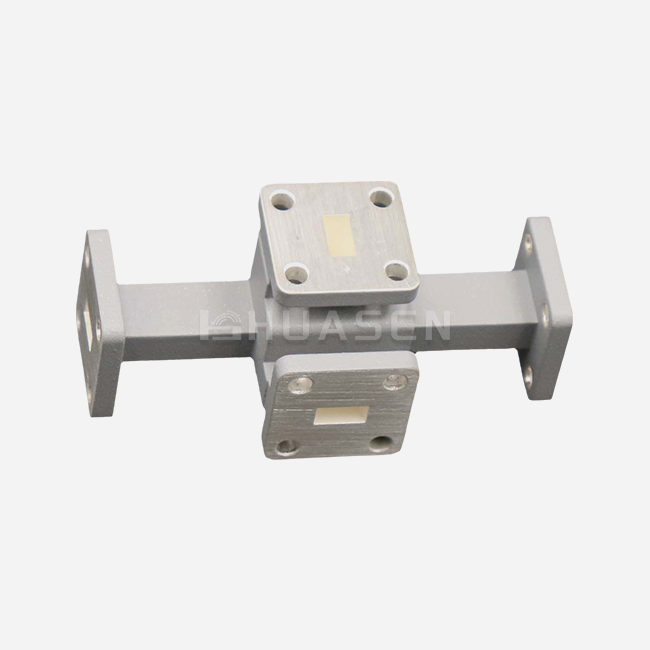
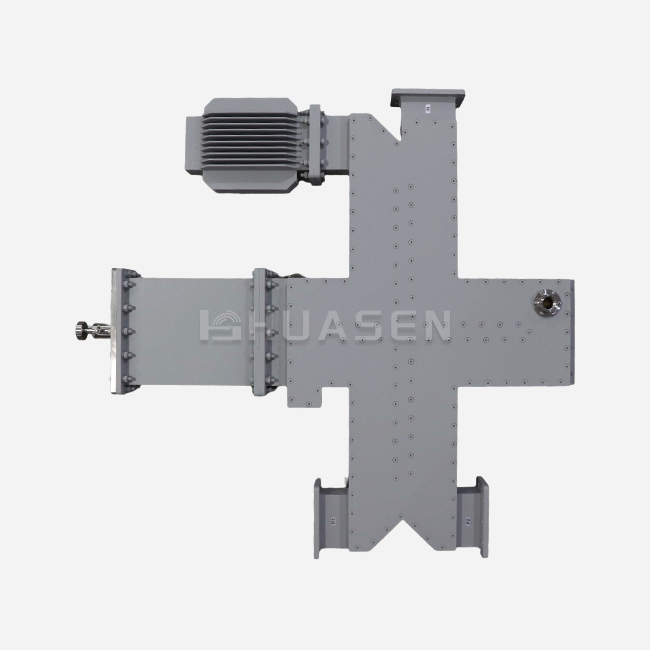
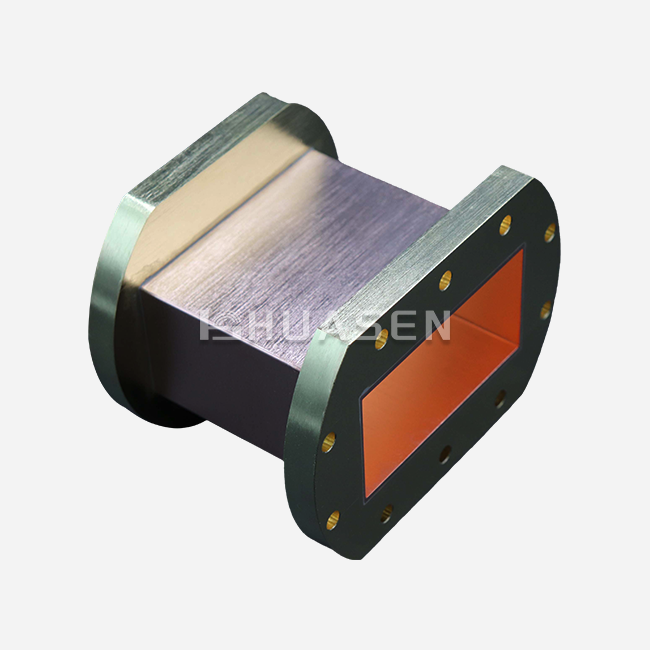
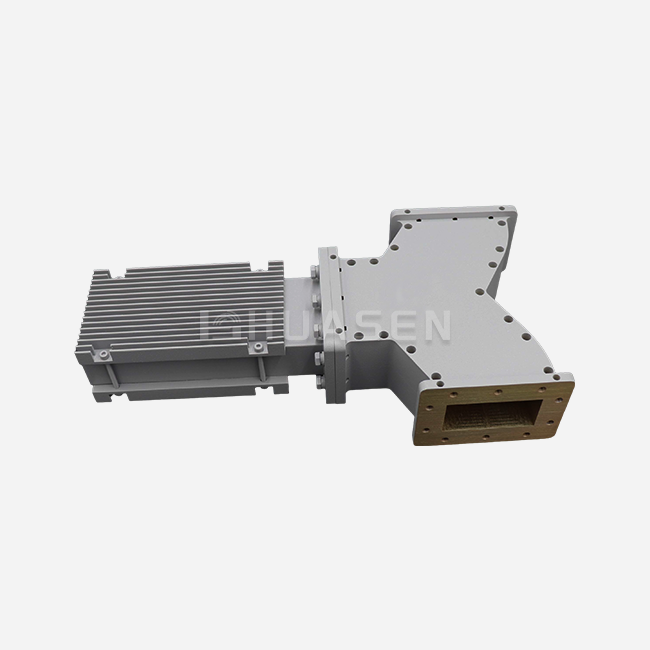
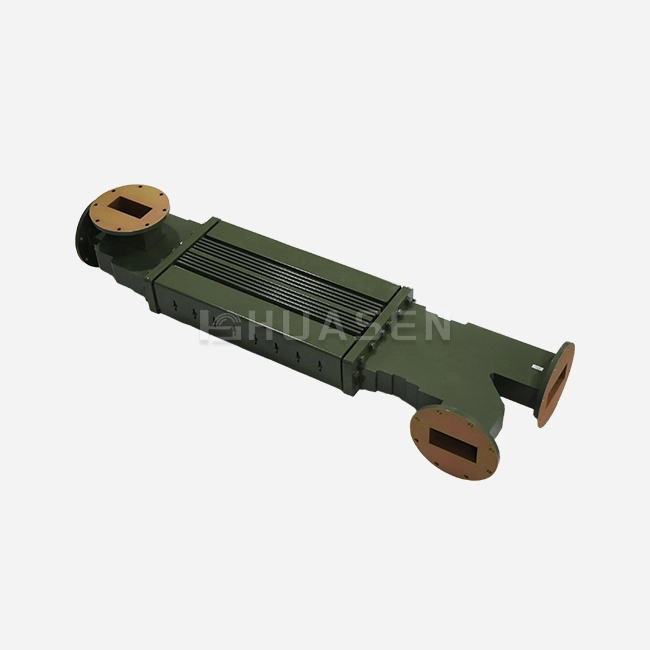
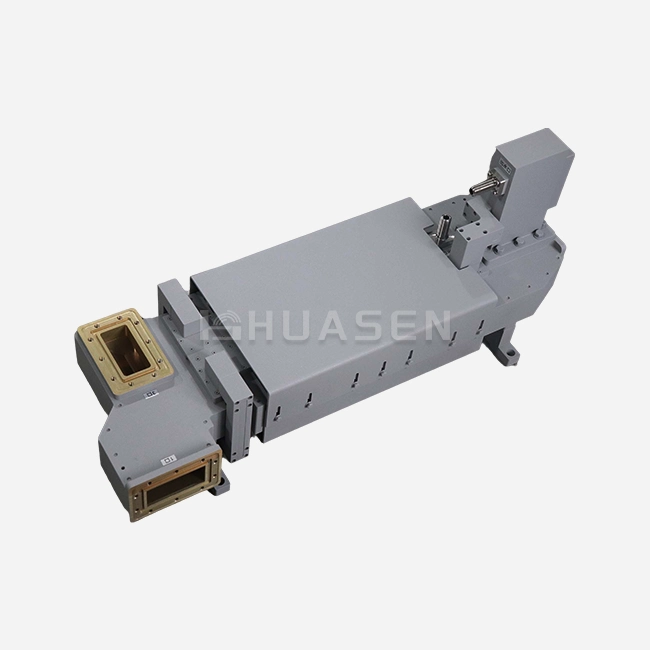
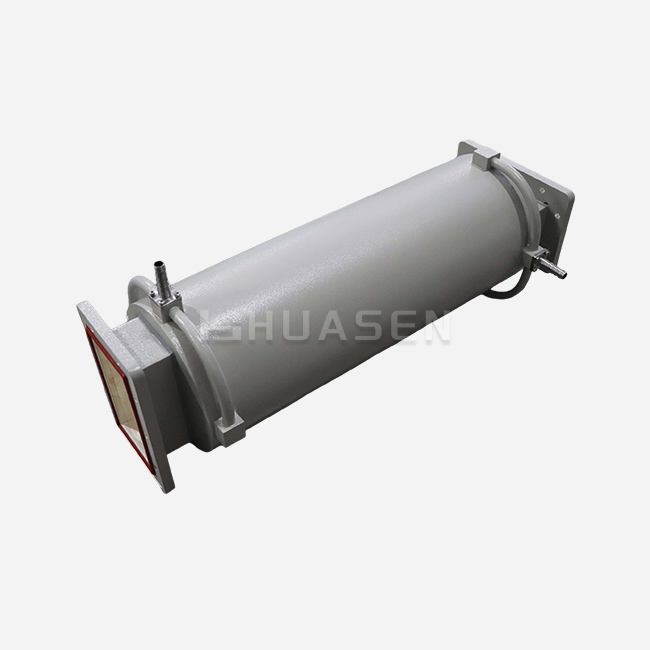
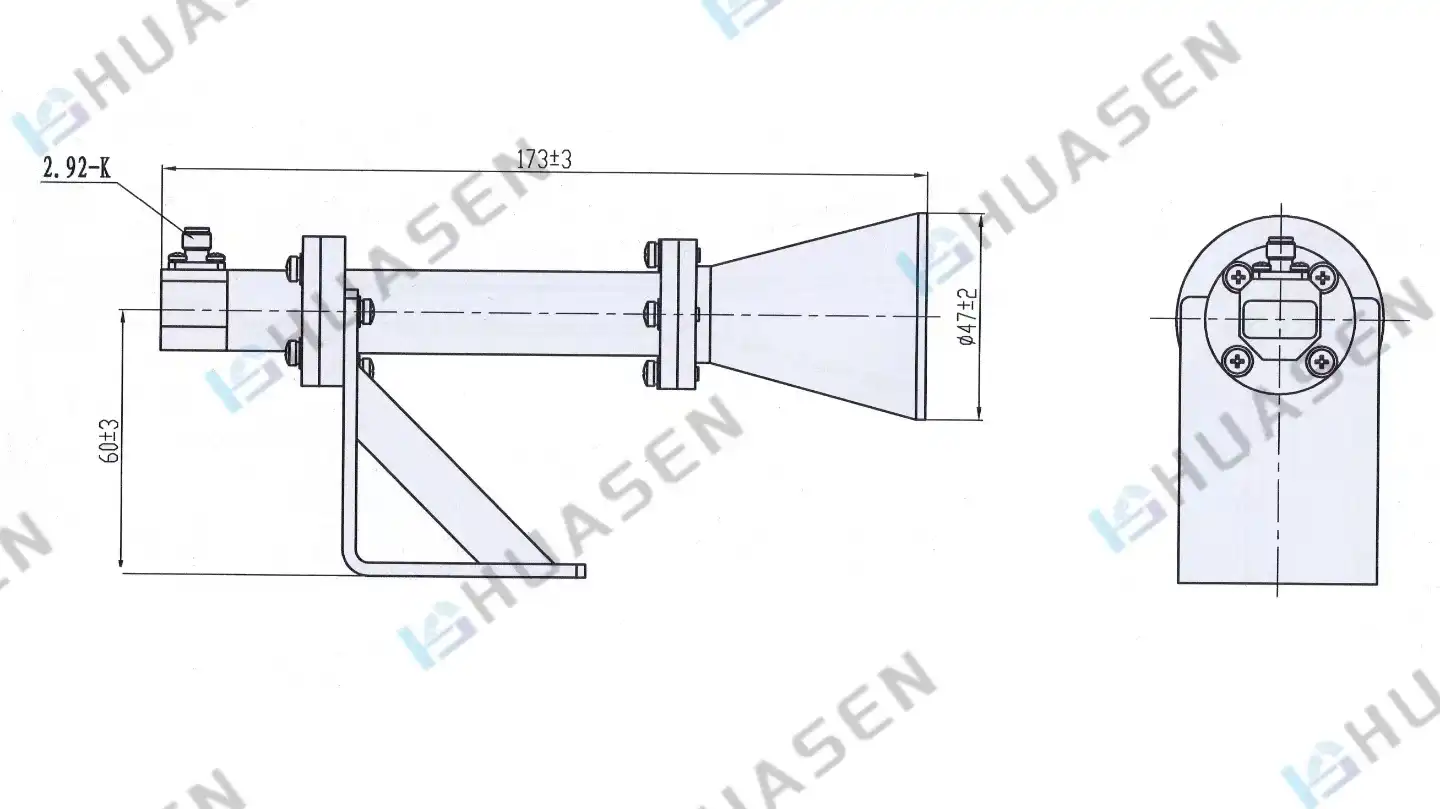
In circularly polarised horn antennas, polarisation mismatch is fixed by a clever electromagnetic principle: these systems don't keep the electric field in a set direction; instead, they make an electric field vector that moves in a circle perpendicular to the direction of propagation. This rotation happens at the frequency of the electromagnetic wave, horn antenna circular polarization, which makes sure that the information stays the same no matter which way the receiving antenna is pointed. The Circularly Polarised Horn Antenna (CPHA) from Huasen Microwaves is able to do this thanks to advanced engineering techniques such as linear-to-circular polarisation converters and dual linear polarisation orthogonal excitation methods. The cone-shaped horn design uses dual linear polarisation synthesis across a wide frequency range and step diaphragm shapes to keep the axial ratio performance at ≤ 0.5dB across all frequencies.
Technical Implementation Advantages
When you look at system speed metrics, it's clear that circular polarisation is technically better. These antennas keep the integrity of the signal over an amazing frequency range of 0.5GHz to 110GHz. They also have gain choices that can be set between 10dB and 25dB, making them flexible for a wide range of industrial uses. Being able to change the bandwidth from narrowband (≤ 5%) to broadband (≤ 67%) setups makes sure that the best performance is matched to each deployment's needs. Another important benefit is the polarisation purity. Cross-polarization discrimination of high-quality circularly polarised systems is greater than 20 to 30dB, which successfully separates desired signals from interference caused by reflection-induced polarisation reversal. This feature is very useful in complicated electromagnetic settings where metallic reflections and multipath propagation would normally make linear polarisation systems less reliable.
Comparing Circularly Polarized Horn Antennas with Other Antenna Types
Performance Metrics Analysis
When looking at antenna technologies for business-to-business uses, circularly polarised horn antennas clearly outperform other designs in certain situations. Linear horn antennas have good gain characteristics and are easy to set up, but they need to be precisely aligned mechanically, which can be hard in settings that are constantly changing. Linear systems are limited in how they can be used because they are sensitive to changes in angle. This makes the system more complicated and costs more to maintain. Patch antennas come in small sizes that make them good for installations with limited room, but they usually have a narrower bandwidth and lower gain than horn configurations. Helical antennas can produce circular polarisation, but they are often mechanically fragile and have a narrow frequency range. This makes them less ideal for harsh industrial settings where durability is very important.
Here are the key performance differentiators that make circularly polarized horn antennas superior for demanding applications:
- Signal Reliability: Maintains consistent performance regardless of relative antenna orientation, eliminating the need for continuous tracking mechanisms
- Multipath Resistance: Inherently rejects odd-order reflected signals through polarization reversal discrimination
- Environmental Adaptability: Operates effectively in challenging conditions, including ionospheric effects and atmospheric disturbances
These advantages translate directly into reduced operational complexity and improved system reliability for industrial deployments. The cost-performance analysis favors circular polarization horn antenna circular polarizationwhen system uptime requirements justify the initial investment premium over simpler linear alternatives.
Application-Specific Benefits
Real-world deployment scenarios demonstrate the practical value of circular polarization technology. Satellite earth stations utilizing circularly polarized feeds eliminate the need for complex polarization tracking systems, reducing mechanical complexity while improving signal availability. Weather radar installations benefit from enhanced precipitation classification capabilities through dual-polarization analysis that distinguishes between different particle types based on their scattering characteristics.
Practical Considerations for Procurement and Implementation
Critical Specification Parameters
Engineers and procurement managers must evaluate specific technical parameters when selecting circularly polarized horn antennas for industrial applications. The axial ratio specification represents the most critical quality indicator, with values below 1.5dB considered acceptable for most applications, while metrology-grade systems require performance better than 1.0dB. Huasen Microwave's CPHA technology achieves exceptional axial ratio performance of ≤ 0.5dB, surpassing industry standards for demanding applications. Bandwidth requirements vary significantly across different use cases. Narrowband applications, such as dedicated satellite links, may require only 5% fractional bandwidth, while wideband radar and test equipment applications demand coverage exceeding 67% fractional bandwidth. The ability to customize these parameters ensures optimal performance matching while avoiding over-specification that increases costs unnecessarily.
Vendor Selection Criteria
Selecting the appropriate manufacturer requires careful evaluation of technical capabilities, quality assurance processes, and support infrastructure. Established suppliers like Huasen Microwave, with over 30 years of experience since 1993, offer the engineering expertise and manufacturing consistency necessary for critical applications. The company's specialization in high-frequency microwave and millimeter-wave components provides the technical depth required for complex circular polarization implementations. Quality certifications, including compliance with MIL-STD standards for environmental robustness and IEEE 149 for antenna measurement procedures, ensure reliable performance in demanding industrial environments. Customization capabilities become essential when standard products cannot meet specific application requirements, making supplier flexibility a critical selection factor. Integration planning should include comprehensive testing protocols using vector network analyzers and anechoic chamber measurements to validate polarization purity and pattern characteristics before deployment. Simulation tools help predict system performance and identify potential integration challenges during the design phase, reducing project risks and deployment timelines.
Future Trends and Innovations in Circularly Polarized Horn Antennas
Technological Advancement Trajectory
Circle-shaped horn radio technology keeps getting better at working with more things and making more devices work with them. The main goal of current research is to get lower noise levels while keeping the excellent axial ratio performance over a wider frequency range. These new developments help new uses in 5G infrastructure, satellite constellation systems, and advanced radar solutions that need better signal quality and dependability. Modern computer-aided design tools and advanced fabrication methods have made it possible to better control the polarisation properties of materials. These changes make performance tolerances tighter and behaviour more uniform across production volumes. This helps procurement teams that need consistent quality for large-scale deployments. Circularly polarised systems are being used more and more in next-generation communication networks,Circularly Polarized Horn Antenna which shows that the industry knows how useful they are technically. As 5G and future 6G networks move into higher frequency bands, the ability to stay connected even when polarisations don't match becomes more important for keeping things working in complex electromagnetic settings. When thinking about strategic sourcing, you should focus on sources that can increase production while keeping quality standards high and giving you a lot of ways to make the product your own. Companies that engage in circularly polarised horn antenna technology now will be better prepared for future growth as communication needs continue to change toward higher frequencies and stricter performance standards.
Conclusion
Circularly polarized horn antennas represent a proven solution for eliminating polarization mismatch challenges that plague traditional linear polarization systems. Their ability to maintain consistent signal reception regardless of antenna orientation makes them indispensable for dynamic communication environments, including satellite links, radar systems, and wireless infrastructure. The technical advantages of circular polarization—including multipath resistance, ionospheric immunity, and operational simplicity—translate directly into improved system reliability and reduced maintenance costs. As communication systems continue advancing toward higher frequencies and more demanding performance requirements, the strategic value of circular polarization technology will only increase, making early adoption a competitive advantage for forward-thinking organizations.
FAQ
1. How does circular polarization improve signal reliability compared to linear polarization?
Circular polarization eliminates the angular sensitivity that affects linear polarization systems. While linear antennas require precise alignment to maintain signal strength, circularly polarized systems maintain consistent performance regardless of the relative orientation between transmitting and receiving antennas. This characteristic proves especially valuable in satellite communications, where spacecraft rotation would otherwise cause signal fading with linear polarization.
2. What axial ratio specifications should be considered for radar applications?
Radar applications typically require axial ratio performance better than 1.5dB to ensure adequate cross-polarization discrimination. For weather radar and precision measurement applications, axial ratio values below 1.0dB are preferred. Huasen Microwave's CPHA technology achieves ≤ 0.5dB axial ratio, exceeding the requirements for even the most demanding radar applications.
3. How can polarization purity be verified during acceptance testing?
Polarization purity verification requires measurements using calibrated test equipment, including vector network analyzers and specialized antenna ranges. Standard test procedures involve measuring the axial ratio across the operational frequency range and verifying cross-polarization discrimination levels. Anechoic chamber testing provides the most accurate results by eliminating environmental reflections that could affect measurements.
Partner with Huasen Microwave for Superior Circularly Polarized Horn Antenna Solutions
Huasen Microwave's three decades of expertise in high-frequency microwave and millimeter-wave technology deliver exceptional circularly polarized horn antenna solutions tailored for demanding B2B applications. Our CPHA technology achieves industry-leading axial ratio performance of ≤ 0.5dB across frequencies from 0.5-110GHz, ensuring superior signal reliability for satellite communications, radar systems, and wireless infrastructure. As a trusted Circularly Polarized Horn Antenna manufacturer, we provide comprehensive customization options, including bandwidth optimization, gain selection, and connector specifications to meet precise application requirements. Contact our technical team at sales@huasenmicrowave.com to discuss your specific needs and discover how our proven solutions can enhance your communication system performance while reducing operational complexity and maintenance costs.
References
1. Balanis, Constantine A. "Antenna Theory: Analysis and Design, Fourth Edition." Hoboken: John Wiley & Sons, 2016.
2. Kraus, John D., and Ronald J. Marhefka. "Antennas: For All Applications, Third Edition." New York: McGraw-Hill Education, 2002.
3. Milligan, Thomas A. "Modern Antenna Design, Second Edition." Hoboken: IEEE Press, 2005.
4. Stutzman, Warren L., and Gary A. Thiele. "Antenna Theory and Design, Third Edition." Hoboken: John Wiley & Sons, 2012.
5. IEEE Standard 149-2021. "IEEE Recommended Practice for Antenna Measurements." Institute of Electrical and Electronics Engineers, 2021.
6. Love, Adrian W. "Electromagnetic Horn Antennas." Piscataway: IEEE Press, 1976.
Send Inquiry