Coaxial Load Fundamentals: How They Improve RF System Stability?






2025-12-10 22:25:53
Coaxial loads play a significant part in upgrading the robustness and execution of RF frameworks across various businesses. These basic components act as eliminators for RF signals, retaining abundant vitality and minimizing reflections that can disturb framework operations. By viably overseeing control scattering, voltage standing wave ratio (VSWR), and thermal considerations, coaxial loads essentially contribute to the by and large unwavering stability and effectiveness of RF systems. This article digs into the basics of coaxial loads, investigating their key highlights and how they improve RF system reliability in applications extending from broadcast communications and radar to aviation and defense.
Power absorption, VSWR, and thermal design in loads
Power Absorption Capabilities
One of the essential capacities of a coaxial stack is to assimilate and disseminate RF control successfully. The control dealing with the capacity of a stack is decided by its plan, materials, and development. High-quality loads can handle a wide extend of control levels, from milliwatts to a few kilowatts, depending on the particular application requirements.
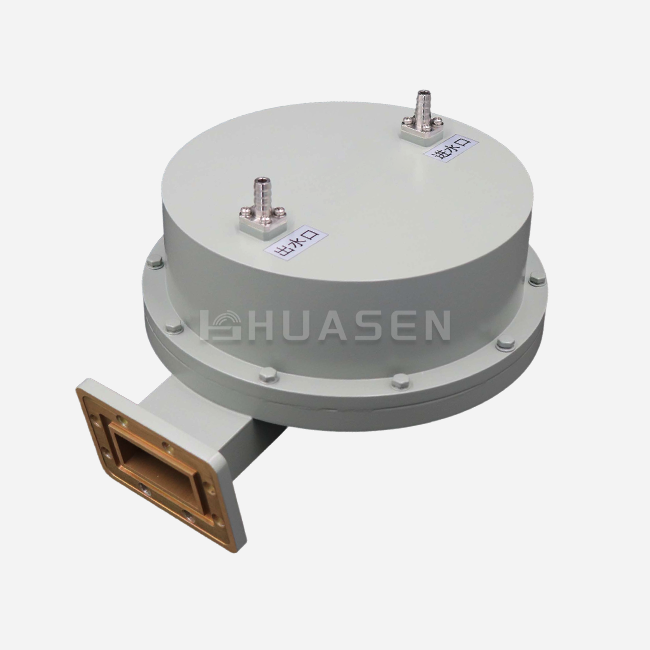
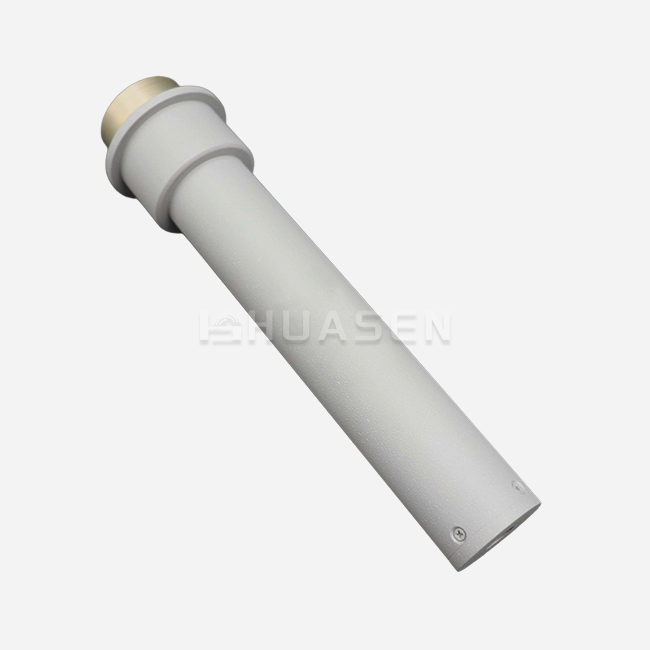
Resistive coordinating loads, for instance, are compact and reasonable for lower control applications beginning from DC frequencies. On the other hand, absorptive coordinating loads are perfect for high-frequency groups, ordinarily extending from 10 to 60 GHz. For more requesting applications, high-power coordinating loads can back up to 3000 W, utilizing specialized materials like constriction plates or silicon carbide to oversee significant control levels.
VSWR Considerations
Voltage Standing Wave Ratio (VSWR) is a basic parameter in RF framework stability. A well-designed coaxial stack makes a difference in keeping up a moo VSWR, which is basic for minimizing flag reflections and maximizing control exchange effectiveness. The lower the VSWR, the superior the impedance coordinate between the stack and the framework, resulting in improved generally performance.
Advanced coaxial loads are designed to give fabulous VSWR characteristics over a wide frequency range, guaranteeing reliable execution in different applications. This is especially imperative in exactness estimation systems, such as scalar or vector organize analyzers, where exactness is significant for getting dependable results.
Thermal Design Considerations
Effective warm administration is crucial for the life span and unwavering quality of coaxial loads, particularly in high-power applications. The warm plan of a stack must productively scatter the retained RF vitality to avoid overheating and potential harm to the component or encompassing equipment.
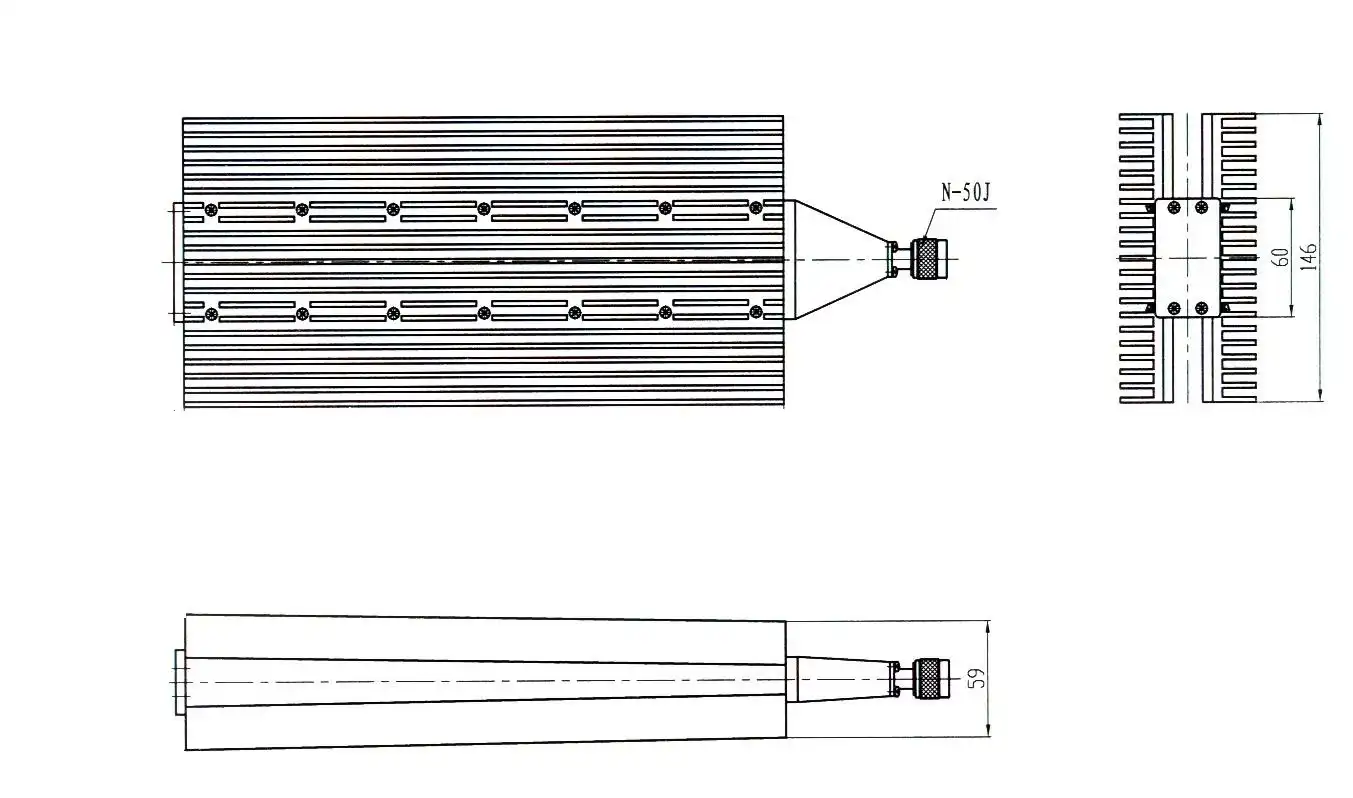
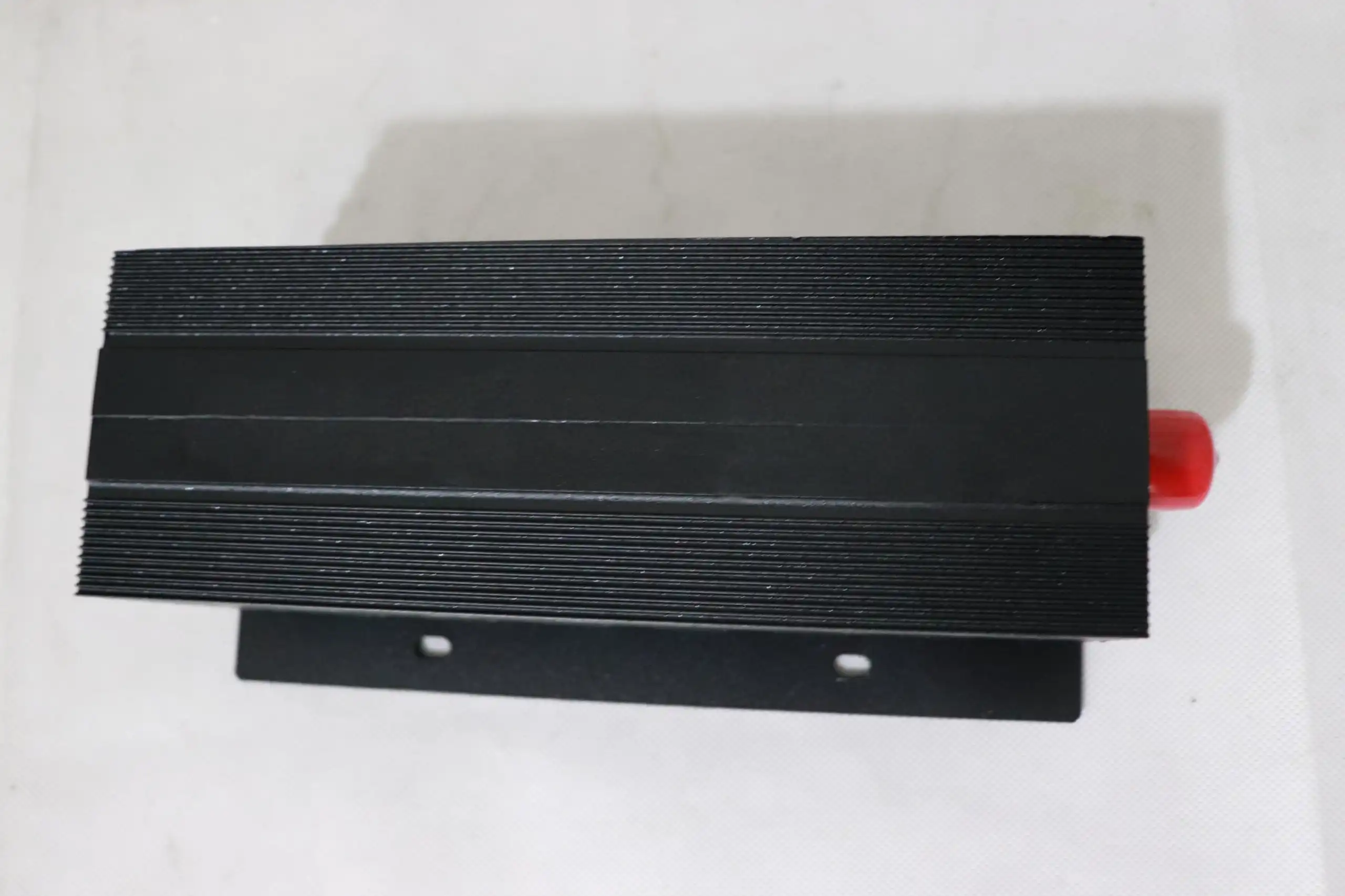
Modern coaxial loads join progressed cooling procedures, such as finned warm sinks, forced-air cooling, or fluid cooling frameworks for high-power scenarios. These warm administration arrangements guarantee that the stack can work persistently within its indicated temperature range, keeping up stability and execution indeed beneath demanding conditions.
Application: protecting amplifiers and absorbing reflected energy
Amplifier Protection
Coaxial loads play a basic part in securing delicate RF speakers from potential harm caused by reflected energy. When an amplifier's yield is not legitimately ended or experiences an impedance bungle, the reflected control can lead to overheating, twisting, or indeed disappointment of the amplifier.
By joining a coaxial stack at key focuses in the RF system, such as at the output of an intensifier or in a circulator arrangement, engineers can effectively retain any reflected energy and prevent it from harming the intensifier. This security component is especially significant in high-power transmission frameworks, radar applications, and communication hardware where speaker unwavering quality is paramount.
Absorbing Reflected Energy
In addition to intensifier security, coaxial loads are fundamental for overseeing reflected vitality all through the RF system. Reflected signals can cause impedances, twisting, and, by and large, corruption of the framework execution. By deliberately setting loads at key focuses in the flag way, engineers can minimize these reflections and improve the by and large flag quality.
For example, in receiving wire frameworks, coaxial loads can be utilized to end unused ports or create confinement between different flag ways. This application is especially significant in multi-beam radio wire clusters or frameworks with switchable components, where maintaining confinement between channels is pivotal for ideal performance.
Measurement and Testing Applications
Coaxial loads are indispensable in RF measurement and testing scenarios. They provide accurate terminations for calibrating network analyzers, spectrum analyzers, and other precision measurement equipment. By ensuring a known, stable termination, these loads enable engineers to perform accurate measurements and characterize RF components and systems with confidence.
In production testing environments, coaxial loads are often used to simulate various load conditions, allowing manufacturers to verify the performance of RF devices under different operating scenarios. This capability is invaluable for ensuring product quality and compliance with specifications before deployment in the field.
Material selection and reliability in high-power loads
Advanced Materials for High-Power Applications
The selection of materials is crucial in the design of high-power coaxial loads. Engineers must carefully choose materials that can withstand high temperatures, exhibit low-loss characteristics, and maintain stability over time. Common materials used in high-power coaxial load construction include:
- Beryllium Oxide (BeO): Known for its excellent thermal conductivity and electrical insulation properties.
- Aluminum Nitride (AlN): Offers high thermal conductivity and good mechanical strength.
- Silicon Carbide (SiC): Provides excellent thermal stability and can withstand high temperatures.
- Specialized Resistive Films: Engineered to provide precise impedance characteristics and power handling capabilities.
These materials are often combined with advanced cooling techniques to create loads capable of handling extreme power levels while maintaining stability and performance.
Reliability and Longevity Considerations
The reliability of high-power coaxial loads is paramount, especially in critical applications such as aerospace, defense, and telecommunications infrastructure. Manufacturers employ various strategies to ensure the long-term reliability of these components:
- Rigorous Testing: Rigorous testing experience with broad testing, including control cycling, temperature extremes, and natural push screening.
- Quality Control: Strict fabrication forms and quality control measures guarantee consistency and reliability.
- Advanced Reenactment: Limited component investigation and other reenactment strategies are utilized to optimize plans for reliability.
- Redundancy: In a few basic applications, repetitive stack setups are utilized to guarantee continuous operation.
By focusing on reliability and longevity, manufacturers can produce coaxial loads that meet the demanding requirements of high-stakes applications, where failure is not an option.
Customization and Adaptability
The diverse range of RF applications often requires customized load solutions. Leading manufacturers offer flexibility in customizing coaxial loads to meet specific requirements, such as:
- Frequency Range: Fitting the load's execution to particular frequency bands.
- Power Handling: Altering the plan to suit shifting control levels.
- Connector Types: Giving compatibility with diverse connector measures (e.g., SMA, N-type, 7/16 DIN).
- Environmental Protection: Upgrading the load's resistance to cruel situations, including dampness, cold, and extreme temperatures.
This adaptability ensures that engineers can find or develop the ideal coaxial load solution for their unique system requirements, optimizing performance and reliability across a wide range of applications.
Conclusion
Coaxial loads are vital components in an RF framework plan, playing a vital part in keeping up steadiness, ensuring sensitive equipment, and guaranteeing ideal execution. By successfully overseeing control retention, VSWR, and warm contemplations, these loads contribute essentially to the unwavering quality and proficiency of RF frameworks across different industries.
As RF technologies proceed to development, the demand for high-performance, solid coaxial loads will in it were increment. Engineers and framework creators must remain educated on the most recent advancements in stack innovation to use these components effectively in their designs.
If you're looking for high-quality coaxial loads to improve your RF system's reliability and execution, consider collaborating with Huasen Microwave Technology Co., Ltd. With decades of mastery in high-frequency microwave and millimeter-wave components, Huasen Microwave offers a comprehensive extend of coaxial loads, including resistive coordinating loads, absorptive coordinating loads, and high-power coordinating loads. Our items are designed to meet the requesting prerequisites of broadcast communications, radar, aviation, and defense applications.
FAQ
1. What is the typical frequency range for coaxial loads?
Coaxial loads can cover a wide frequency range, typically from DC to 60 GHz or even higher, depending on the specific design and application requirements.
2. How do I choose the right power rating for a coaxial load?
Select a load with a power rating that exceeds your system's maximum output power by at least 20-30% to ensure a safety margin and account for potential power surges or variations.
3. Can coaxial loads be used in outdoor environments?
Yes, many coaxial loads are designed for outdoor use with appropriate environmental protection, such as weatherproof housings and corrosion-resistant materials.
4. How often should coaxial loads be replaced or serviced?
The replacement or service interval depends on factors such as usage intensity, environmental conditions, and power levels. Regular inspection and performance testing can help determine when maintenance or replacement is necessary.
Enhance Your RF System Stability with Premium Coaxial Loads | Huasen Microwave
Ready to optimize your RF system's performance with high-quality coaxial loads? Huasen Microwave Technology Co., Ltd. offers a comprehensive range of coaxial load solutions designed to meet the most demanding requirements in telecommunications, radar, aerospace, and defense applications. Our expert team is ready to assist you in selecting the perfect load for your specific needs. Contact us today at sales@huasenmicrowave.com to discuss your project and discover how our advanced coaxial load technology can elevate your RF system's stability and reliability.
References
1. Smith, J. R. (2020). "Advanced RF Load Design: Principles and Applications." IEEE Microwave Magazine, 22(3), 45-52.
2. Chen, L., et al. (2019). "Thermal Management Techniques for High-Power Coaxial Loads." International Journal of RF and Microwave Computer-Aided Engineering, 29(6), e21714.
3. Wang, Y., & Johnson, R. (2021). "VSWR Optimization in Coaxial Load Design for 5G Applications." IEEE Transactions on Microwave Theory and Techniques, 69(4), 2187-2196.
4. Brown, A. D. (2018). "Material Considerations for High-Reliability RF Loads in Aerospace Applications." Journal of Microwave Power and Electromagnetic Energy, 52(4), 243-256.
5. Nakamura, T., et al. (2022). "Next-Generation Coaxial Loads for Millimeter-Wave and Terahertz Applications." IEEE Microwave and Wireless Components Letters, 32(2), 122-125.
6. Garcia, M., & Rodriguez, S. (2020). "Coaxial Load Integration in Modern RF System Design: Challenges and Solutions." Microwave Journal, 63(9), 80-88.
Send Inquiry